Cisco Secure Endpoint is a comprehensive, cloud-managed endpoint security solution designed to protect devices from advanced malware and cyber threats throughout the entire attack lifecycle—before, during, and after an attack. It offers powerful prevention capabilities to identify and stop threats before they compromise your systems, using multifaceted techniques including risk-based vulnerability management and posture assessments. The solution provides deep visibility and advanced detection…
N/A
Microsoft Defender for Endpoint
Score 8.8 out of 10
N/A
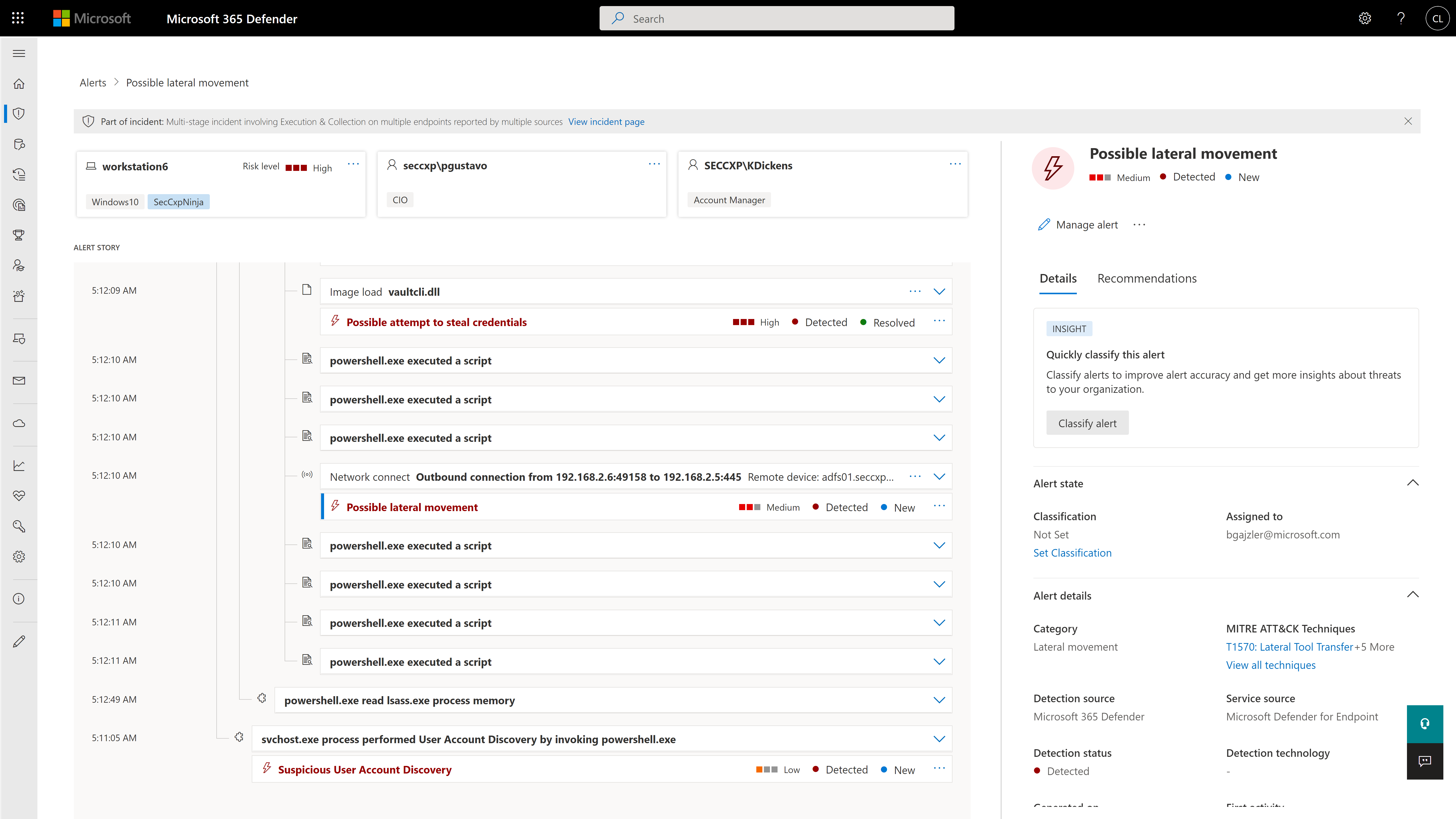
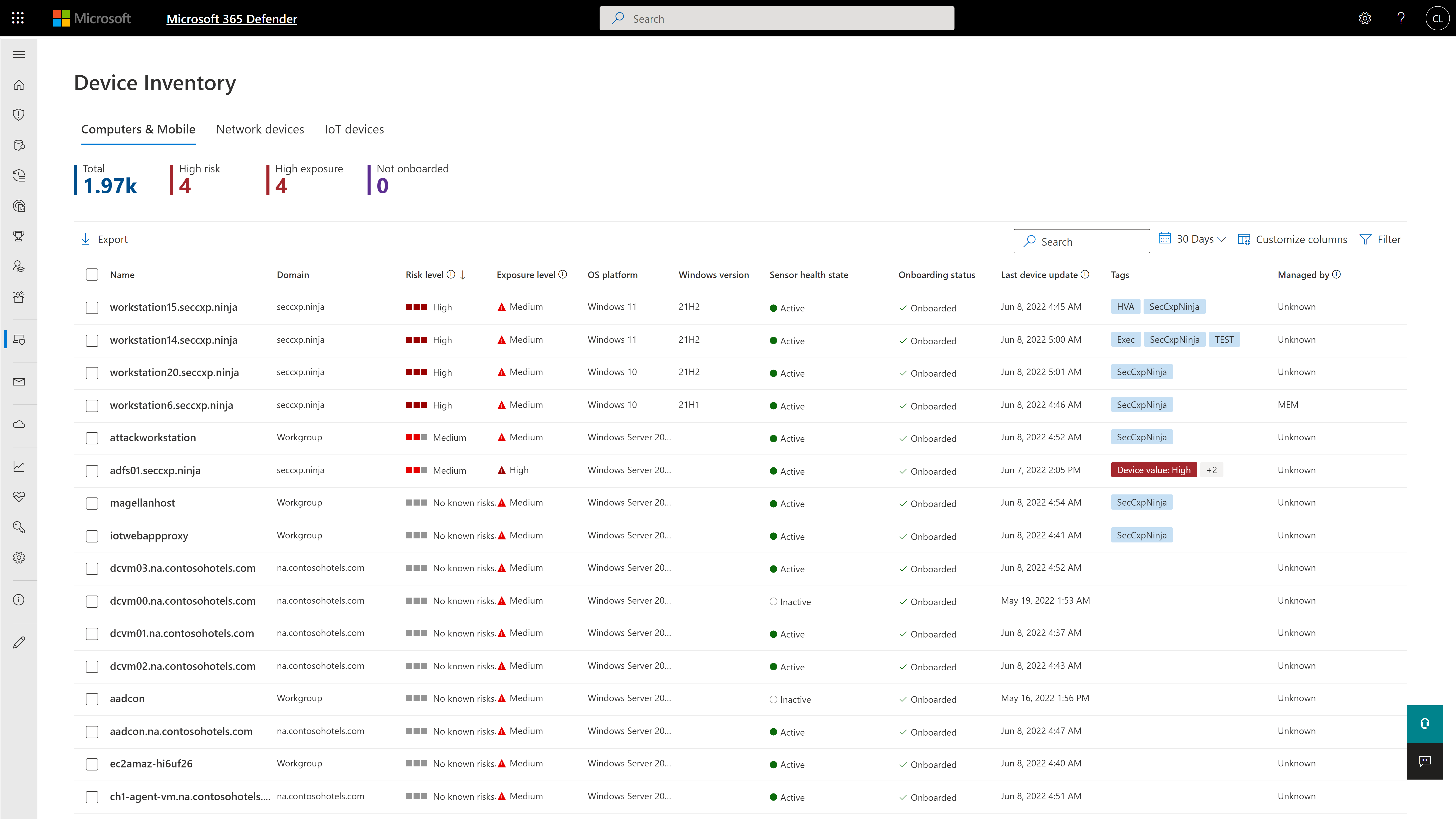
Microsoft Defender for Endpoint (formerly Microsoft Defender ATP) is a holistic, cloud delivered endpoint security solution that includes risk-based vulnerability management and assessment, attack surface reduction, behavioral based and cloud-powered next generation protection, endpoint detection and response (EDR), automatic investigation and remediation, managed hunting services, rich APIs, and unified security management.
Cisco Secure Endpoint provides better overall support and detection compared to other products used. Strong visibility and a strong range of tools when researching an issue to find either information or resolution. Dashboards are also a lot cleaner than most products and easier …
Cisco Secure Endpoint is an advanced EDR solution that is highly effective and scalable. Our experience previously with MalwareBytes and Microsoft Defender was not horrible, but these products were not as effective and did not integrate well with our other security products to …
CrowdStrike Falcon, and Sentinel One are other big ones that we use a bit. Cisco Secure Endpoint we've evaluated as well. Cisco Secure Endpoint capability-wise doesn't match up to Defender, SentinelOne, and CrowdStrike both do, but the cost profiles are a bit higher. So most of …
Microsoft Defender for Endpoint consistently showed better user experiences during scans due to the reduced amount of resources used on each system compared to our previous endpoint protection solutions. However, the main reason we chose Microsoft Defender for Endpoint is …
Microsoft Defender for Endpoint offers strong integration with Microsoft 365 and Azure services, which provide a unified security experience. While McAfee Trellix is known for solid antivirus, Microsoft Defender excels in integration in the ecosystem.
Microsoft Defender for Endpoint has the best integration for us in our (mostly) Windows environment. Also we are using M365 E3 so this already included Microsoft Defender for Endpoint P1. The extra cost for Defender for Endpoint P2 is definitely worth it. You need to see these …
To handle modern cyber threats such as malware, ransomware, and other known and unknown threats, Cisco Secure Endpoint is a handy option because it is EDR-capable, always updated, and effectively hunts for threats and blocks them before they cause harm to the business. It is reliable, and I recommend it because it has always protected our business from cyber threats.
I think for your average user's experience, it's perfectly fine. I think when you're dealing with more advanced people within the cybersecurity space, where they may deal with applications or tooling, other situations like that, or malicious-type files, that might be problematic for them to use.
Once we, I guess one turned out that path because we have a small IT team, one of the big factors that came into play is how easy it was to deploy and the kind of security it provides for your endpoint devices. For us, it's got all those AI capabilities that really help. So traditionally when there was an incident on Alert on an antivirus program, you'd have a couple of guys run across the office to try to pull a plug. One of the awesome features with Secure Endpoint is its isolation mode that clamps down endpoint devices and then just isolate it. It's connected to, I think Cisco's tell us the threat intel environment. So they've got up-to-date metrics and fixes on threats out in the wild. And once they detect that, they apply it across your whole brand. So yeah, really effective for us.
One of the things that really stands out is the retrospective detections. So say something's detected two weeks later of a product that you had on your system. Initially it scanned it past, but then they discover vulnerability. The product has the ability to come back and retrospectively apply restrictions on specific applications you have on your environment. So I think that's one key winner.
The big thing for us is on endpoint, it kind of integrates with everything else that we already have because we use Microsoft completely. And so that helps us with being able to integrate, and send things over to Azure Sentinel as we need to as well.
Some of the reports that get sent are very high-end reports with lots of information. It would be nice if there was a simplified report that could be sent automatically when an issue is identified on a computer
I'd say building out summaries and log reviews for analysts reviewing incidents. So, pivoting from the alerts themselves to actually getting the detail underneath. Trying to understand what caused an alert, where they went from there, et cetera, et cetera. And then trying to get into deeper log review to take that investigation further can be a pain point.
Cost add-ons for Security features is nickel and diming the process to keep pace with cybercrime. Limited Education budgets require us to be more pro-active in finding cost-effective measures to protect our devices, staff and students. Defender is a strong, well-featured product that is pricing itself out of the education market
The interface is extremely difficult to navigate, even for a moderately familiar user. All the dashboards look the same, but have different functionalities. It looks like the place where you performed that task last time, but in fact the option you want is on a different dashboard. The menu is hard to navigate because the menu items are labeled with misleading descriptions or jargon specific to the product. This makes it even harder to find what you need. On the other hand, it does most of what you need it to do automatically, which helps the usability dramatically.
It just works. It's easy. I mean, even if you didn't have much background in it, you could figure out what you need to do to get the information that you need. The dashboards are comprehensive. The information that it aggregates on the screen, your first initial screen, is very comprehensive and telling. So, usability.
Microsoft Defender for Endpoint chugs along just fine no matter what we throw at it and what systems it's running on. It doesn't take up a lot of resources either, so that's welcomed.
In terms of technical support for Cisco Secure Endpoint, the support has been pretty good. All the cases I submitted were solved in a reasonable time frame, and it was a good experience. However, I find that not as many vendors have the expertise I would expect.
The first time I tried to onboard my macOS endpoints to MDE I struggled for quite a bit. I had to reach out to Microsoft's MDE support team. The tech was very helpful in walking me through the steps during a screen share session
Deployment was handled by our team here and everything went pretty smoothly. We did have a few hiccups in our test group, but that only took a bit to get ironed out.
Cisco Secure Endpoint is an advanced EDR solution that is highly effective and scalable. Our experience previously with MalwareBytes and Microsoft Defender was not horrible, but these products were not as effective and did not integrate well with our other security products to allow us to monitor and react quickly to address threats that were within our network. Key to any security effort is mitigation and the ability to quickly identify and respond so any damage can be avoided or limited.
Falcon. I will say this: Falcon was way easier to deploy. We deployed 36,000 endpoints in about 40 hours. It took us two years to get Microsoft Defender for Endpoint deployed. So deployment was a pain. Falcon, what else we've got? Trellix or McAfee Endpoint. And that's about it.
I think the positive impact overall is that we do a lot of sitting in front of assessors- federal assessors, government assessors. And it really comes down to when the assessor has to think about another product that you're bringing in that's not Microsoft, it creates a lot of confusion, more paperwork, more explanation. But the positive impact is that they know it, everybody kind of knows Microsoft. And so when you tell them you have this endpoint for Microsoft Defender for Endpoint, they're like, okay. The questions go away, and it makes the overhead a lot less during an assessment.