DB2 is a family of relational database software solutions offered by IBM. It includes standard Db2 and Db2 Warehouse editions, either deployable on-cloud, or on-premise.
$0
gathr.ai
Score8.9 out of 10
N/A
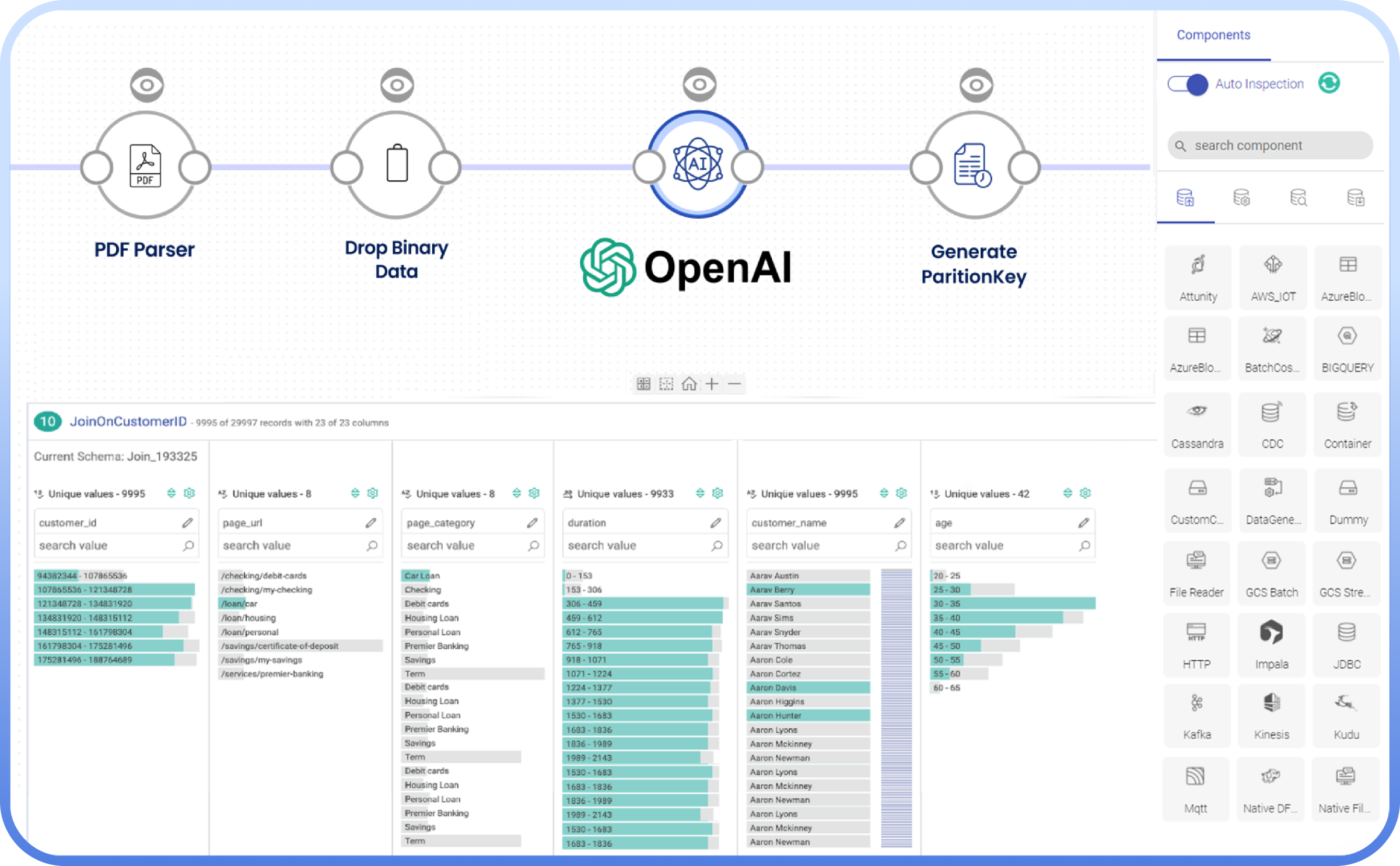
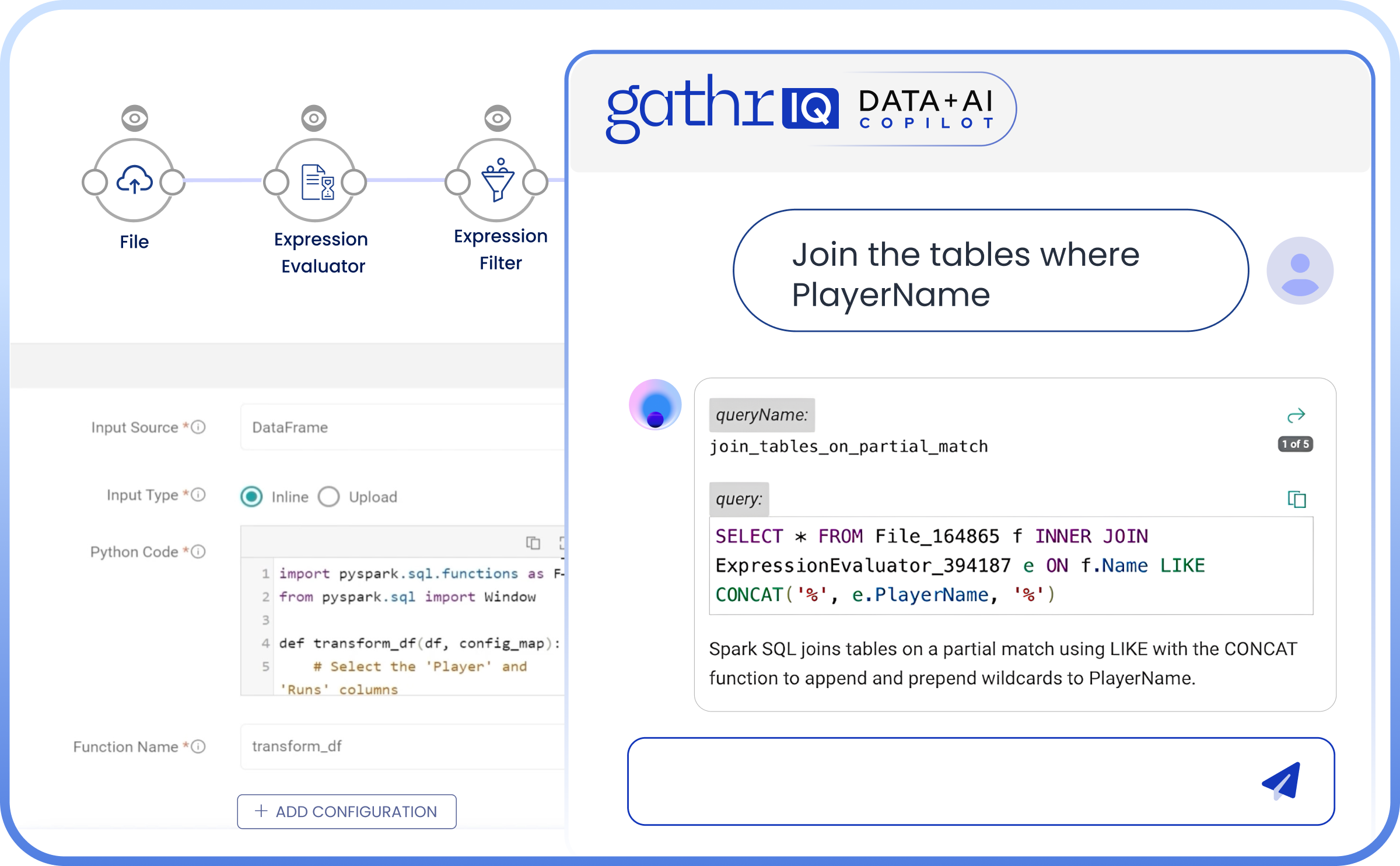
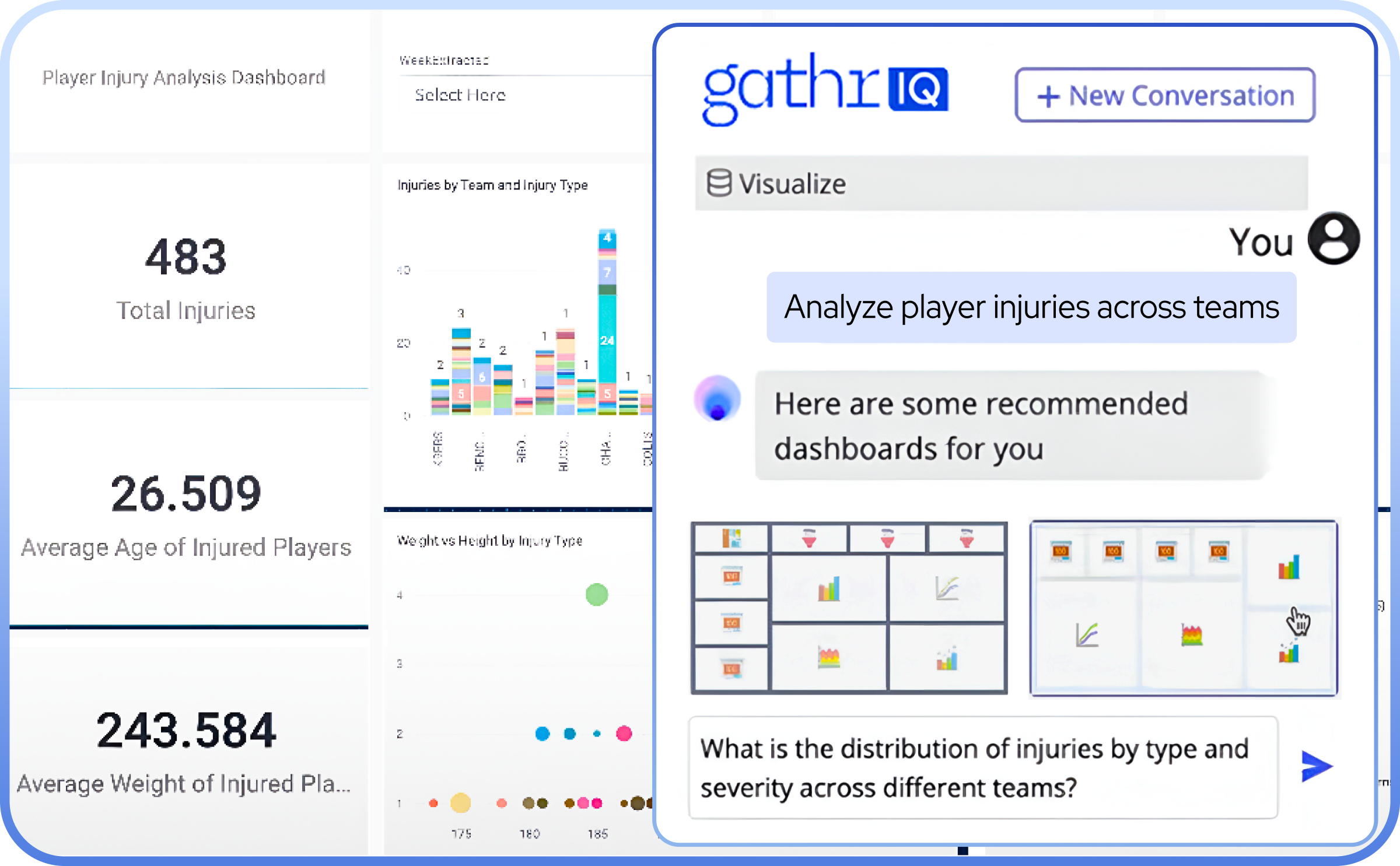
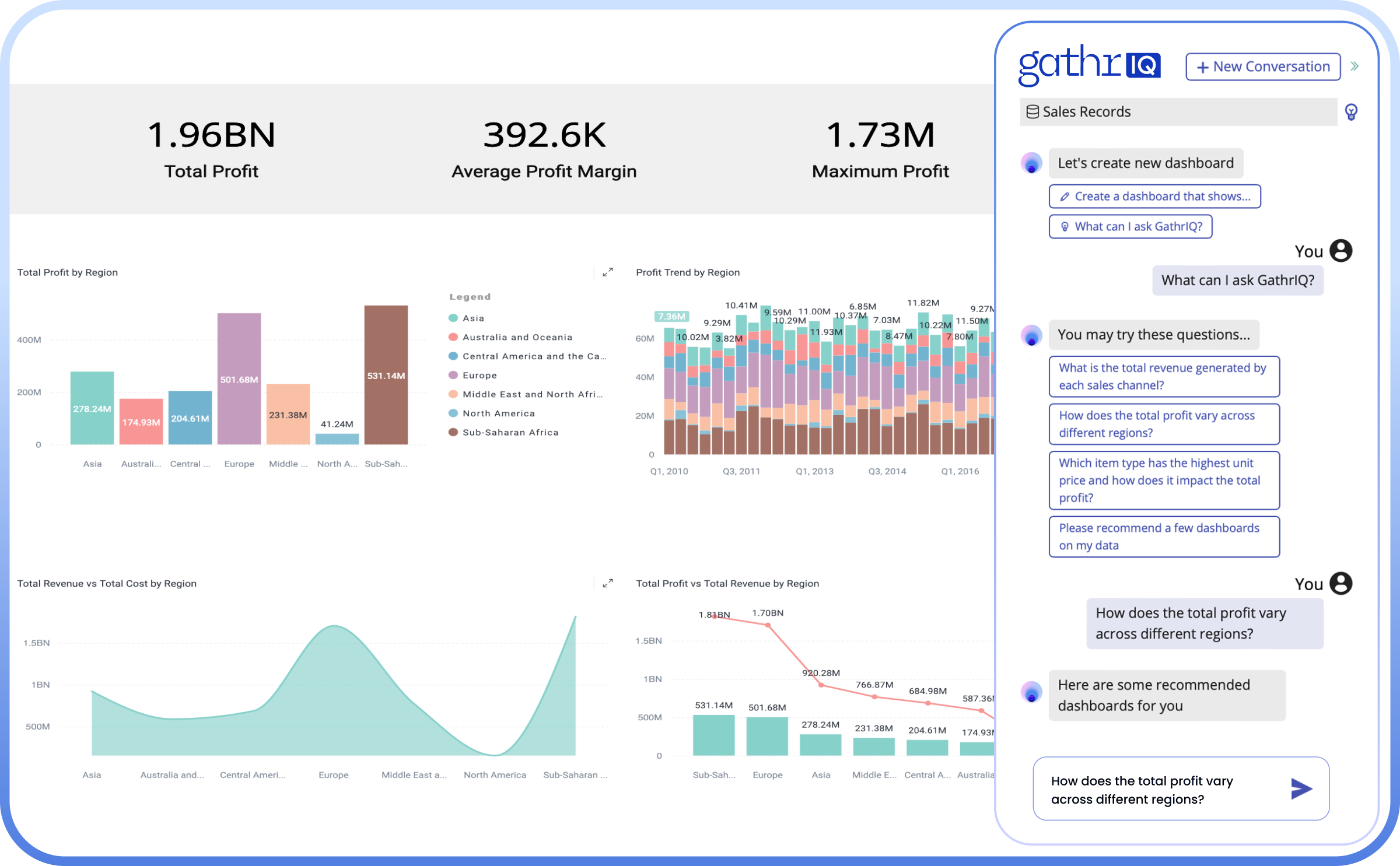
Gathr.ai powers AI with complete data context for higher quality intelligence.
Product suite:
Data Warehouse Intelligence | Document Intelligence | System Intelligence | Data Pipelining | Data+AI Fabric | Analytics
I have primarily used it as the basis for a SIS - but I have migrated more than a few systems from there database systems to DB2 (Filemaker, MySQL, etc.). DB2 does have a better structural approach, as opposed to Filemaker, which allows for more data consistency, but this can also lead to an inflexibility that can sometimes be counterintuitive when attempting to compensate for the flexibility of the work environment as Schools tend to have an all in one approach.
A de minimis incentive was given to thank the reviewer for their time. The incentive was not used to bias or drive a particular response, nor was the incentive contingent on a positive endorsement. More Info
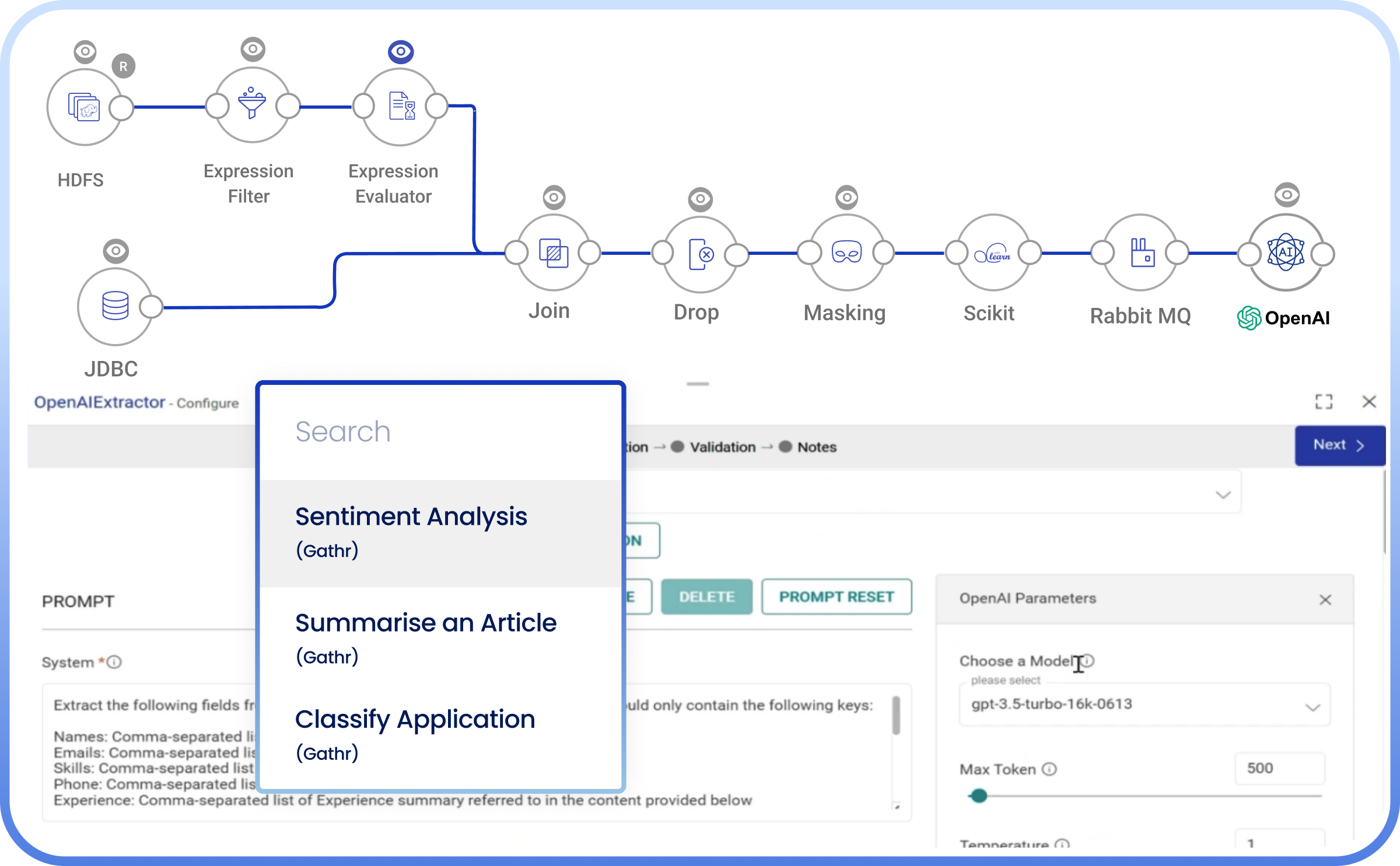
1. For ingesting multiple data sources to multiple data emitters. 2. Creating ETL pipelines in easier manner. 3. Easier to collaborate with multiple products. 4. No manual efforts, as it provides drag and drop feature for creating and maintaining data pipelines. 5. Easy to play with structured and unstructured data and schemas.
A de minimis incentive was given to thank the reviewer for their time. The incentive was not used to bias or drive a particular response, nor was the incentive contingent on a positive endorsement. More Info
A de minimis incentive was given to thank the reviewer for their time. The incentive was not used to bias or drive a particular response, nor was the incentive contingent on a positive endorsement. TR verified that a representative sample of customers was invited. More Info
The DB2 database is a solid option for our school. We have been on this journey now for 3-4 years so we are still adapting to what it can do. We will renew our use of DB2 because we don’t see. Major need to change. Also, changing a main database in a school environment is a major project, so we’ll avoid that if possible.
A de minimis incentive was given to thank the reviewer for their time. The incentive was not used to bias or drive a particular response, nor was the incentive contingent on a positive endorsement. TR verified that a representative sample of customers was invited. More Info
You have to be well versed in using the technology, not only from a GUI interface but from a command line interface to successfully use this software to its fullest.
A de minimis incentive was given to thank the reviewer for their time. The incentive was not used to bias or drive a particular response, nor was the incentive contingent on a positive endorsement. More Info
I have never had DB2 go down unexpectedly. It just works solidly every day. When I look at the logs, sometimes DB2 has figured out there was a need to build an index. Instead of waiting for me to do it, the database automatically created the index for me. At my current company, we have had zero issues for the past 8 years. We have upgrade the server 3 times and upgraded the OS each time and the only thing we saw was that DB2 got better and faster. It is simply amazing.
A de minimis incentive was given to thank the reviewer for their time. The incentive was not used to bias or drive a particular response, nor was the incentive contingent on a positive endorsement. TR verified that a representative sample of customers was invited. More Info
The performances are exceptional if you take care to maintain the database. It is a very powerful tool and at the same time very easy to use. In our installation, we expect a DB machine on the mainframe with access to the database through ODBC connectors directly from branch servers, with fabulous end users experience.
A de minimis incentive was given to thank the reviewer for their time. The incentive was not used to bias or drive a particular response, nor was the incentive contingent on a positive endorsement. More Info
Easily the best product support team. :) Whenever we have questions, they have answered those in a timely manner and we like how they go above and beyond to help.
A de minimis incentive was given to thank the reviewer for their time. The incentive was not used to bias or drive a particular response, nor was the incentive contingent on a positive endorsement. More Info
A de minimis incentive was given to thank the reviewer for their time. The incentive was not used to bias or drive a particular response, nor was the incentive contingent on a positive endorsement. More Info
DB2 was more scalable and easily configurable than other products we evaluated and short listed in terms of functionality and pricing. IBM also had a good demo on premise and provided us a sandbox experience to test out and play with the product and DB2 at that time came out better than other similar products.
A de minimis incentive was given to thank the reviewer for their time. The incentive was not used to bias or drive a particular response, nor was the incentive contingent on a positive endorsement. More Info
By using DB2 only to support my IzPCA activities, my knowledge here is somewhat limited.
Anyway, from what I was able to understand, DB2 is extremely scallable.
Maybe the information below could serve as an example of scalability.
Customer have an huge mainframe environment, 13x z15 CECs, around 80 LPARs, and maybe more than 50 Sysplexes (I am not totally sure about this last figure...)
Today we have 7 IzPCA databases, each one in a distinct Syplex.
Plans are underway to have, at the end, an small LPAR, with only one DB2 sub-system, and with only one database, then transmit the data from a lot of other LPARs, and then process all the data in this only one database.
The IzPCA collect process (read the data received, manipulate it, and insert rows in the tables) today is a huge process, demanding many elapsed hours, and lots of CPU.
Almost 100% of the tables are PBR type, insert jobs run in parallel, but in 4 of the 7 database, it is a really a huge and long process.
Combining the INSERTs loads from the 7 databases in only one will be impossible.......,,,,
But, IzPCA recently introduced a new feature, called "Continuous Collector".
By using that feature, small amounts of data will be transmited to the central LPAR at every 5 minutes (or even less), processed immediately,in a short period of time, and withsmall use of CPU, instead of one or two transmissions by day, of very large amounts of data and the corresponding collect jobs occurring only once or twice a day, with long elapsed times, and huge comsumption of CPU
I suspect the total CPU seconds consumed will be more or less the same in both cases, but in the new method it will occur insmall bursts many times a day!!
A de minimis incentive was given to thank the reviewer for their time. The incentive was not used to bias or drive a particular response, nor was the incentive contingent on a positive endorsement. More Info
A de minimis incentive was given to thank the reviewer for their time. The incentive was not used to bias or drive a particular response, nor was the incentive contingent on a positive endorsement. More Info