
Forcepoint Data Loss Prevention vs. OpsCompass
Forcepoint Data Loss Prevention vs. OpsCompass
| Product | Rating | Most Used By | Product Summary | Starting Price |
|---|---|---|---|---|
 Forcepoint DLP | N/A | Forcepoint Data Loss Prevention (DLP) protects sensitive data everywhere it resides and moves, across endpoints, cloud apps, web, email, and on-premises environments. It delivers unified policy management and centralized control from a single console. | N/A | |
 OpsCompass | N/A | OpsCompass is an enterprise-ready cloud security management software that drives multi-cloud operational control, visibility, and security to Microsoft Azure, AWS, and Google Cloud Platform. Its UI is designed to provide clear data visualization for resource management, remediation, and configuration drift management. OpsCompass utilizes CIS SecureSuite benchmarks as industry-accepted system hardening standards, and are used by organizations in meeting compliance requirements for FISMA, PCI DSS,… | $0 |
| Forcepoint Data Loss Prevention | OpsCompass | |||||||||||||||
|---|---|---|---|---|---|---|---|---|---|---|---|---|---|---|---|---|
| Editions & Modules | No answers on this topic |
| ||||||||||||||
| Offerings |
| |||||||||||||||
| Entry-level Setup Fee | No setup fee | No setup fee | ||||||||||||||
| Additional Details | — | — | ||||||||||||||
| More Pricing Information | ||||||||||||||||
| Forcepoint Data Loss Prevention | OpsCompass |
|---|
| Forcepoint Data Loss Prevention | OpsCompass | ||||||||||||||||||
|---|---|---|---|---|---|---|---|---|---|---|---|---|---|---|---|---|---|---|---|
| Data Preparation |
| ||||||||||||||||||
| Cloud Management |
|
| Forcepoint Data Loss Prevention | OpsCompass | |
|---|---|---|
| Small Businesses |  Paubox Email Suite Score 9.0 out of 10 |  VMware Cloud Director Score 8.5 out of 10 |
| Medium-sized Companies |  Druva Security Cloud Score 9.4 out of 10 |  IBM Turbonomic Score 8.8 out of 10 |
| Enterprises | Druva Security Cloud Score 9.4 out of 10 |  vRealize Operations (discontinued) Score 9.1 out of 10 |
| All Alternatives | View all alternatives | View all alternatives |
| Forcepoint Data Loss Prevention | OpsCompass | |
|---|---|---|
| Likelihood to Recommend | 6.7 (35 ratings) | 8.2 (2 ratings) |
| Likelihood to Renew | 7.6 (7 ratings) | - (0 ratings) |
| Usability | 6.7 (3 ratings) | - (0 ratings) |
| Support Rating | 5.3 (12 ratings) | - (0 ratings) |
| Forcepoint Data Loss Prevention | OpsCompass | |
|---|---|---|
| Likelihood to Recommend |  Forcepoint
| OpsCompass Inc
 Dan Schoenbaum Managing Partner |
| Pros | Forcepoint
 Brandon Smith Business Consultant | OpsCompass Inc
 Mark Beavers Technology Advisor |
| Cons | Forcepoint
 Bhuwan Chandra Business Development Manager | OpsCompass Inc
Dan Schoenbaum Managing Partner |
| Likelihood to Renew | Forcepoint
 Bill Rieger Network Engineer | OpsCompass Inc No answers on this topic |
| Usability | Forcepoint
| OpsCompass Inc No answers on this topic |
| Support Rating | Forcepoint
| OpsCompass Inc No answers on this topic |
| Alternatives Considered | Forcepoint
 Olivia Jayy Operations Manager | OpsCompass Inc
Mark Beavers Technology Advisor |
| Return on Investment | Forcepoint
| OpsCompass Inc
Dan Schoenbaum Managing Partner |
| ScreenShots | OpsCompass Screenshots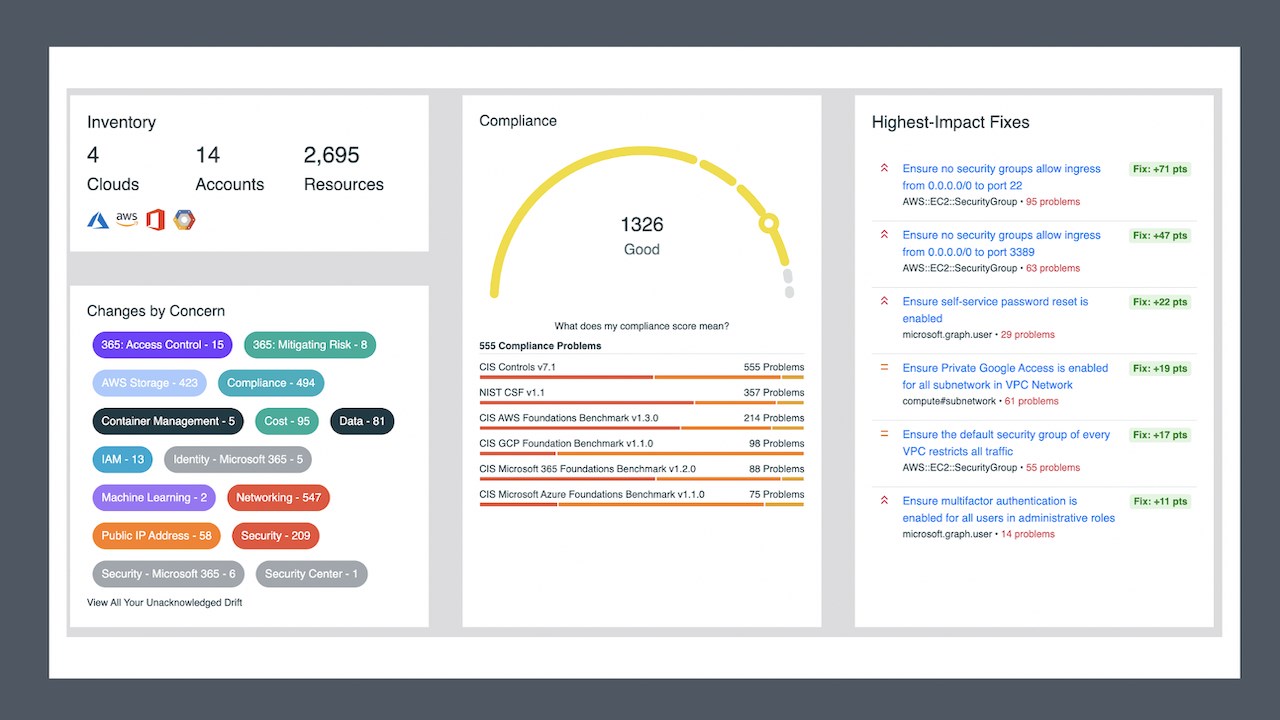   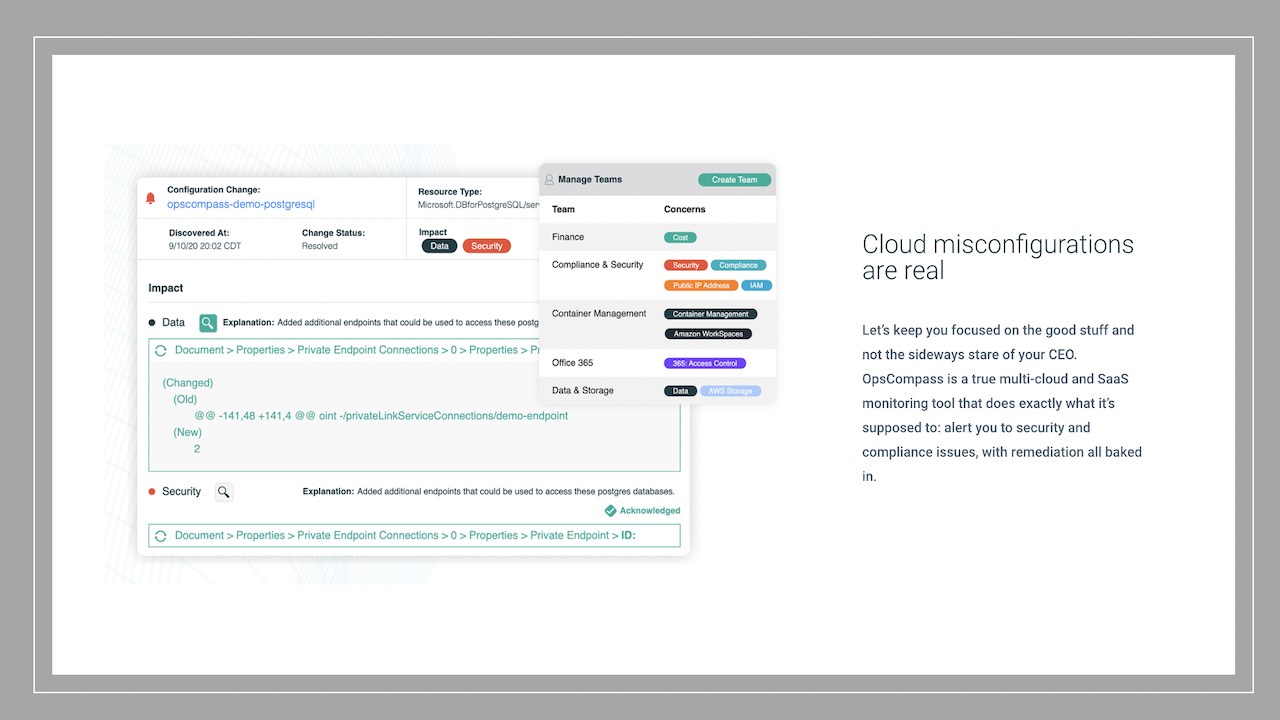  |