
HubSpot Content Hub vs. Optimizely One
HubSpot Content Hub vs. Optimizely One
| Product | Rating | Most Used By | Product Summary | Starting Price |
|---|---|---|---|---|
 HubSpot Content Hub | N/A | Hubspot Content Hub is used to take control of content assets. The unified platform is used to manage, update, and distribute content from a central location, ensuring everyone has access to the most up-to-date and relevant materials. | $20 per month | |
 Optimizely One | N/A | Optimizely One is a digital experience platform, helping marketing and product teams accelerate digital growth, powering the marketing and digital lifecycle from planning to analysis through a unified workflow. Optimizely One accelerates every step of the process with embedded AI. | N/A |
| HubSpot Content Hub | Optimizely One | |||||||||||||||
|---|---|---|---|---|---|---|---|---|---|---|---|---|---|---|---|---|
| Editions & Modules |
| No answers on this topic | ||||||||||||||
| Offerings |
| |||||||||||||||
| Entry-level Setup Fee | No setup fee | Optional | ||||||||||||||
| Additional Details | Annual commitment required. A discount is offered for annual billing. | — | ||||||||||||||
| More Pricing Information | ||||||||||||||||
| HubSpot Content Hub | Optimizely One |
|---|
| HubSpot Content Hub | Optimizely One | |
|---|---|---|
| Likelihood to Recommend | 7.5 (18 ratings) | 9.0 (1 ratings) |
| Likelihood to Renew | 6.0 (1 ratings) | - (0 ratings) |
| Usability | 7.8 (8 ratings) | - (0 ratings) |
| Availability | 9.0 (1 ratings) | - (0 ratings) |
| Performance | 9.0 (1 ratings) | - (0 ratings) |
| Support Rating | 10.0 (1 ratings) | - (0 ratings) |
| Online Training | 9.0 (1 ratings) | - (0 ratings) |
| Configurability | 8.0 (1 ratings) | - (0 ratings) |
| Contract Terms and Pricing Model | 8.0 (1 ratings) | - (0 ratings) |
| Ease of integration | 9.0 (1 ratings) | - (0 ratings) |
| Product Scalability | 9.0 (1 ratings) | - (0 ratings) |
| Vendor post-sale | 9.0 (1 ratings) | - (0 ratings) |
| Vendor pre-sale | 9.0 (1 ratings) | - (0 ratings) |
| HubSpot Content Hub | Optimizely One | |
|---|---|---|
| Likelihood to Recommend |  HubSpot
|  Optimizely
|
| Pros | HubSpot
| Optimizely
|
| Cons | HubSpot
 Gwendolyn Kestrel Digital Marketing and SEO Specialist | Optimizely
|
| Likelihood to Renew | HubSpot
| Optimizely No answers on this topic |
| Usability | HubSpot
 James Bishop Nonprofit Marketing Consultant | Optimizely No answers on this topic |
| Reliability and Availability | HubSpot
 Rajkumar Maddi Sr Marketing Automation Consultant | Optimizely No answers on this topic |
| Performance | HubSpot
Rajkumar Maddi Sr Marketing Automation Consultant | Optimizely No answers on this topic |
| Support Rating | HubSpot
 Tiffani Brown Owner | Optimizely No answers on this topic |
| Online Training | HubSpot
Rajkumar Maddi Sr Marketing Automation Consultant | Optimizely No answers on this topic |
| Implementation Rating | HubSpot
Rajkumar Maddi Sr Marketing Automation Consultant | Optimizely No answers on this topic |
| Alternatives Considered | HubSpot
 Colin Tiller Account Executive | Optimizely
|
| Scalability | HubSpot
Rajkumar Maddi Sr Marketing Automation Consultant | Optimizely No answers on this topic |
| Return on Investment | HubSpot
 JAVSY LÓPEZ CÁMARA Implementadora de IA | Optimizely
|
| ScreenShots | Optimizely One Screenshots 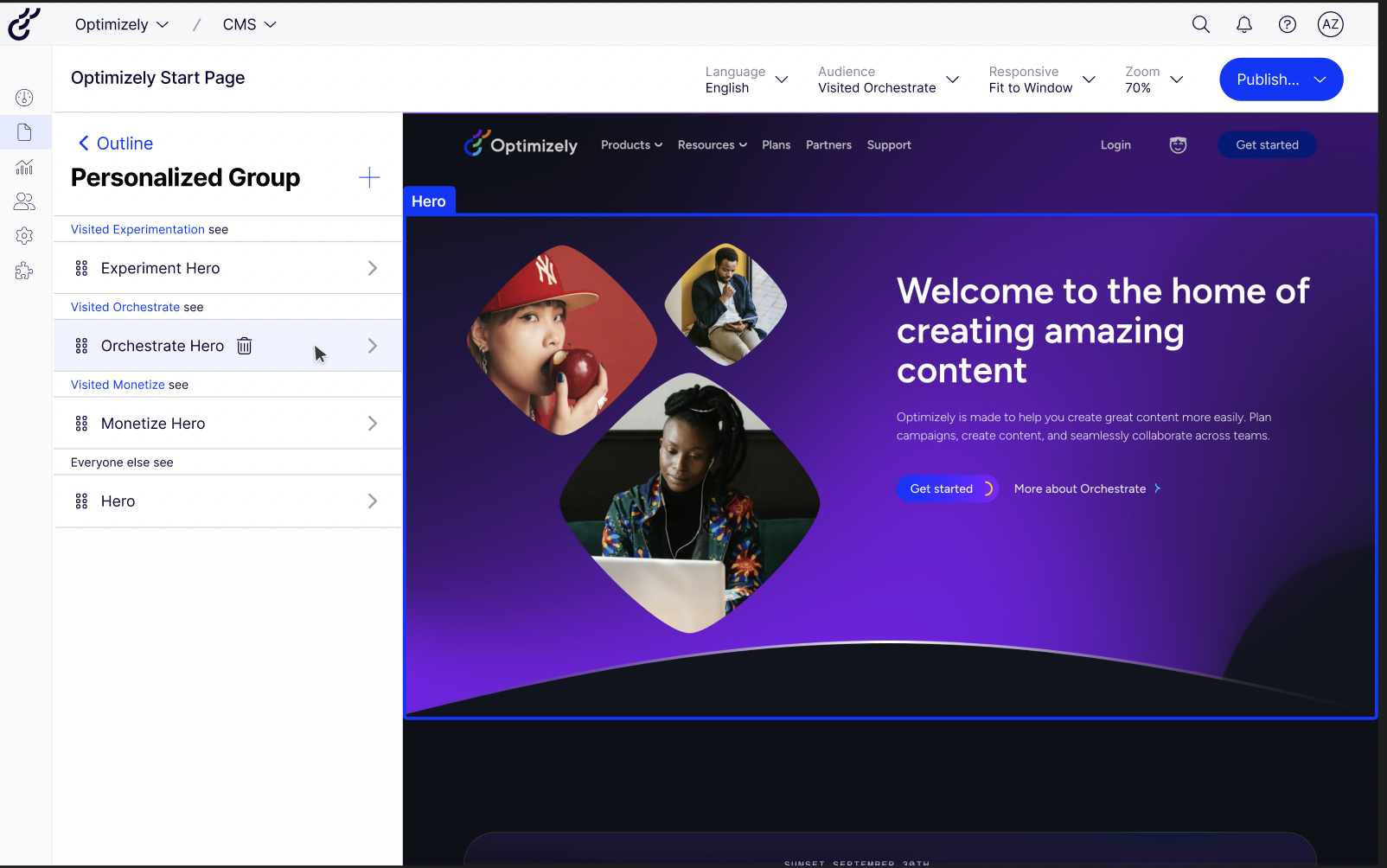 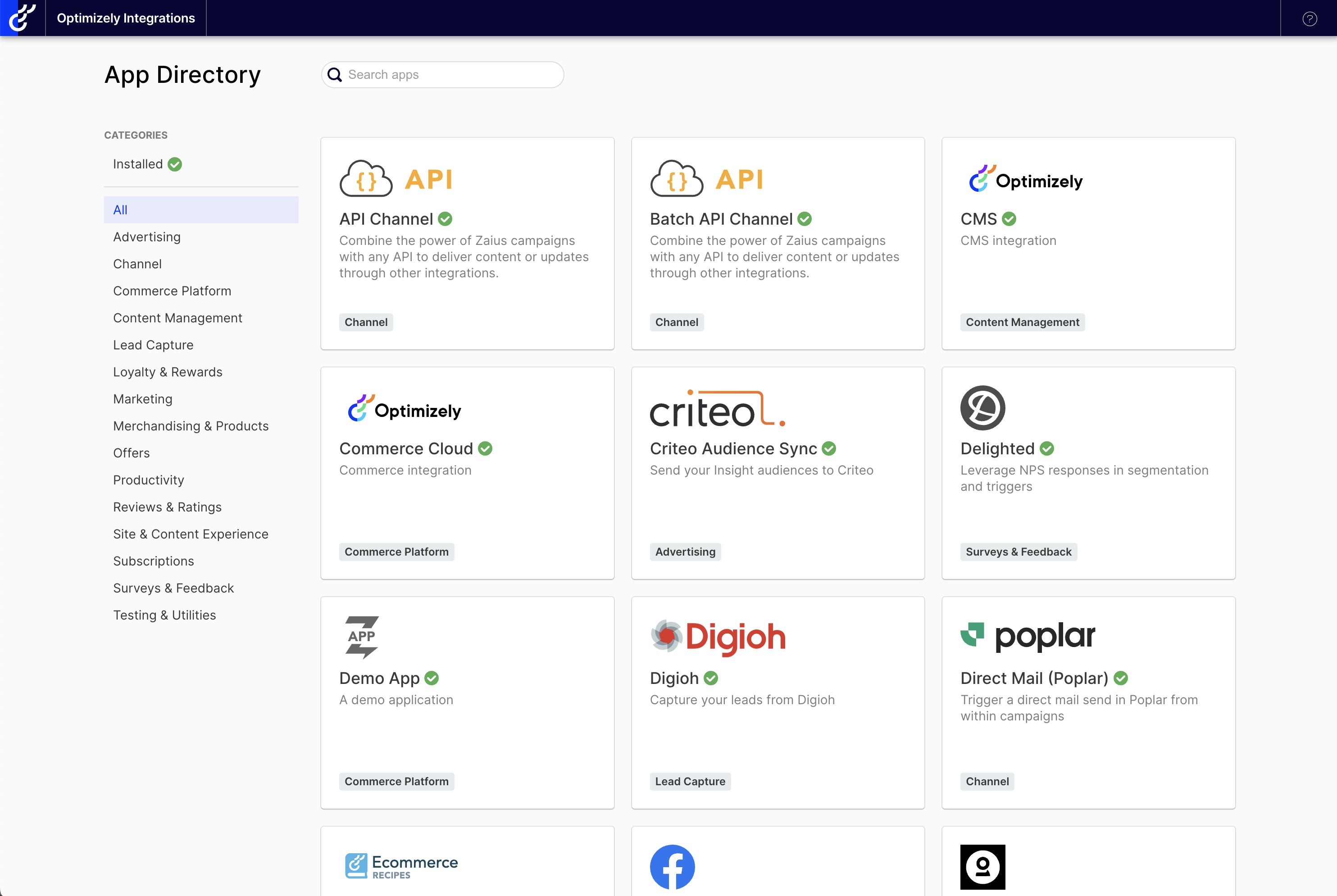    |