
IBM Cloudability vs. Oracle E-Business Suite vs. Proteus E12ERP
IBM Cloudability vs. Oracle E-Business Suite vs. Proteus E12ERP
| Product | Rating | Most Used By | Product Summary | Starting Price |
|---|---|---|---|---|
 IBM Cloudability | N/A | IBM Cloudability is a cloud cost management and optimization (FinOps) tool that enables IT, finance, and business teams to optimize their cloud spend across all cost sources, all maturity levels, and for all stakeholders. | N/A | |
 Oracle E-Business Suite | N/A | Oracle E-Business Suite is a comprehensive suite of integrated, global business applications. The suite includes cross-industry capabilities spanning ERP, CRM and supply chain planning. | N/A | |
 Proteus E12ERP | N/A | N/A | $30 per month |
| IBM Cloudability | Oracle E-Business Suite | Proteus E12ERP | ||||||||||||||||||||||
|---|---|---|---|---|---|---|---|---|---|---|---|---|---|---|---|---|---|---|---|---|---|---|---|---|
| Editions & Modules | No answers on this topic | No answers on this topic |
| |||||||||||||||||||||
| Offerings |
| |||||||||||||||||||||||
| Entry-level Setup Fee | No setup fee | No setup fee | No setup fee | |||||||||||||||||||||
| Additional Details | — | — | — | |||||||||||||||||||||
| More Pricing Information | ||||||||||||||||||||||||
| IBM Cloudability | Oracle E-Business Suite | Proteus E12ERP |
|---|
| IBM Cloudability | Oracle E-Business Suite | Proteus E12ERP | |||||||||||||||||||||||||||||||
|---|---|---|---|---|---|---|---|---|---|---|---|---|---|---|---|---|---|---|---|---|---|---|---|---|---|---|---|---|---|---|---|---|---|
| Payroll Management |
| ||||||||||||||||||||||||||||||||
| Customization |
| ||||||||||||||||||||||||||||||||
| Security |
| ||||||||||||||||||||||||||||||||
| Reporting & Analytics |
| ||||||||||||||||||||||||||||||||
| General Ledger and Configurable Accounting |
| ||||||||||||||||||||||||||||||||
| Inventory Management |
| ||||||||||||||||||||||||||||||||
| Order Management |
| ||||||||||||||||||||||||||||||||
| Subledger and Financial Process |
| ||||||||||||||||||||||||||||||||
| Project Financial Management |
| ||||||||||||||||||||||||||||||||
| Project Execution Management |
| ||||||||||||||||||||||||||||||||
| Grants Management |
| ||||||||||||||||||||||||||||||||
| Procurement |
| ||||||||||||||||||||||||||||||||
| Risk Management |
| ||||||||||||||||||||||||||||||||
| Logistics |
| ||||||||||||||||||||||||||||||||
| Manufacturing |
| ||||||||||||||||||||||||||||||||
| Supply Chain |
| ||||||||||||||||||||||||||||||||
| Product Lifecycle Management |
|
| IBM Cloudability | Oracle E-Business Suite | Proteus E12ERP | |
|---|---|---|---|
| Small Businesses | No answers on this topic |  Zoho One Score 9.3 out of 10 | Zoho One Score 9.3 out of 10 |
| Medium-sized Companies |  IBM Turbonomic Score 8.8 out of 10 |  Infor VISUAL Score 7.4 out of 10 | Infor VISUAL Score 7.4 out of 10 |
| Enterprises |  vRealize Operations (discontinued) Score 9.1 out of 10 |  24SevenOffice Score 9.0 out of 10 | 24SevenOffice Score 9.0 out of 10 |
| All Alternatives | View all alternatives | View all alternatives | View all alternatives |
| IBM Cloudability | Oracle E-Business Suite | Proteus E12ERP | |
|---|---|---|---|
| Likelihood to Recommend | 8.8 (135 ratings) | 7.1 (99 ratings) | - (0 ratings) |
| Likelihood to Renew | 8.0 (5 ratings) | 8.0 (10 ratings) | - (0 ratings) |
| Usability | 8.0 (135 ratings) | 6.2 (4 ratings) | - (0 ratings) |
| Availability | 6.4 (1 ratings) | 3.0 (2 ratings) | - (0 ratings) |
| Performance | 5.5 (1 ratings) | 6.0 (2 ratings) | - (0 ratings) |
| Support Rating | 2.3 (3 ratings) | 6.0 (3 ratings) | - (0 ratings) |
| In-Person Training | 1.0 (1 ratings) | 5.0 (1 ratings) | - (0 ratings) |
| Online Training | 7.3 (1 ratings) | 4.0 (2 ratings) | - (0 ratings) |
| Implementation Rating | 9.0 (1 ratings) | 6.7 (4 ratings) | - (0 ratings) |
| Configurability | 6.4 (1 ratings) | 6.0 (1 ratings) | - (0 ratings) |
| Contract Terms and Pricing Model | 6.4 (1 ratings) | - (0 ratings) | - (0 ratings) |
| Ease of integration | 7.3 (1 ratings) | 6.0 (1 ratings) | - (0 ratings) |
| Product Scalability | 6.4 (1 ratings) | 7.8 (2 ratings) | - (0 ratings) |
| Professional Services | 7.3 (1 ratings) | - (0 ratings) | - (0 ratings) |
| Vendor post-sale | 7.3 (1 ratings) | 6.0 (1 ratings) | - (0 ratings) |
| Vendor pre-sale | 7.3 (1 ratings) | 4.0 (1 ratings) | - (0 ratings) |
| IBM Cloudability | Oracle E-Business Suite | Proteus E12ERP | |
|---|---|---|---|
| Likelihood to Recommend |  Apptio an IBM Company
|  Oracle
 Riley Theressa Mayer Financial Consultant | Proteus Technologies No answers on this topic |
| Pros | Apptio an IBM Company
| Oracle
| Proteus Technologies No answers on this topic |
| Cons | Apptio an IBM Company
| Oracle
| Proteus Technologies No answers on this topic |
| Likelihood to Renew | Apptio an IBM Company
 Saurav Vaish Cloud Engineer | Oracle
 Alessandro Mascelloni, ICP Financial System Manager (ICP) | Proteus Technologies No answers on this topic |
| Usability | Apptio an IBM Company
| Oracle
| Proteus Technologies No answers on this topic |
| Reliability and Availability | Apptio an IBM Company
 David James Chiswell Public Cloud Engineer | Oracle
| Proteus Technologies No answers on this topic |
| Performance | Apptio an IBM Company
David James Chiswell Public Cloud Engineer | Oracle
| Proteus Technologies No answers on this topic |
| Support Rating | Apptio an IBM Company
| Oracle
| Proteus Technologies No answers on this topic |
| Online Training | Apptio an IBM Company
David James Chiswell Public Cloud Engineer | Oracle
| Proteus Technologies No answers on this topic |
| Implementation Rating | Apptio an IBM Company
| Oracle
| Proteus Technologies No answers on this topic |
| Alternatives Considered | Apptio an IBM Company
 Shankarabanda Raghava LEAD CLOUD ENGINEER | Oracle
 khayati jain Marketing Analyst | Proteus Technologies No answers on this topic |
| Contract Terms and Pricing Model | Apptio an IBM Company
David James Chiswell Public Cloud Engineer | Oracle No answers on this topic | Proteus Technologies No answers on this topic |
| Scalability | Apptio an IBM Company
David James Chiswell Public Cloud Engineer | Oracle
 Aashca Joshi, MBA Systems Analyst - HR | Proteus Technologies No answers on this topic |
| Return on Investment | Apptio an IBM Company
| Oracle
 Shiva Krishna Oracle Applications Functional Consultant | Proteus Technologies No answers on this topic |
| ScreenShots | IBM Cloudability Screenshots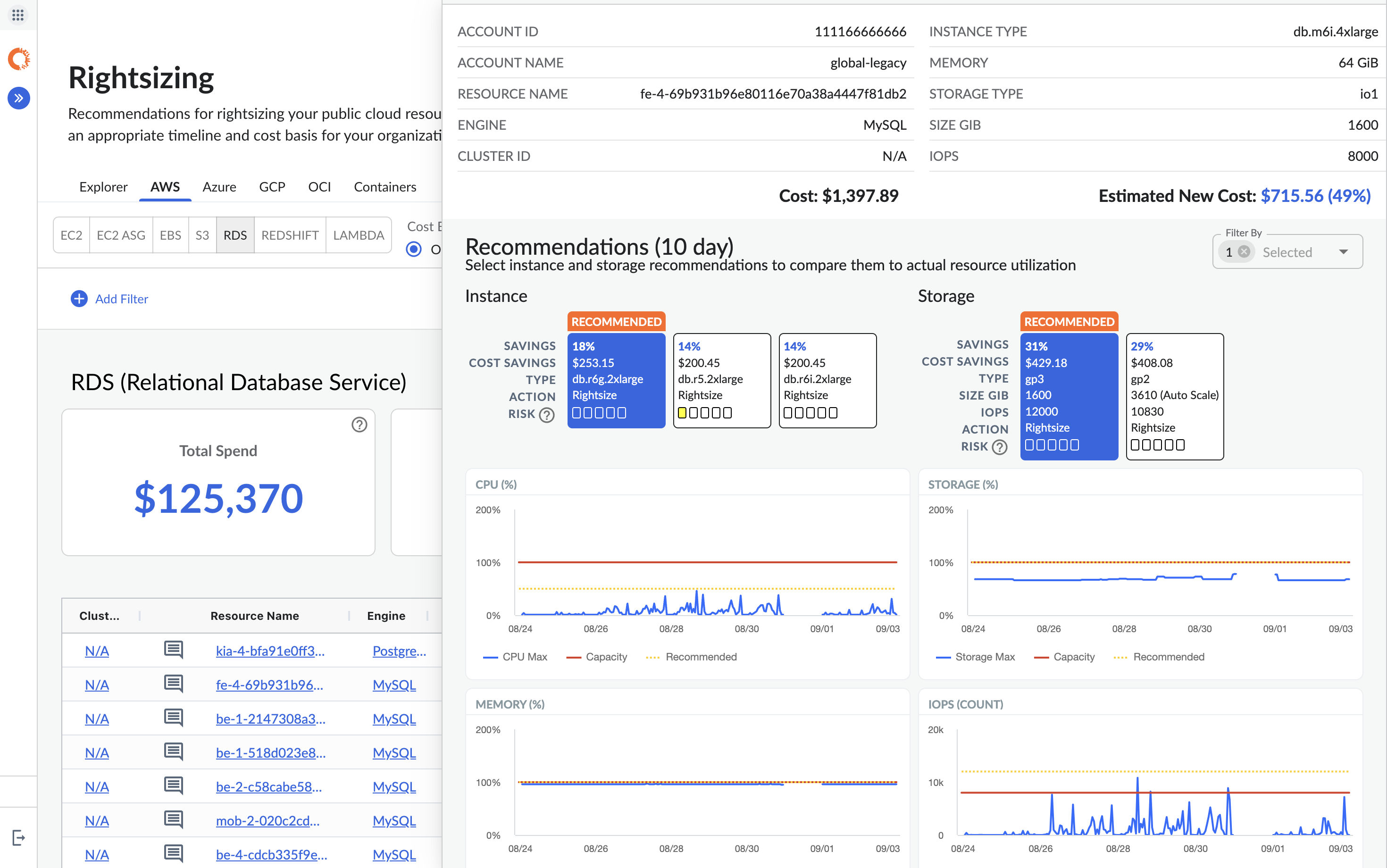 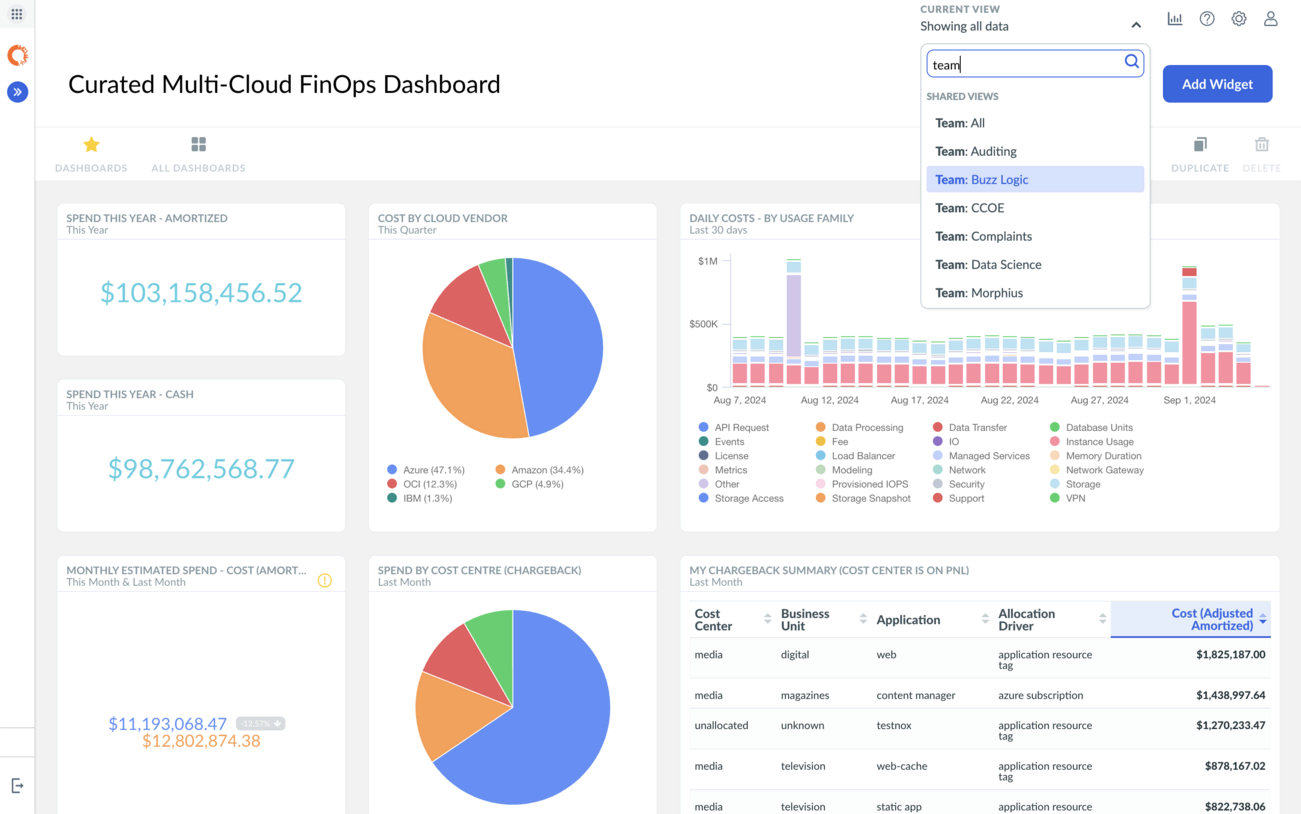 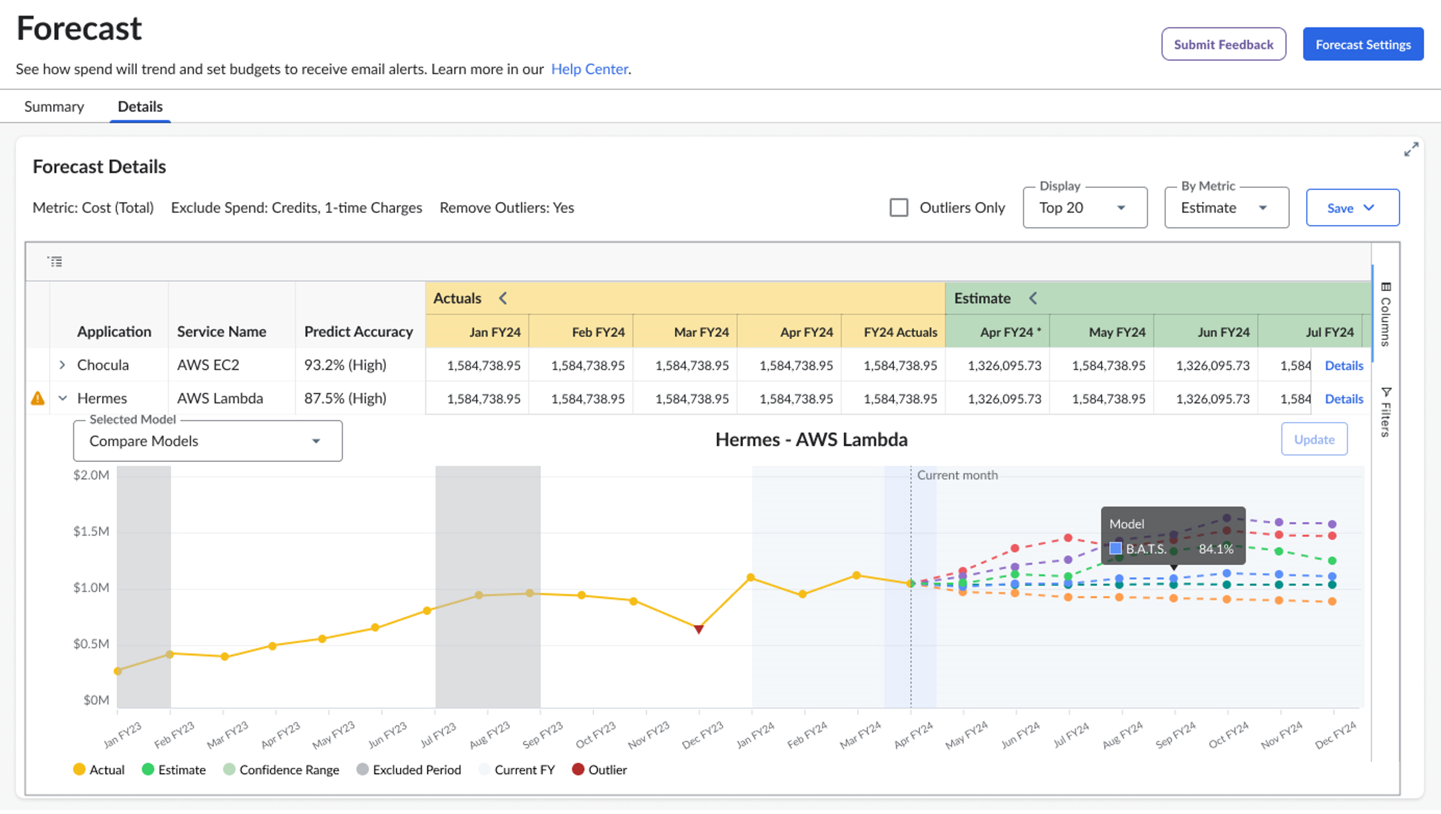 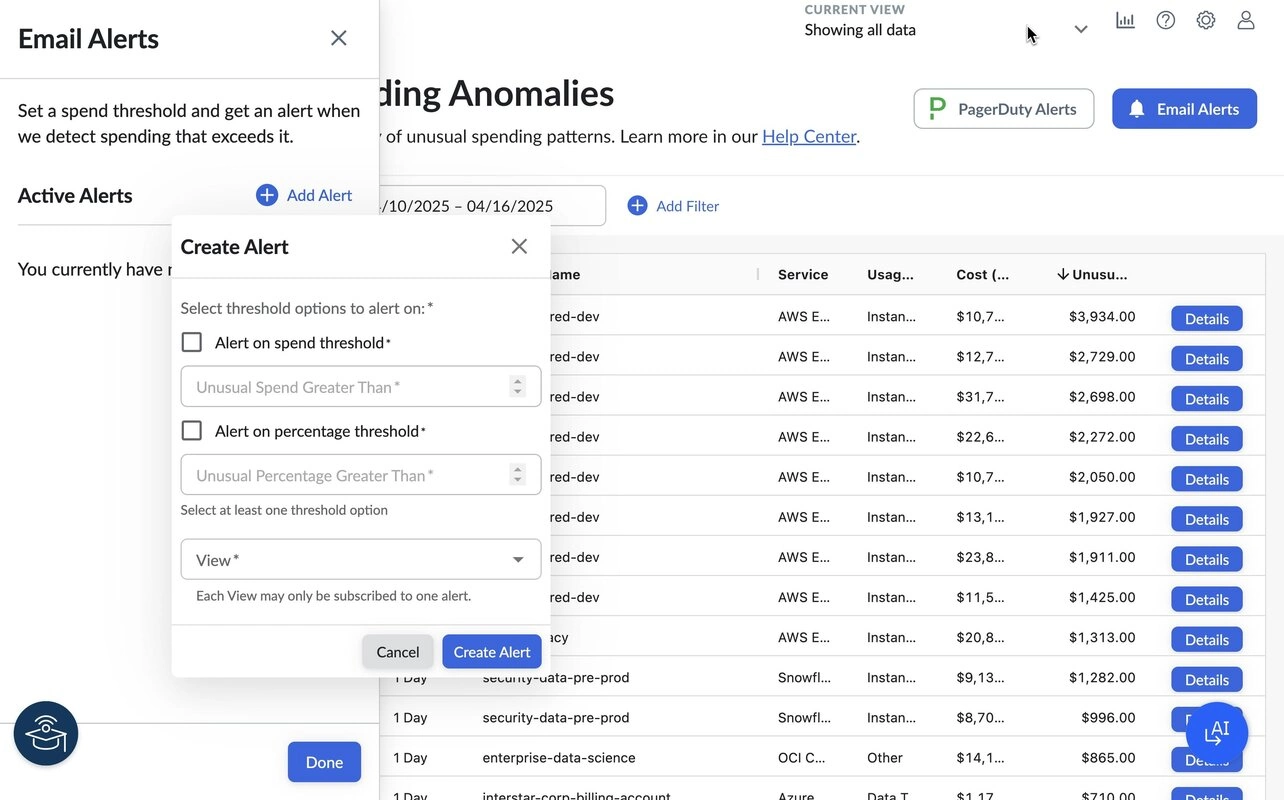 |