
IBM InfoSphere Information Server vs. Lob
| Product | Rating | Most Used By | Product Summary | Starting Price |
|---|---|---|---|---|
 IBM InfoSphere Information Server | Score10 out of 10 | N/A | IBM InfoSphere Information Server is a data integration platform used to understand, cleanse, monitor and transform data. The offerings provide massively parallel processing (MPP) capabilities. | N/A |
 Lob | Score8.5 out of 10 | N/A | Lob in San Francisco provides the building blocks for developers to automate offline correspondences. Enterprise companies use Lob’s suite of APIs to mail fully dynamic and personalized customer communications with print media. Lob also provides insight into deliverability with piece-by-piece tracing and a proprietary Print Delivery Network to streamline production across fully redundant nodes all over the country. | $0 per month (Up to 500 Mailings) |
| IBM InfoSphere Information Server | Lob | |||||||||||||||
|---|---|---|---|---|---|---|---|---|---|---|---|---|---|---|---|---|
| Editions & Modules | No answers on this topic |
| ||||||||||||||
| Offerings |
| |||||||||||||||
| Entry-level Setup Fee | No setup fee | Optional | ||||||||||||||
| Additional Details | — | — | ||||||||||||||
| More Pricing Information | ||||||||||||||||
| IBM InfoSphere Information Server | Lob | |
|---|---|---|
| Considered Both Products | No answer on this topic | No answer on this topic |
| Key User Insights | ||
| Would buy again | ||
No answers on this topic | 100% Would buy again 20 Answers | |
| Delivers good value for the price | ||
No answers on this topic | 100% Delivers good value for the price 16 Answers | |
| Happy with the feature set | ||
No answers on this topic | 100% Happy with the feature set 20 Answers | |
| Lived up to sales and marketing promises | ||
No answers on this topic | 100% Lived up to sales and marketing promises 13 Answers | |
| Implementation went as expected | ||
No answers on this topic | 92% Implementation went as expected 12 Answers | |
| IBM InfoSphere Information Server | Lob | |||||||||||||||||||
|---|---|---|---|---|---|---|---|---|---|---|---|---|---|---|---|---|---|---|---|---|
| Data Source Connection |
| |||||||||||||||||||
| Data Transformations |
| |||||||||||||||||||
| Data Modeling |
| |||||||||||||||||||
| Data Governance |
| |||||||||||||||||||
| IBM InfoSphere Information Server | Lob | |
|---|---|---|
| Small Businesses |  Skyvia Score10 out of 10 | No answers on this topic |
| Medium-sized Companies |  Informatica PowerCenter (legacy) Score9.3 out of 10 |  PFL Direct Mail Platform Score9 out of 10 |
| Enterprises |  SolarWinds Task Factory Score8.3 out of 10 | PFL Direct Mail Platform Score9 out of 10 |
| All Alternatives | View all alternatives | View all alternatives |
| IBM InfoSphere Information Server | Lob | |
|---|---|---|
| Likelihood to Recommend | 8.9 | 8.4 |
| Likelihood to Renew | 8.0 | 6.8 |
| Usability | - | 6.6 |
| Availability | - | 8.2 |
| Performance | - | 8.2 |
| Support Rating | - | 7.3 |
| Configurability | - | 7.3 |
| Contract Terms and Pricing Model | - | 6.4 |
| Ease of integration | - | 8.1 |
| Product Scalability | - | 8.2 |
| Professional Services | - | 6.4 |
| Vendor post-sale | - | 8.2 |
| Vendor pre-sale | - | 7.3 |
| IBM InfoSphere Information Server | Lob | |
|---|---|---|
| Likelihood to Recommend |
|
|
| Pros |
|
|
| Cons |
|
|
| Likelihood to Renew |
|
|
| Usability | No answers on this topic |
|
| Reliability and Availability | No answers on this topic |
|
| Performance | No answers on this topic |
|
| Support Rating | No answers on this topic |
|
| Implementation Rating | No answers on this topic |
|
| Alternatives Considered |
|
|
| Contract Terms and Pricing Model | No answers on this topic |
|
| Scalability | No answers on this topic |
|
| Professional Services | No answers on this topic |
|
| Return on Investment |
|
|
| ScreenShots | Lob Screenshots 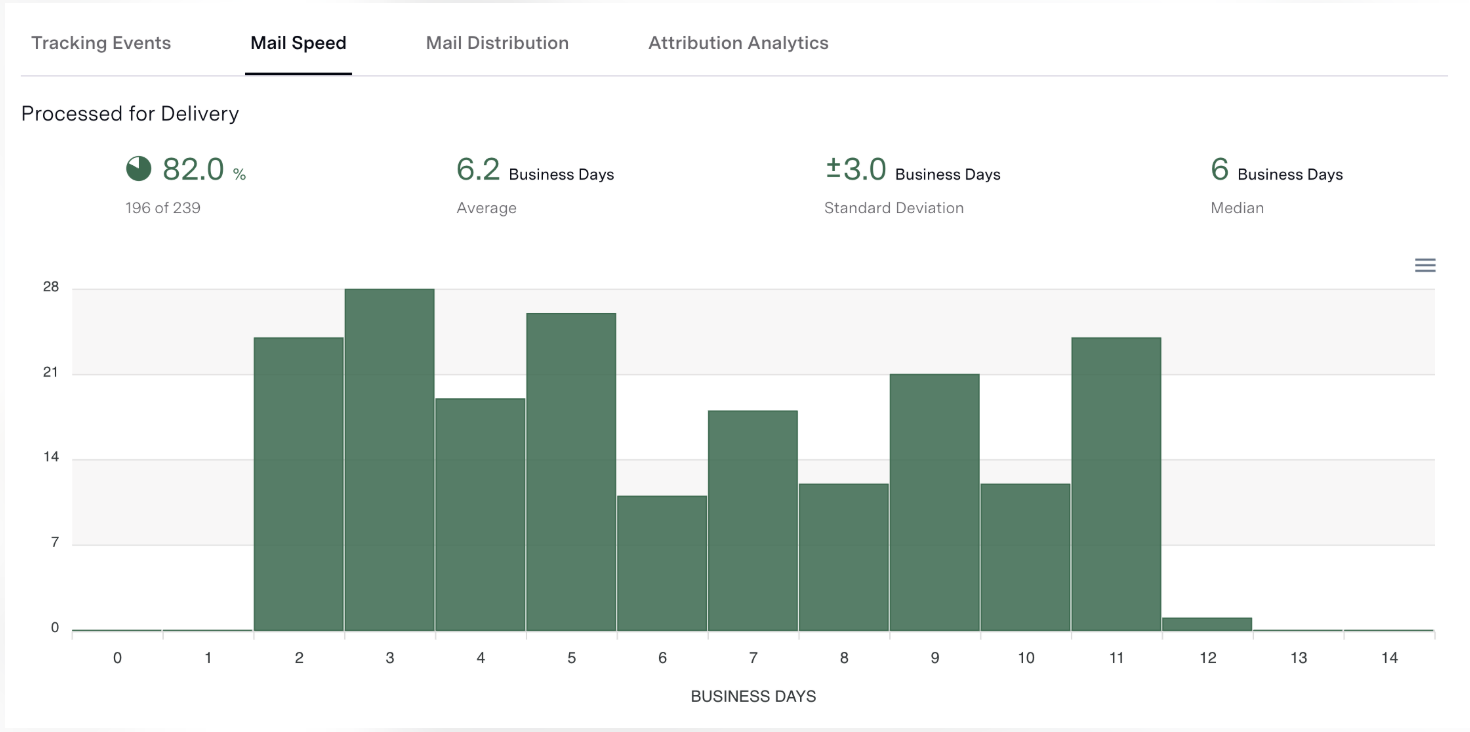 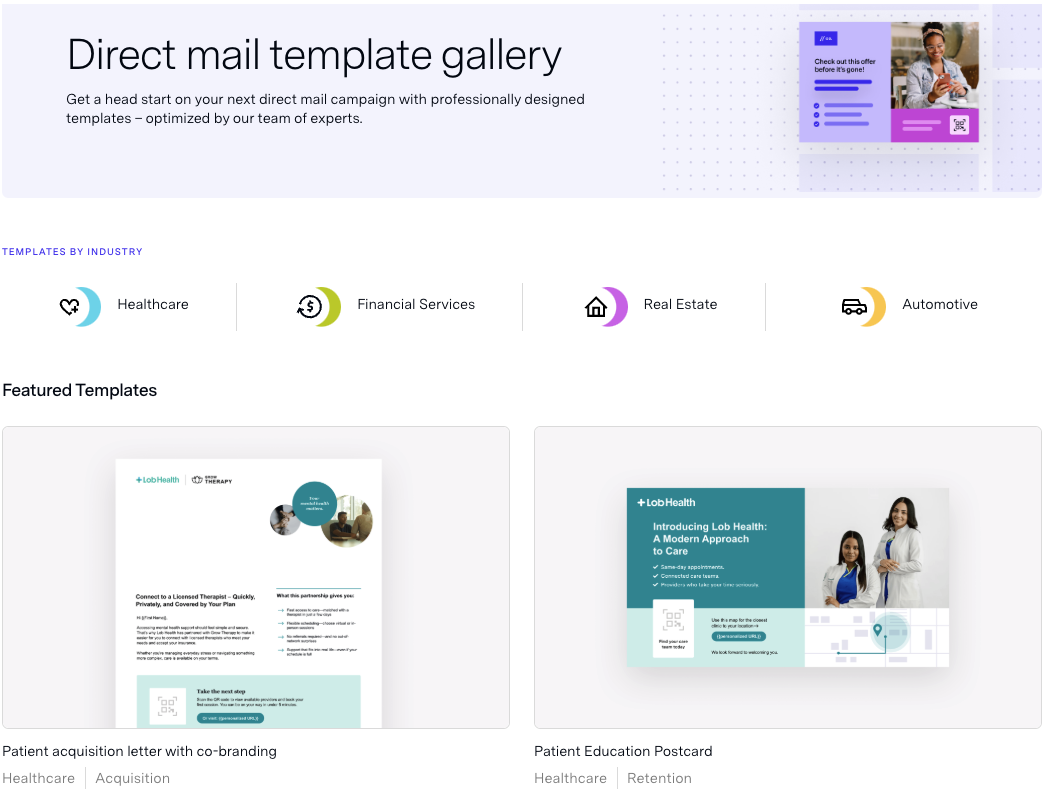 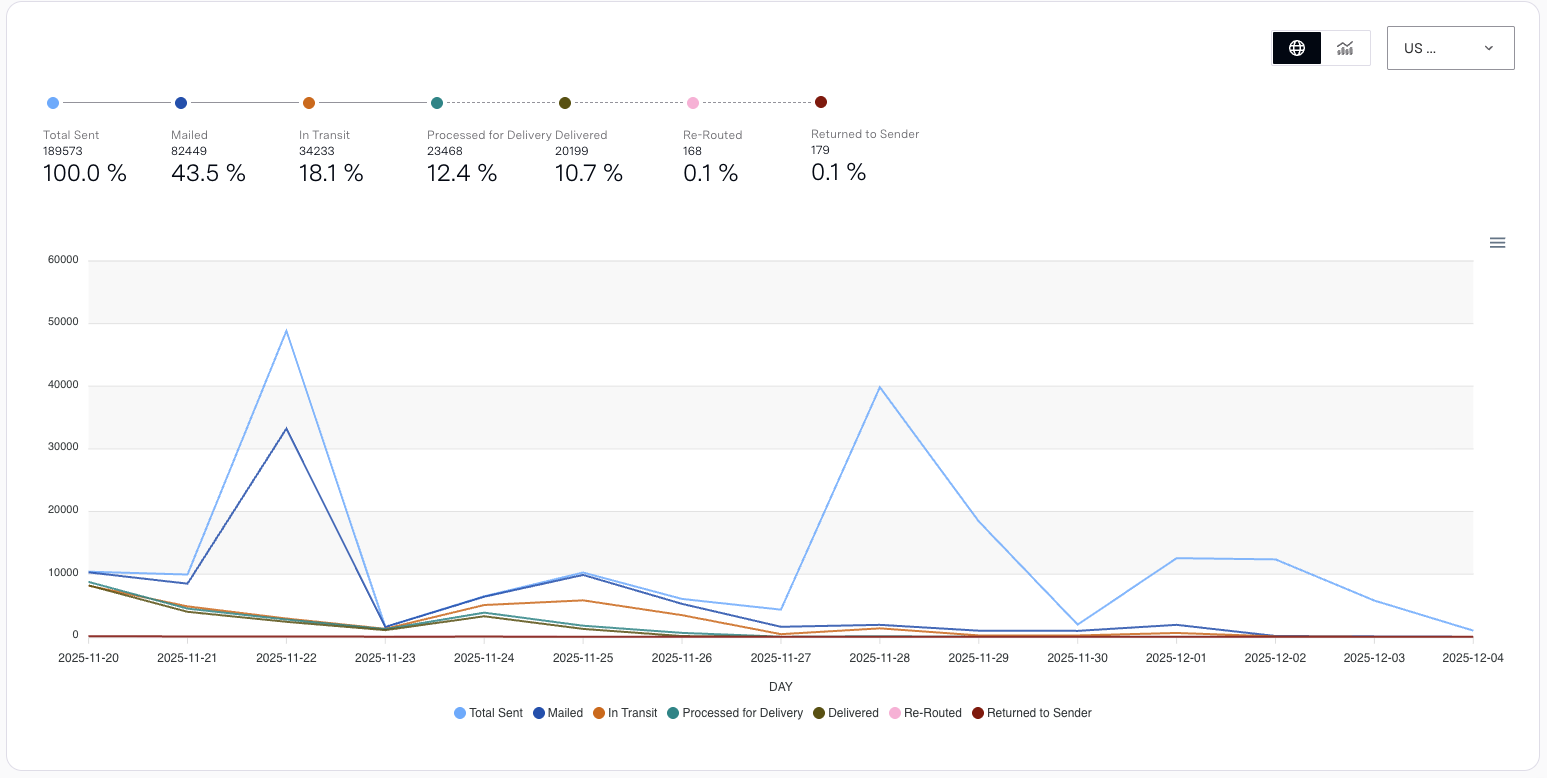 |


