K3s is a lightweight, certified Kubernetes distribution built for IoT & Edge computing, developed by Rancher Labs, which is now supported by SUSE since the 2020 acquisition. K3s is available free and open source under the Apache 2.0 license.
N/A
ServiceMax
Score7.9 out of 10
N/A
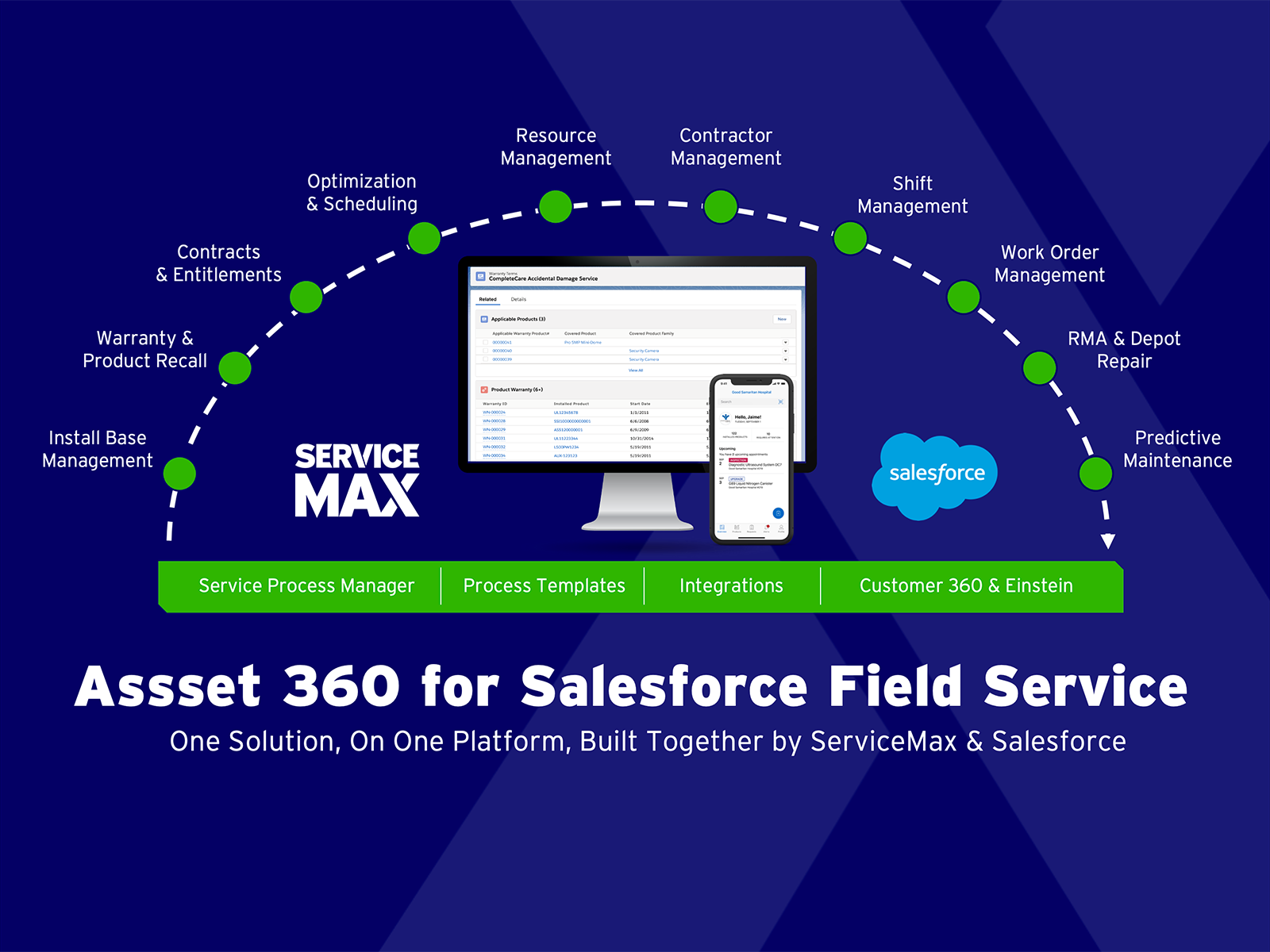
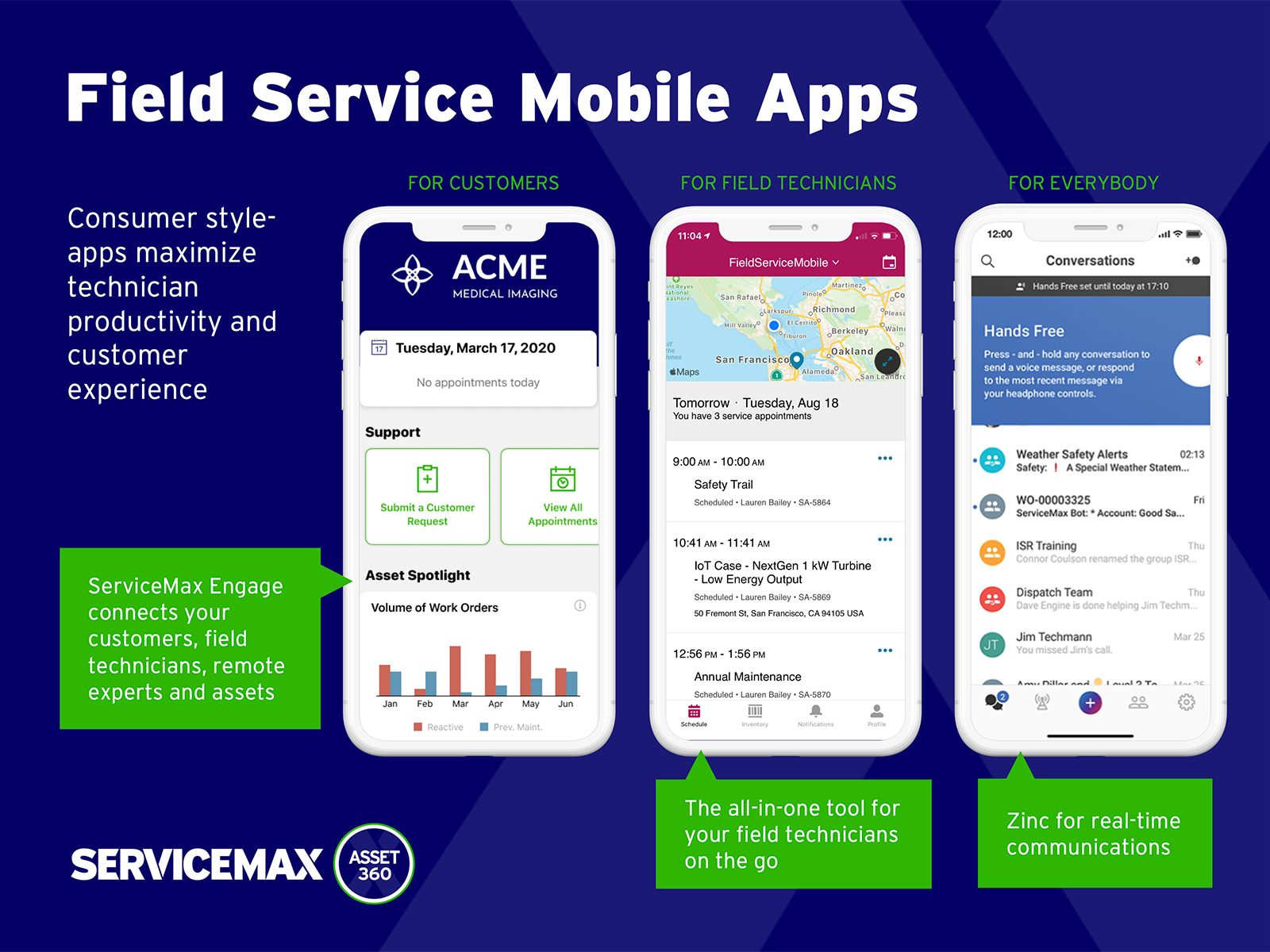
ServiceMax’s mission is to help customers with asset-centric field service management software. ServiceMax’s mobile apps and cloud-based software provide an overview of assets to field service teams. By optimizing field service operations, customers across all industries can better manage the complexities of service, support faster growth and run more profitable, outcome-centric businesses.
$100
per month
Pricing
K3s Lightweight Kubernetes
ServiceMax
Editions & Modules
No answers on this topic
Subscription
$100.00
per month
Offerings
Pricing Offerings
K3s Lightweight Kubernetes
ServiceMax
Free Trial
No
Yes
Free/Freemium Version
No
Yes
Premium Consulting/Integration Services
No
Yes
Entry-level Setup Fee
No setup fee
Required
Additional Details
—
—
More Pricing Information
Features
K3s Lightweight Kubernetes
ServiceMax
Internet of Things
Comparison of Internet of Things features of K3s Lightweight Kubernetes and ServiceMax
K3s Lightweight Kubernetes is well suited for local development. K3s Lightweight Kubernetes is not well suited when you need backward support. In the case that you want to test an application that is still using deprecated APIs or CRDs which are supported on popular managed Cloud Kubernetes Distributions, because K3s Lightweight Kubernetes is trying to be a lightweight application and dropping early support for APIs/CRDs marked for deprication K3s Lightweight Kubernetes will not be a good solution. If you are trying to test Kubernetes etc, functionality, K3s Lightweight Kubernetes is not a good case since it's using Dqlite or SQLite.
A de minimis incentive was given to thank the reviewer for their time. The incentive was not used to bias or drive a particular response, nor was the incentive contingent on a positive endorsement. More Info
Small deployments, where you have some specific need for ServiceMax and absolutely need offline capabilities, and are willing to deal with the problems. Otherwise, you may be better off looking at the built-in Work Orders and field service module that Salesforce is now providing. Their app is direct competition for ServiceMax and integrates much better with cases and knowledge articles.
A de minimis incentive was given to thank the reviewer for their time. The incentive was not used to bias or drive a particular response, nor was the incentive contingent on a positive endorsement. More Info
A de minimis incentive was given to thank the reviewer for their time. The incentive was not used to bias or drive a particular response, nor was the incentive contingent on a positive endorsement. More Info
A de minimis incentive was given to thank the reviewer for their time. The incentive was not used to bias or drive a particular response, nor was the incentive contingent on a positive endorsement. More Info
A de minimis incentive was given to thank the reviewer for their time. The incentive was not used to bias or drive a particular response, nor was the incentive contingent on a positive endorsement. More Info
A de minimis incentive was given to thank the reviewer for their time. The incentive was not used to bias or drive a particular response, nor was the incentive contingent on a positive endorsement. More Info
A de minimis incentive was given to thank the reviewer for their time. The incentive was not used to bias or drive a particular response, nor was the incentive contingent on a positive endorsement. More Info
We have mostly used kind, minikube, and Docker Desktop Kubernetes for local development. Only kind has lower resource requirements, but K3s Lightweight Kubernetes seems to be even lighter. It is a big benefit to be able to deploy a K3s Lightweight Kubernetes cluster in seconds locally in our workstation, there is no cost, and it makes it easy to redeploy from scratch no matter how many times we want. The removal of deprecated APIs or CRDs also makes it more secure since it reduces unnecessarily exposed attack vectors.
A de minimis incentive was given to thank the reviewer for their time. The incentive was not used to bias or drive a particular response, nor was the incentive contingent on a positive endorsement. More Info
ServiceMax has an offline capability, and also integrates with our Salesforce side of business. At the time, Salesforce did not have a field service application so we could not consider it, but if we could now, we would probably go with that instead. ServiceMax is also expensive. But at the time, ServiceMax was the only offering out there that integrated with Salesforce, had mobile offline capability, and could operate at the scale we needed.
A de minimis incentive was given to thank the reviewer for their time. The incentive was not used to bias or drive a particular response, nor was the incentive contingent on a positive endorsement. More Info
A de minimis incentive was given to thank the reviewer for their time. The incentive was not used to bias or drive a particular response, nor was the incentive contingent on a positive endorsement. More Info
ROI for ServiceMax is mostly dependent on how in depth the organization wants the software. Our ROI is expected within the second year of operation due to the complexity of integration and the initial training requirements for in-house programmers.
Inventory control ROI is expected within year three or four due to the number of technicians and creating the foundation of information to import into ServiceMax. Expectations are the front end programming will be complete and our programmers will be better acquainted with the modules and architecture to make the inventory integration smoother than the initial integration.
Our organization has been working with ServiceMax for ten months and beginning to incorporate the financials to the work orders. This process has not been as seamless as once projected and the root causes are under investigation. It appears the original fields available to track time between employees were not in depth nor segregated sufficiently for granularity.
A de minimis incentive was given to thank the reviewer for their time. The incentive was not used to bias or drive a particular response, nor was the incentive contingent on a positive endorsement. More Info