
SAP Data Intelligence vs. SQL Server Integration Services (SSIS) vs. WSO2 Enterprise Integrator
SAP Data Intelligence vs. SQL Server Integration Services (SSIS) vs. WSO2 Enterprise Integrator
| Product | Rating | Most Used By | Product Summary | Starting Price |
|---|---|---|---|---|
 SAP Data Intelligence | N/A | SAP Data Intelligence is presented by the vendor as a single solution to innovate with data. It provides data-driven innovation in the cloud, on premise, and through BYOL deployments. It is described by the vendor as the new evolution of the company's data orchestration and management solution running on Kubernetes, released by SAP in 2017 to deal with big data and complex data orchestration working across distributed landscapes and processing engine. | N/A | |
 SSIS | N/A | Microsoft's SQL Server Integration Services (SSIS) is a data integration solution. | N/A | |
 WSO2 Enterprise Integrator | N/A | WSO2 Enterprise Integrator (WSO2 EI) is an open-source hybrid integration platform providing graphical and CLI tooling, integration runtimes, and monitoring with a variety of deployment options. The integration runtime engine is capable of playing multiple roles in an enterprise architecture. It can act as an ESB, a streaming data processor, and a microservices integrator. Deployment options include on-premises, cloud, hybrid, or a container orchestration platform of choice. | N/A |
| SAP Data Intelligence | SQL Server Integration Services (SSIS) | WSO2 Enterprise Integrator | ||||||||||||||||||||||
|---|---|---|---|---|---|---|---|---|---|---|---|---|---|---|---|---|---|---|---|---|---|---|---|---|
| Editions & Modules | No answers on this topic | No answers on this topic | No answers on this topic | |||||||||||||||||||||
| Offerings |
| |||||||||||||||||||||||
| Entry-level Setup Fee | Optional | No setup fee | No setup fee | |||||||||||||||||||||
| Additional Details | — | — | — | |||||||||||||||||||||
| More Pricing Information | ||||||||||||||||||||||||
| SAP Data Intelligence | SQL Server Integration Services (SSIS) | WSO2 Enterprise Integrator |
|---|
| SAP Data Intelligence | SQL Server Integration Services (SSIS) | WSO2 Enterprise Integrator | |||||||||||||||||||||||
|---|---|---|---|---|---|---|---|---|---|---|---|---|---|---|---|---|---|---|---|---|---|---|---|---|---|
| Data Source Connection |
| ||||||||||||||||||||||||
| Data Transformations |
| ||||||||||||||||||||||||
| Data Modeling |
| ||||||||||||||||||||||||
| Data Governance |
|
| SAP Data Intelligence | SQL Server Integration Services (SSIS) | WSO2 Enterprise Integrator | |
|---|---|---|---|
| Small Businesses | No answers on this topic |  Skyvia Score 10.0 out of 10 | Skyvia Score 10.0 out of 10 |
| Medium-sized Companies | No answers on this topic |  IBM InfoSphere Information Server Score 8.0 out of 10 | IBM InfoSphere Information Server Score 8.0 out of 10 |
| Enterprises |  Oracle GoldenGate Score 8.0 out of 10 | IBM InfoSphere Information Server Score 8.0 out of 10 | IBM InfoSphere Information Server Score 8.0 out of 10 |
| All Alternatives | View all alternatives | View all alternatives | View all alternatives |
| SAP Data Intelligence | SQL Server Integration Services (SSIS) | WSO2 Enterprise Integrator | |
|---|---|---|---|
| Likelihood to Recommend | 8.0 (55 ratings) | 8.0 (54 ratings) | 10.0 (1 ratings) |
| Likelihood to Renew | 8.2 (2 ratings) | 9.0 (4 ratings) | - (0 ratings) |
| Usability | 8.1 (50 ratings) | 8.0 (9 ratings) | - (0 ratings) |
| Performance | - (0 ratings) | 8.8 (6 ratings) | - (0 ratings) |
| Support Rating | 6.9 (47 ratings) | 8.0 (8 ratings) | - (0 ratings) |
| Implementation Rating | - (0 ratings) | 10.0 (2 ratings) | - (0 ratings) |
| Configurability | 8.2 (1 ratings) | - (0 ratings) | - (0 ratings) |
| Vendor post-sale | 9.1 (1 ratings) | - (0 ratings) | - (0 ratings) |
| Vendor pre-sale | 9.1 (1 ratings) | - (0 ratings) | - (0 ratings) |
| SAP Data Intelligence | SQL Server Integration Services (SSIS) | WSO2 Enterprise Integrator | |
|---|---|---|---|
| Likelihood to Recommend | SAP
|  Microsoft
|  WSO2
|
| Pros | SAP
 David Bertsche Senior Data Scientist | Microsoft
 Vishal Shah Data Engineer, Product Analytics | WSO2
|
| Cons | SAP
| Microsoft
| WSO2
|
| Likelihood to Renew | SAP
 Manoj Das Business Intelligence Specialist | Microsoft
 Luca Campanelli Database Administrator | WSO2 No answers on this topic |
| Usability | SAP
| Microsoft
| WSO2 No answers on this topic |
| Performance | SAP No answers on this topic | Microsoft
| WSO2 No answers on this topic |
| Support Rating | SAP
| Microsoft
 Chris Morgan Chemist, LIMS Specialist | WSO2 No answers on this topic |
| Implementation Rating | SAP No answers on this topic | Microsoft
Luca Campanelli Database Administrator | WSO2 No answers on this topic |
| Alternatives Considered | SAP
 Yeo Sueiro Lee Lead Software Test Engineer | Microsoft
| WSO2
|
| Return on Investment | SAP
 Emily Barkley Human Resources Director | Microsoft
| WSO2
|
| ScreenShots | SAP Data Intelligence Screenshots  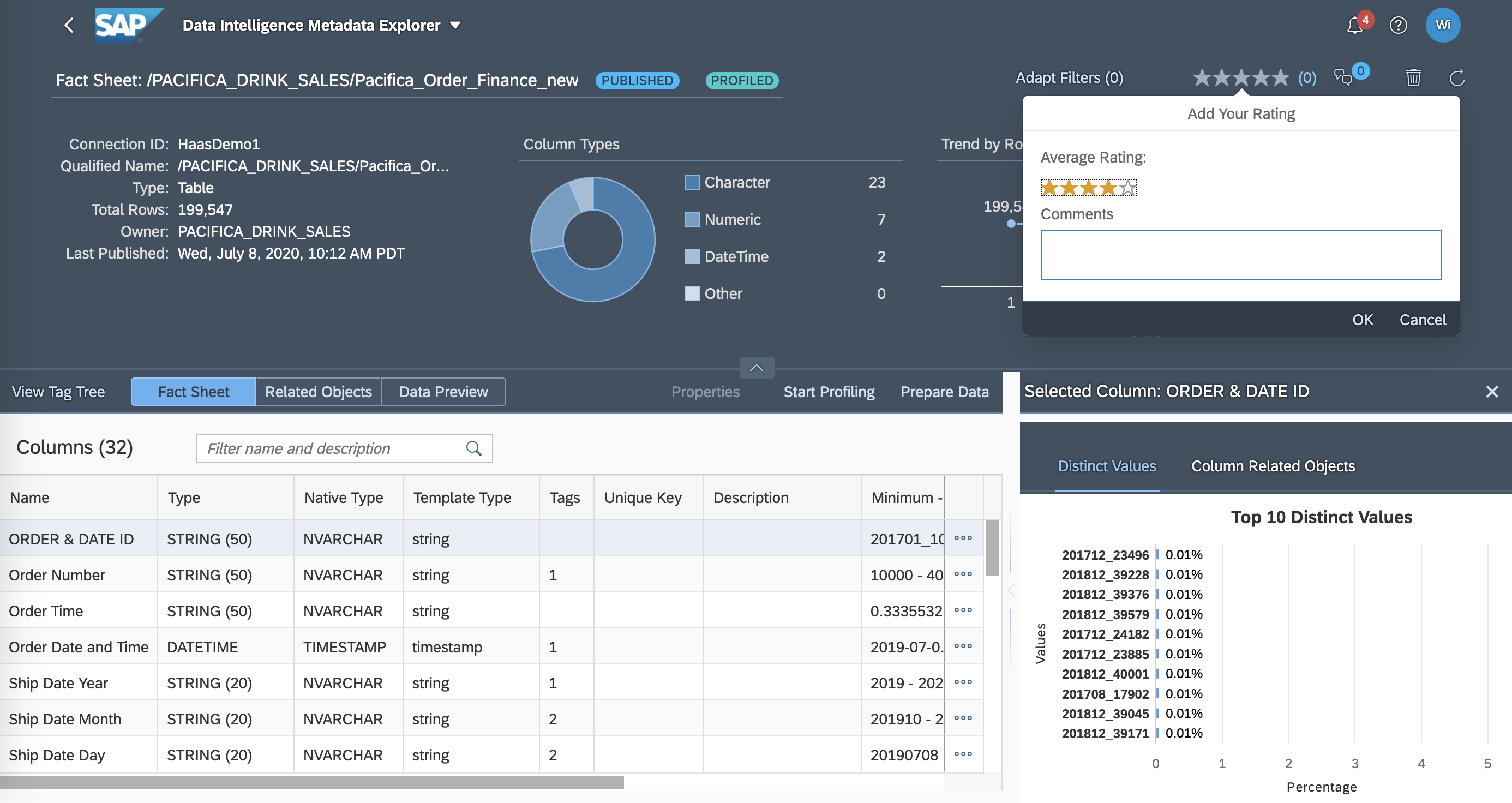 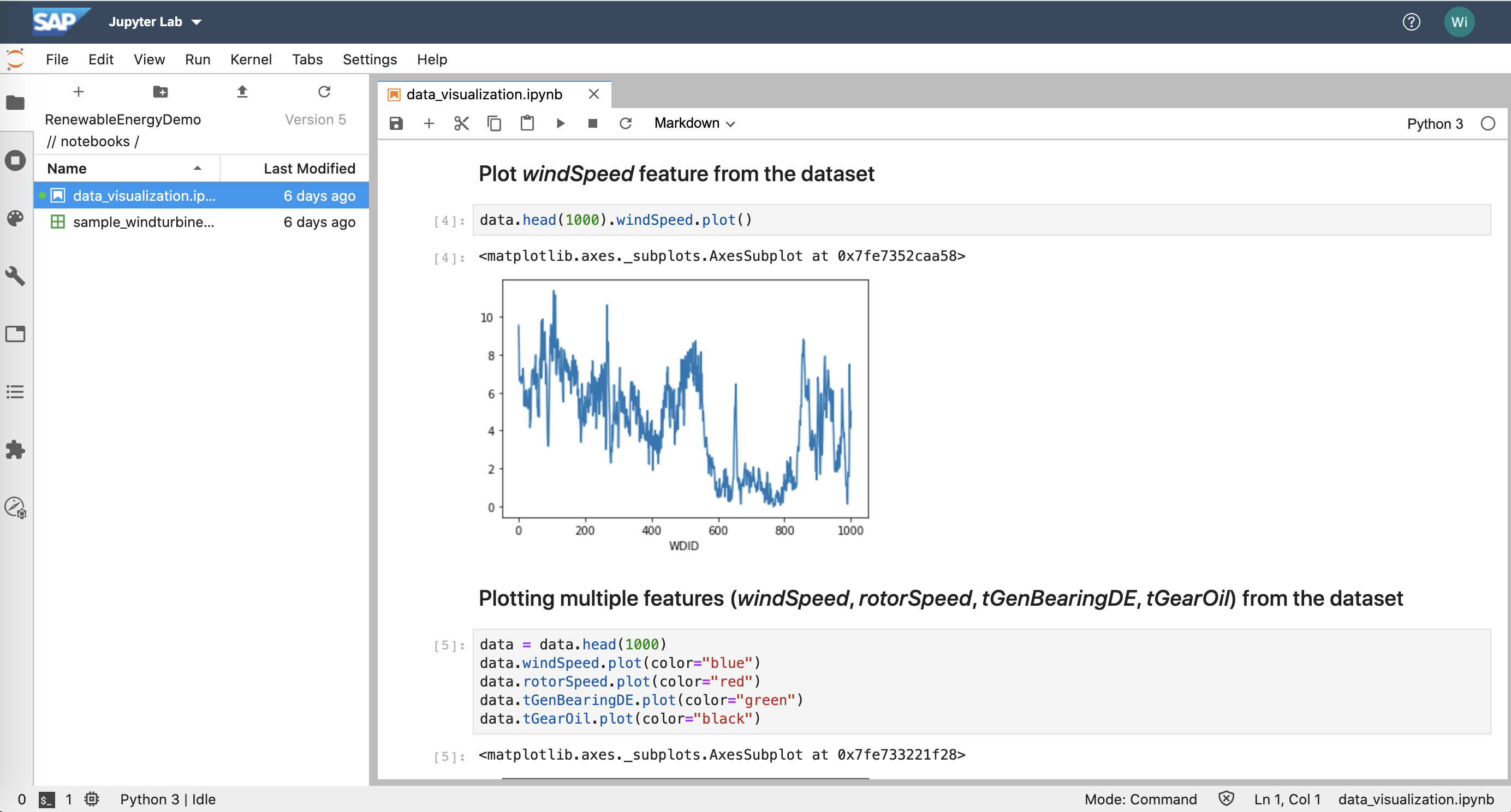   |