
Serverless360 vs. Splunk Observability Cloud
| Product | Rating | Most Used By | Product Summary | Starting Price |
|---|---|---|---|---|
 Serverless360 | Score10 out of 10 | Enterprise companies (1,001+ employees) | Serverless360 is a platform to manage and monitor Azure Serverless components related to enterprise integration. In a real-time scenario, the integrated cloud applications are not built with a single technology stack, it typically involves at least 3 or 4 different Azure Services. Currently, Azure Portal is designed more on vertical technology silos and it's difficult to visualize and manage such connected solutions. So Serverless360 is presented by the vendor as a tool that users can depend on… | N/A |
 Splunk Observability Cloud | Score8.5 out of 10 | N/A | Splunk Observability Cloud aims to enable operational agility and better customer experience through real-time AI-driven streaming analytics allowing accurate alerts in seconds. It is designed to shorten MTTD and MTTR by providing real-time visibility into cloud infrastructure and services. | $180 per year per host |
| Serverless360 | Splunk Observability Cloud | |||||||||||||||
|---|---|---|---|---|---|---|---|---|---|---|---|---|---|---|---|---|
| Editions & Modules | No answers on this topic |
| ||||||||||||||
| Offerings |
| |||||||||||||||
| Entry-level Setup Fee | No setup fee | No setup fee | ||||||||||||||
| Additional Details | — | — | ||||||||||||||
| More Pricing Information | ||||||||||||||||
| Serverless360 | Splunk Observability Cloud | |
|---|---|---|
| Considered Both Products | No answer on this topic | No answer on this topic |
| Key User Insights | ||
| Would buy again | ||
100% Would buy again 7 Answers | 95% Would buy again 55 Answers | |
| Delivers good value for the price | ||
100% Delivers good value for the price 7 Answers | 94% Delivers good value for the price 48 Answers | |
| Happy with the feature set | ||
100% Happy with the feature set 7 Answers | 98% Happy with the feature set 57 Answers | |
| Lived up to sales and marketing promises | ||
100% Lived up to sales and marketing promises 7 Answers | 97% Lived up to sales and marketing promises 31 Answers | |
| Implementation went as expected | ||
100% Implementation went as expected 7 Answers | 98% Implementation went as expected 45 Answers | |
| Serverless360 | Splunk Observability Cloud | |||||||||||||||||||
|---|---|---|---|---|---|---|---|---|---|---|---|---|---|---|---|---|---|---|---|---|
| Cloud Management |
| |||||||||||||||||||
| Serverless360 | Splunk Observability Cloud | |
|---|---|---|
| Small Businesses |  Rackspace Fabric Score6.3 out of 10 |  Amazon CloudWatch Score7.6 out of 10 |
| Medium-sized Companies |  IBM Turbonomic Score8.6 out of 10 |  LogicMonitor Score8.9 out of 10 |
| Enterprises | IBM Turbonomic Score8.6 out of 10 |  ManageEngine Site24x7 Score10 out of 10 |
| All Alternatives | View all alternatives | View all alternatives |
| Serverless360 | Splunk Observability Cloud | |
|---|---|---|
| Likelihood to Recommend | 10.0 | 7.8 |
| Likelihood to Renew | - | 9.0 |
| Usability | 10.0 | 7.6 |
| Support Rating | - | 10.0 |
| Implementation Rating | - | 10.0 |
| Serverless360 | Splunk Observability Cloud | |
|---|---|---|
| Likelihood to Recommend |
|
|
| Pros |
|
|
| Cons |
|
|
| Likelihood to Renew | No answers on this topic |
|
| Usability |
|
|
| Support Rating | No answers on this topic |
|
| Implementation Rating | No answers on this topic |
|
| Alternatives Considered |
|
|
| Return on Investment |
|
|
| ScreenShots | Serverless360 Screenshots 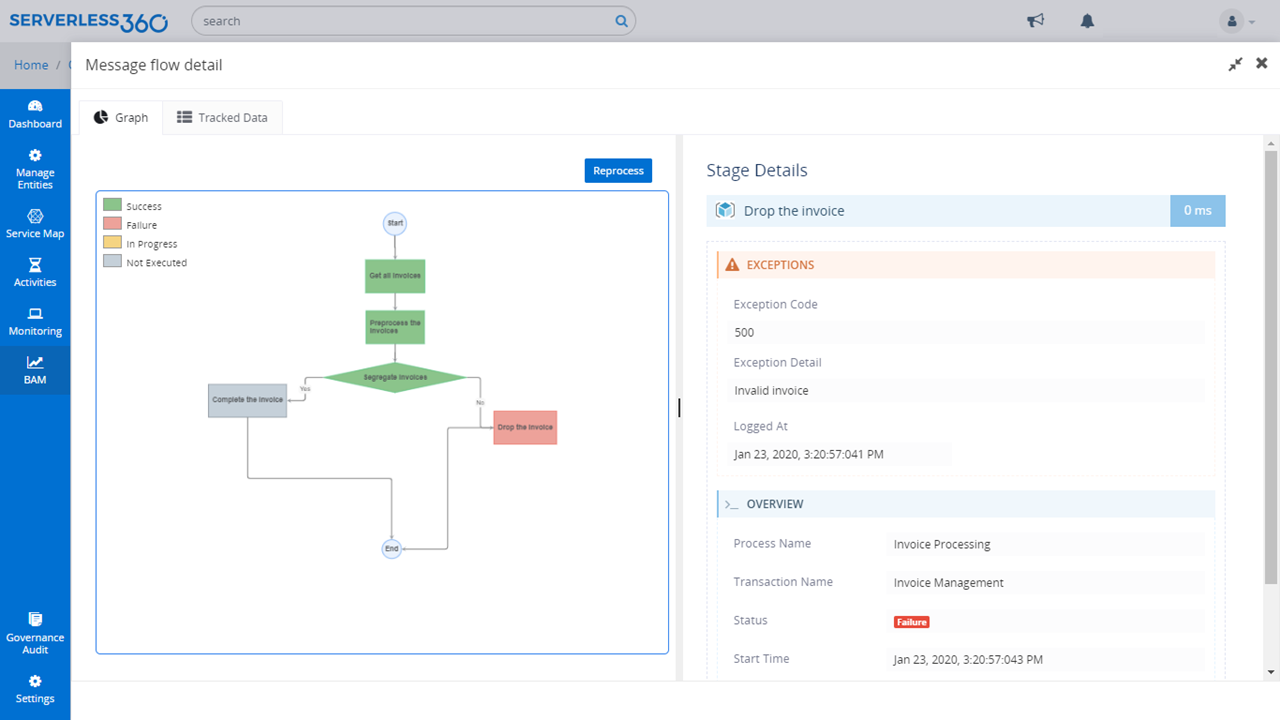    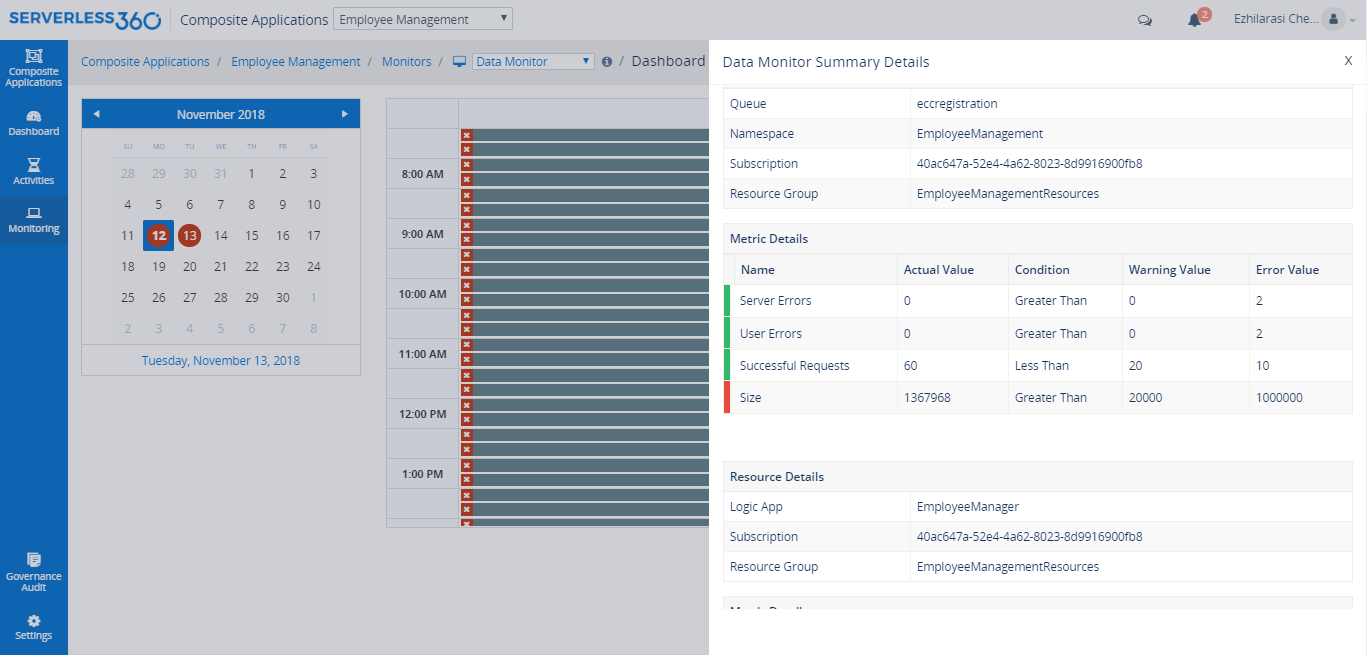 | Splunk Observability Cloud Screenshots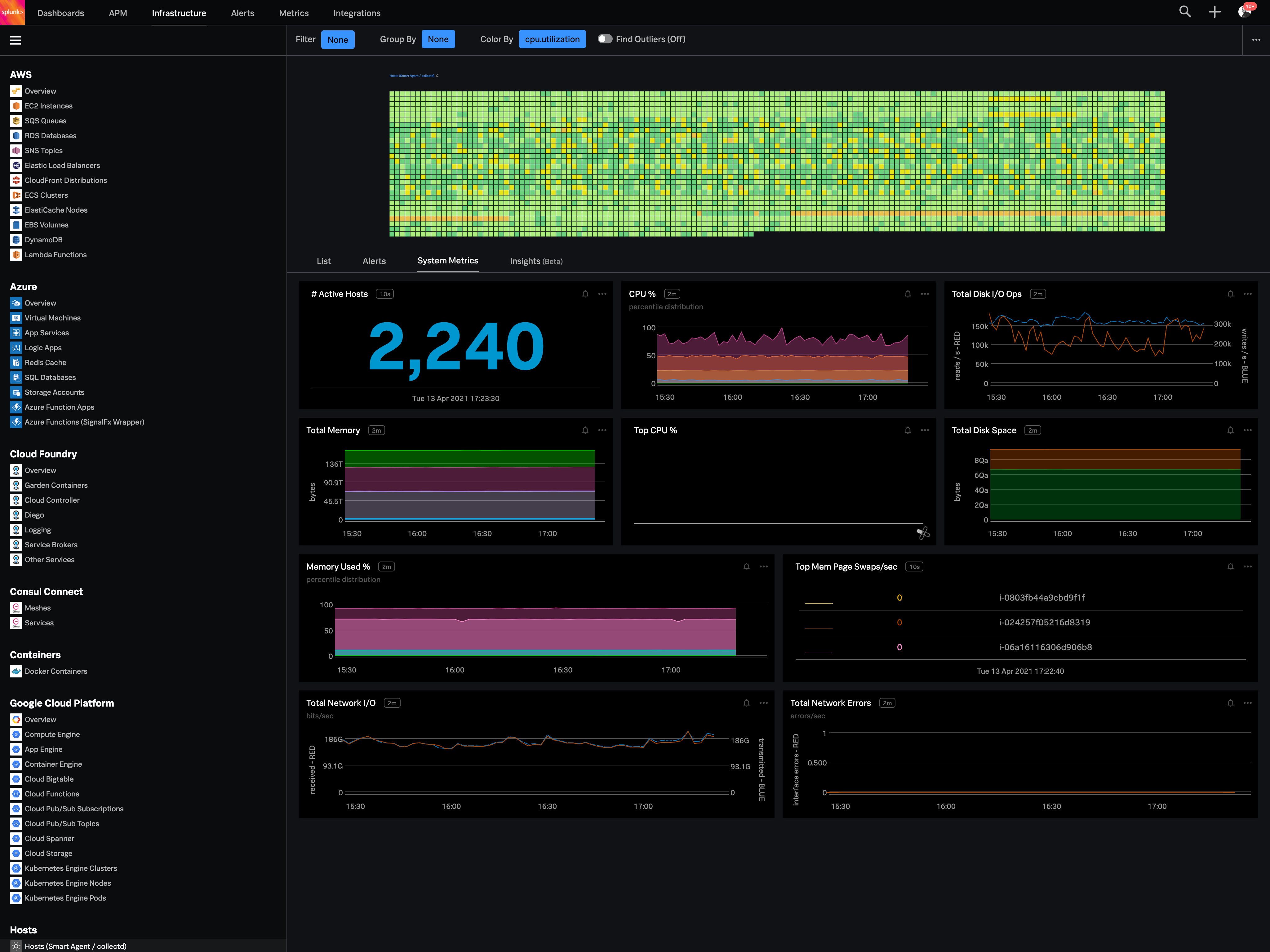 |


