
SolarWinds Log Analyzer (LA) vs. Sumo Logic
| Product | Rating | Most Used By | Product Summary | Starting Price |
|---|---|---|---|---|
 SolarWinds Log Analyzer (LA) | Score8.2 out of 10 | N/A | SolarWinds Log Analyzer is log management and analysis tool, designed to fully integrate with the Orion Platform. With real-time log collection, analysis, and visualization, it enables visibility into the performance and availability of the monitored IT infrastructure. According to the vendor, key feature and business benefits include: Log and event collection and analysis Any infrastructure is constantly generating log data to provide performance… | N/A |
 Sumo Logic | Score8.9 out of 10 | N/A | Sumo Logic is a log management offering from the San Francisco based company of the same name. | $3 Per GB Logs |
| SolarWinds Log Analyzer (LA) | Sumo Logic | |||||||||||||||
|---|---|---|---|---|---|---|---|---|---|---|---|---|---|---|---|---|
| Editions & Modules | No answers on this topic |
| ||||||||||||||
| Offerings |
| |||||||||||||||
| Entry-level Setup Fee | No setup fee | No setup fee | ||||||||||||||
| Additional Details | — | — | ||||||||||||||
| More Pricing Information | ||||||||||||||||
| SolarWinds Log Analyzer (LA) | Sumo Logic | |
|---|---|---|
| Considered Both Products | No answer on this topic | No answer on this topic |
| Key User Insights | ||
| Would buy again | ||
No answers on this topic | 89% Would buy again 8 Answers | |
| Delivers good value for the price | ||
No answers on this topic | 100% Delivers good value for the price 9 Answers | |
| Happy with the feature set | ||
No answers on this topic | 89% Happy with the feature set 8 Answers | |
| Lived up to sales and marketing promises | ||
No answers on this topic | No answers on this topic | |
| Implementation went as expected | ||
No answers on this topic | 100% Implementation went as expected 6 Answers | |
| SolarWinds Log Analyzer (LA) | Sumo Logic | |
|---|---|---|
| Small Businesses |  SolarWinds Papertrail Score8.9 out of 10 | No answers on this topic |
| Medium-sized Companies | SolarWinds Kiwi Syslog Server Score8.1 out of 10 |  IBM Security QRadar SIEM Score8.9 out of 10 |
| Enterprises |  SolarWinds Loggly Score7.7 out of 10 |  SolarWinds Security Event Manager (SEM) Score8 out of 10 |
| All Alternatives | View all alternatives | View all alternatives |
| SolarWinds Log Analyzer (LA) | Sumo Logic | |
|---|---|---|
| Likelihood to Recommend | 9.0 | 9.7 |
| Usability | - | 9.0 |
| Support Rating | - | 8.7 |
| Implementation Rating | - | 9.0 |
| Professional Services | - | 6.2 |
| SolarWinds Log Analyzer (LA) | Sumo Logic | |
|---|---|---|
| Likelihood to Recommend |
|
|
| Pros |
|
|
| Cons |
|
|
| Usability | No answers on this topic |
|
| Support Rating | No answers on this topic |
|
| Implementation Rating | No answers on this topic |
|
| Alternatives Considered |
|
|
| Professional Services | No answers on this topic |
|
| Return on Investment |
|
|
| ScreenShots | SolarWinds Log Analyzer (LA) Screenshots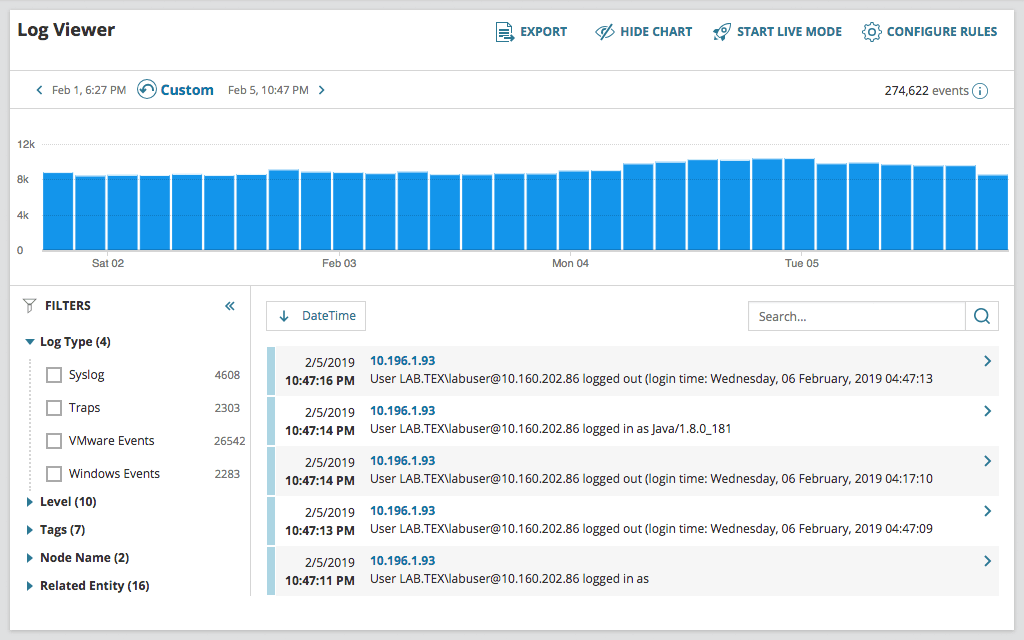    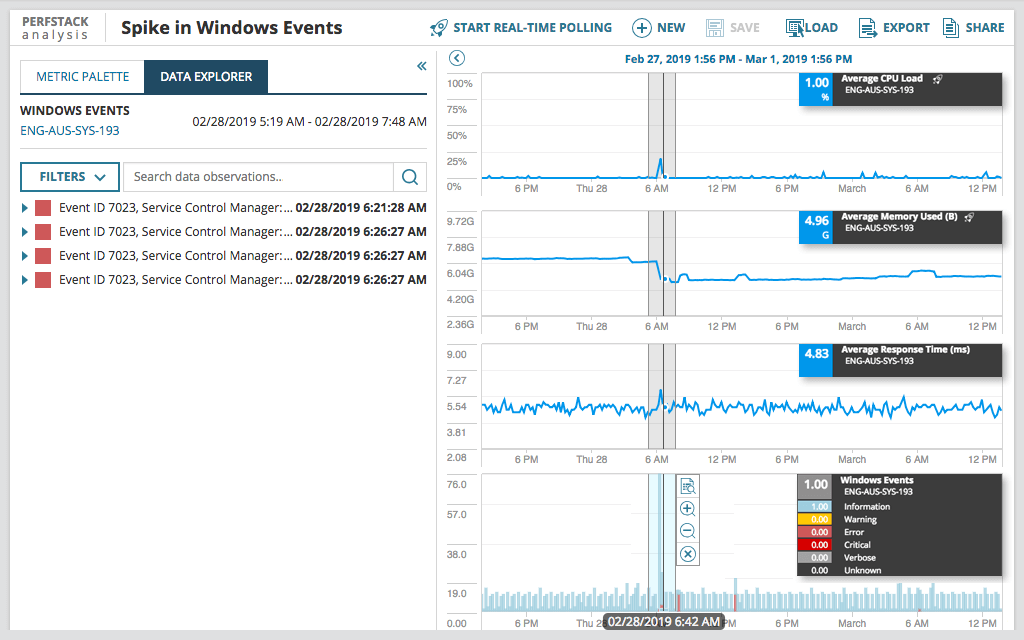  |


