
TrustRadius: an HG Insights company

Cisco UCS Series

Score9.2 out of 10

160 Reviews and Ratings

What is Cisco UCS Series?

The Cisco UCS Series is a modular, high-density, high-availability, dual-node storage- optimized server suited for service providers, enterprises, and industry-specific environments. It provides dense, cost-effective storage to address your ever-growing data needs. Designed for a new class of data-intensive workloads, it is simple to deploy and excellent for applications for big data, data protection, software-defined storage environments, scale-out unstructured data repositories, media streaming, and content distribution.

Categories & Use Cases

Media

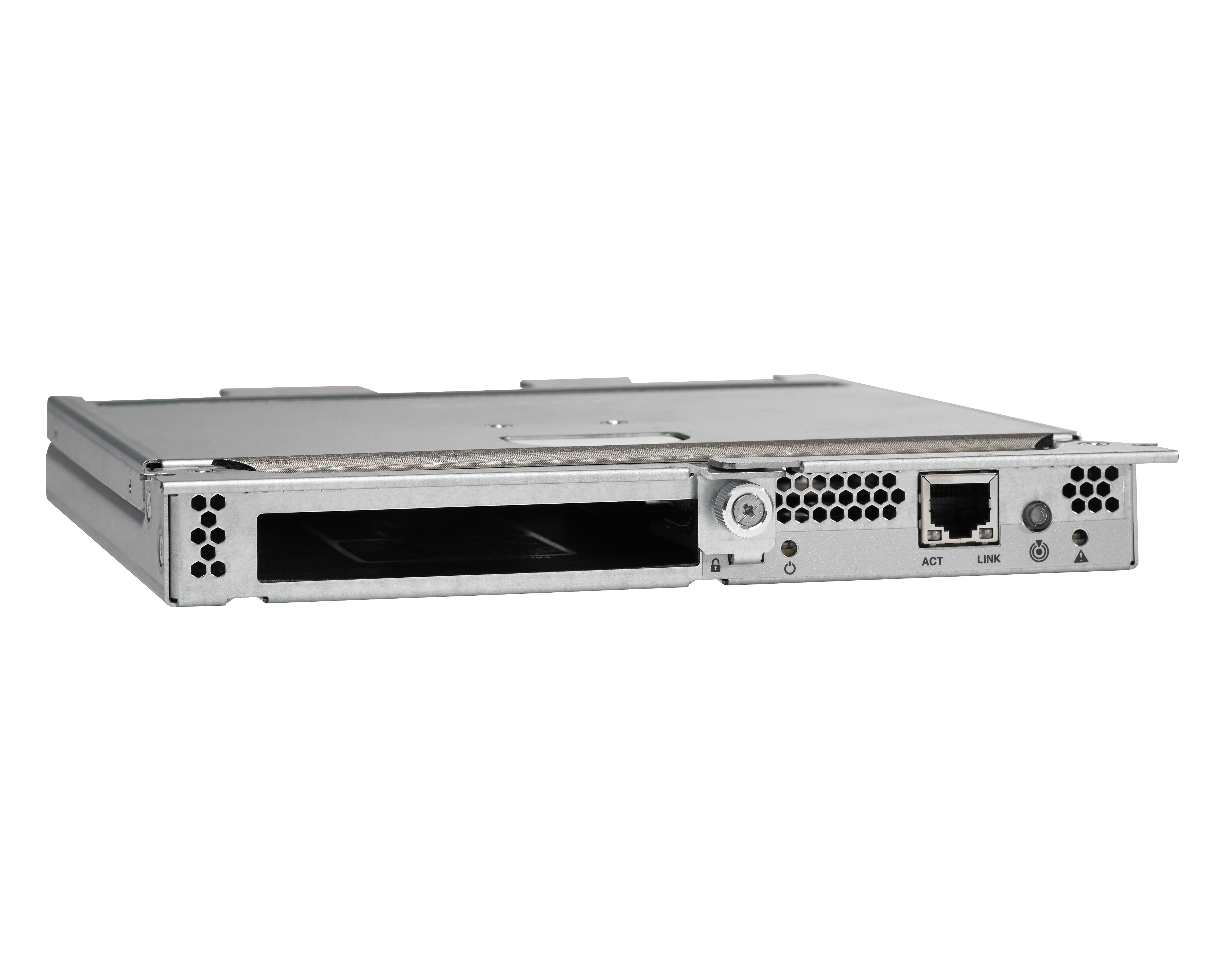
Screenshot of Cisco System I/O Controller
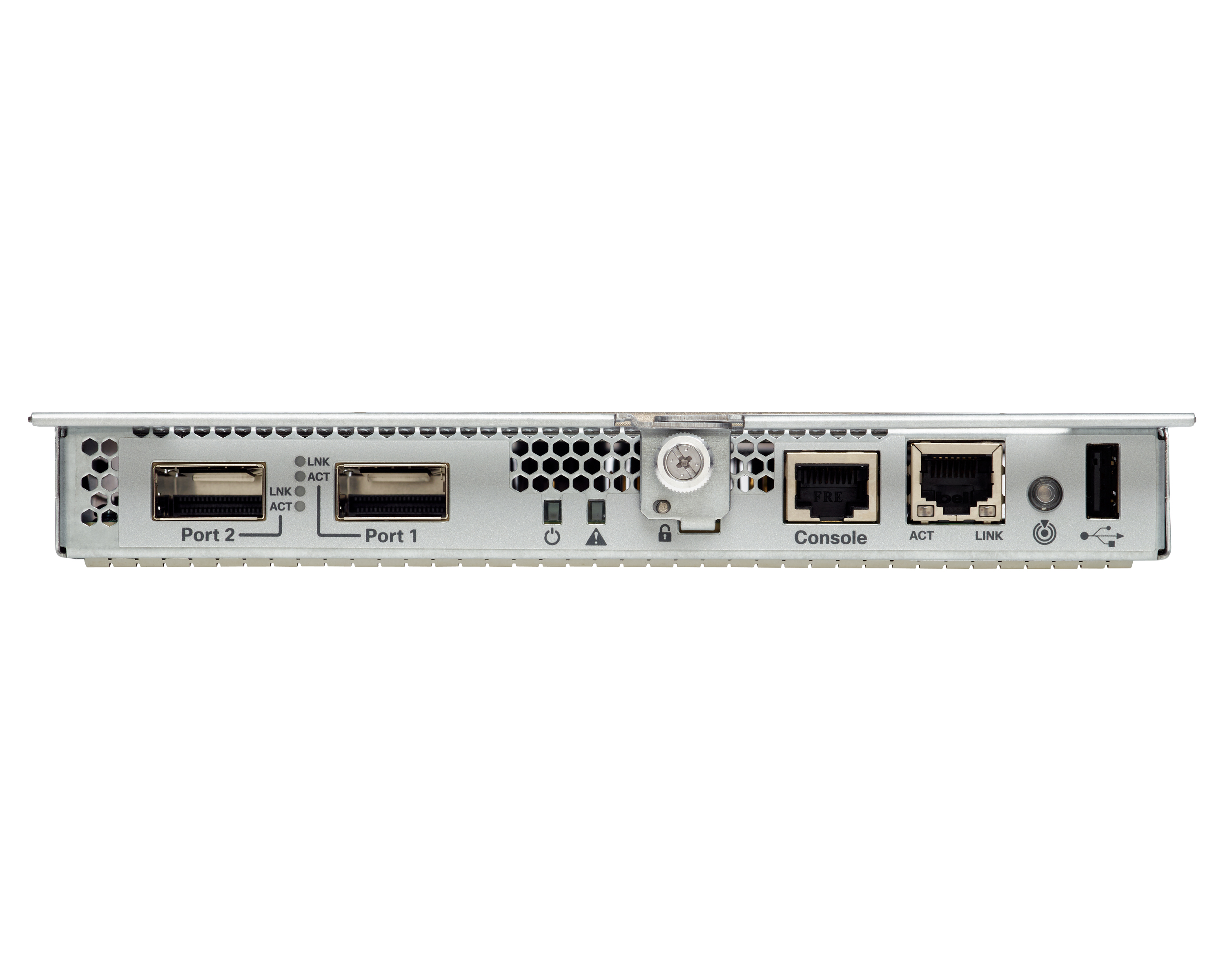
Screenshot of Cisco UCS S3260 System I/O Controller
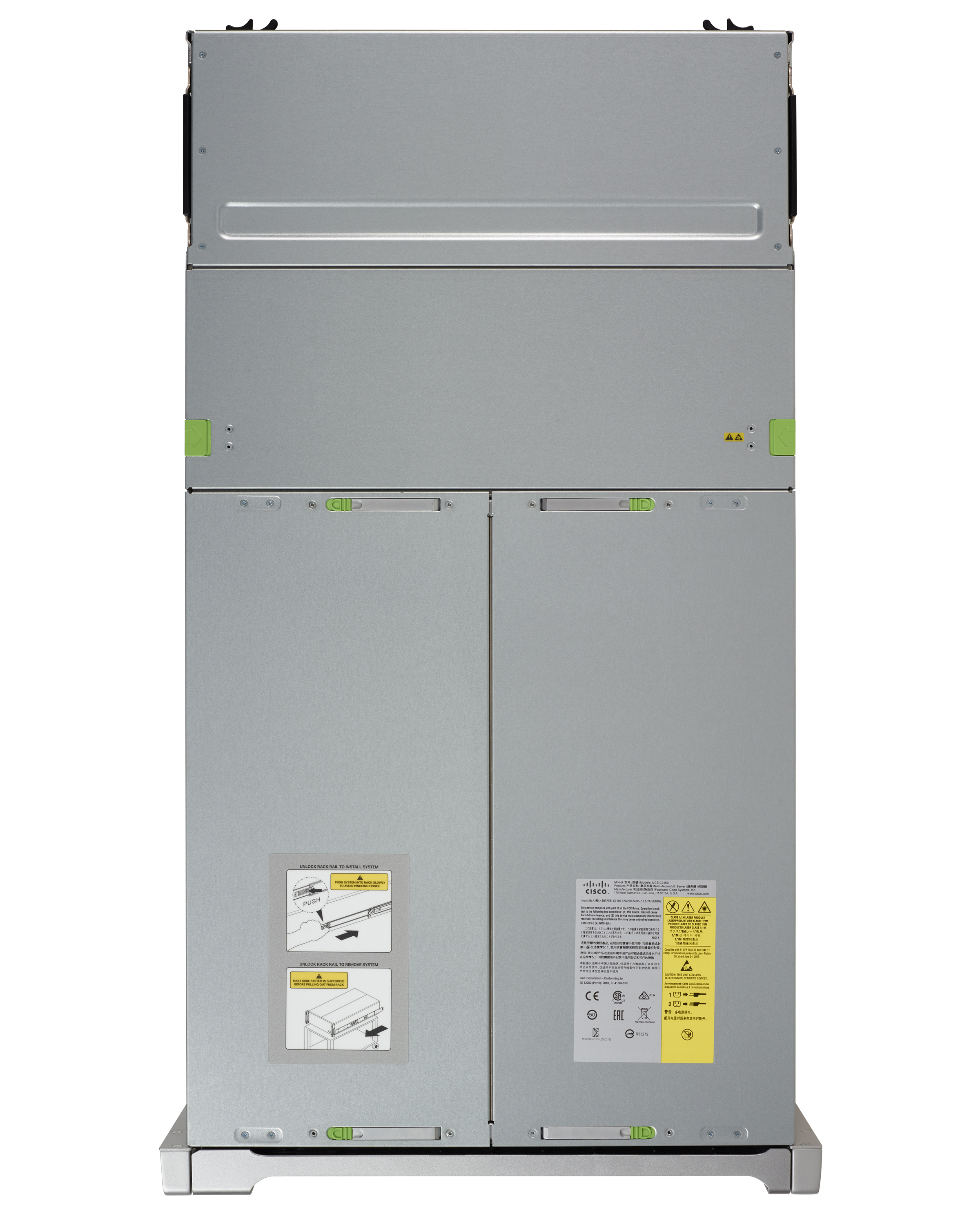
Screenshot of Cisco UCS S3260 Base Chassis
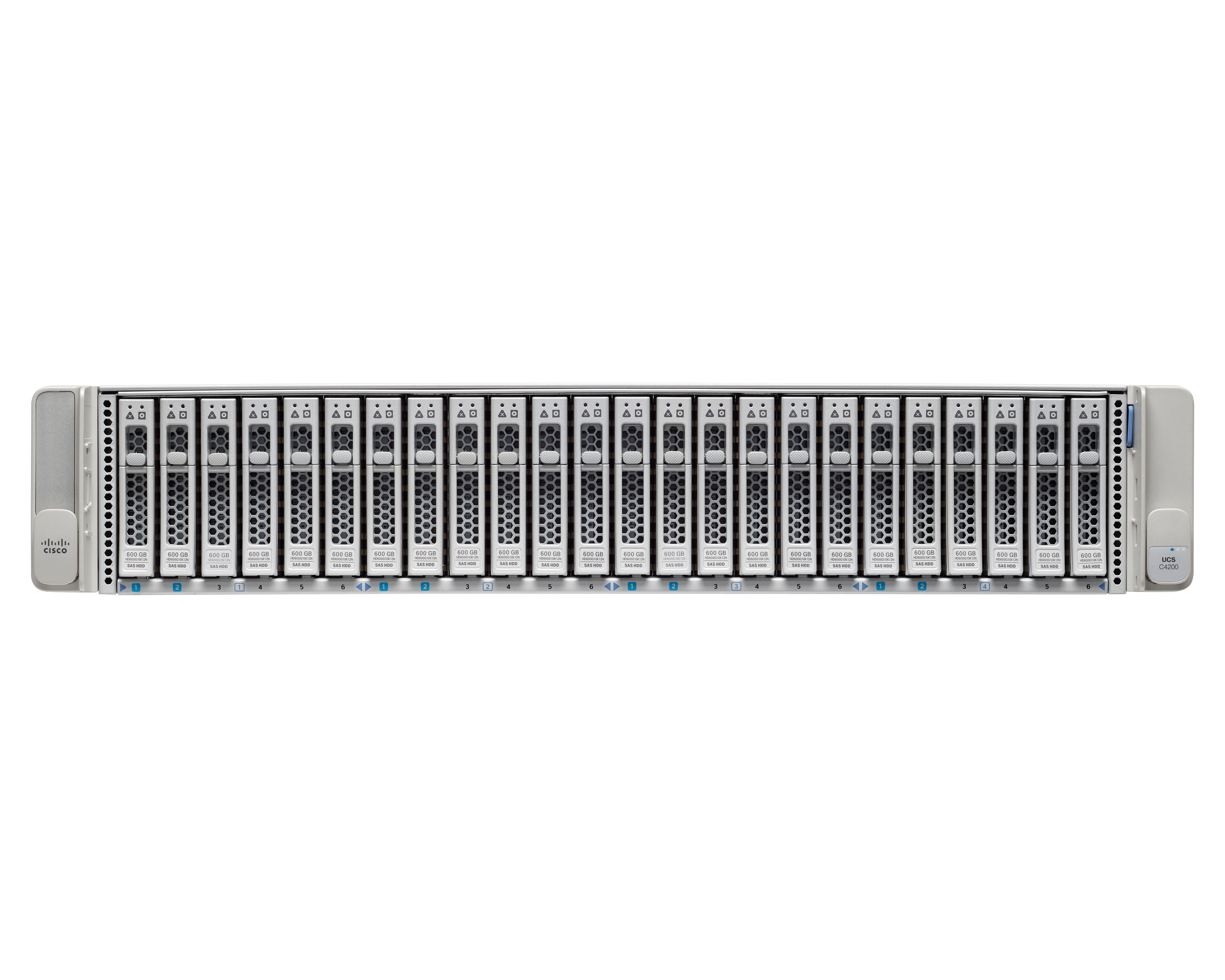
Screenshot of Cisco UCS C4200 Series Rack Server Chassis
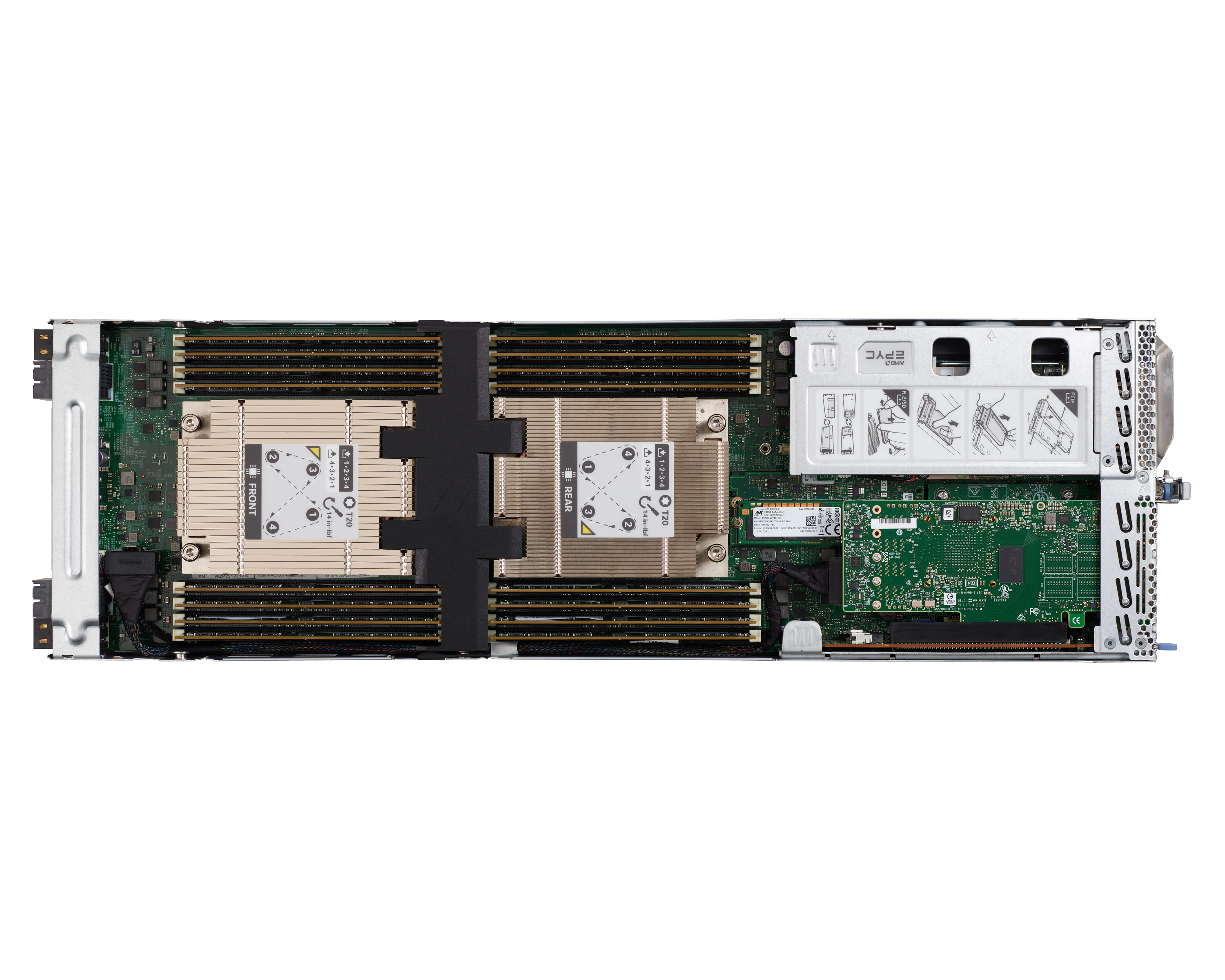
Screenshot of Cisco UCS C125 M5 Rack Server Node
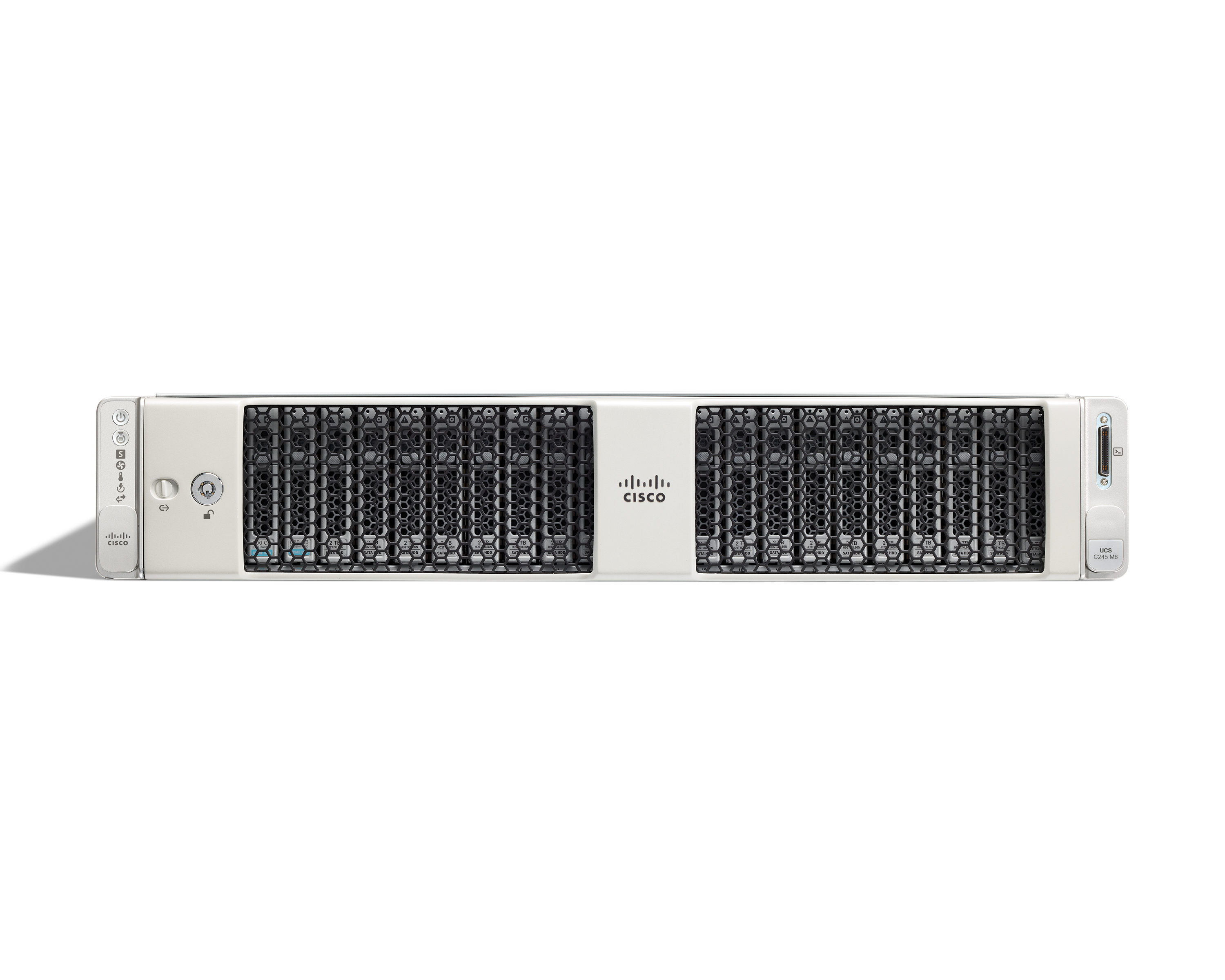
Screenshot of UCSC-C245-M8SX Rack Server
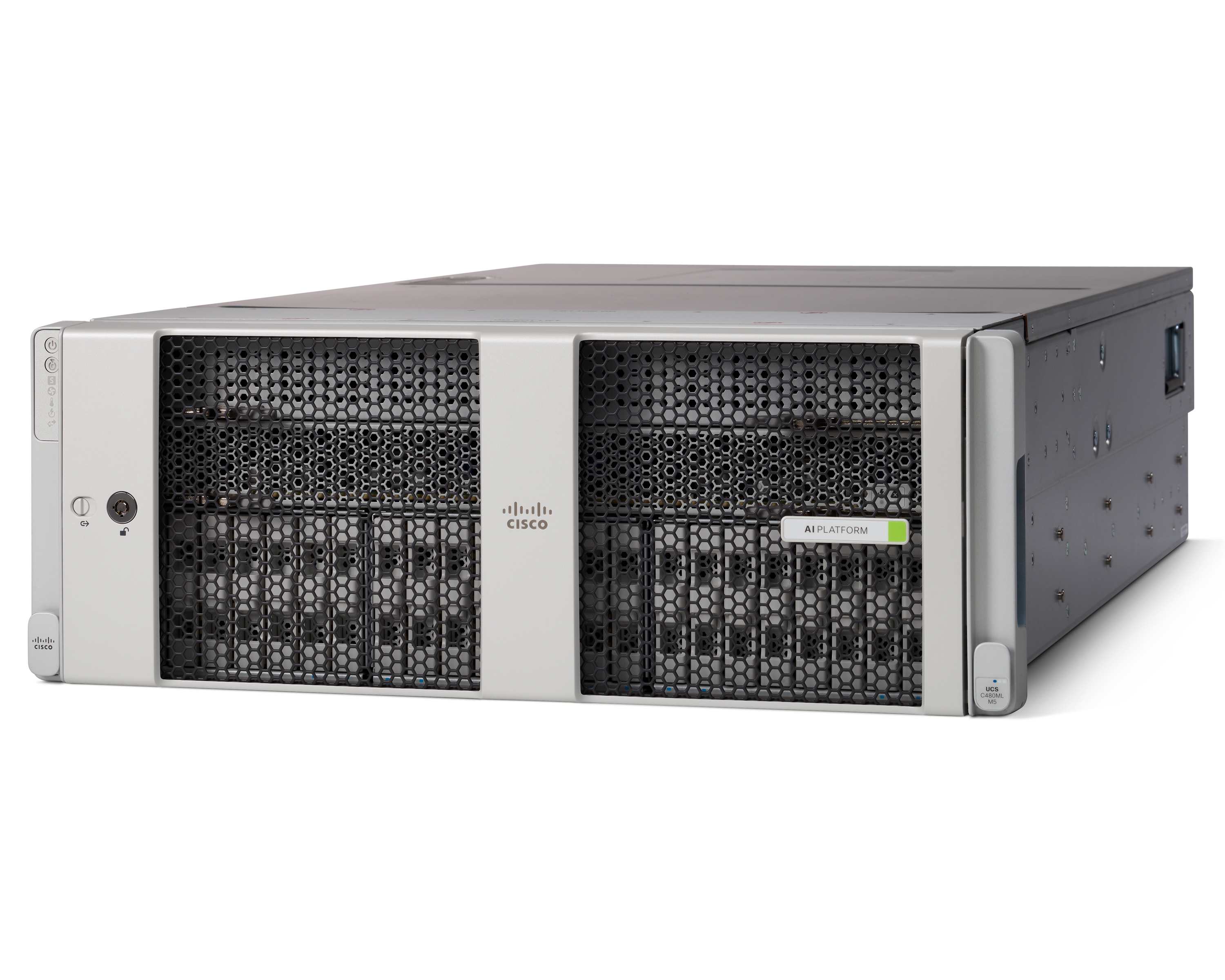
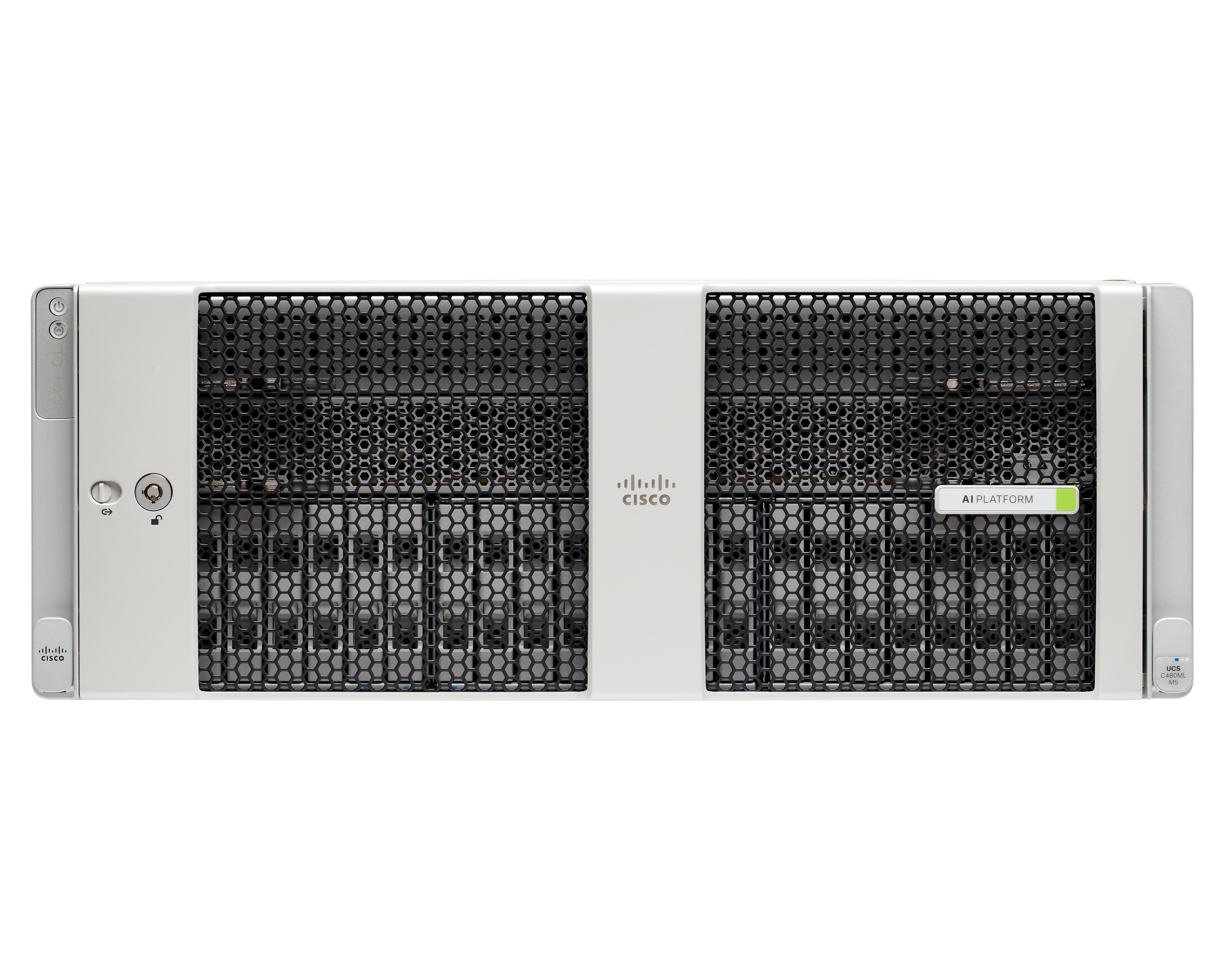
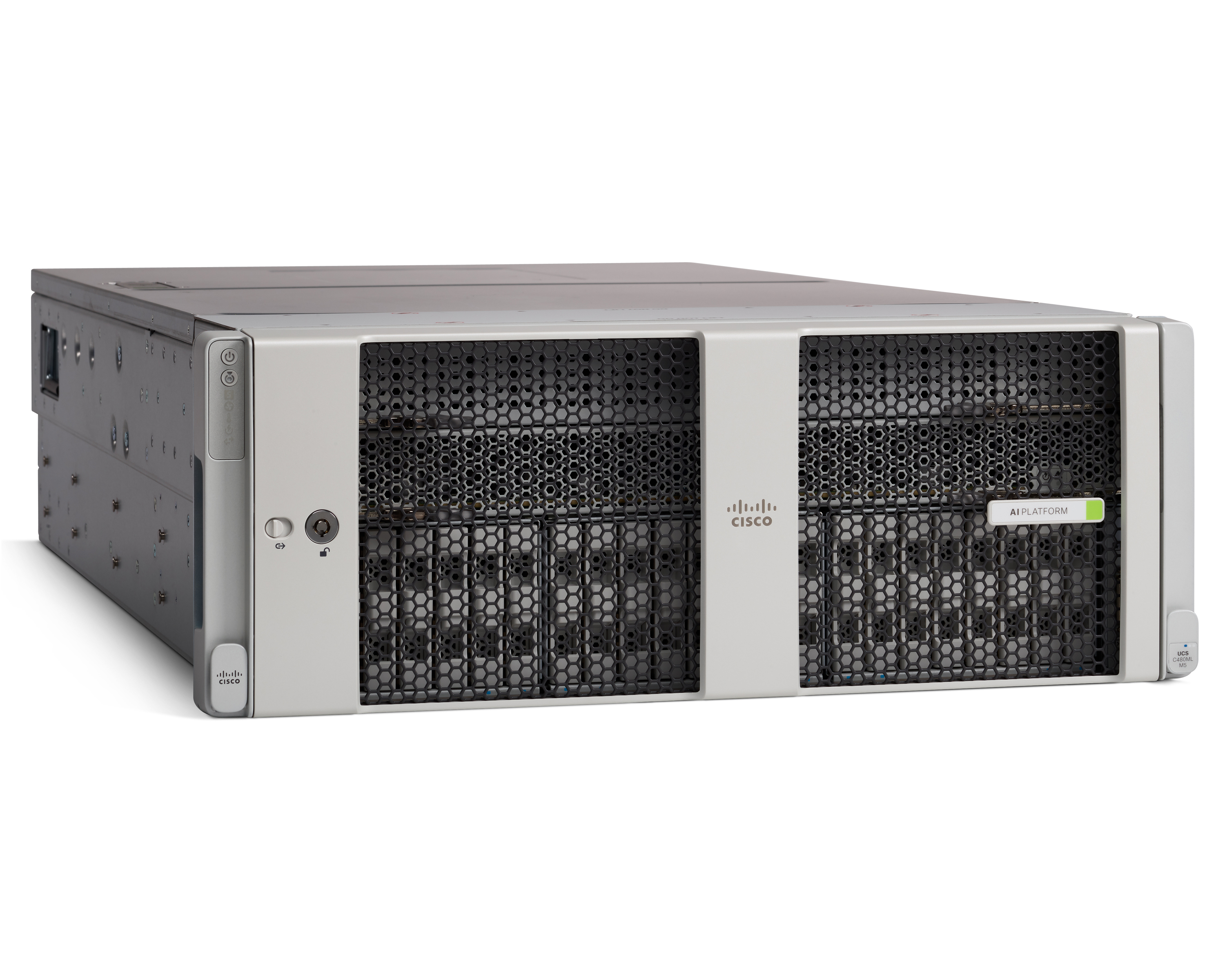
Screenshot of UCS C480 ML M5 Server, Bezel On
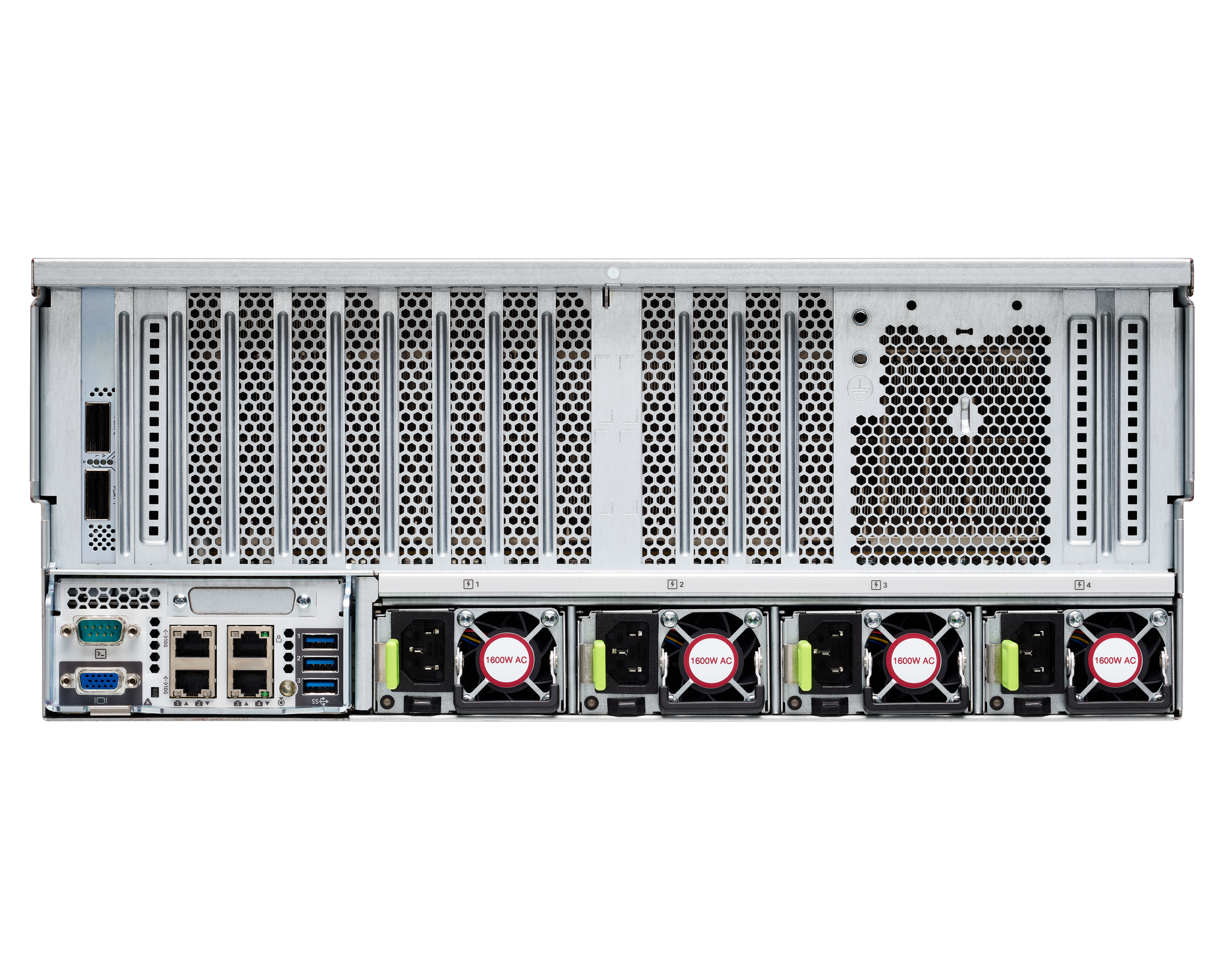
Screenshot of UCS C480 ML M5 Server
Screenshot of UCSX-210C-M6-U Compute Node
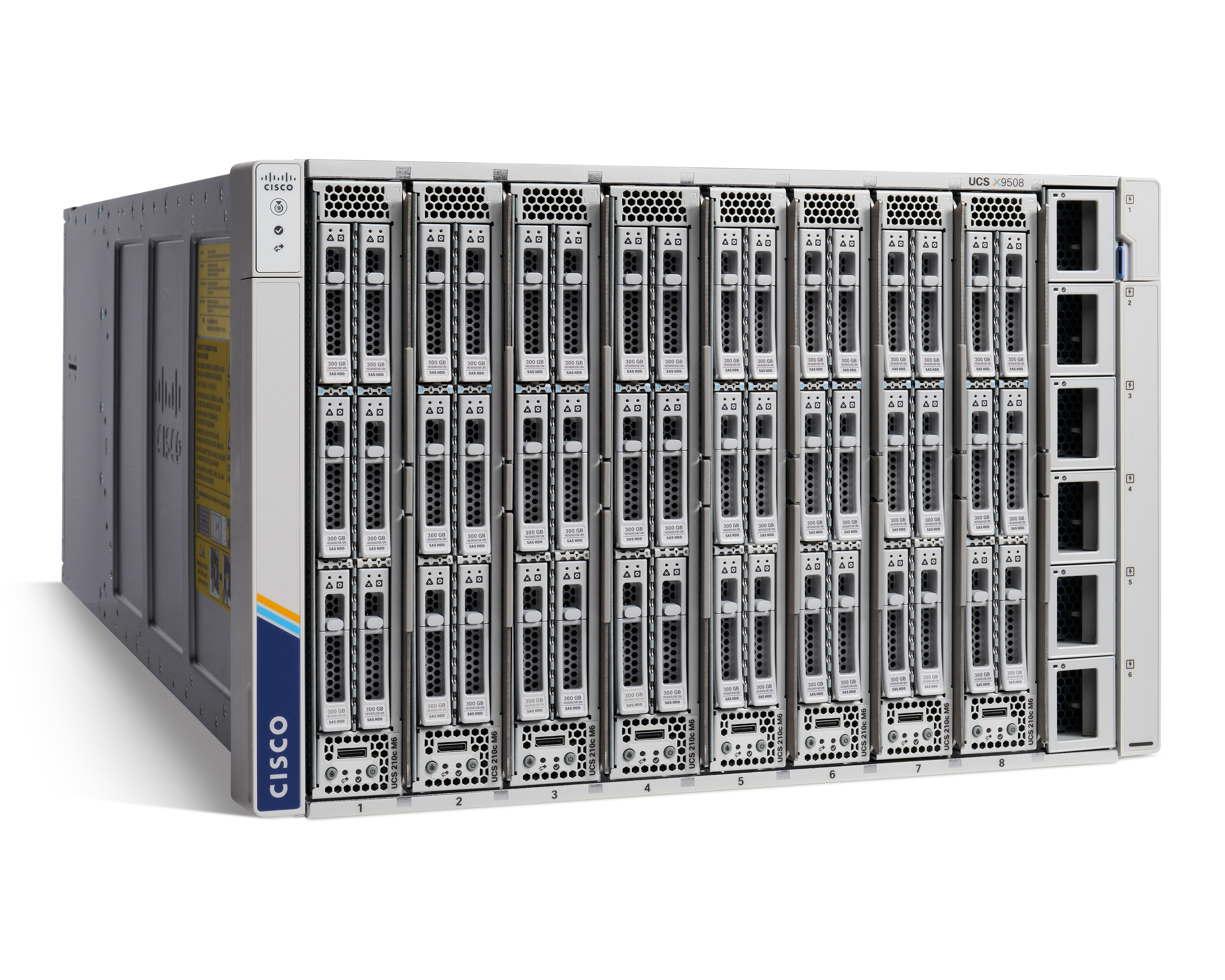
Screenshot of UCSX-9508-U Modular Chassis
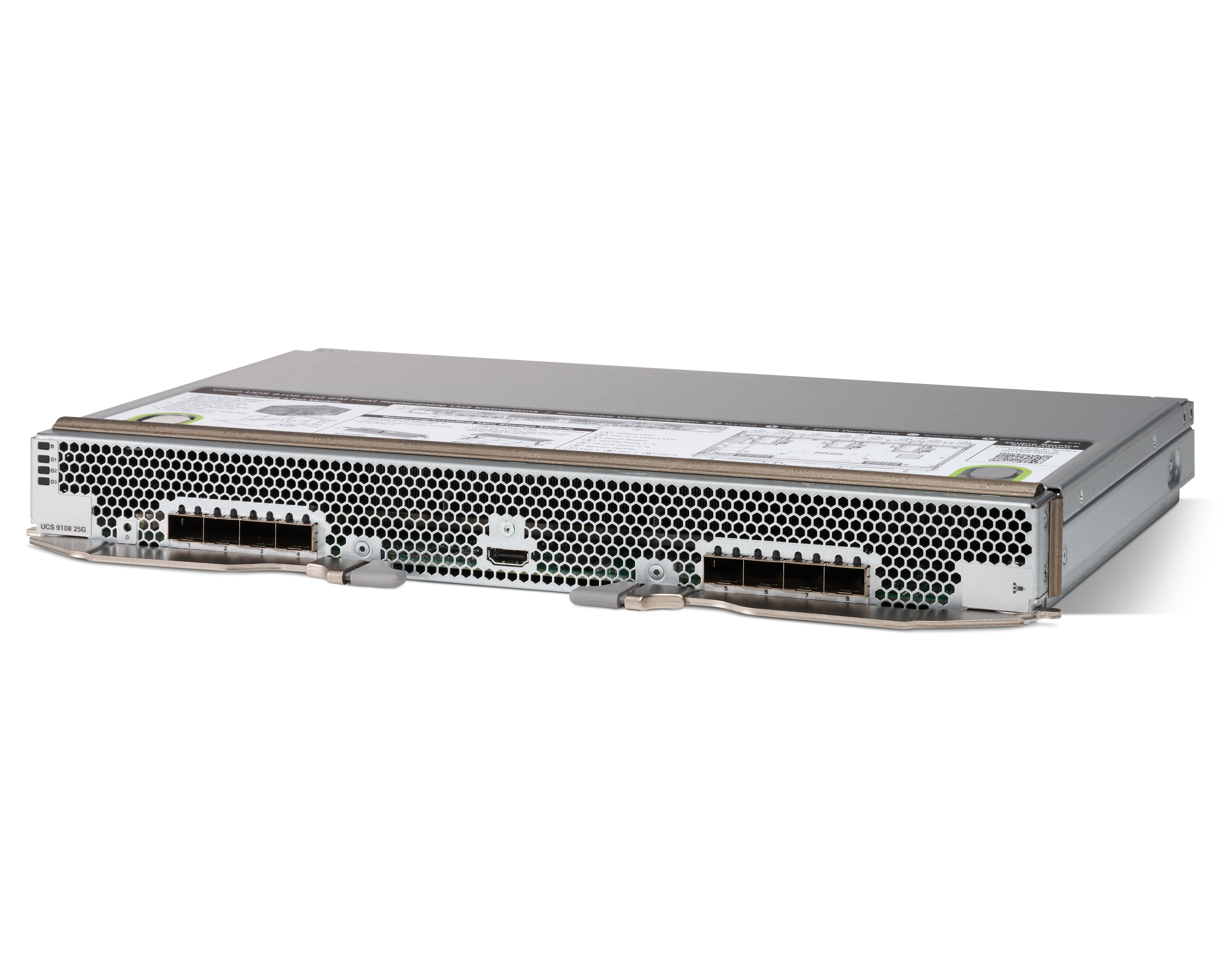
Screenshot of UCS 9108 25G Fabric Module
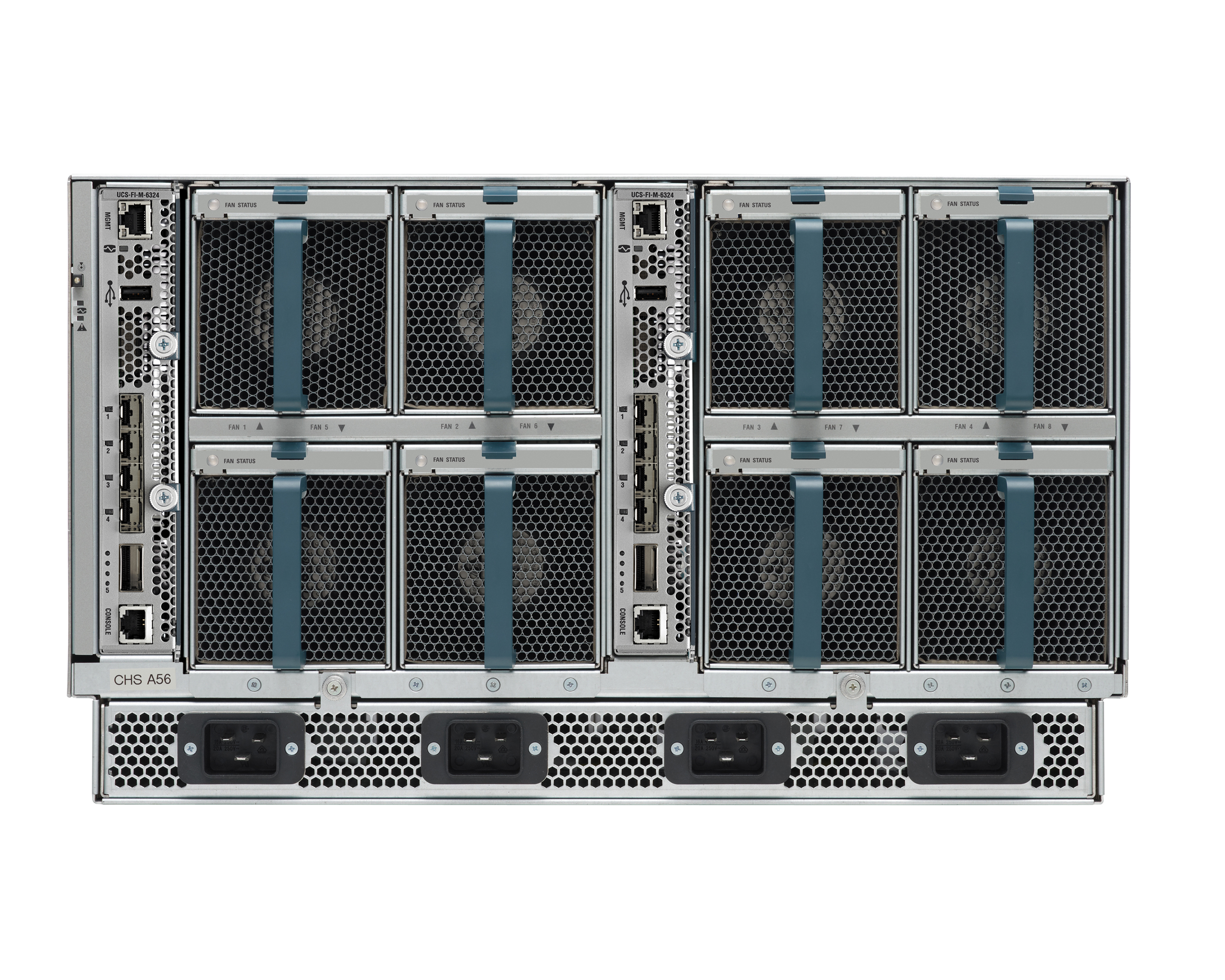
Screenshot of Cisco UCS 5108 Chassis with Cisco 6324 Fabric Interconnect
Screenshot of Cisco UCS C220/C240 M8 Rack Server
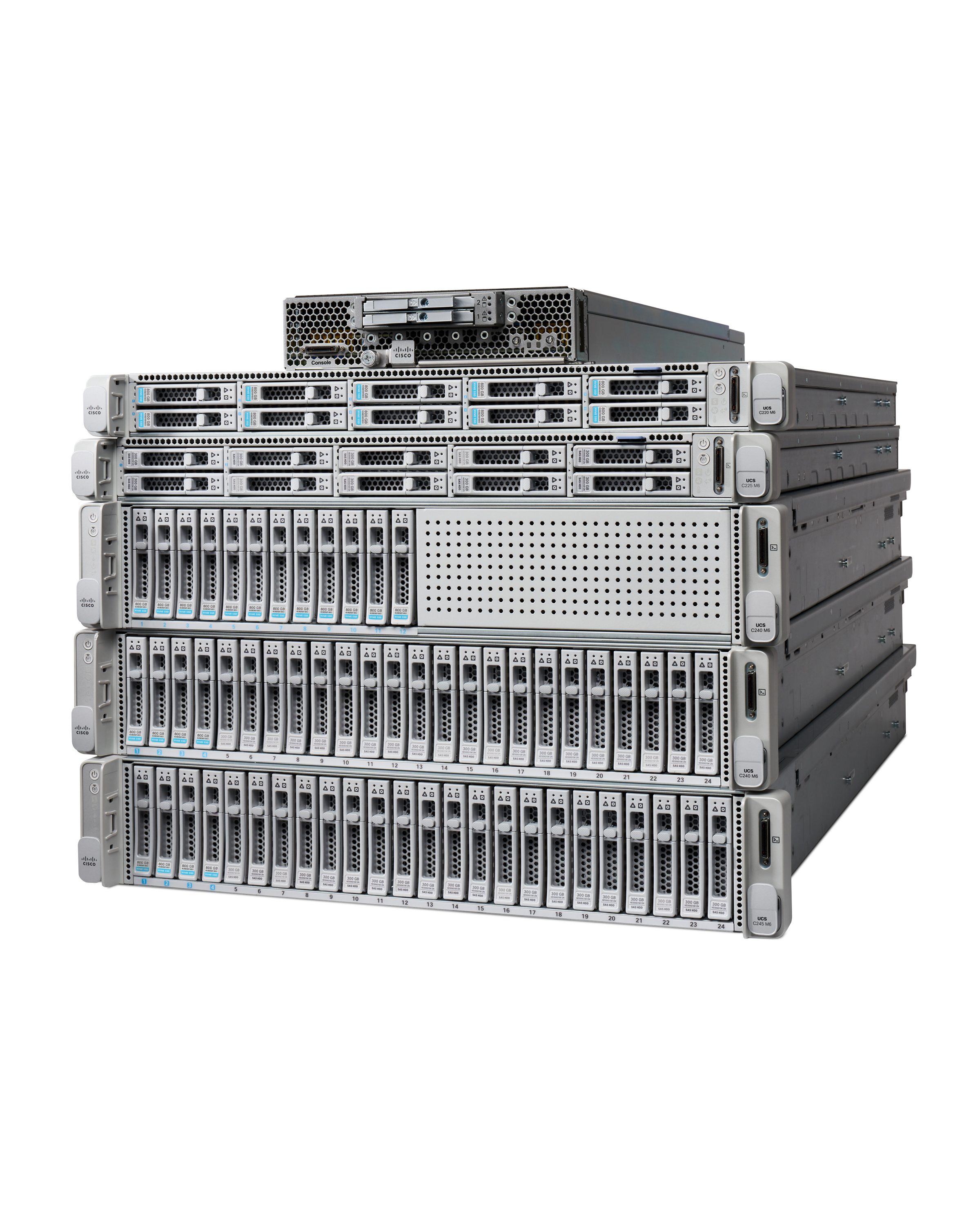
Screenshot of UCS Blade and Rack Server Family
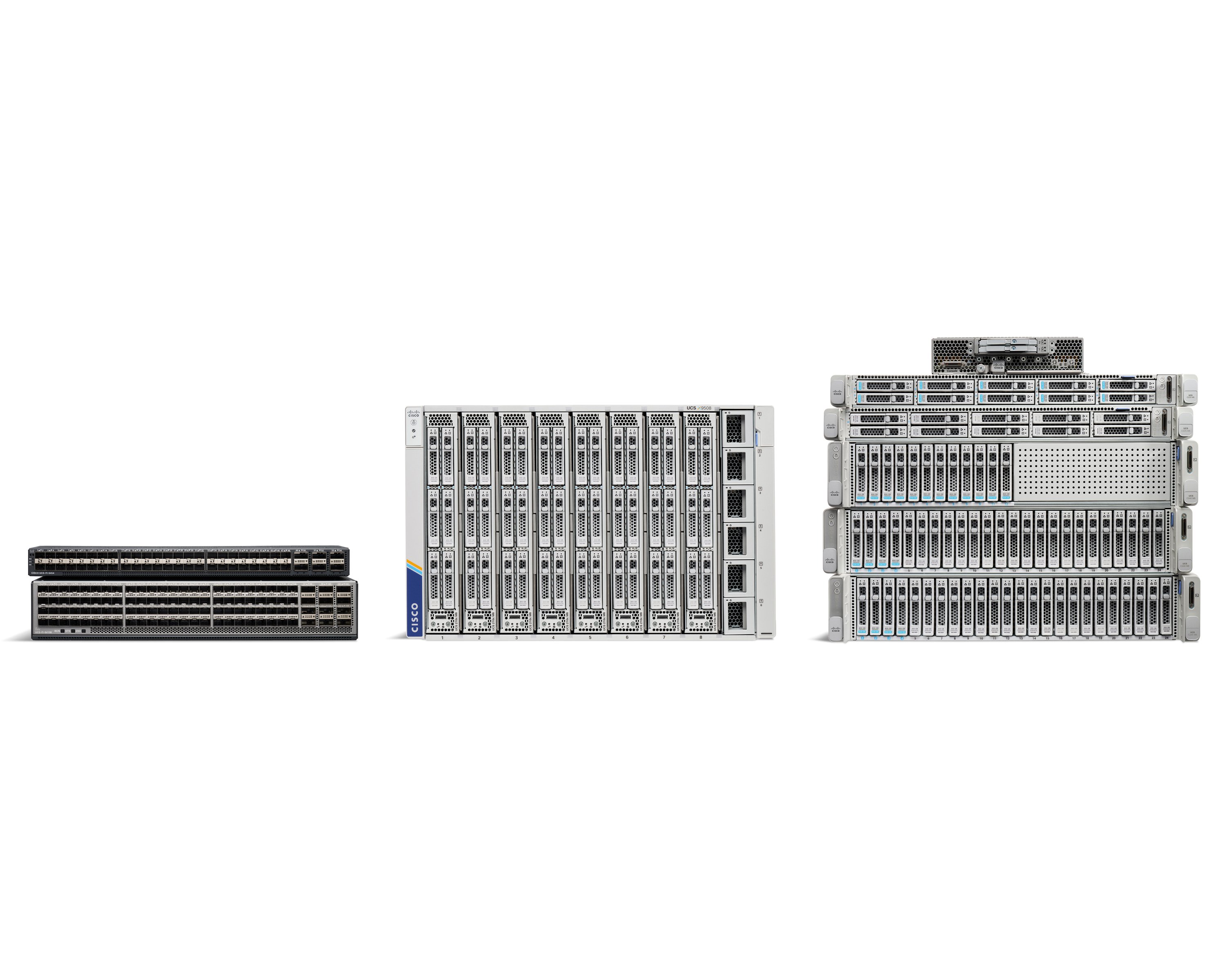
Screenshot of Unified Computing System Chassis, Blade and Rack Server Family

1 / 18

Screenshot of Cisco System I/O Controller

Cisco UCS Series the champion

Use Cases and Deployment Scope

We use Cisco UCS Series for our compute requirements at both Datacentre and remote sites

Pros

  • Blade infrastructure
  • Rack infrastructure for remote workloads
  • Easy to use and shift with service profiles

Cons

  • Support for emerging technologies like AI and machine learning

Return on Investment

  • Very good returns as we have been using from last 5+ years

Alternatives Considered

Dell PowerEdge

Other Software Used

Rubrik

Usability

Cisco UCS Series Review

Use Cases and Deployment Scope

We use it to manage the policies set for our fabric interconnects and our Cisco UCS Series servers.

Pros

  • The viewability of what’s wrong with your fabric interconnects and your servers, and the manageability of its policies.

Cons

  • It’s about to be replaced, so I would rather wait until I try the UCSX series out, because it’s about to be replaced by a better version of it. So what I would have to say would need to be upgraded is probably being replaced. Well, I mean, some of the issues we would have with it or things we would like to have with it might be in the new thing.

Return on Investment

  • Yes, positive. We lost power once years ago. Getting it back online was a bit of a hassle because we didn’t have access to them over the network yet, so we had to find another way to connect to them.

Other Software Used

Mozilla Firefox, Cisco Catalyst Switches, Cisco Catalyst 9800 Series Wireless Controllers

Cisco UCS Series review

Use Cases and Deployment Scope

Generally, this is a unique use case for our organization: we are using the UCS platform to host our route reflector solution. Basically, we decided to do so as a form of risk mitigation, since we also have dedicated physical route reflectors provided by Cisco, but let's say, to offload a little bit of the risk of relying on a single hardware platform. We decided to go on the virtual route reflector and install it on the UCS platform. And so far, it's actually working pretty well according to our design and requirements. And basically, we are satisfied with the solution implemented.

Pros

  • I can distinguish that this is the reliability of this product, and it's pretty stable. I must say that, for example, compared to our physical, dedicated route reflector solution—like a dedicated hardware platform—this is actually more stable. Sometimes, the hardware used in dedicated platforms for route reflectors can have bugs and memory leaks in certain versions. Surprisingly, for Cisco UCS Series platform, we haven't noticed the same issues. Another big advantage is that this is a more powerful device with more memory than a dedicated platform. That's why we chose this solution.

Cons

  • Perhaps this could be host management like a GUI, which sometimes can be a little bit slow. I guess this can be easily improved, just for sure. But other than that, the product, specifically the virtual route of reflector that we have installed onto this platform, works well. Basically, it's like only, let's say the host, the underlying software that is, let's say, sometimes it's a bit slower.

Return on Investment

  • Positive impact for sure. It's like the stability of the service, which is a really critical point in our core infrastructure. Negative, I don't see any.

Cisco UCS Series

Use Cases and Deployment Scope

In our organization, we Use Cisco UCS Series to build the 1st version of the private cloud

Pros

  • Performance
  • Stability
  • Flexibility

Cons

  • Learning curve for new engineers
  • Pricing
  • No central dashboarding

Return on Investment

  • Better UX for our business consumers
  • Faster time to market
  • Adding more complexity

Alternatives Considered

Dell VxRail and HPE ProLiant DL

Cisco UCS Series Servers are great for virtualization

Use Cases and Deployment Scope

It is used mainly for VMware virtualization. Cisco UCS Series servers could have enough RAM and CPUs to support VMware virtualization and help in optimizing and reducing hardware resources of organization, especially in terms of virtualization. As Cisco UCS Series Servers are supported by VMware there are special firmware versions for ESXi versions and specialized ISOs, which helps for combability between hardware servers and virtualization platform.

Pros

  • It is great for VMware ESXi
  • It could have enough RAM and CPUs for virtualization
  • It has great support

Cons

  • Sometimes configuration is too complex
  • Especially for UCS Chassis (B series) it could be a challenge to send internal traffic to external SPAN port

Return on Investment

  • Virtualization works better on Cisco UCS Series servers
  • It is more stable
  • Have a great support

Alternatives Considered

Cisco Nexus 9000 Series Switches

Other Software Used

VMware ESXi, IBM Security QRadar SIEM, IBM Security QRadar SOAR

Usability