
Agile Hive vs. Kintone
Agile Hive vs. Kintone
| Product | Rating | Most Used By | Product Summary | Starting Price |
|---|---|---|---|---|
 Agile Hive | N/A | The world of work is constantly changing. Agile work processes in particular are becoming increasingly popular. Even large companies are trying to introduce agile working methods. For many, the Scaled Agile Framework (SAFe) is the right solution for their agile teams. However, implementing SAFe with all its features such as providing reports, visualizing dependencies and automated documentation is not always easy in reality. Many companies spend a lot of time and money searching for the right… | N/A | |
 Kintone | N/A | Kintone is a customizable digital workplace platform used to manage data, tasks, and communication. The no-code drag-and-drop interface can be used to create custom applications. | $120 per month for 5 users (minimum) |
| Agile Hive | Kintone | |||||||||||||||
|---|---|---|---|---|---|---|---|---|---|---|---|---|---|---|---|---|
| Editions & Modules | No answers on this topic |
| ||||||||||||||
| Offerings |
| |||||||||||||||
| Entry-level Setup Fee | No setup fee | Optional | ||||||||||||||
| Additional Details | — | Minimum requirement of 5 users. Kintone offers a free prototype to build with using existing process. | ||||||||||||||
| More Pricing Information | ||||||||||||||||
| Agile Hive | Kintone |
|---|
| Agile Hive | Kintone | ||||||||||||||||||
|---|---|---|---|---|---|---|---|---|---|---|---|---|---|---|---|---|---|---|---|
| Project Management |
| ||||||||||||||||||
| Agile Development |
| ||||||||||||||||||
| Sales Force Automation |
| ||||||||||||||||||
| Customer Service & Support |
| ||||||||||||||||||
| CRM Reporting & Analytics |
| ||||||||||||||||||
| Customization |
| ||||||||||||||||||
| Integrations with 3rd-party Software |
| ||||||||||||||||||
| Platform |
| ||||||||||||||||||
| Security |
| ||||||||||||||||||
| CRM Project Management |
|
| Agile Hive | Kintone | |
|---|---|---|
| Small Businesses |  GitLab Score 8.7 out of 10 |  Salesmate Score 10.0 out of 10 |
| Medium-sized Companies |  Planview AgilePlace Score 8.4 out of 10 |  Creatio Score 9.0 out of 10 |
| Enterprises | Planview AgilePlace Score 8.4 out of 10 | Creatio Score 9.0 out of 10 |
| All Alternatives | View all alternatives | View all alternatives |
| Agile Hive | Kintone | |
|---|---|---|
| Likelihood to Recommend | 7.0 (4 ratings) | 9.0 (48 ratings) |
| Likelihood to Renew | - (0 ratings) | 8.3 (5 ratings) |
| Usability | 7.0 (1 ratings) | 7.8 (5 ratings) |
| Availability | - (0 ratings) | 10.0 (1 ratings) |
| Performance | - (0 ratings) | 9.0 (1 ratings) |
| Support Rating | - (0 ratings) | 9.4 (46 ratings) |
| Implementation Rating | - (0 ratings) | 6.8 (4 ratings) |
| Configurability | - (0 ratings) | 9.6 (42 ratings) |
| Contract Terms and Pricing Model | - (0 ratings) | 1.0 (1 ratings) |
| Ease of integration | - (0 ratings) | 5.0 (1 ratings) |
| Product Scalability | - (0 ratings) | 7.0 (1 ratings) |
| Professional Services | - (0 ratings) | 3.0 (1 ratings) |
| Vendor post-sale | - (0 ratings) | 8.0 (1 ratings) |
| Vendor pre-sale | - (0 ratings) | 2.0 (1 ratings) |
| Agile Hive | Kintone | |
|---|---|---|
| Likelihood to Recommend | Seibert Group GmbH
| Kintone
|
| Pros | Seibert Group GmbH
 Franz Seher Digital Product Owner @ Digital Strategy and Solutions | Kintone
 Becca Rusinko Life Coach |
| Cons | Seibert Group GmbH
| Kintone
|
| Likelihood to Renew | Seibert Group GmbH No answers on this topic | Kintone
 Shin Kishioka PRESIDENT |
| Usability | Seibert Group GmbH
| Kintone
 Lori Scarmardo Program Administrator - Public Power Pool (P3) |
| Reliability and Availability | Seibert Group GmbH No answers on this topic | Kintone
 Farshad Karimi Implementation Manager |
| Performance | Seibert Group GmbH No answers on this topic | Kintone
Farshad Karimi Implementation Manager |
| Support Rating | Seibert Group GmbH No answers on this topic | Kintone
|
| Implementation Rating | Seibert Group GmbH No answers on this topic | Kintone
Shin Kishioka PRESIDENT |
| Alternatives Considered | Seibert Group GmbH
| Kintone
|
| Contract Terms and Pricing Model | Seibert Group GmbH No answers on this topic | Kintone
Farshad Karimi Implementation Manager |
| Scalability | Seibert Group GmbH No answers on this topic | Kintone
Farshad Karimi Implementation Manager |
| Professional Services | Seibert Group GmbH No answers on this topic | Kintone
Farshad Karimi Implementation Manager |
| Return on Investment | Seibert Group GmbH
Franz Seher Digital Product Owner @ Digital Strategy and Solutions | Kintone
|
| ScreenShots | Kintone Screenshots 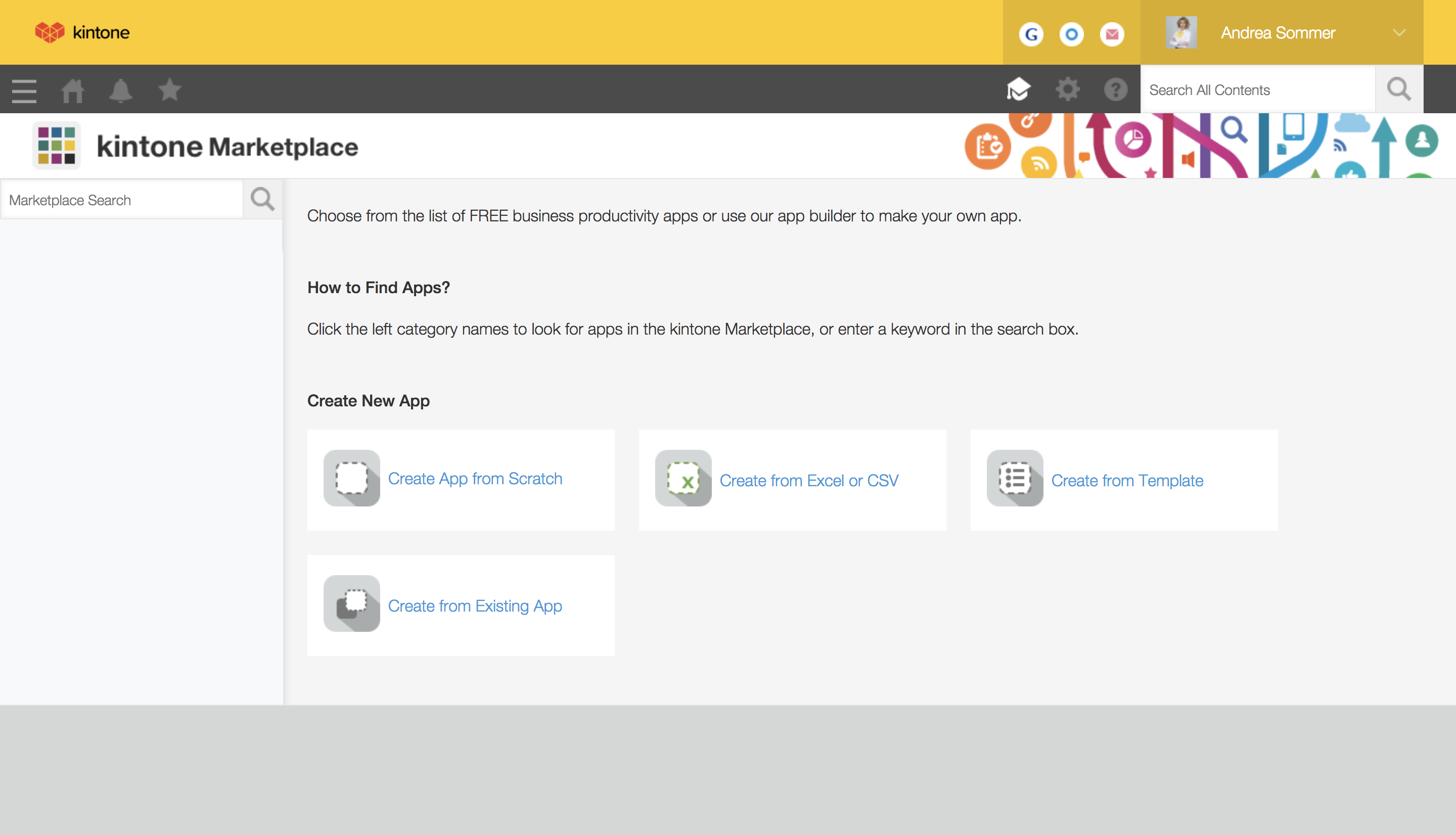   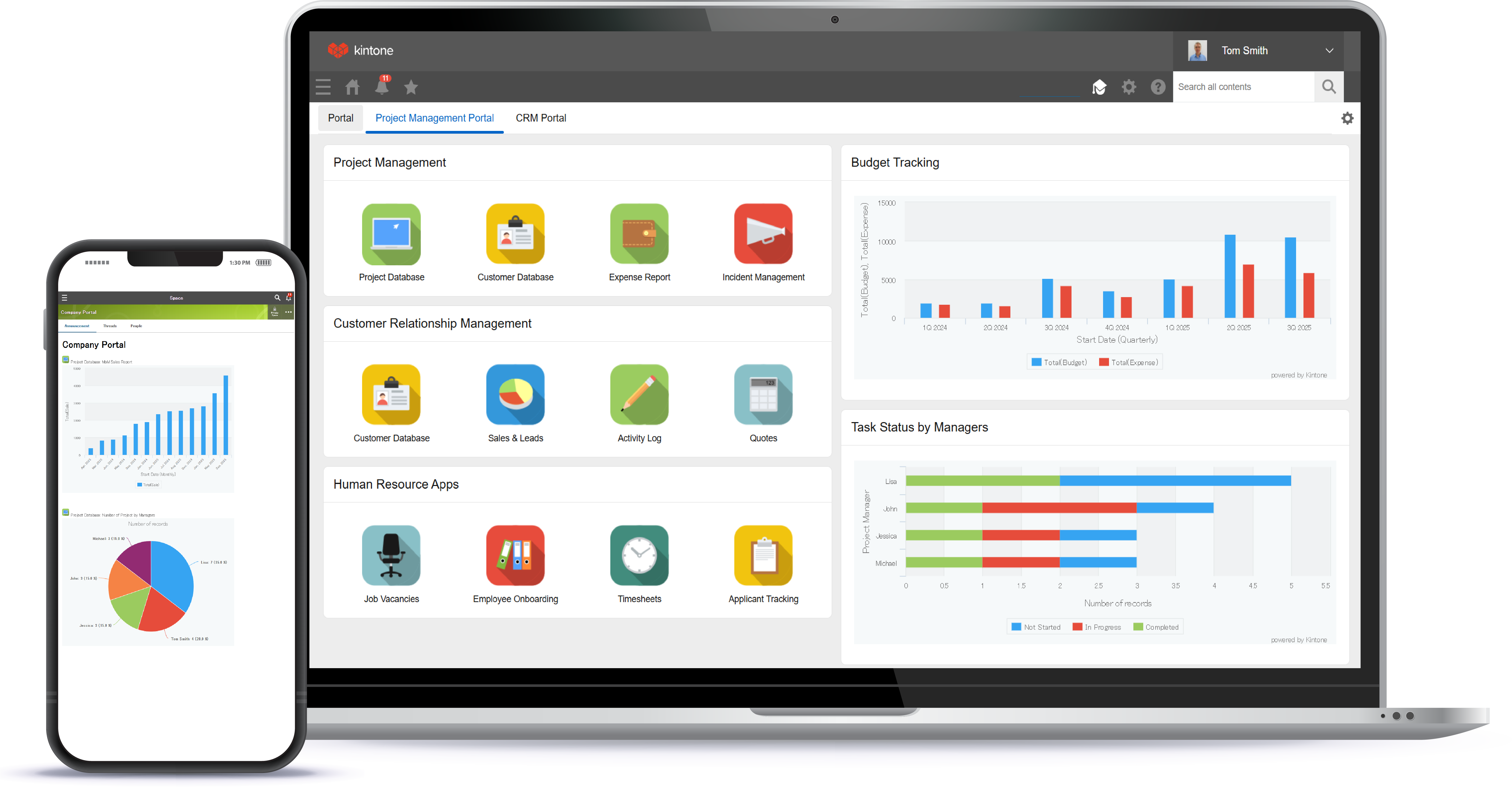 |