
Rodney Abbott
Watershed Program Manager
Chose Airtable
The other three had much going for them but only Airtable met our primary need for data management and price.

| Product | Rating | Most Used By | Product Summary | Starting Price |
|---|---|---|---|---|
 Airtable | N/A | Airtable is a project management and collaboration platform designed to enable content pipelines, product management, events planning, user research, and more. It combines spreadsheet,database, calendar, and kanban functionality within one platform. | $24 per month per seat | |
 Sitetracker | N/A | Sitetracker is a project management application focusing on managing and reporting features for large or high-volume distributed projects involving disparate sites and personnel, from the company of the same name in Palo Alto, California. | N/A | |
 Zenkit | N/A | Zenkit is a collaborative SaaS platform for project management, database building and more. This solution enables users to follow their data through its entire lifecycle. Zenkit allows users to manage their data in any way they need to – build their own CRM, reporting system, or financial planner. Users can share their data and assign tasks to colleagues. | $9 per user |
| Airtable | Sitetracker | Zenkit | ||||||||||||||||||||||
|---|---|---|---|---|---|---|---|---|---|---|---|---|---|---|---|---|---|---|---|---|---|---|---|---|
| Editions & Modules |
| No answers on this topic |
| |||||||||||||||||||||
| Offerings |
| |||||||||||||||||||||||
| Entry-level Setup Fee | No setup fee | No setup fee | $9 per user | |||||||||||||||||||||
| Additional Details | — | — | — | |||||||||||||||||||||
| More Pricing Information | ||||||||||||||||||||||||
| Airtable | Sitetracker | Zenkit | |
|---|---|---|---|
| Considered Multiple Products | Airtable Rodney Abbott Watershed Program Manager Chose Airtable The other three had much going for them but only Airtable met our primary need for data management and price. | Sitetracker No answer on this topic | Zenkit No answer on this topic |
| Airtable | Sitetracker | Zenkit | |||||||||||||||||||||||||||||||||||||||||||||||||||||||||||
|---|---|---|---|---|---|---|---|---|---|---|---|---|---|---|---|---|---|---|---|---|---|---|---|---|---|---|---|---|---|---|---|---|---|---|---|---|---|---|---|---|---|---|---|---|---|---|---|---|---|---|---|---|---|---|---|---|---|---|---|---|---|
| Project Management |
| ||||||||||||||||||||||||||||||||||||||||||||||||||||||||||||
| Professional Services Automation |
|
| Airtable | Sitetracker | Zenkit | |
|---|---|---|---|
| Small Businesses |  Stackby Score 8.9 out of 10 | Stackby Score 8.9 out of 10 | Stackby Score 8.9 out of 10 |
| Medium-sized Companies |  InEight Score 8.4 out of 10 | InEight Score 8.4 out of 10 | InEight Score 8.4 out of 10 |
| Enterprises | InEight Score 8.4 out of 10 | InEight Score 8.4 out of 10 | InEight Score 8.4 out of 10 |
| All Alternatives | View all alternatives | View all alternatives | View all alternatives |
| Airtable | Sitetracker | Zenkit | |
|---|---|---|---|
| Likelihood to Recommend | 8.8 (239 ratings) | 9.4 (6 ratings) | 9.1 (7 ratings) |
| Likelihood to Renew | 9.5 (5 ratings) | - (0 ratings) | - (0 ratings) |
| Usability | 8.0 (36 ratings) | - (0 ratings) | - (0 ratings) |
| Availability | 10.0 (2 ratings) | - (0 ratings) | - (0 ratings) |
| Performance | 9.0 (1 ratings) | - (0 ratings) | - (0 ratings) |
| Support Rating | 9.0 (30 ratings) | 8.0 (1 ratings) | 8.8 (5 ratings) |
| In-Person Training | 8.0 (1 ratings) | - (0 ratings) | - (0 ratings) |
| Online Training | 9.0 (1 ratings) | - (0 ratings) | - (0 ratings) |
| Implementation Rating | 9.0 (2 ratings) | - (0 ratings) | - (0 ratings) |
| Configurability | 10.0 (2 ratings) | - (0 ratings) | - (0 ratings) |
| Contract Terms and Pricing Model | 5.0 (1 ratings) | - (0 ratings) | - (0 ratings) |
| Ease of integration | 8.0 (2 ratings) | - (0 ratings) | - (0 ratings) |
| Product Scalability | 9.0 (2 ratings) | - (0 ratings) | - (0 ratings) |
| Vendor post-sale | 8.0 (1 ratings) | - (0 ratings) | - (0 ratings) |
| Vendor pre-sale | 8.0 (1 ratings) | - (0 ratings) | - (0 ratings) |
| Airtable | Sitetracker | Zenkit | |
|---|---|---|---|
| Likelihood to Recommend | Airtable
| Sitetracker
 Partha Roy Lead Product Engineer | Axonic Informationssysteme GmbH
|
| Pros | Airtable
| Sitetracker
| Axonic Informationssysteme GmbH
 Vince McConville Advisor / Director |
| Cons | Airtable
 Kaley White Data and Systems Analyst | Sitetracker
Partha Roy Lead Product Engineer | Axonic Informationssysteme GmbH
 Hoang Lo Co-Founder |
| Likelihood to Renew | Airtable
| Sitetracker No answers on this topic | Axonic Informationssysteme GmbH No answers on this topic |
| Usability | Airtable
| Sitetracker No answers on this topic | Axonic Informationssysteme GmbH No answers on this topic |
| Reliability and Availability | Airtable
| Sitetracker No answers on this topic | Axonic Informationssysteme GmbH No answers on this topic |
| Performance | Airtable
| Sitetracker No answers on this topic | Axonic Informationssysteme GmbH No answers on this topic |
| Support Rating | Airtable
| Sitetracker
 James Moses Senior Blogger | Axonic Informationssysteme GmbH
|
| In-Person Training | Airtable
| Sitetracker No answers on this topic | Axonic Informationssysteme GmbH No answers on this topic |
| Online Training | Airtable
| Sitetracker No answers on this topic | Axonic Informationssysteme GmbH No answers on this topic |
| Implementation Rating | Airtable
| Sitetracker No answers on this topic | Axonic Informationssysteme GmbH No answers on this topic |
| Alternatives Considered | Airtable
 Matt Aldridge Knowledge Lead | Sitetracker
| Axonic Informationssysteme GmbH
 Dr. Marcel Gültig Co-Founder and Managing Director |
| Contract Terms and Pricing Model | Airtable
Kaley White Data and Systems Analyst | Sitetracker No answers on this topic | Axonic Informationssysteme GmbH No answers on this topic |
| Scalability | Airtable
| Sitetracker No answers on this topic | Axonic Informationssysteme GmbH No answers on this topic |
| Return on Investment | Airtable
 Ryan Dury Senior Manager Strategic Accounts & Sales Support | Sitetracker
Partha Roy Lead Product Engineer | Axonic Informationssysteme GmbH
Vince McConville Advisor / Director |
| ScreenShots | Airtable Screenshots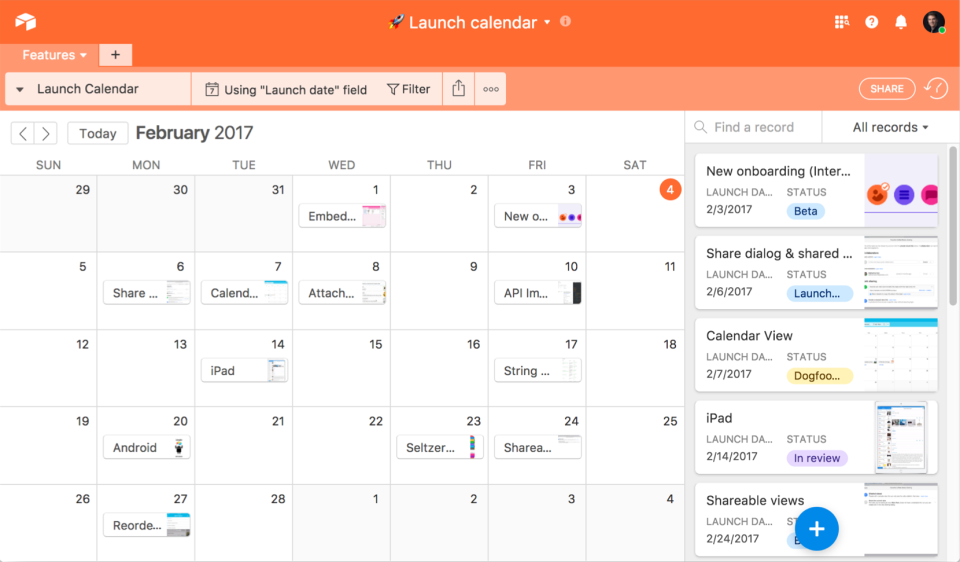   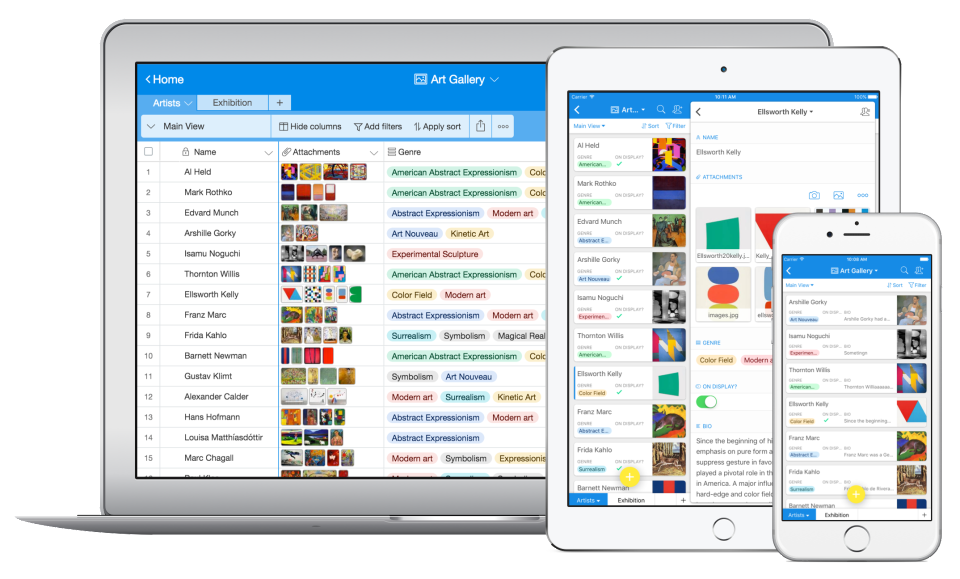  | Zenkit Screenshots 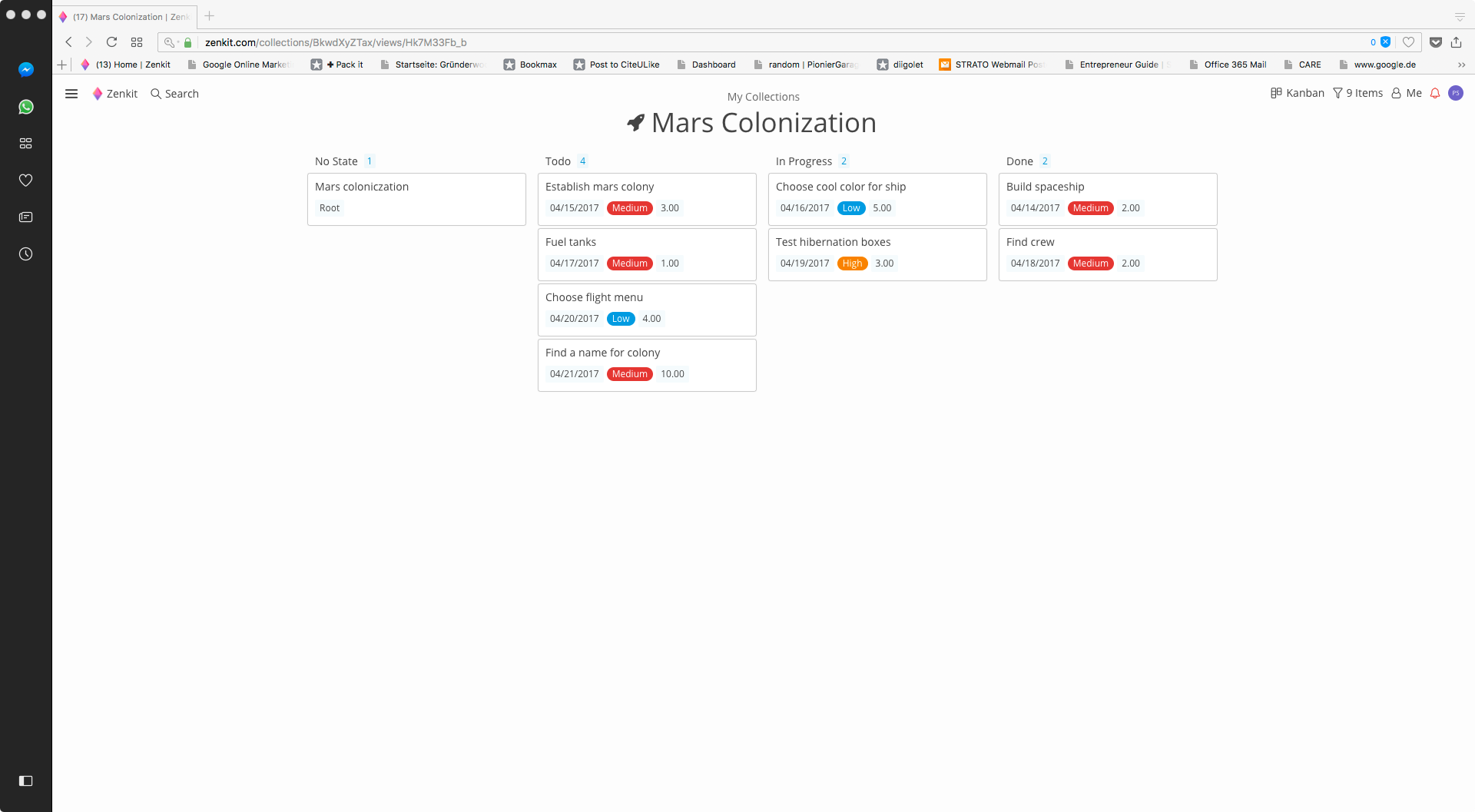 |