Apache Solr is an open-source enterprise search server.
N/A
Dropbox Dash
Score 8.0 out of 10
N/A
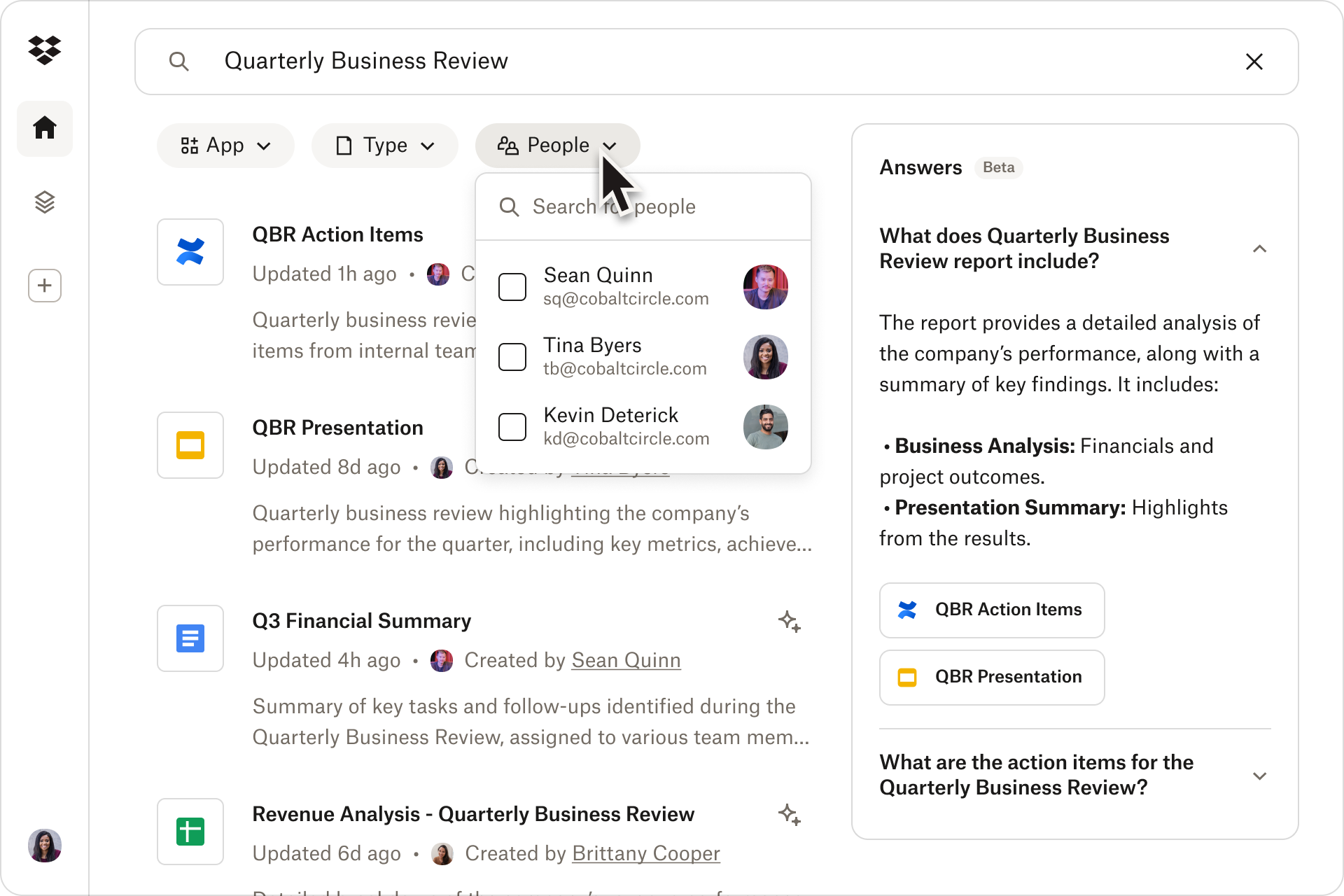
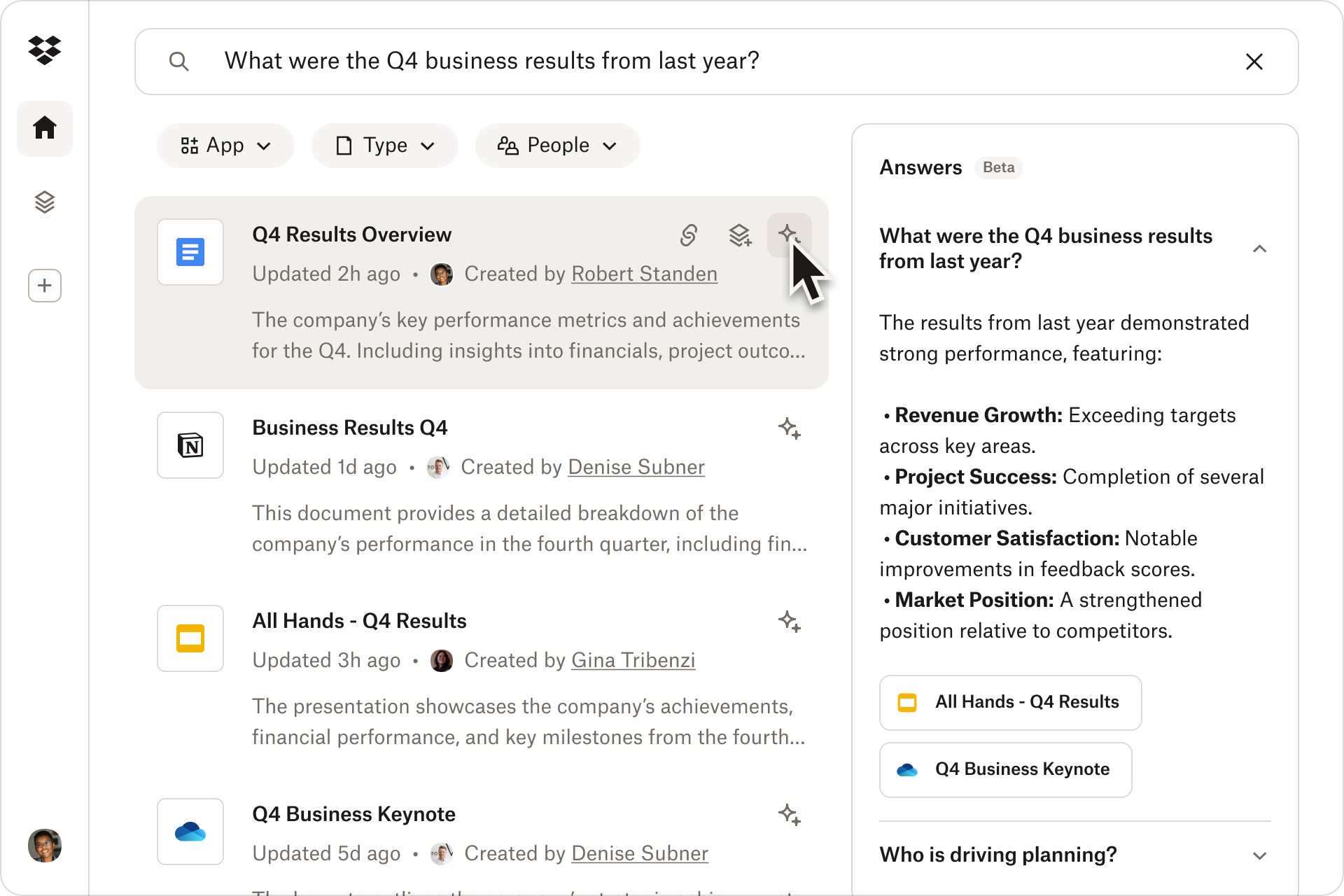
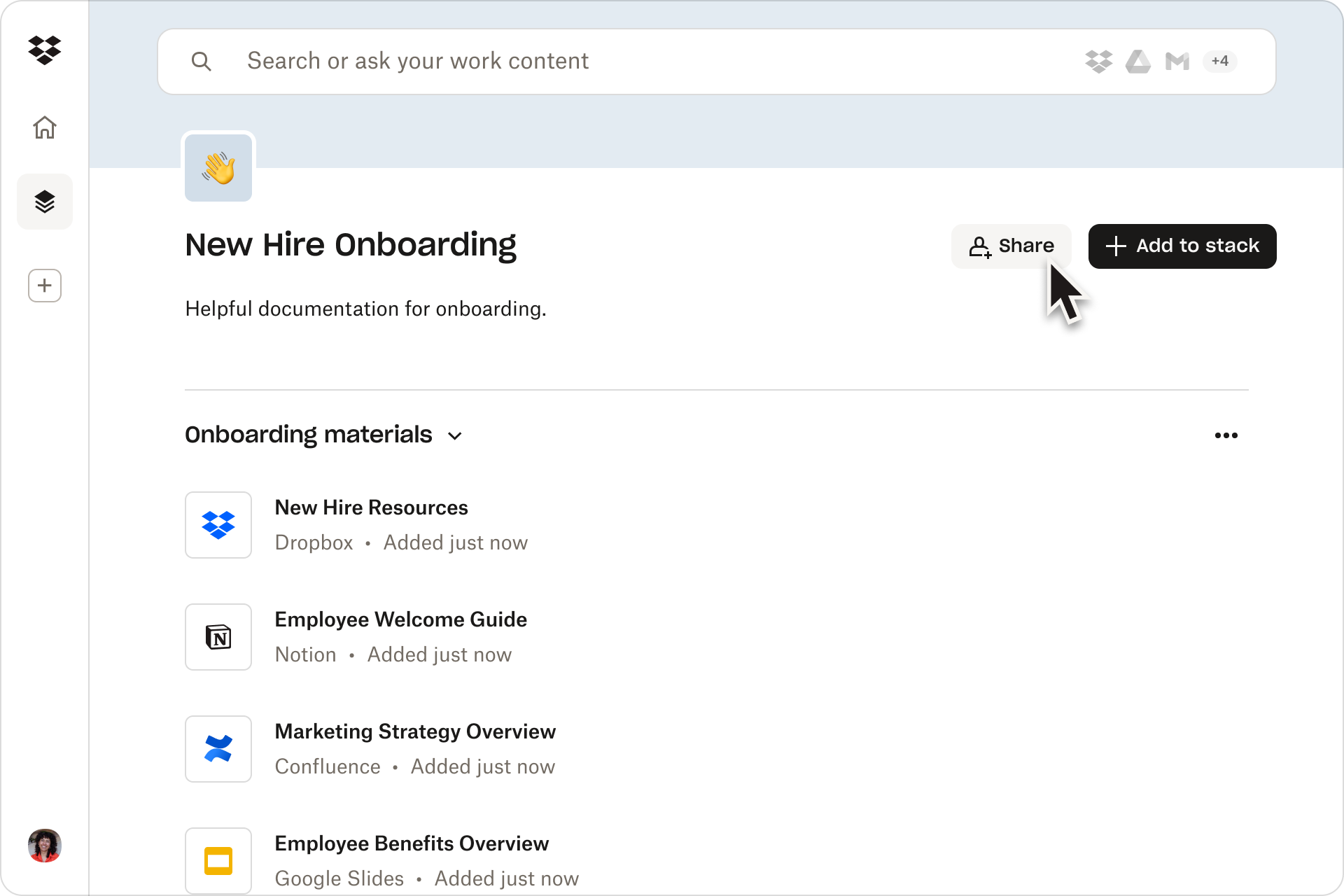
Dropbox Dash is a Universal Search and Knowledge Management platform designed to aggregate organizational content within a single interface. The solution integrates with third-party applications to facilitate the retrieval and organization of distributed data regardless of its storage location. Universal Search Across Integrated Applications The solution retrieves documents, images, and video files from platforms including Dropbox, Notion, and Gmail. The…
Solr spins up nicely and works effectively for small enterprise environments providing helpful mechanisms for fuzzy searches and facetted searching. For larger enterprises with complex business solutions you'll find the need to hire an expert Solr engineer to optimize the powerful platform to your needs. Internationalization is tricky with Solr and many hosting solutions may limit you to a latin character set.
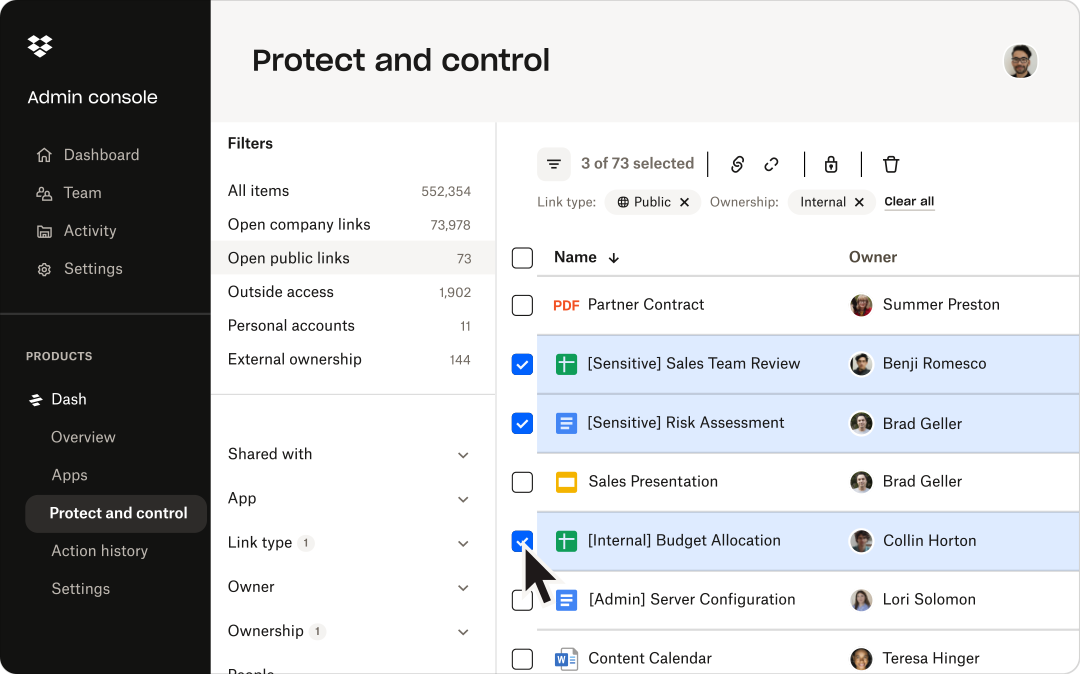
As I mentioned in previous sections of the review, I’d suggest using it to manage various workspaces, but there is no appropriate feature set to do so. If you are just using it to manage a personal Dropbox and associated accounts, it is well worth using.
Easy to get started with Apache Solr. Whether it is tackling a setup issue or trying to learn some of the more advanced features, there are plenty of resources to help you out and get you going.
Performance. Apache Solr allows for a lot of custom tuning (if needed) and provides great out of the box performance for searching on large data sets.
Maintenance. After setting up Solr in a production environment there are plenty of tools provided to help you maintain and update your application. Apache Solr comes with great fault tolerance built in and has proven to be very reliable.
These examples are due to the way we use Apache Solr. I think we have had the same problems with other NoSQL databases (but perhaps not the same solution). High data volumes of data and a lot of users were the causes.
We have lot of classifications and lot of data for each classification. This gave us several problems:
First: We couldn't keep all our data in Solr. Then we have all data in our MySQL DB and searching data in Solr. So we need to be sure to update and match the 2 databases in the same time.
Second: We needed several load balanced Solr databases.
Third: We needed to update all the databases and keep old data status.
If I don't speak about problems due to our lack of experience, the main Solr problem came from frequency of updates vs validation of several database. We encountered several locks due to this (our ops team didn't want to use real clustering, so all DB weren't updated). Problem messages were not always clear and we several days to understand the problems.
It takes some time to deploy and currectly maintein it. And also, to learn how to use and integrate in the enviroment as well. Once you get theses steps done, it usability is very simple, and almost of the time it don't require no further attention on it. Even for maintence, if you deploy it on a cluster mode, it is very reliable and easy to take one host down.
We tried to use both Elasticsearch and Swiftype with Drupal 8 but there are currently no good modules that integrate Drupal with those solutions. So Solr was really the only option for a Drupal 8 web site. It's not as easy to learn or use as Swiftype, but in the end I think it will be a little less expensive and offer more customization and flexibility.
I really like the ability in other apps to add multiple calendars. For instance, in Reclaim, I can add both my work and personal calendars, and it can block off work calendar entries for personal events. I want to be able to see everything integrated into Dash, and I hope they add that feature.