
Atlan vs. ER/Studio
Atlan vs. ER/Studio
| Product | Rating | Most Used By | Product Summary | Starting Price |
|---|---|---|---|---|
 Atlan | N/A | Atlan is a modern data collaboration workspace (like Github for engineering or Figma for design). By acting as a virtual hub for data assets ranging from tables and dashboards to models & code, Atlan enables teams to create a single source of truth for all their data assets, and collaborate across the modern data stack through deep integrations with tools like Slack, BI tools, data science tools and more. Key capabilities: Search, catalog and browse data assets… | N/A | |
 ER/Studio | N/A | ER/Studio is a database development and management tool from Embarcadero Technologies (acquired by Idera) in California. | $2,687 per year per user |
| Atlan | ER/Studio | |||||||||||||||
|---|---|---|---|---|---|---|---|---|---|---|---|---|---|---|---|---|
| Editions & Modules | No answers on this topic |
| ||||||||||||||
| Offerings |
| |||||||||||||||
| Entry-level Setup Fee | No setup fee | No setup fee | ||||||||||||||
| Additional Details | — | Pricing for new customers only, first year maintenance included. Maintenance includes access to technical support and product updates for the defined period of the agreement. | ||||||||||||||
| More Pricing Information | ||||||||||||||||
| Atlan | ER/Studio |
|---|
| Atlan | ER/Studio | |
|---|---|---|
| Small Businesses | No answers on this topic | No answers on this topic |
| Medium-sized Companies | ER/Studio Score 9.9 out of 10 | No answers on this topic |
| Enterprises | ER/Studio Score 9.9 out of 10 | No answers on this topic |
| All Alternatives | View all alternatives | View all alternatives |
| Atlan | ER/Studio | |
|---|---|---|
| Likelihood to Recommend | 8.7 (2 ratings) | 8.0 (5 ratings) |
| Support Rating | - (0 ratings) | 9.0 (1 ratings) |
| Atlan | ER/Studio | |
|---|---|---|
| Likelihood to Recommend | Atlan
|  Idera, Inc.
 Jody Gitchel Senior Data Solutions Architect |
| Pros | Atlan
| Idera, Inc.
|
| Cons | Atlan
| Idera, Inc.
 Jay Coppola Database Architect |
| Support Rating | Atlan No answers on this topic | Idera, Inc.
Jay Coppola Database Architect |
| Alternatives Considered | Atlan | Idera, Inc.
 Michael Romm Principal Data Architect |
| Return on Investment | Atlan
| Idera, Inc.
 Praveena Amancha Senior Informatica Developer |
| ScreenShots | ER/Studio Screenshots  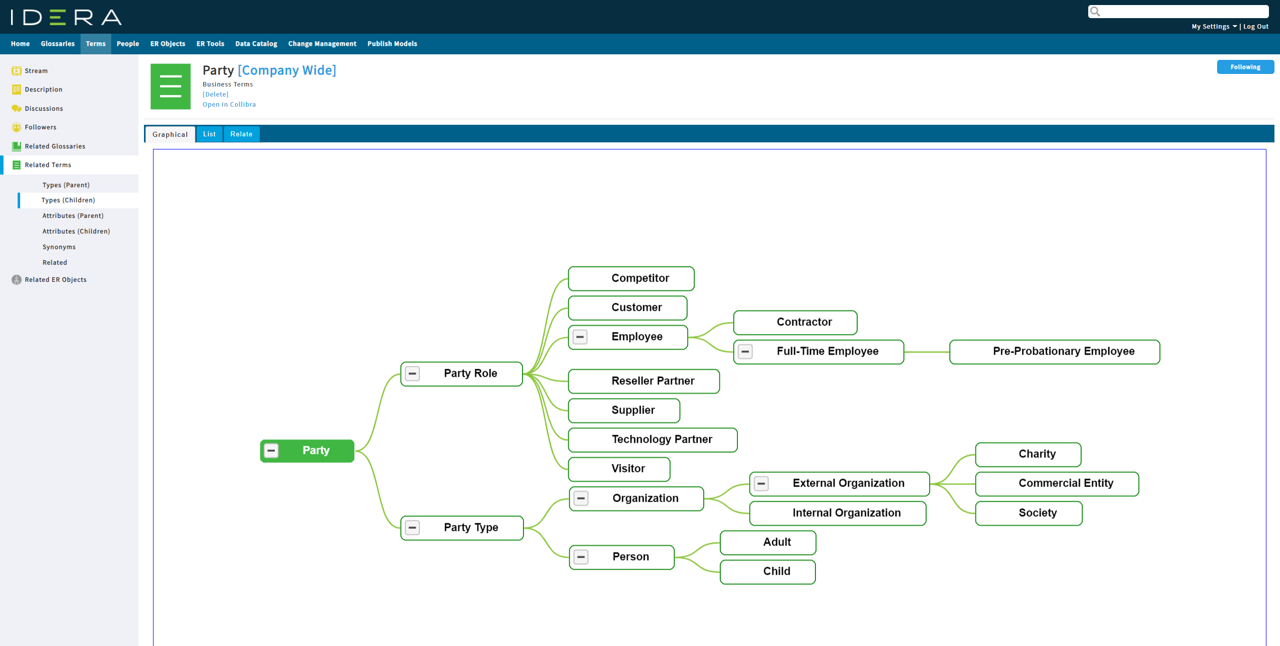 |