Chose Auth0
Auth0 is more straightforward for the setup,

| Product | Rating | Most Used By | Product Summary | Starting Price |
|---|---|---|---|---|
 Auth0 | N/A | Auth0® is an identity solution that provides secure access to any application, for any user. Safeguarding, according to the vendor, billions of login transactions each month, Auth0 delivers convenience, privacy, and security so customers can focus on innovation. Auth0 lets users integrate authentication and authorization for web, mobile, and legacy applications, with new Fine Grained Authorization (FGA) that goes beyond role-based access control. It can authenticate users… | $0 per month | |
 IBM Cloud App ID | N/A | IBM Cloud App ID helps developers who are not security experts to add authentication to their apps, and protect their APIs and app back-ends running on IBM Cloud. Developers can add a variety of login-in types: Email or username and password Enterprise Social App ID includes a cloud user repository to on-board new users, so they can log-in with email/username & passwords, with pre-built self-service workflows (password reset, email validation etc.)… | N/A |
| Auth0 | IBM Cloud App ID | |||||||||||||||
|---|---|---|---|---|---|---|---|---|---|---|---|---|---|---|---|---|
| Editions & Modules |
| No answers on this topic | ||||||||||||||
| Offerings |
| |||||||||||||||
| Entry-level Setup Fee | Optional | Optional | ||||||||||||||
| Additional Details | — | — | ||||||||||||||
| More Pricing Information | ||||||||||||||||
| Auth0 | IBM Cloud App ID | |
|---|---|---|
| Considered Both Products |  Auth0  Achu S Nair Associate Software Engineer Chose Auth0 Compared to Firebase Authentication and Amazon Cognito, it offers better security and easier integration with SPA applications. Firebase Authentication was easy to set up and worked well for simple Authentication use cases, mainly for Firebase-based applications. But it had …  Ritik Sharma Associate Software Engineer Chose Auth0 It proved to be better than them and we chose it because it was costing less and delivering more.  Dipak Patel Founder & Director Chose Auth0 We evaluated Okta as an alternative. While Okta is strong for large enterprises, we found Auth0 more flexible and easier to integrate for our use case. Auth0’s developer experience, customization options, and faster setup made it a better fit for our applications without adding …  Himaanshu Ladwal Business Development Director Chose Auth0 We noticed the marketplace and crm integration was excellent, besides that there were other factors such as team management tools was also vital, global compliance standard and provide highly secure login access, which was necessary for important clients, and team members. …  Akash Majumder CEO (Chief Executive Officer) Chose Auth0 Firebase: Pricing is too high and the efficiency and store option is not an ROI point. Okta: Too high pricing. Lack of secure code not good for mobile application auth.  Andre Cortes Desarrollador de front-end Chose Auth0 We decided [on] Auth as the first product. We used it for about a year on [the] free plan and then switched to the current plan. | IBM Cloud App ID  Allen Lazar Founder & CEO Chose IBM Cloud App ID It is easily integrated and can be deployed at scale across multiple apps.  BENAOUN Mahdi Software Developer Chose IBM Cloud App ID IBM Cloud App ID is our first supplier when it comes to app authentication. IBM is a very known provider and we didn't have to research its trustworthiness or hesitate [on] our purchase decision. Even though it can be a bit expensive, efficiency is our top priority.  Devesh Sharma Associate Manager Chose IBM Cloud App ID IBM Watson Discovery  Yatharth Garg Operations Coordinator Chose IBM Cloud App ID Azure API Management and Microsoft Azure Active Directory  Julian Patdu Partner Chose IBM Cloud App ID I was building my application’s back end on IBM Cloud Functions, so naturally I had to use App ID. Because of the seamless integration between App ID and Cloud Functions, I can create protected API endpoints for my Single Page Application (SPA) and not have to write middleware …  Carlos Bittrich Technology Advisor Chose IBM Cloud App ID Most of our services are in IBM Cloud. IBM APP ID offers a streamline integration to most of them. |
| Auth0 | IBM Cloud App ID | ||||||||||||||||||||||||
|---|---|---|---|---|---|---|---|---|---|---|---|---|---|---|---|---|---|---|---|---|---|---|---|---|---|
| Identity Management |
|
| Auth0 | IBM Cloud App ID | |
|---|---|---|
| Small Businesses | No answers on this topic |  Dashlane Password Manager Score 9.1 out of 10 |
| Medium-sized Companies |  OneLogin by One Identity Score 9.5 out of 10 |  RSA Access Manager (Discontinued) Score 10.0 out of 10 |
| Enterprises | OneLogin by One Identity Score 9.5 out of 10 | RSA Access Manager (Discontinued) Score 10.0 out of 10 |
| All Alternatives | View all alternatives | View all alternatives |
| Auth0 | IBM Cloud App ID | |
|---|---|---|
| Likelihood to Recommend | 7.7 (0 ratings) | 8.3 (0 ratings) |
| Likelihood to Renew | 8.2 (0 ratings) | - (0 ratings) |
| Usability | 7.7 (0 ratings) | - (0 ratings) |
| Support Rating | 8.2 (0 ratings) | - (0 ratings) |
| Configurability | 6.4 (0 ratings) | - (0 ratings) |
| Auth0 | IBM Cloud App ID | |
|---|---|---|
| Likelihood to Recommend |
|
|
| Pros |
|
Julian Patdu Partner |
| Cons |
|
|
| Likelihood to Renew |
| No answers on this topic |
| Usability |
Achu S Nair Associate Software Engineer | No answers on this topic |
| Support Rating |
| No answers on this topic |
| Alternatives Considered |
|
|
| Return on Investment |
 Brady Perry Co-Founder & CTO |
|
| ScreenShots | Auth0 Screenshots    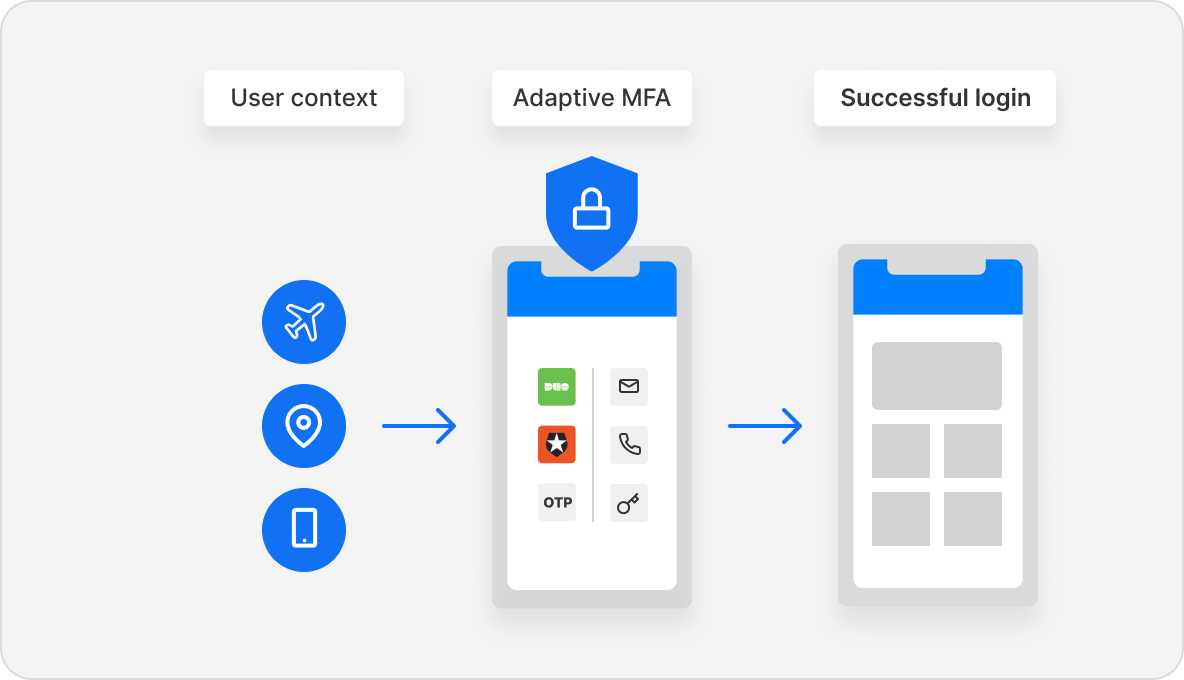 |