Chose SingleStore
SingleStore provides performance for real-time data analytics application where as Snowflake is more for data engineers and not fast enough for real-time data analytics apps.

| Product | Rating | Most Used By | Product Summary | Starting Price |
|---|---|---|---|---|
 Azure Data Factory | N/A | Microsoft's Azure Data Factory is a service built for all data integration needs and skill levels. It is designed to allow the user to easily construct ETL and ELT processes code-free within the intuitive visual environment, or write one's own code. Visually integrate data sources using more than 80 natively built and maintenance-free connectors at no added cost. Focus on data—the serverless integration service does the rest. | N/A | |
 SingleStore | N/A | SingleStore aims to enable organizations to scale from one to one million customers, handling SQL, JSON, full text and vector workloads in one unified platform. | $0.69 per hour | |
 Snowflake | N/A | The Snowflake Cloud Data Platform is the eponymous data warehouse with, from the company in San Mateo, a cloud and SQL based DW that aims to allow users to unify, integrate, analyze, and share previously siloed data in secure, governed, and compliant ways. With it, users can securely access the Data Cloud to share live data with customers and business partners, and connect with other organizations doing business as data consumers, data providers, and data service providers. | N/A |
| Azure Data Factory | SingleStore | Snowflake | ||||||||||||||||||||||
|---|---|---|---|---|---|---|---|---|---|---|---|---|---|---|---|---|---|---|---|---|---|---|---|---|
| Editions & Modules | No answers on this topic |
| No answers on this topic | |||||||||||||||||||||
| Offerings |
| |||||||||||||||||||||||
| Entry-level Setup Fee | No setup fee | Optional | No setup fee | |||||||||||||||||||||
| Additional Details | — | — | — | |||||||||||||||||||||
| More Pricing Information | ||||||||||||||||||||||||
| Azure Data Factory | SingleStore | Snowflake | |
|---|---|---|---|
| Considered Multiple Products |  Azure Data Factory No answer on this topic |  SingleStore  Victor Cáceres Database Administrator (DBA) Chose SingleStore I can only compare it with Exasol, which I have used a similar base, which manages the Hadoop scheme and is very similar to SingleStore. SingleStore has many advantages: being in the cloud, with just a couple of clicks I can increase the capacity, the configuration is super …  Farrokh Mansouri Head of Data Science Chose SingleStore Very similar offerings. SingleStore promise a faster query speed and better cost structure. Vector databases is anoter offering that is unique to SingleStore.  Jacob Ortega Chief Technology Officer Chose SingleStore I guess the main difference is how the memory is used for stacking and storing data until it reaches the final destination, the performance is awesome compared with others and when you have a real time business with a certain complexity. The development team would be more … |  Snowflake |
| Azure Data Factory | SingleStore | Snowflake | |||||||||||||||||||||||||||||||
|---|---|---|---|---|---|---|---|---|---|---|---|---|---|---|---|---|---|---|---|---|---|---|---|---|---|---|---|---|---|---|---|---|---|
| Data Source Connection |
| ||||||||||||||||||||||||||||||||
| Data Transformations |
| ||||||||||||||||||||||||||||||||
| Data Modeling |
| ||||||||||||||||||||||||||||||||
| Data Governance |
| ||||||||||||||||||||||||||||||||
| Relational Databases |
|
| Azure Data Factory | SingleStore | Snowflake | |
|---|---|---|---|
| Small Businesses |  Skyvia Score 10.0 out of 10 |  InterSystems IRIS Score 8.0 out of 10 |  Google BigQuery Score 8.8 out of 10 |
| Medium-sized Companies |  IBM InfoSphere Information Server Score 8.0 out of 10 | InterSystems IRIS Score 8.0 out of 10 | Google BigQuery Score 8.8 out of 10 |
| Enterprises | IBM InfoSphere Information Server Score 8.0 out of 10 |  SAP IQ Score 10.0 out of 10 | Google BigQuery Score 8.8 out of 10 |
| All Alternatives | View all alternatives | View all alternatives | View all alternatives |
| Azure Data Factory | SingleStore | Snowflake | |
|---|---|---|---|
| Likelihood to Recommend | 9.0 (7 ratings) | 7.7 (73 ratings) | 9.0 (43 ratings) |
| Likelihood to Renew | - (0 ratings) | 8.2 (5 ratings) | 10.0 (2 ratings) |
| Usability | 8.0 (1 ratings) | 8.2 (8 ratings) | 9.3 (19 ratings) |
| Availability | - (0 ratings) | 9.1 (2 ratings) | - (0 ratings) |
| Performance | - (0 ratings) | 8.3 (47 ratings) | - (0 ratings) |
| Support Rating | 7.0 (1 ratings) | 8.3 (9 ratings) | 9.9 (8 ratings) |
| Online Training | - (0 ratings) | 7.3 (1 ratings) | - (0 ratings) |
| Implementation Rating | - (0 ratings) | 7.3 (2 ratings) | - (0 ratings) |
| Contract Terms and Pricing Model | - (0 ratings) | - (0 ratings) | 8.0 (1 ratings) |
| Ease of integration | - (0 ratings) | 9.1 (1 ratings) | - (0 ratings) |
| Product Scalability | - (0 ratings) | 8.2 (2 ratings) | - (0 ratings) |
| Vendor post-sale | - (0 ratings) | 8.2 (2 ratings) | - (0 ratings) |
| Vendor pre-sale | - (0 ratings) | 8.2 (2 ratings) | - (0 ratings) |
| Azure Data Factory | SingleStore | Snowflake | |
|---|---|---|---|
| Likelihood to Recommend | Microsoft
 Raghuram Subramaniam Solution architect | SingleStore
| Snowflake Computing
|
| Pros | Microsoft
 Yoganand Shinde Data & Analytics Architect | SingleStore
| Snowflake Computing
 Harvey Wyche Director of Technical Product Management |
| Cons | Microsoft
| SingleStore
| Snowflake Computing
|
| Likelihood to Renew | Microsoft No answers on this topic | SingleStore
| Snowflake Computing
|
| Usability | Microsoft
| SingleStore
| Snowflake Computing
|
| Reliability and Availability | Microsoft No answers on this topic | SingleStore
| Snowflake Computing No answers on this topic |
| Performance | Microsoft No answers on this topic | SingleStore
| Snowflake Computing No answers on this topic |
| Support Rating | Microsoft
| SingleStore
 Ziv Fridfertig Dev Enablement Director | Snowflake Computing
 David Williams Head of Engineering |
| Online Training | Microsoft No answers on this topic | SingleStore
| Snowflake Computing No answers on this topic |
| Implementation Rating | Microsoft No answers on this topic | SingleStore
| Snowflake Computing No answers on this topic |
| Alternatives Considered | Microsoft
 Rajarshi Maitra Director/Client Engagement Leader- P&C Insurance (Digital Transformation) | SingleStore
| Snowflake Computing
|
| Scalability | Microsoft No answers on this topic | SingleStore
| Snowflake Computing No answers on this topic |
| Return on Investment | Microsoft
 Niloofar Keshvari Nia IT Operations and Support Specialist | SingleStore
| Snowflake Computing
 Sahil Khan Data Analyst |
| ScreenShots | Snowflake Screenshots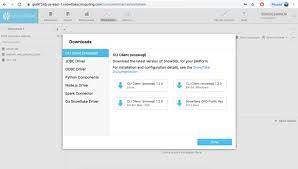 |