Azure DevOps Server (formerly Team Foundation Server, or TFS) is the on-premise version of Azure DevOps. To license Azure DevOps Server an Azure DevOps license and a Windows operating system license (e.g. Windows Server) for each machine running Azure DevOps Server.
N/A
BMC AMI DevX
Score 9.3 out of 10
N/A
BMC AMI DevX is an integrated software platform that provides mainframe development teams with modern Application Development and DevOps capabilities. The solution connects traditional mainframe environments with contemporary development practices through components for source code management, testing, debugging, and analytics.
N/A
Redgate Flyway
Score 9.0 out of 10
N/A
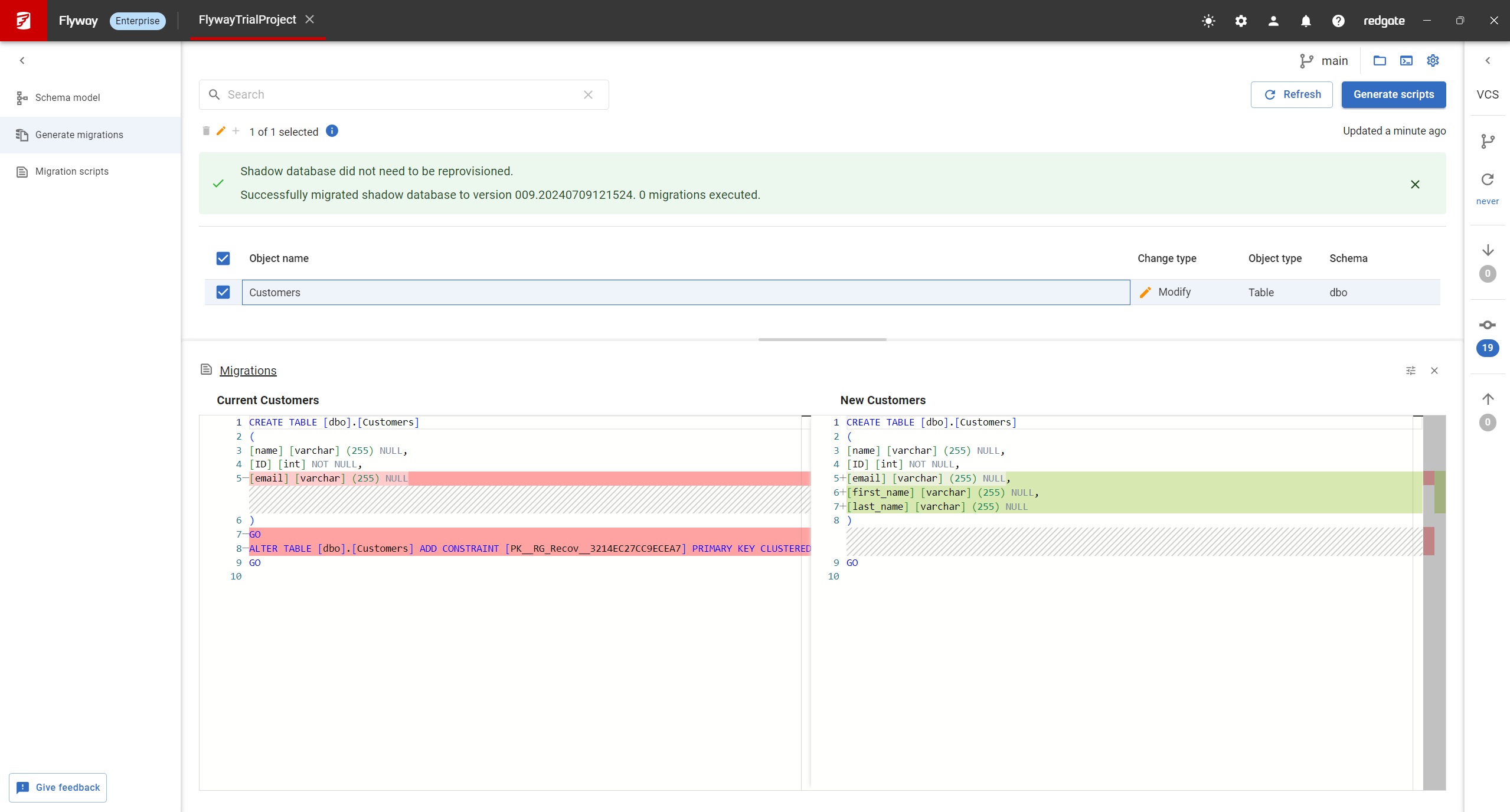
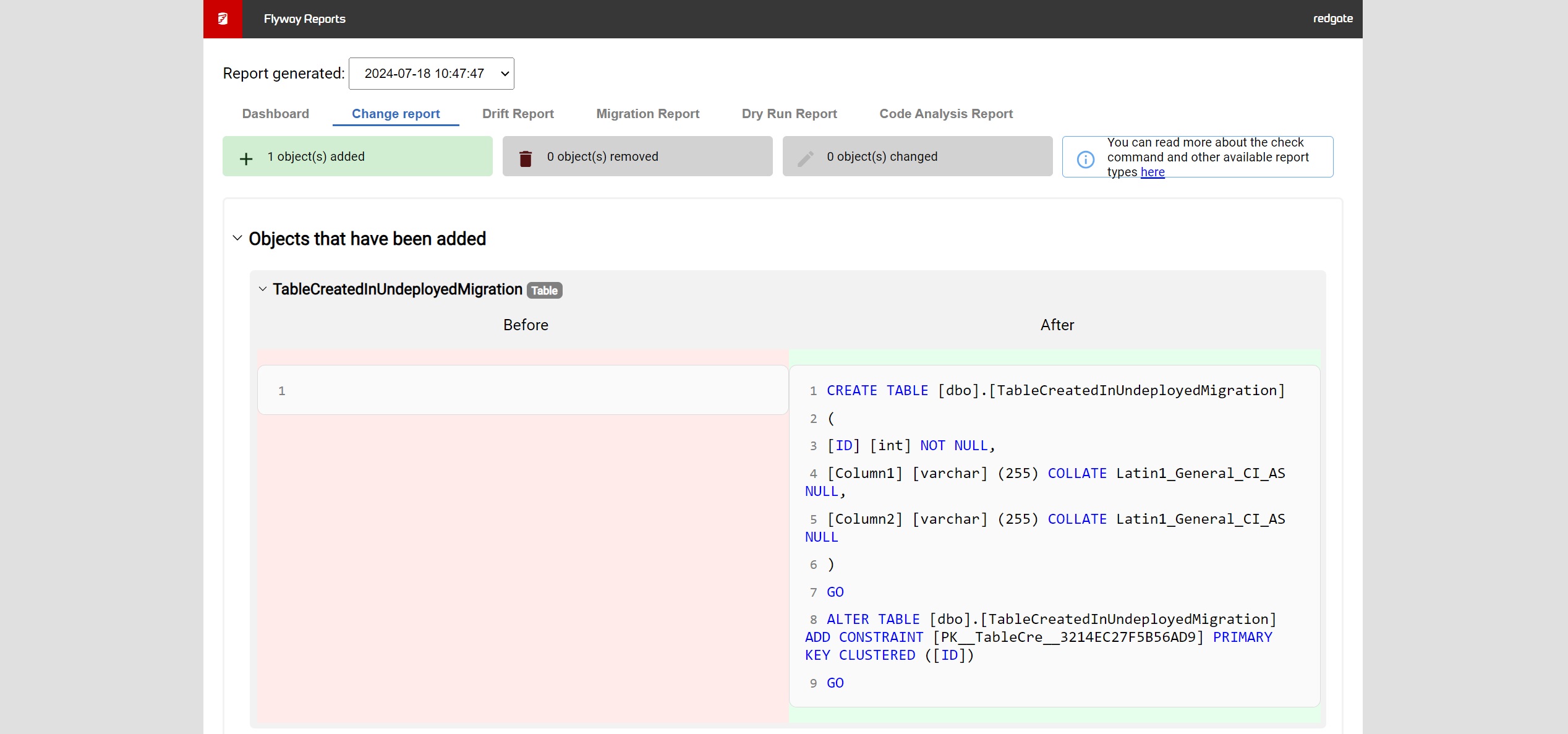
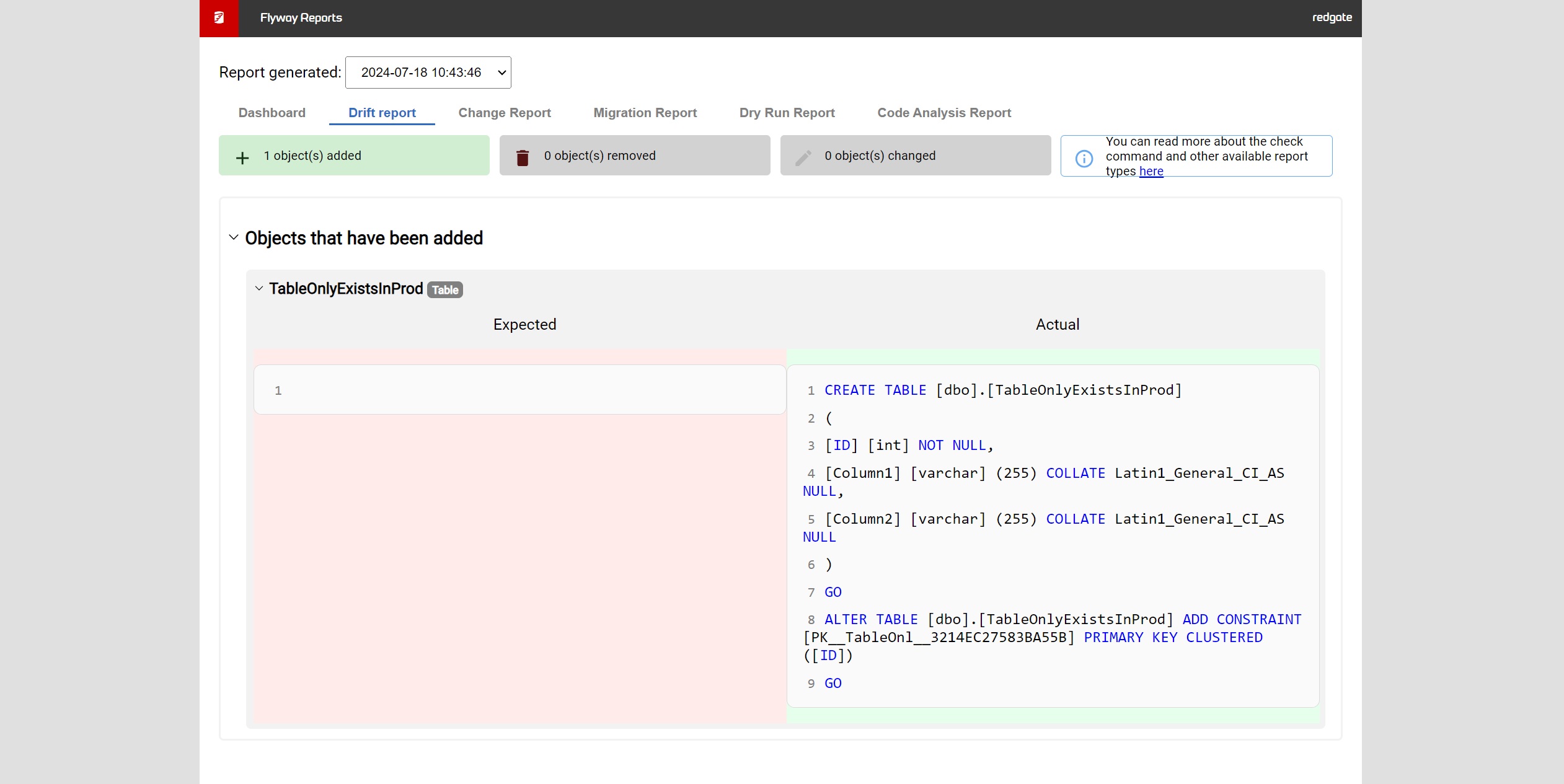
Redgate Flyway extends DevOps practices to databases to speed up software delivery while keeping business-critical data safe. From version control to continuous delivery, Redgate Flyway helps enterprises build on application delivery processes to automate database development and deployments.
Azure DevOps is good to use if you are all-in on the Microsoft Azure stack. It's fully integrated across Azure so it is a point-and-click for most of what you will need to achieve. If you are new to Azure make sure you get some outside experience to help you otherwise it is very easy to overcomplicate things and go down the wrong track, or for you to manually create things that come out of the box.
I love these tools! However, my company has not yet transitioned from SCLM to a modern repository, and this is causing most of our developers to remain within TSO for all their development. It's been a slow adoption up to this point, but we are moving toward more modernization this year and next, so with any luck, we'll see usage pick up. Success depends on the speed at which your management is willing to move.
Database Migrations on Java-based solutions. It has one of the best integrations with it as a database migration tool, you can do it with the community edition (no pricing involved) and it works flawlessly with Maven and Gradle. It's not an expensive tool in order to use the next level of features and is worth the money. I would recommend reaching that edition level as the object mapping feature gets really handy. I would not recommend it for any Microsoft-based solution (.Net) as is not compatible at all based on my experience, this is a tool only worth it with Java applications.
The tool I use is fairly intuitive. It doesn't take long to be using it full time.
Changing the layout/view is fairly easy. This allows it to fit individual preferences.
It is helpful to be able to view specific windows in full screen. Usually, I have it set up to view multiple windows, but sometimes, I just want to view one window in full-screen mode.
Because we are a Microsoft Gold Partner we utilize most of their software and we have so much invested in Team Foundation Server now it would take a catastrophic amount of time and resources to switch to a different product.
For standard users the interface is friendly. but if you are a manager some tools are a little confusing to use, like the query system that you always need to create from scratch. Templates should be more helpful for queries and for standard procedures that you need to duplicate PBIs over time. The search history of Work Items is a little painful to use.
It's very easy to install and use. Even someone very new to the software will have no trouble, plus the team reach out to help you and continue to offer you support throughout. Really simple interface, clean design, all you could really ask for in a tool that needs to do a job dependably
I have not had to use the support for Azure DevOps Server. There have never been any issues where I was not able to figure it out or quickly resolve. Our Scrum Master has used support before though, and the service has always been prompt and clear with a customer-focus
Support has been amazing compared to Optim. Further, new features are very regular with File-AID - I can't remember the last time Optim had a significant update. File-AID support is very receptive to feature requests and reported bugs, including sending out hotfixes quickly.
The installation teams for these products have never complained about any difficulties during the integration of this range of tools into our IT system.
In my opinion, DevOps covers the development process end to end way better than Jira or GitHub. Both competitors are nice in their specific fields but DevOps provides a more comprehensive package in my opinion. It is still crazy to see that the whole suite can be used for free. The productivity increase we realized with DevOps is worth real money!
The names may have changed over the years, but anyone who has been around for a while will recognize them. For Software Configuration Management, I have used TSO/ISPF/SCLM, Panvalet, ChangeMan, Librarian, Endevor, and now Code Pipeline. All of them met the basic requirements. All of them had their advantages and disadvantages. Code Pipeline, however, stands head and shoulders above the rest in simplicity, completeness, effectiveness, efficiency, and elegance.
The problem with a cloud-based tool for migration services is the cloud dependency. You are restricted to use the tool along the Cloud provider. Flyway gives you the freedom to use it in any scenario as long as you are working with a compatible database engine. Even if you are working on-premise and you don't have plans to move to a cloud architecture. Or even for sandbox development scenarios where you are a developer playing around with some project ideas. And you don't have to pay anything as long as you need advanced features, and not less importantly, you are using an open-source tool.
It has streamlined the pipeline and project management for our agile effort.
It has helped our agile team get organized since that is a new methodology being leveraged within the Enterprise.
The calendar has improved visibility into different OOOs across the project team since we all come from different departments across the larger organization.
Possitive impact. It is main product suite to enable devops in the mainframe applications team. All developers use these on day-to-day work.
Negative impact: Recent usability issues caused disappointment in the application teams. It became hard motivate the development community to increase usage.