
ChartLogic EMR vs. Intergy EHR
| Product | Rating | Most Used By | Product Summary | Starting Price |
|---|---|---|---|---|
 ChartLogic EMR | Score7.6 out of 10 | N/A | ChartLogic EMR is designed as a customizable and modular electronic medical record system by ChartLogic, which has since merged with Medsphere in 2016. | N/A |
 Intergy EHR | Score2.4 out of 10 | N/A | Intergy offers ambulatory practices a specialty-focused EHR and practice management solution. With Intergy’s tools, users can manage chronic conditions, capture payer incentives, and thrive in the world of value-based care. The ONC-certified solution has consolidated functionality that simplifies notation, automates tasks, and streamlines workflows. The Intergy ecosystem of products also includes telehealth, remote patient monitoring, chronic care management, patient portal, patient… | N/A |
| ChartLogic EMR | Intergy EHR | |||||||||||||||
|---|---|---|---|---|---|---|---|---|---|---|---|---|---|---|---|---|
| Editions & Modules | No answers on this topic | No answers on this topic | ||||||||||||||
| Offerings |
| |||||||||||||||
| Entry-level Setup Fee | No setup fee | No setup fee | ||||||||||||||
| Additional Details | — | — | ||||||||||||||
| More Pricing Information | ||||||||||||||||
| ChartLogic EMR | Intergy EHR | |
|---|---|---|
| Considered Both Products | No answer on this topic | No answer on this topic |
| Key User Insights | ||
| Would buy again | ||
No answers on this topic | 80% Would buy again 12 Answers | |
| Delivers good value for the price | ||
No answers on this topic | 92% Delivers good value for the price 11 Answers | |
| Happy with the feature set | ||
No answers on this topic | 87% Happy with the feature set 13 Answers | |
| Lived up to sales and marketing promises | ||
No answers on this topic | 83% Lived up to sales and marketing promises 5 Answers | |
| Implementation went as expected | ||
No answers on this topic | 75% Implementation went as expected 6 Answers | |
| ChartLogic EMR | Intergy EHR | ||||||||||||||||||||||||||||||||||
|---|---|---|---|---|---|---|---|---|---|---|---|---|---|---|---|---|---|---|---|---|---|---|---|---|---|---|---|---|---|---|---|---|---|---|---|
| Billing and Claims Management |
| ||||||||||||||||||||||||||||||||||
| Patient Scheduling |
| ||||||||||||||||||||||||||||||||||
| Electronic Medical Records |
| ||||||||||||||||||||||||||||||||||
| Medical Security and Privacy |
| ||||||||||||||||||||||||||||||||||
| Workflow and Scale |
| ||||||||||||||||||||||||||||||||||
| ChartLogic EMR | Intergy EHR | |
|---|---|---|
| Small Businesses |  athenaClinicals Score10 out of 10 | athenaClinicals Score10 out of 10 |
| Medium-sized Companies |  CareLogic EHR Score10 out of 10 | CareLogic EHR Score10 out of 10 |
| Enterprises |  Epic Score8.6 out of 10 | Epic Score8.6 out of 10 |
| All Alternatives | View all alternatives | View all alternatives |
| ChartLogic EMR | Intergy EHR | |
|---|---|---|
| Likelihood to Recommend | 9.0 | 1.0 |
| Usability | - | 1.0 |
| Availability | - | 8.0 |
| Performance | - | 7.0 |
| Support Rating | - | 8.2 |
| Implementation Rating | - | 3.0 |
| ChartLogic EMR | Intergy EHR | |
|---|---|---|
| Likelihood to Recommend |
|
|
| Pros |
|
|
| Cons |
|
|
| Usability | No answers on this topic |
|
| Support Rating | No answers on this topic |
|
| Implementation Rating | No answers on this topic |
|
| Alternatives Considered |
|
|
| Return on Investment |
|
|
| ScreenShots | Intergy EHR Screenshots    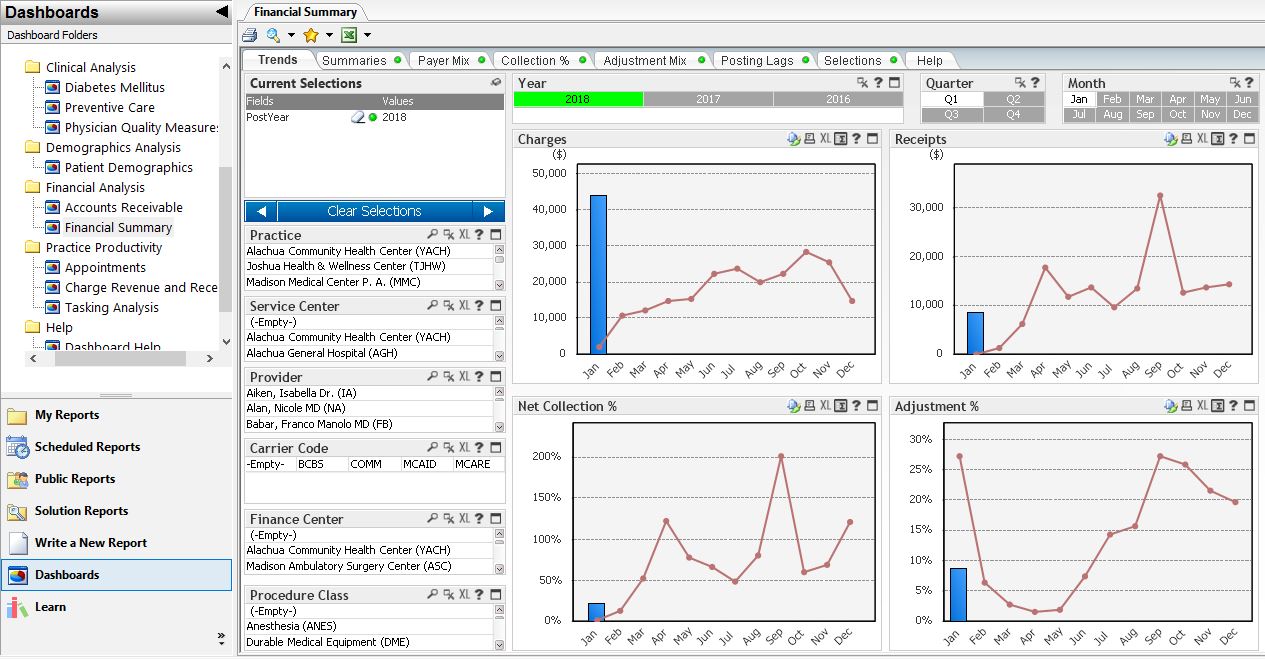  |



