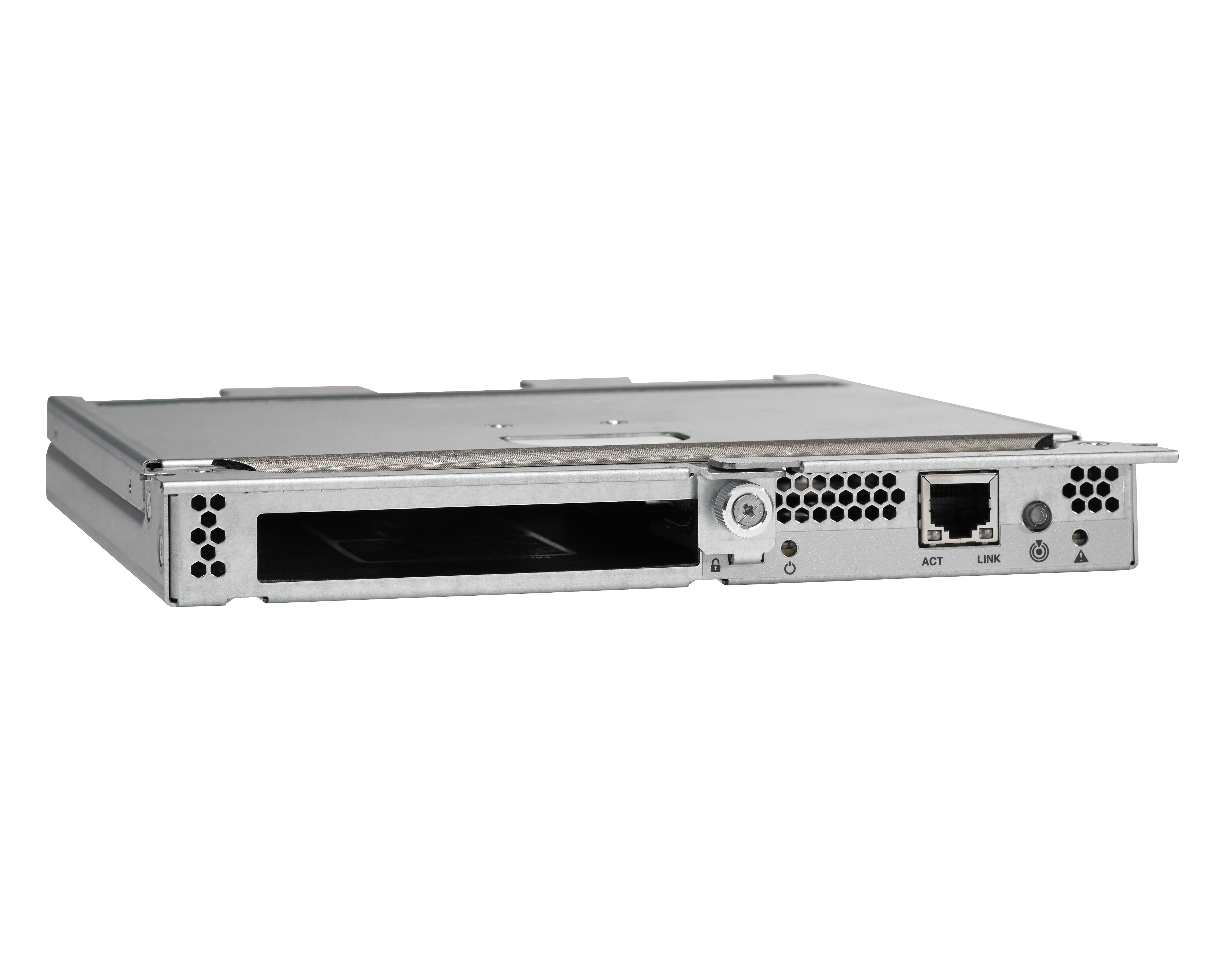
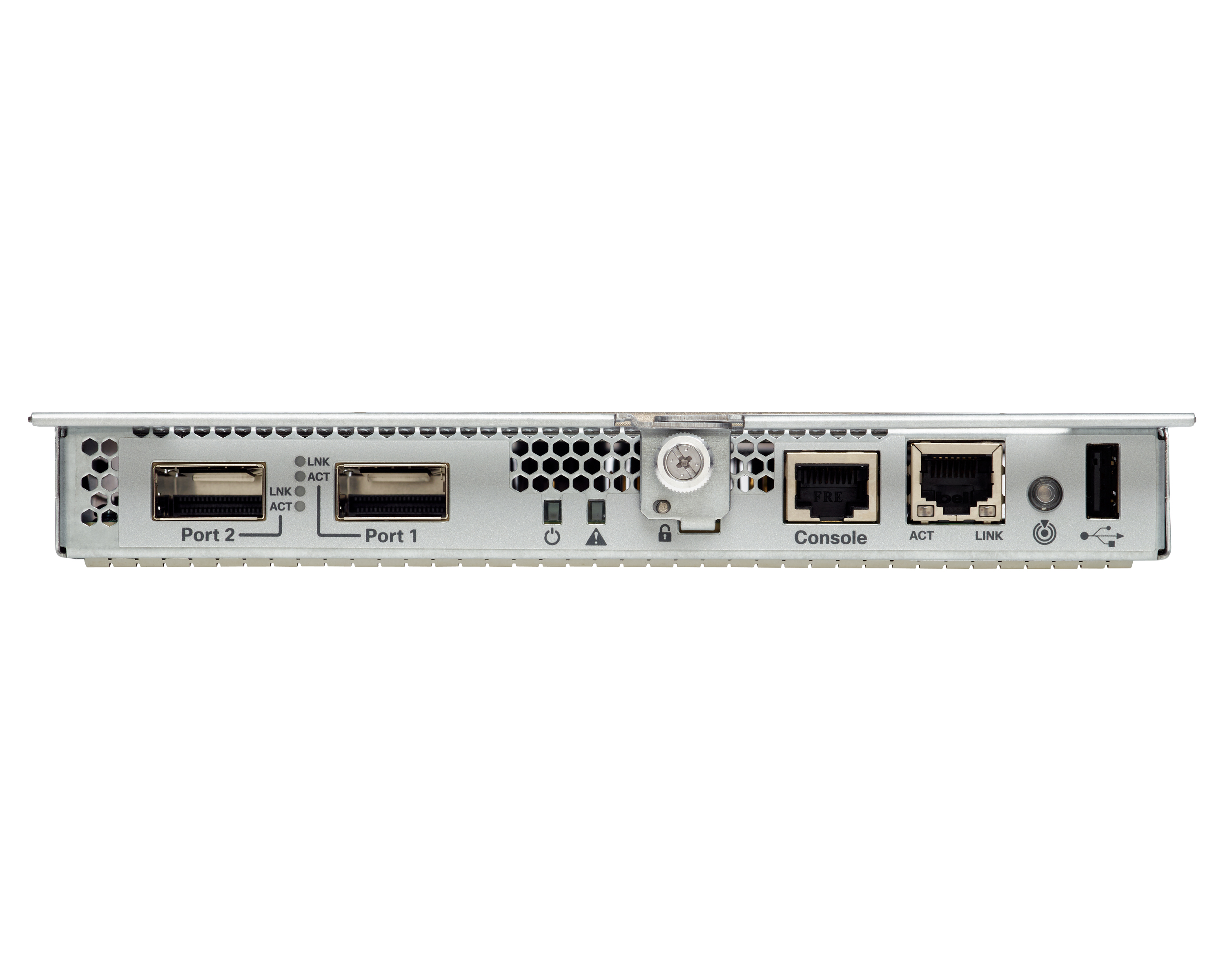
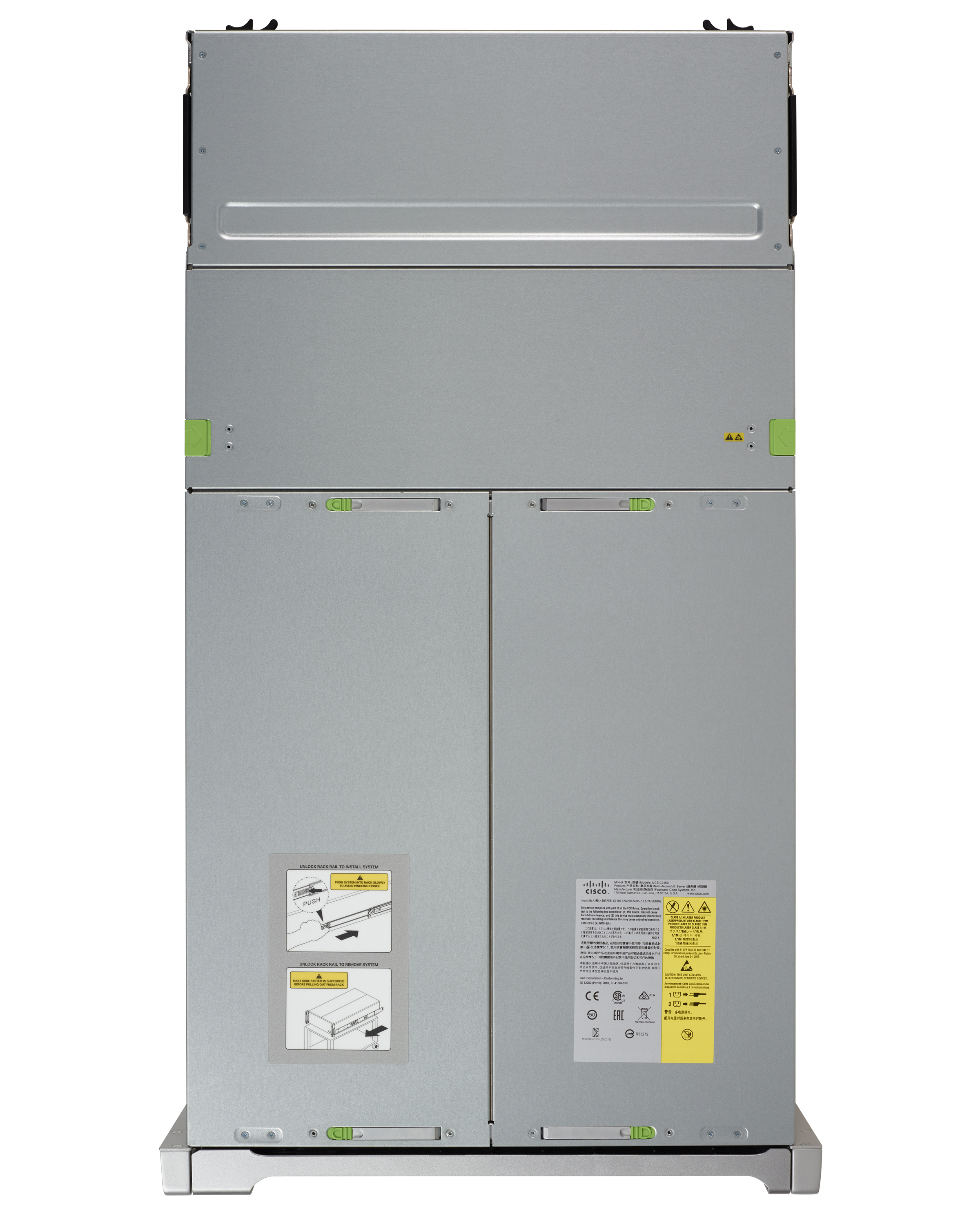
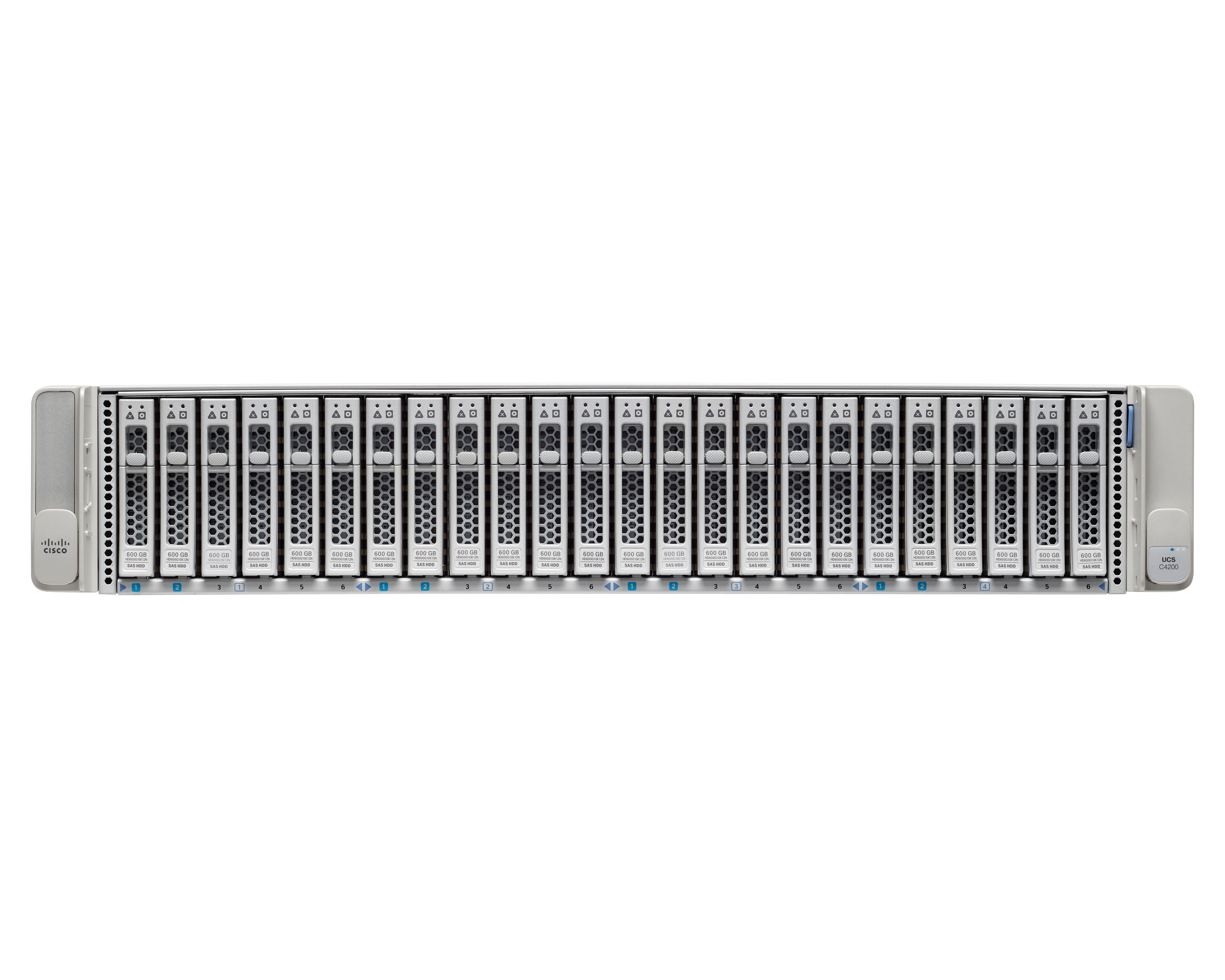
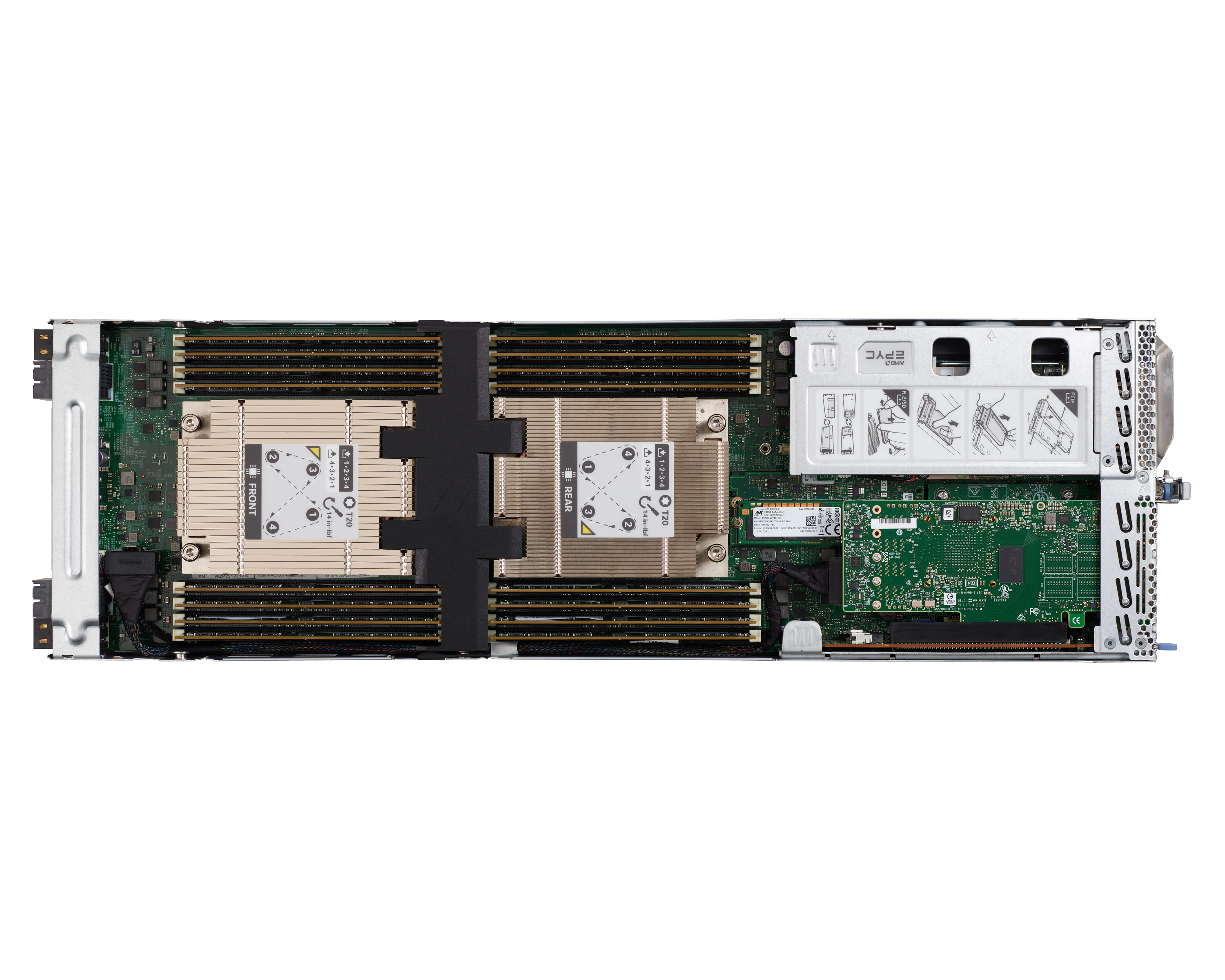
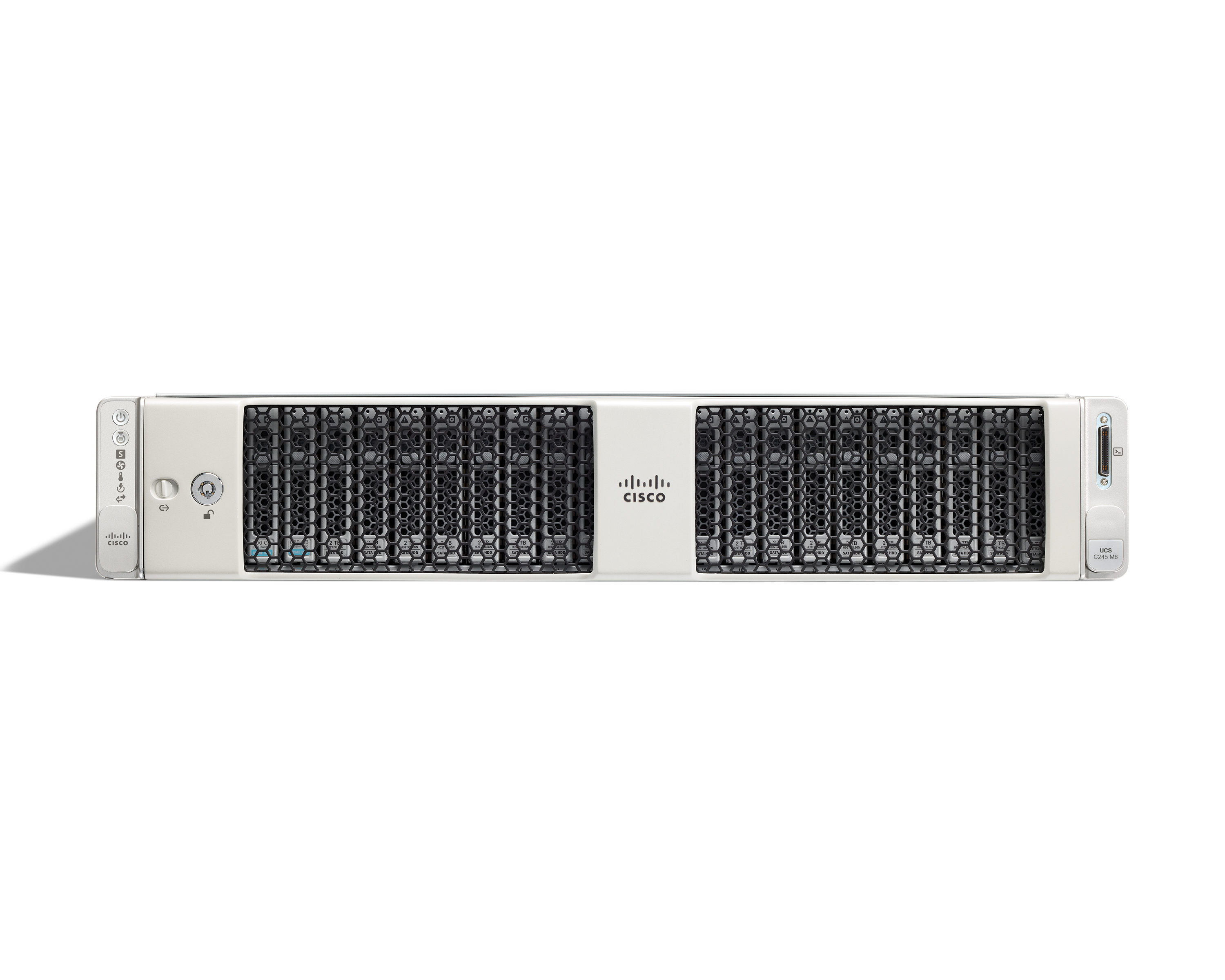
The Cisco UCS Series is a modular, high-density, high-availability, dual-node storage- optimized server suited for service providers, enterprises, and industry-specific environments. It provides dense, cost-effective storage to address your ever-growing data needs. Designed for a new class of data-intensive workloads, it is simple to deploy and excellent for applications for big data, data protection, software-defined storage environments, scale-out unstructured data repositories, media…
N/A
IBM PowerVM
Score 9.0 out of 10
N/A
IBM PowerVM provides a server virtualization environment.
Cisco UCS Series is well suited for Enterprise data centers, offering centralized management of server profiles and policies. 2-Enterprise data center, wherein rack space, cooling, and power are a challenge. 3- Mission-critical application, Cisco UCS Series is well suited, Cisco UCS Series is less appropriate in the following situations: 1. Small SMB (high upfront cost and complexity may be overkill). 2. Expensive solution for a small business. Most cost-effective to use traditional rack servers.
IBM PowerVM only is available on IBM POWER machines. It makes live much easier, compared to bare metal machines (OPAL) or machines with KVM. Personally I would not like to manage systems that don't have IBM PowerVM. The current line-up always includes IBM PowerVM (firmware built-in).
It's very customizable. It's customizable as in you have a chassis, but you could pick and choose the size of your blades puff with full width depending on what your workloads are. So in a way, you're not locked in. It's not like you buy a chassis and you're stuck into one thing could go and put, you need something that's storage intensive or maybe you've got more graphics intensive workload. You could choose and mix and match in the same.
IBM PowerVM is used for virtualization on IBM Power series hardware to utilize the hardware resources more efficiently like micro partitioning for CPU, NPIV for fibre port...etc
IBM PowerVM provides the feature of live partitioning mobility (LPM), which allows moving the running virtual machine from one hardware to another hardware without any disruption on a virtual machine.
IBM Power VM provides the feature of Integrated virtual manager (IVM), which helps to manage the single IBM Power hardware. There is no need to purchase a separate hardware management console to manage the Power hardware. This works well for small organizations having small environments.
Continue on development of platform management. Cisco has been notorious for terrible web applications but the functionality of this product is getting to where it is expected to be.
Recognition of this being a product in a competitive market. When I think of servers I do not think of Cisco. Cisco = Networking Dell,HP=Servers
3rd party interoperability. I love Cisco but being tied to proprietary hardware/software is not a functionality that the end user or customer benefits from.
Cisco UCS has been a highly reliable compute platform for our workloads, handling MSSQL, SSIS, virtualization (VMware vSphere), and analytics workloads with low latency and high efficiency. UCS Service Profiles and centralized management (UCS Manager, Intersight) make it easy to provision, scale, and manage compute resources efficiently across production and non-production environments. Our UCS setup integrates well with Pure Storage and Nimble HF40, delivering high IOPS, low latency, and fast throughput for data-intensive workloads. Cisco UCS hardware and licensing can be expensive compared to some alternative compute platforms, especially when considering cloud-based or hyperconverged options. While UCS can work in a hybrid cloud setup, it doesn’t natively integrate as seamlessly with public cloud providers like Azure or AWS compared to some newer solutions. We may need to evaluate Azure Stack HCI or AWS Outposts for future flexibility.
The product works. It provides the proven environment to support IBM's primary operating systems that run on the IBM Power processing systems. This by extension includes the IBM various storage products that work within that environment. It has proven to be seamless as the environment has grown and as various new products and version updates have been added. As with most IBM products, the support is excellent.
While Cisco's hardware is solid and long running, their software is usually the weak point. I will say that they are getting better with each release but if I had to find a problem with usability that would be it. Overall usability is good when you can work around software issues.
Since it is built into the firmware (hardware) it requires no separate installation (except for the Virtual I/O servers, if you need those). Both HMC and Novalink (with PowerVC) support IBM PowerVM well and offer a user-friendly interface to setting up LPARs and making changes, most on the fly. Modern systems also give insights into performance, power consumption etc. A lot of separate tools exist to show more details, like LPAR2RRD, IBM Instana, IBM Turbonomic etc.
The platform’s redundant fabric interconnects, power supplies, and built-in high-availability features ensure that systems remain online even during hardware failures or maintenance. Unplanned outages are rare, and when combined with proactive monitoring, UCS provides a very reliable environment for critical workloads.
The system performs exceptionally well in terms of speed and efficiency, with pages loading quickly, and reports completing in a reasonable time frame, even with complex configurations. The integration of UCS with other systems, such as VMware vSphere and storage solutions, has generally not caused noticeable performance degradation. The scalability of UCS allows it to handle growing workloads without significant slowdowns. However, the performance could be slightly impacted during hardware or firmware upgrades, but these instances have been rare and well-managed. Overall, the performance has met our expectations and continues to provide reliable results.
Cisco TAC is simply unbeatable and that goes for Cisco UCS server support just as well as it does for Cisco CUCM software. TAC has a well-deserved, excellent reputation and I do not hesitate to call them or open a ticket online, because I always know that I will get the help that I need and get it quickly
I would rate the in-person training as excellent. The sessions were well-structured, hands-on, and delivered by knowledgeable instructors who made UCS concepts easy to understand. It greatly improved our team’s confidence in managing the platform.
The training materials provided were generally informative and covered the essential aspects of the UCS platform, such as UCS Manager, Service Profiles, and integration with other systems. However, some of the training modules could benefit from being more hands-on and interactive. Additionally, certain advanced topics, like complex network configurations or troubleshooting hardware issues, were not covered in as much depth. Overall, while the training was useful, there’s room for improvement in terms of depth and practical application for more advanced users.
We were very satisfied with the implementation of Cisco UCS Series. The deployment was well-structured, Cisco’s support team was highly responsive, and the solution integrated smoothly with our existing infrastructure. The project was completed on time with minimal disruption to operations.
The Cisco UCS Series systems have far fewer hardware issues than the competition and seem to run longer than what we would be able to. They are also easier to manage from an admin perspective with easy to use tools, the right diagnostic and alerting and remote administration capabilities. They are a great product.
Our company utilizes VMware and PowerVM. VMware is very user friendly from an IT support view and makes supporting Windows OS easier. PowerVM is moving in that direction. PowerVM is better in that you can prioritize workloads across different VMs and be granular in your reservation of cores and virtual CPUs. PowerVM allows you to modify VM characteristics while the VM is up and running
Cisco UCS Series provides a highly flexible architecture with service profiles, fabric interconnects, and modular blades/rack servers, allowing organizations to scale compute and network resources across multiple departments and sites efficiently. The only minor limitation is that careful planning is required to maintain consistency at very large scales.
I'm going to start with the negative impact. Maybe in order to have the ease of use, you have to get some time to prepare correctly and to correctly to design the correct design. But now that you've done this time, you don't have to take that to get back to this configuration. You are all free. And this is the positive side, it's that when everything is prepared correctly, everything is smooth. So the use of the profiles, the connection of new servers, the decommissioning and the adding of new servers, the modification of configuration, everything is more easy to use and the less we interrupt user access to our service, the more the hospital is working fine and we can achieve a better support to our end users. And then to the patients.
We are able to run several LPARs on one frame, which means we do not need to buy as many physical servers. That saves on floor space, power, and heating and cooling of the data center, among other things.
Using LPM allows us to do maintenance on a frame without impacting the LPARs, giving us greater uptime.