
Conga Advantage CPQ vs. Workday Contract Lifecycle Management, powered by Evisort AI
| Product | Rating | Most Used By | Product Summary | Starting Price |
|---|---|---|---|---|
 Conga Advantage CPQ | Score8.9 out of 10 | N/A | Conga CPQ empowers sales, partners, and customers to efficiently configure complex products and services offerings, and provide personalized prices and quotes, utilizing codified product and pricing information - to drive higher win rates and a more pleasurable buying experience. Conga CPQ also helps to maintain a single price book, discounting structure, and quoting structure across all channels. With an API-first approach, configuration, pricing, or quoting… | $35 per month per user |
 Workday Contract Lifecycle Management, powered by Evisort AI | Score9 out of 10 | N/A | Workday Contract Lifecycle Management, powered by Evisort AI, streamlines end-to-end contract workflows. Its intelligent, AI-native contract repository can be up and running in days. It combines pre- trained and customizable AI with integrations and enterprise-grade governance. | N/A |
| Conga Advantage CPQ | Workday Contract Lifecycle Management, powered by Evisort AI | |||||||||||||||
|---|---|---|---|---|---|---|---|---|---|---|---|---|---|---|---|---|
| Editions & Modules | No answers on this topic | No answers on this topic | ||||||||||||||
| Offerings |
| |||||||||||||||
| Entry-level Setup Fee | Optional | No setup fee | ||||||||||||||
| Additional Details | — | — | ||||||||||||||
| More Pricing Information | ||||||||||||||||
| Conga Advantage CPQ | Workday Contract Lifecycle Management, powered by Evisort AI | |
|---|---|---|
| Considered Both Products | No answer on this topic | No answer on this topic |
| Key User Insights | ||
| Would buy again | ||
94% Would buy again 47 Answers | No answers on this topic | |
| Delivers good value for the price | ||
100% Delivers good value for the price 44 Answers | No answers on this topic | |
| Happy with the feature set | ||
92% Happy with the feature set 46 Answers | No answers on this topic | |
| Lived up to sales and marketing promises | ||
73% Lived up to sales and marketing promises 24 Answers | No answers on this topic | |
| Implementation went as expected | ||
77% Implementation went as expected 27 Answers | No answers on this topic | |
| Conga Advantage CPQ | Workday Contract Lifecycle Management, powered by Evisort AI | |||||||||||||||||||||||||||||||||||||
|---|---|---|---|---|---|---|---|---|---|---|---|---|---|---|---|---|---|---|---|---|---|---|---|---|---|---|---|---|---|---|---|---|---|---|---|---|---|---|
| CPQ |
| |||||||||||||||||||||||||||||||||||||
| Contract Authoring | ||||||||||||||||||||||||||||||||||||||
| Contract Collaboration |
| |||||||||||||||||||||||||||||||||||||
| Contract Monitoring |
| |||||||||||||||||||||||||||||||||||||
| Conga Advantage CPQ | Workday Contract Lifecycle Management, powered by Evisort AI | |
|---|---|---|
| Small Businesses |  QuoteWerks Score9.8 out of 10 |  DocuSign CLM Score8.2 out of 10 |
| Medium-sized Companies | QuoteWerks Score9.8 out of 10 |  Conga CLM Score8.8 out of 10 |
| Enterprises |  Agentforce Revenue Management Score8.6 out of 10 | Conga CLM Score8.8 out of 10 |
| All Alternatives | View all alternatives | View all alternatives |
| Conga Advantage CPQ | Workday Contract Lifecycle Management, powered by Evisort AI | |
|---|---|---|
| Likelihood to Recommend | 8.9 | 5.0 |
| Likelihood to Renew | 9.8 | - |
| Usability | 8.0 | 6.0 |
| Availability | 10.0 | - |
| Performance | 10.0 | - |
| Support Rating | 6.0 | 5.0 |
| Online Training | 7.0 | - |
| Implementation Rating | 1.0 | - |
| Conga Advantage CPQ | Workday Contract Lifecycle Management, powered by Evisort AI | |
|---|---|---|
| Likelihood to Recommend |
|
|
| Pros |
|
|
| Cons |
|
|
| Likelihood to Renew |
| No answers on this topic |
| Usability |
|
|
| Reliability and Availability |
| No answers on this topic |
| Support Rating |
|
|
| Online Training |
| No answers on this topic |
| Implementation Rating |
| No answers on this topic |
| Alternatives Considered |
|
|
| Return on Investment |
|
|
| ScreenShots | Conga Advantage CPQ Screenshots    | Workday Contract Lifecycle Management, powered by Evisort AI Screenshots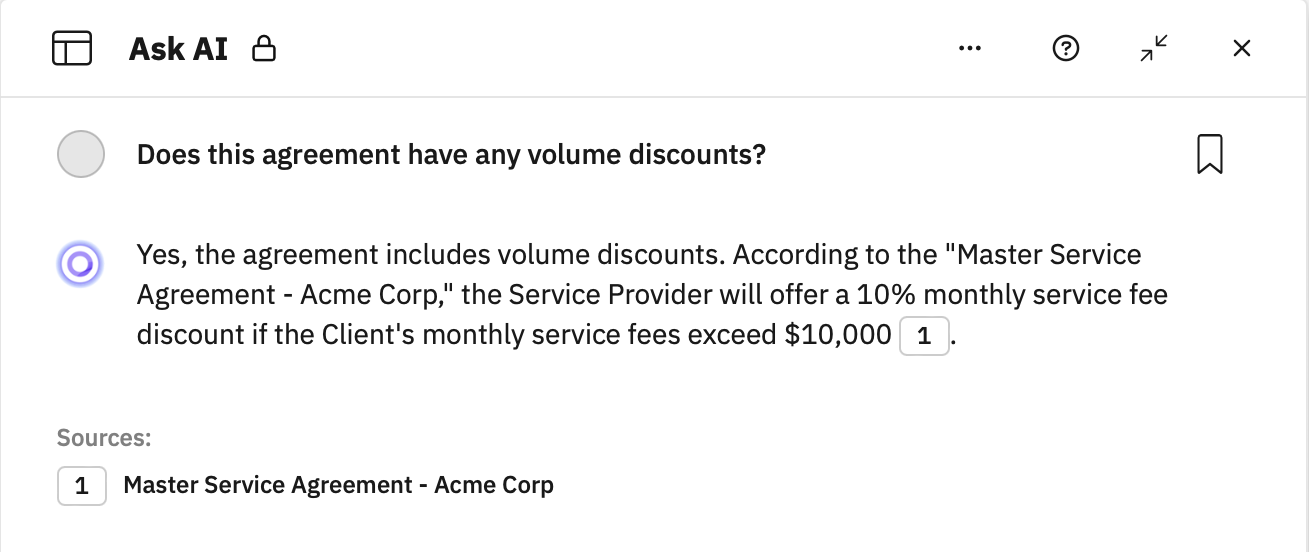 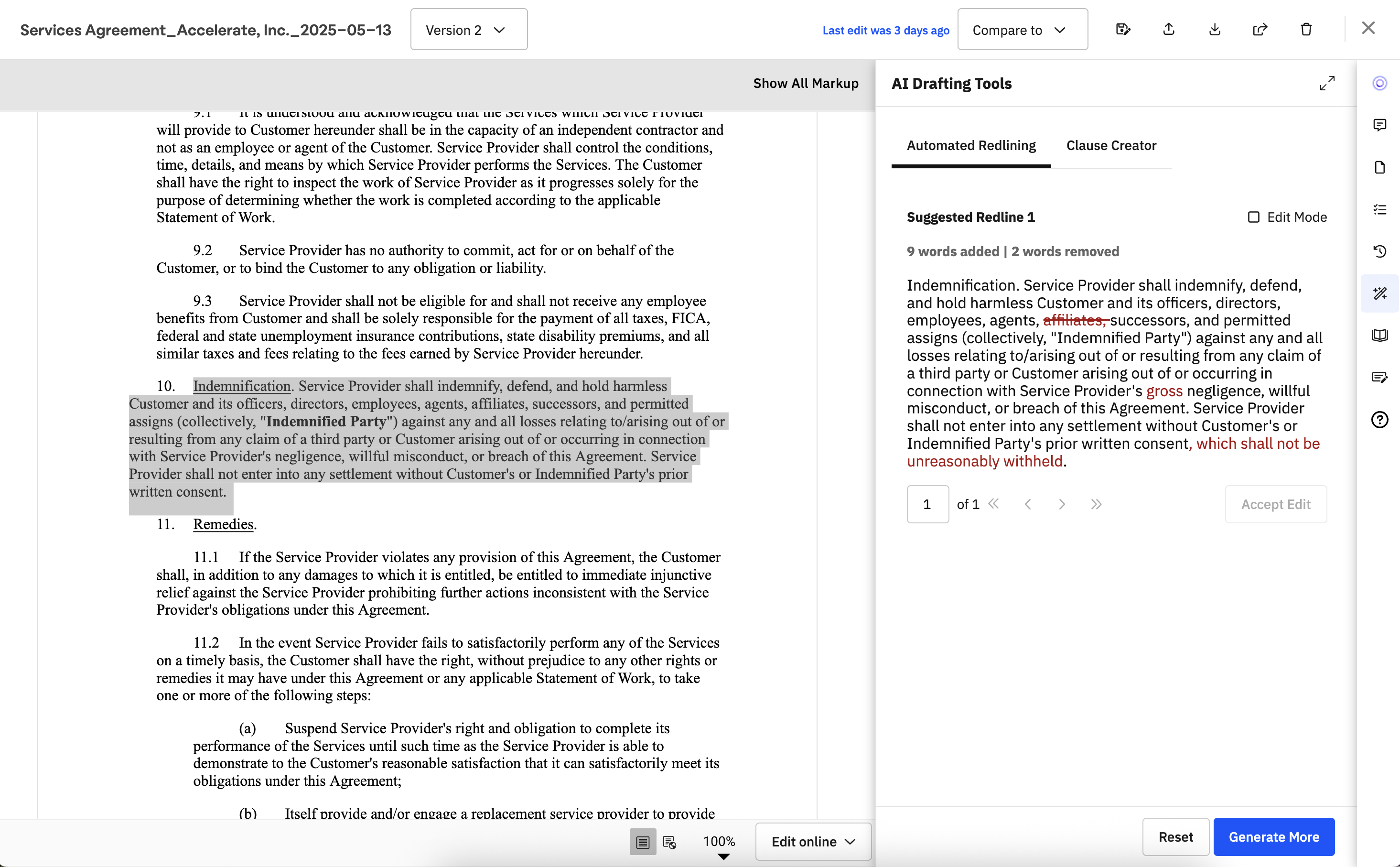 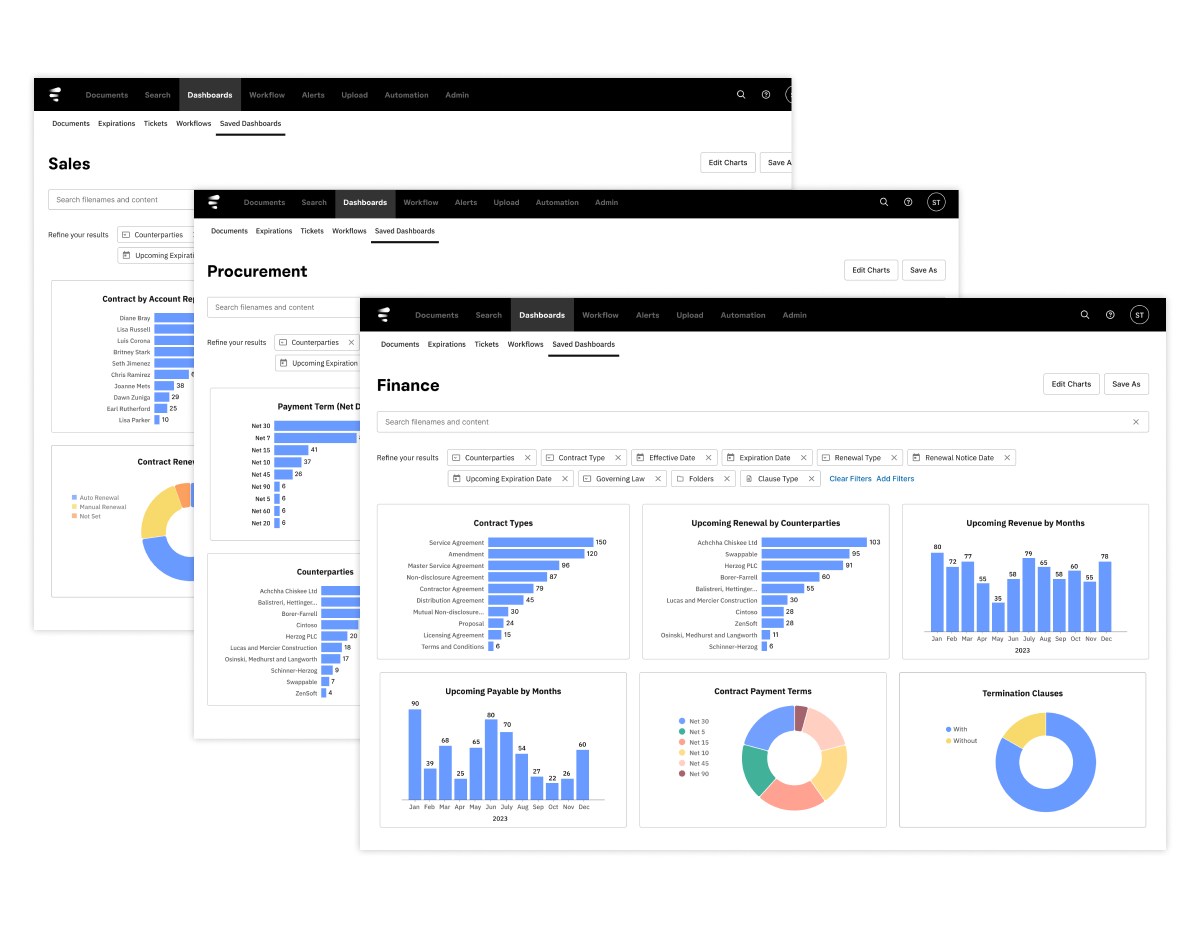 |


