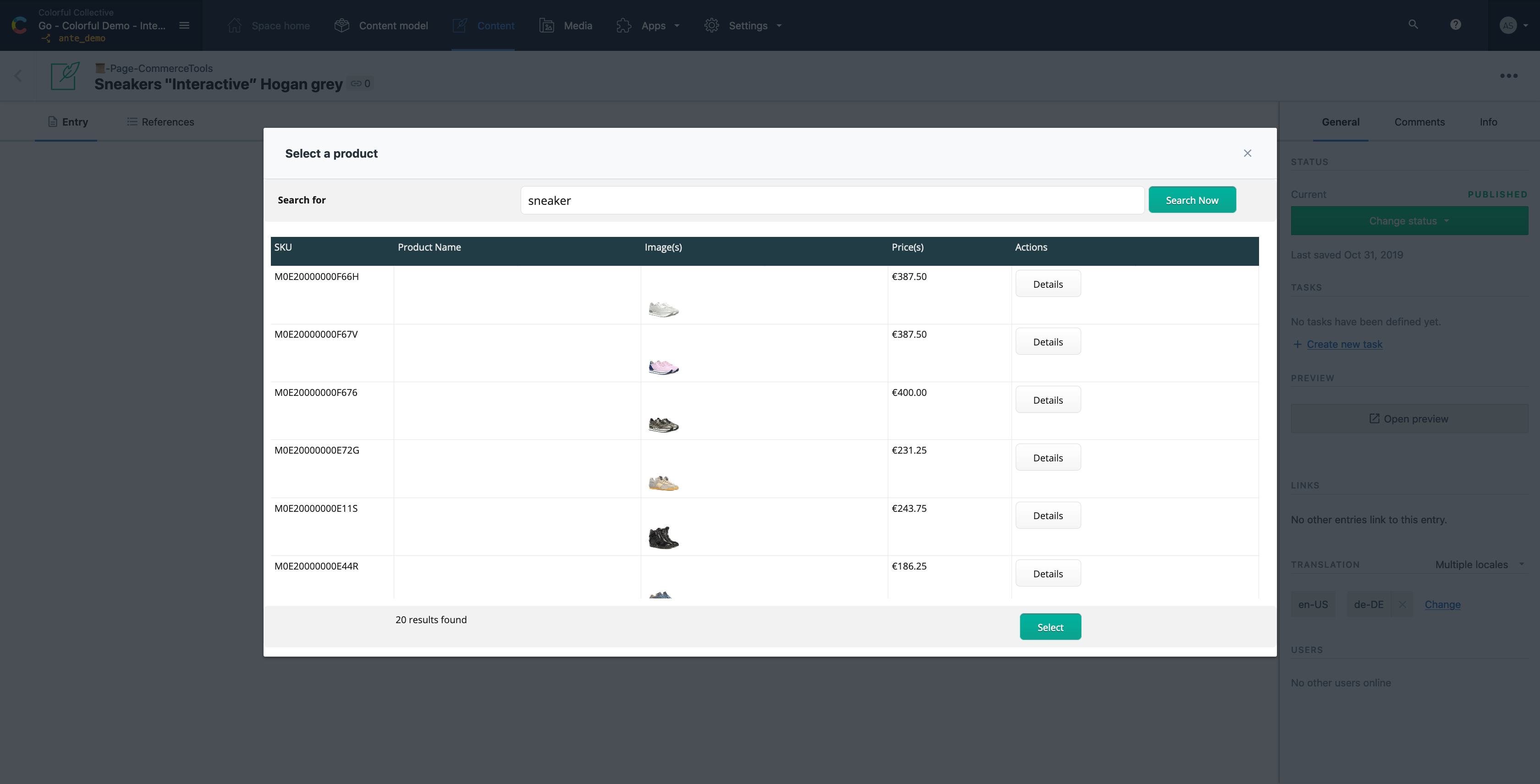
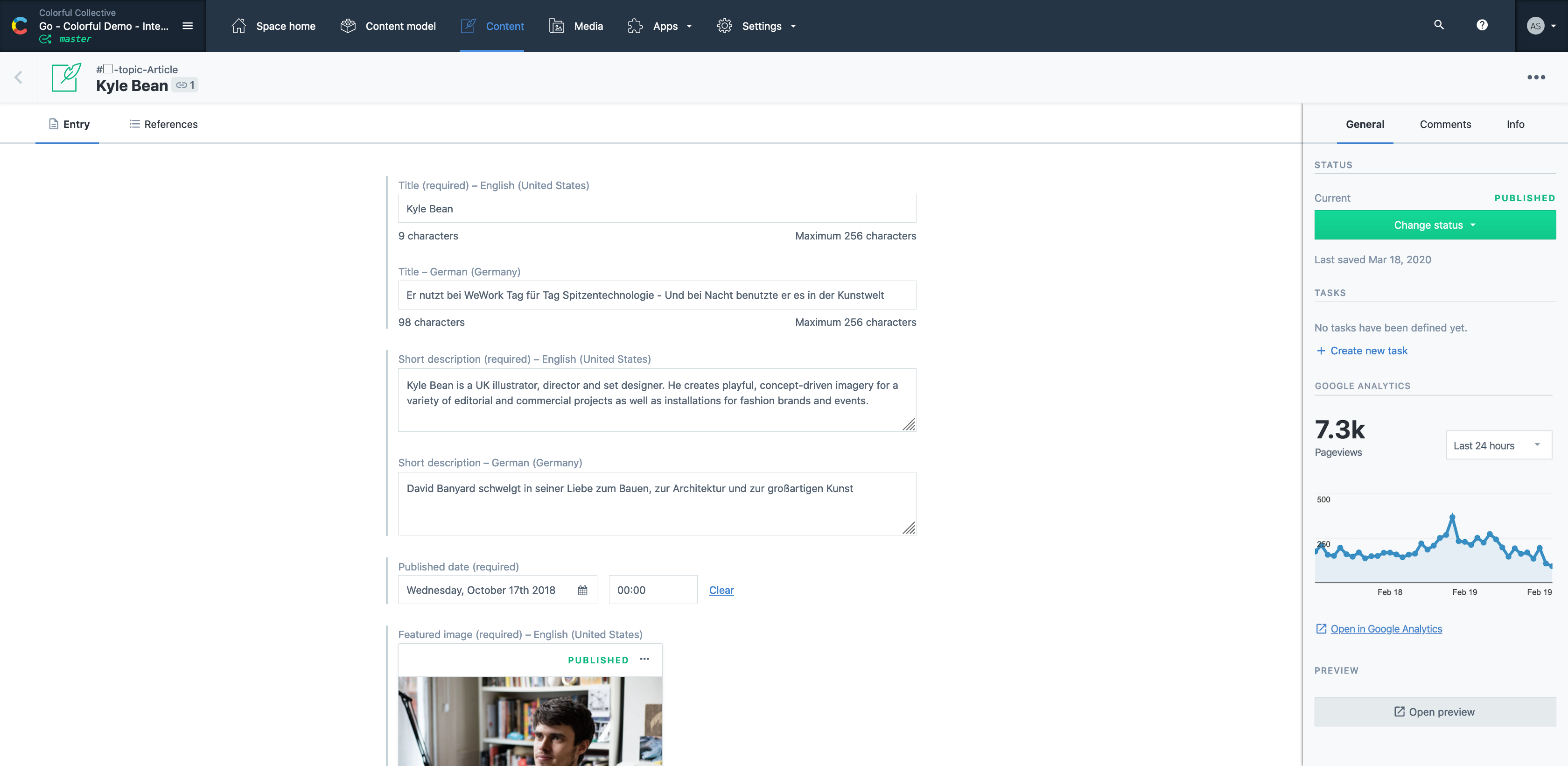
Contentful is a cloud based CMS solution that provides the ability to manage content across multiple platforms.The editing interface allows for managing content interactively and provides developers the ability to deliver the content with the programming language and template framework of their choice.
$0
Divi
Score 9.4 out of 10
N/A
More than just a WordPress theme, Divi is a website building platform that replaces the standard WordPress post editor with a new visual editor. The vendor states it can be enjoyed by design professionals and newcomers alike, and is designed to give users the ability to create spectacular designs with ease and efficiency.
$89
per year
Pricing
Contentful
Divi
Editions & Modules
Lite
$300
per month
Community
Free
Enterprise
Custom
Divi
$89
per year
Divi Pro
$277
per year
Divi Lifetime + Pro Services
$297
today + 212 each following year
Offerings
Pricing Offerings
Contentful
Divi
Free Trial
Yes
No
Free/Freemium Version
Yes
No
Premium Consulting/Integration Services
Yes
No
Entry-level Setup Fee
Optional
No setup fee
Additional Details
—
Lifetime subscriptions are also available for a one time fee.
More Pricing Information
Community Pulse
Contentful
Divi
Features
Contentful
Divi
Security
Comparison of Security features of Product A and Product B
Contentful
8.5
10 Ratings
3% above category average
Divi
8.9
8 Ratings
8% above category average
Role-based user permissions
8.510 Ratings
8.98 Ratings
Platform & Infrastructure
Comparison of Platform & Infrastructure features of Product A and Product B
Contentful
9.5
12 Ratings
20% above category average
Divi
6.3
8 Ratings
21% below category average
API
9.311 Ratings
9.87 Ratings
Internationalization / multi-language
9.79 Ratings
2.96 Ratings
Web Content Creation
Comparison of Web Content Creation features of Product A and Product B
Contentful
7.8
13 Ratings
0% below category average
Divi
8.8
10 Ratings
12% above category average
WYSIWYG editor
7.34 Ratings
10.09 Ratings
Code quality / cleanliness
9.58 Ratings
8.07 Ratings
Admin section
9.311 Ratings
9.210 Ratings
Page templates
7.64 Ratings
8.710 Ratings
Library of website themes
7.52 Ratings
8.310 Ratings
Mobile optimization / responsive design
4.57 Ratings
9.210 Ratings
Publishing workflow
9.312 Ratings
10.08 Ratings
Form generator
7.01 Ratings
6.810 Ratings
Web Content Management
Comparison of Web Content Management features of Product A and Product B
It's a great all rounder for content projects. It's easy in the basics and powerful in the complex, data heavy scenarios. Extending the platform is straightforward and the SDK gives you everything you need. If you have many many varying content types , it gets expensive and perhaps not the best choice .
Contentful uses "references" to allow you to build very modular content. If I have a "slider" content type, I can create a "slide" content type which references a "button" content type, and so forth. This works well, but I occasionally wish there was a better solution for one-off content, like a settings page. Currently, this is done for creating an entire content type called "settings" with a single entry. Not a big deal, but not ideal, either.
There are a few quirks with GatsbyJS integration, etc, but these issues are being fixed and improved upon very quickly.
A minor gripe, but Contentful does not have a way to organize fields within an entry. Entries with many fields are somewhat tiresome to scroll through.
The load time of the builder could be faster. On some websites it takes a long time to load, and may crash the page. (I believe they've said they're working on this stability issue.)
Warnings on updates if they're difficult for some sites to run. I have one website that has crashed more than once from Divi's theme updates. I always back it up before the update so I restore the site, but this is still a bit of an inconvenience.
Integrated (or more clearly marked) tutorials within the builder. I migrate site maintenance and ownership to clients after the site is complete and some could use refreshers within the builder on what happens where i.e. the difference between a section, row, module.
It is a very easy to use and configure application. I find that it is on the user to manage the content after the models have been created, yet I still do not encounter issues finding or creating new components for our site. It is easy to set up and easy to navigate.
Easy to use and much more organized as a single platform versus multi. The layout is clean and easy to read and we don’t have to worry about certain users safe guarding data or content then losing it when they leave the company. It’s a one stop shop for imagery
Contentful has saved us valuable development time that was previously spent doing deploys for minor content updates.
Contentful has helped us maintain consistent documentation, reducing time needed to review for consistency.
Can't say we've really experienced any negative ROI impacts from using Contentful, but we've run into some limitations in adding too many content models and the next pricing tier is substantially more expensive.