
Dataiku vs. SAP Integrated Business Planning
| Product | Rating | Most Used By | Product Summary | Starting Price |
|---|---|---|---|---|
 Dataiku | Score8.6 out of 10 | N/A | The Dataiku platform unifies data work from analytics to Generative AI. It supports enterprise analytics with visual, cloud-based tooling for data preparation, visualization, and workflow automation. | N/A |
 SAP Integrated Business Planning | Score8.6 out of 10 | N/A | SAP supports supply chain management with Integrated Business Planning, the company's real-time cloud-based supply chain planning platform supporting demand response, supply planning and inventory management oriented features, with supply chain analytics to support decisioning. | N/A |
| Dataiku | SAP Integrated Business Planning | |||||||||||||||
|---|---|---|---|---|---|---|---|---|---|---|---|---|---|---|---|---|
| Editions & Modules |
| No answers on this topic | ||||||||||||||
| Offerings |
| |||||||||||||||
| Entry-level Setup Fee | No setup fee | Optional | ||||||||||||||
| Additional Details | — | — | ||||||||||||||
| More Pricing Information | ||||||||||||||||
| Dataiku | SAP Integrated Business Planning | |
|---|---|---|
| Considered Both Products | No answer on this topic | No answer on this topic |
| Key User Insights | ||
| Would buy again | ||
100% Would buy again 5 Answers | 89% Would buy again 58 Answers | |
| Delivers good value for the price | ||
No answers on this topic | 96% Delivers good value for the price 52 Answers | |
| Happy with the feature set | ||
100% Happy with the feature set 5 Answers | 92% Happy with the feature set 60 Answers | |
| Lived up to sales and marketing promises | ||
No answers on this topic | 92% Lived up to sales and marketing promises 36 Answers | |
| Implementation went as expected | ||
No answers on this topic | 87% Implementation went as expected 47 Answers | |
| Dataiku | SAP Integrated Business Planning | |||||||||||||||||||||||||
|---|---|---|---|---|---|---|---|---|---|---|---|---|---|---|---|---|---|---|---|---|---|---|---|---|---|---|
| Platform Connectivity |
| |||||||||||||||||||||||||
| Data Exploration |
| |||||||||||||||||||||||||
| Data Preparation |
| |||||||||||||||||||||||||
| Platform Data Modeling |
| |||||||||||||||||||||||||
| Model Deployment |
| |||||||||||||||||||||||||
| Supply Chain Planning |
| |||||||||||||||||||||||||
| Procurement Management |
| |||||||||||||||||||||||||
| Order Fulfillment Management |
| |||||||||||||||||||||||||
| Logistics and Transportation Management |
| |||||||||||||||||||||||||
| Warehouse & Inventory Management |
| |||||||||||||||||||||||||
| Demand Management |
| |||||||||||||||||||||||||
| Dataiku | SAP Integrated Business Planning | |
|---|---|---|
| Small Businesses |  RapidMiner Score8.9 out of 10 | No answers on this topic |
| Medium-sized Companies |  Anaconda Score8.8 out of 10 | No answers on this topic |
| Enterprises |  IBM Watson Studio Score10 out of 10 | No answers on this topic |
| All Alternatives | View all alternatives | View all alternatives |
| Dataiku | SAP Integrated Business Planning | |
|---|---|---|
| Likelihood to Recommend | 10.0 | 8.5 |
| Likelihood to Renew | - | 10.0 |
| Usability | 10.0 | 8.3 |
| Support Rating | 9.4 | 10.0 |
| Implementation Rating | - | 10.0 |
| Dataiku | SAP Integrated Business Planning | |
|---|---|---|
| Likelihood to Recommend |
|
|
| Pros |
|
|
| Cons |
|
|
| Likelihood to Renew | No answers on this topic |
|
| Usability |
|
|
| Support Rating |
|
|
| Implementation Rating | No answers on this topic |
|
| Alternatives Considered |
|
|
| Return on Investment |
|
|
| ScreenShots | SAP Integrated Business Planning Screenshots  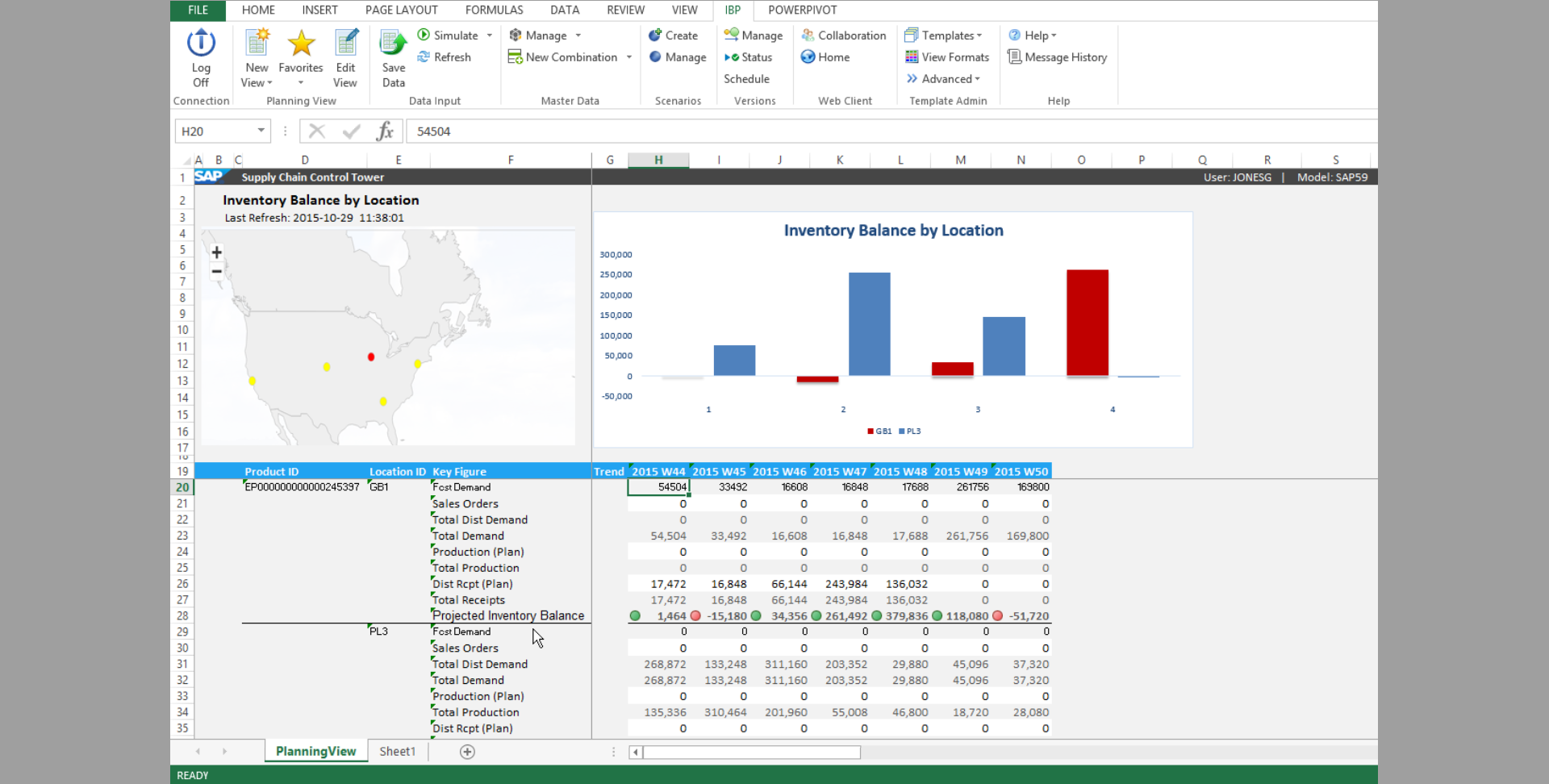 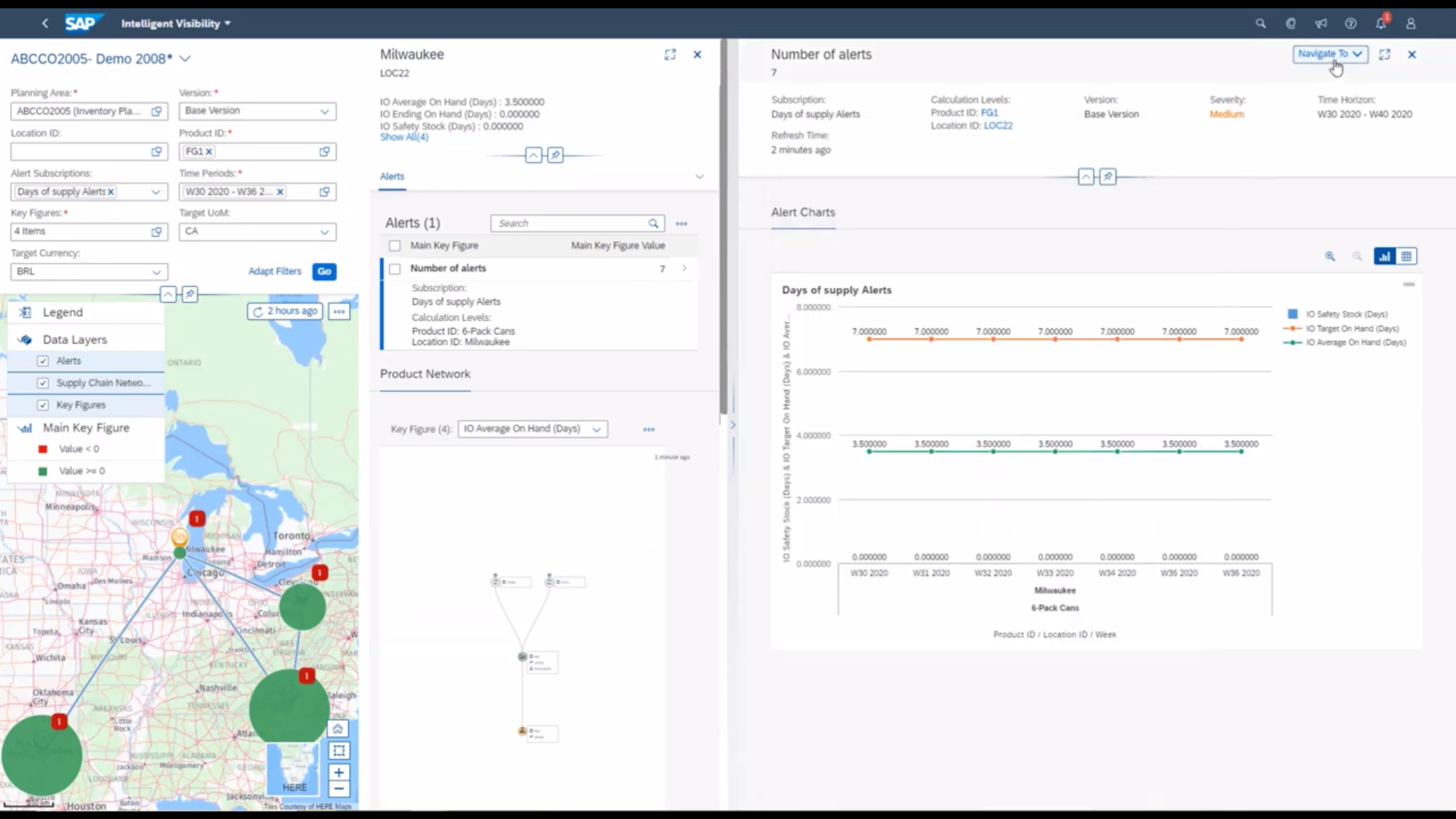 |


