
Dell PowerScale vs. Maia by Matillion
| Product | Rating | Most Used By | Product Summary | Starting Price |
|---|---|---|---|---|
 Dell PowerScale | Score10 out of 10 | N/A | Dell Technologies presents Dell PowerScale (replacing EMC Isilon) as a scale-out NAS solution and server technology that provides the flexibility of a software-defined architecture with accelerated hardware innovations to harness the value of data. Isilon Systems was acquired by EMC in 2010; some EMC Isilon NAS appliances are still available and supported under the PowerScale brand. | N/A |
 Maia by Matillion | Score8.5 out of 10 | N/A | Maia by Matillion is an autonomous data engineering platform designed to automate the lifecycle of data pipelines through AI-driven orchestration. The solution functions as an enterprise "digital workforce" that translates natural language requirements into production-ready DataPipelines, leveraging a Pushdown Architecture to execute transformations natively within cloud data warehouses. | N/A |
| Dell PowerScale | Maia by Matillion | |||||||||||||||
|---|---|---|---|---|---|---|---|---|---|---|---|---|---|---|---|---|
| Editions & Modules | No answers on this topic | No answers on this topic | ||||||||||||||
| Offerings |
| |||||||||||||||
| Entry-level Setup Fee | No setup fee | No setup fee | ||||||||||||||
| Additional Details | — | Billed directly via cloud marketplace on an hourly basis, with annual subscriptions available depending on the customer's cloud data warehouse provider. | ||||||||||||||
| More Pricing Information | ||||||||||||||||
| Dell PowerScale | Maia by Matillion | |
|---|---|---|
| Considered Both Products | No answer on this topic | No answer on this topic |
| Key User Insights | ||
| Would buy again | ||
No answers on this topic | 86% Would buy again 54 Answers | |
| Delivers good value for the price | ||
No answers on this topic | 95% Delivers good value for the price 53 Answers | |
| Happy with the feature set | ||
No answers on this topic | 94% Happy with the feature set 59 Answers | |
| Lived up to sales and marketing promises | ||
No answers on this topic | 95% Lived up to sales and marketing promises 42 Answers | |
| Implementation went as expected | ||
No answers on this topic | 93% Implementation went as expected 52 Answers | |
| Dell PowerScale | Maia by Matillion | |||||||||||||||||||
|---|---|---|---|---|---|---|---|---|---|---|---|---|---|---|---|---|---|---|---|---|
| Data Source Connection |
| |||||||||||||||||||
| Data Transformations |
| |||||||||||||||||||
| Data Modeling |
| |||||||||||||||||||
| Data Governance |
| |||||||||||||||||||
| Dell PowerScale | Maia by Matillion | |
|---|---|---|
| Small Businesses | No answers on this topic |  Skyvia Score10 out of 10 |
| Medium-sized Companies | No answers on this topic |  IBM InfoSphere Information Server Score10 out of 10 |
| Enterprises | No answers on this topic |  SolarWinds Task Factory Score8.3 out of 10 |
| All Alternatives | View all alternatives | View all alternatives |
| Dell PowerScale | Maia by Matillion | |
|---|---|---|
| Likelihood to Recommend | 9.0 | 8.7 |
| Likelihood to Renew | - | 8.6 |
| Usability | - | 8.5 |
| Support Rating | - | 7.4 |
| Implementation Rating | - | 8.2 |
| Data Sharing and Collaboration | - | 9.0 |
| Data Sources | - | 9.0 |
| Product Scalability | - | 8.2 |
| Vendor post-sale | - | 9.1 |
| Vendor pre-sale | - | 9.1 |
| Dell PowerScale | Maia by Matillion | |
|---|---|---|
| Likelihood to Recommend |
|
|
| Pros |
|
|
| Cons |
|
|
| Likelihood to Renew | No answers on this topic |
|
| Usability | No answers on this topic |
|
| Support Rating | No answers on this topic |
|
| Implementation Rating | No answers on this topic |
|
| Alternatives Considered |
|
|
| Scalability | No answers on this topic |
|
| Return on Investment |
|
|
| ScreenShots | Maia by Matillion Screenshots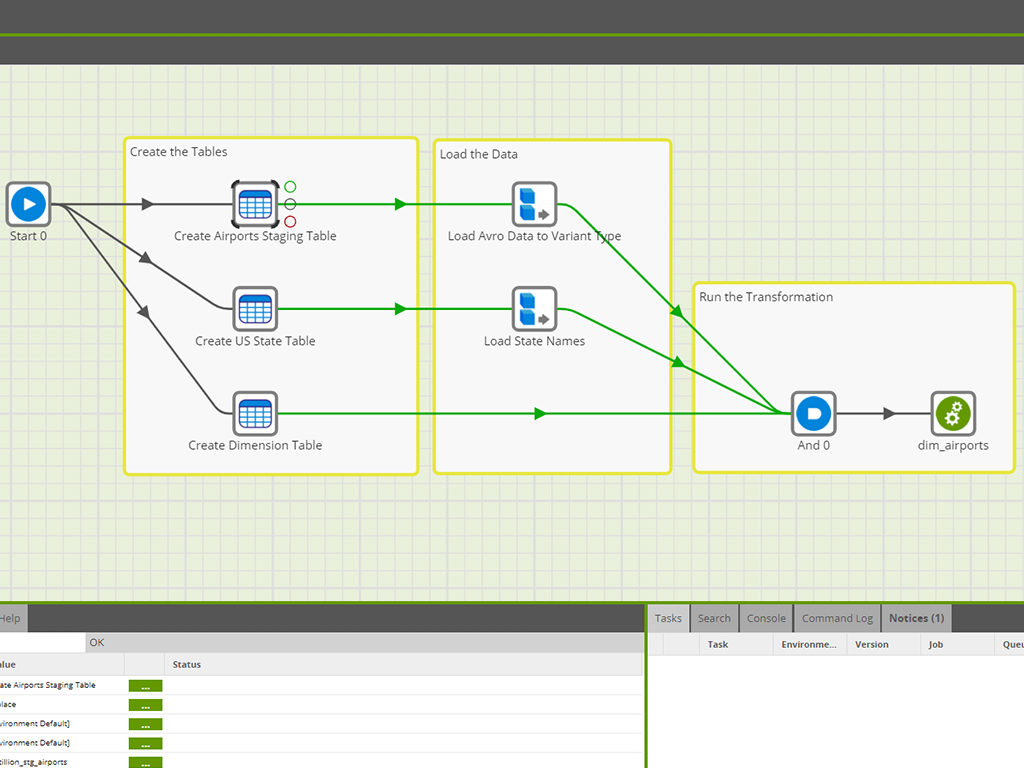 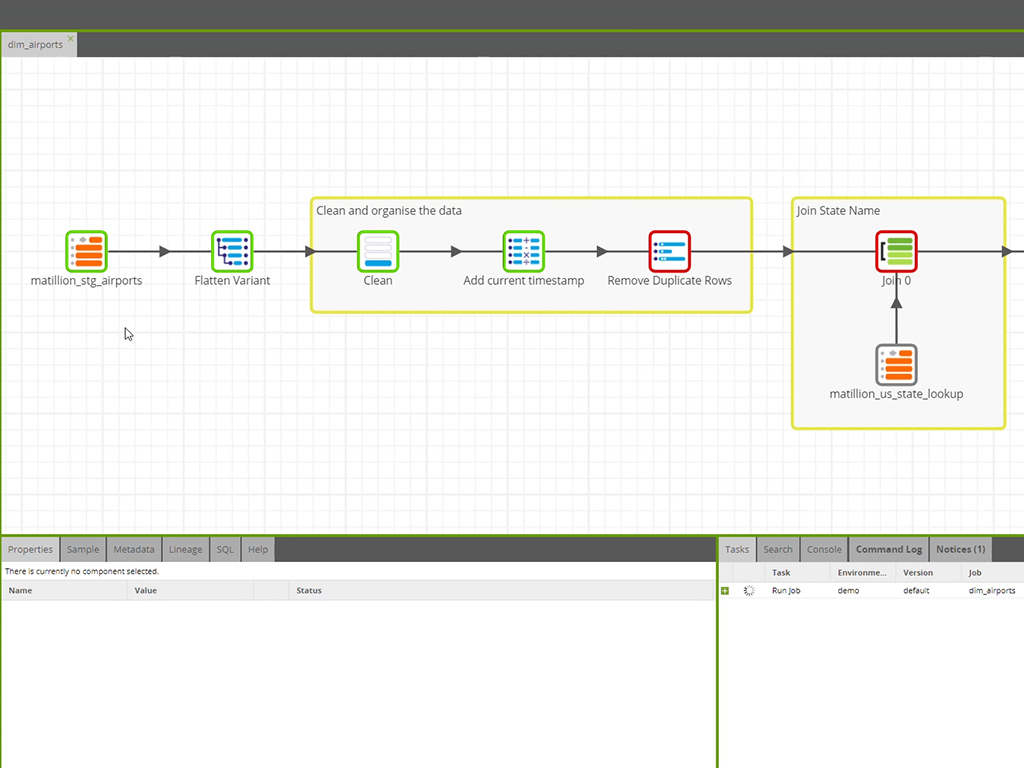  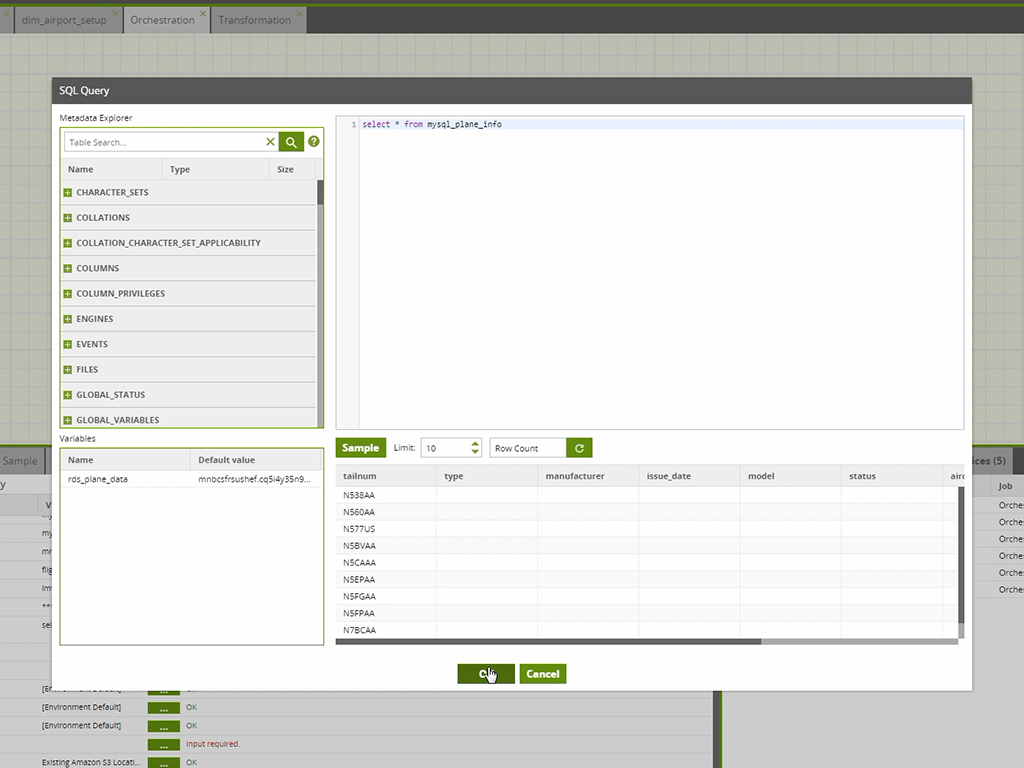 |



