DHTMLX delivers JavaScript/HTML5 libraries and UI widgets designed for building enterprise web apps of any complexity. With these out-of-the-box components, web developers can streamline their coding processes and integrate advanced functionality, to reduce development time. The actual DHTMLX product lineup comprises a range of web-based tools that can cover most of the contemporary business needs. DHTMLX
$799
one-time fee for 1 developer
Progress Kendo UI
Score 8.0 out of 10
N/A
Kendo UI is a JavaScript UI toolkit that allows users to build responsive web-based apps integrated into their framework of choice (jQuery, Angular, React, or Vue). The vendor’s value proposition is that Kendo UI offers a large library of popular and configurable components ranging from sophisticated grids and charts to basic buttons, so users don’t have to waste development time building their UI. The vendor also says the large library of customizable themes means users can easily deploy a…
$999
per developer, royalty-free
Pricing
DHTMLX
Progress Kendo UI
Editions & Modules
DHTMLX Gantt Individual - Professional Functionality with Standard Support
$799
one-time fee for 1 developer
DHTMLX Gantt Commercial - Professional Functionality with Premium Support
$1599
one-time fee for 5 developers
DHTMLX Gantt Enterprise - Professional Functionality with Premium Support
$2999
one-time fee for 20 developers
DHTMLX Gantt Ultimate - Professional Functionality with Ultimate Support
$5999
one-time fee for an unlimited number of developers
Kendo UI with Priority Support
$999
per developer, royalty-free
DevCraft UI
$1,299
per developer, royalty-free
DevCraft Complete
$1,499
per developer, royalty-free
DevCraft Ultimate
$2,199
per developer, royalty-free
Offerings
Pricing Offerings
DHTMLX
Progress Kendo UI
Free Trial
Yes
Yes
Free/Freemium Version
Yes
No
Premium Consulting/Integration Services
No
No
Entry-level Setup Fee
No setup fee
No setup fee
Additional Details
UI widgets are available standalone or "a la carte," or as part of bundles built around a theme (e.g. complete edition, scheduling components, planning components, etc.).
Compared with from scratch development of a graphical modeler or even a tabular representation in JS, using DHTMLX saved us a significant amount of precious time. By relying on this actively maintained product, we've been able to concentrate on the business aspects that are …
We looked at Kendo UI for ASP.Net Core as it has a Gantt chart but it was not as close a fit to our requirements as the DHTMLX Gantt Resource Management component. We'd have had to do much more work to make this fit.
DHTMLX offers a package of specialized components which is difficult to find in other libraries - specifically rich functional components like Gantt chart and scheduler
DHTMLX surpasses other solutions with its extensive features and strong maintenance support. It offers a wide range of capabilities, including advanced data manipulation, sophisticated visualizations, and intricate user interface controls. DHTMLX stands out in its commitment to …
DHTMLX library boasts lots of readily available components that can be easily integrated into web applications. Each feature is equipped with a multitude of events and methods that provide developers with complete control over data manipulation and management. DHTMLX is more …
We have tried few other options also which are not exactly tools and they are not listed here. The brief documentation along with the features samples makes DHTMLX better when compared with other options.
I did not experience the other product that has such an integrated and user-friendly feature. It works more like an everyday query with the UI element in a totally aesthetic and attractive view. With the Kendo library, we don't need to develop every UI component from the …
We currently use data tables in most of our applications that require a grid to be able to asynchronously perform CRUD operations on our web applications. It has served us well but Kendo UI has more widgets and better documentation to get the job done. Given the time, we would …
We wanted to use software which is easy to learn and implement for UI. we did some research and used few controls and we found that we can go with kendo UI. Look and feel wise Kendo fits perfectly. so we decided to use it through out the product. it is good software in …
The Kendo UI controls are more professional in appearance, better documented and simpler to integrate into our software applications. It takes us less time to implement the Kendo UI controls in our projects than comparable offerings from other vendors or open-source …
We honestly didn't look at very many others, we asked other people who work on similar tasks in the area and made our selection based off of their recommendations of Telerik and our experience using the open-source components for a trial. When Telerik/Kendo got the job done …
When we purchased Kendo UI, it was Telerik, and it was much further ahead at that time than Syncfusion was. This is the main reason we opted for Kendo. The controls also looked much more polished that Syncfusion's controls did at that time--and they still do, in the current …
Kendo UI is superior to Infragistics Ignite UI. Kendo UI elements are more reliable and compatible. Kendo UI provide more features and is easier to implement
Other products were not evaluated because Kendo UI was established as a solid option and we already leveraged UI for Ajax and UI for Winforms controls. I have experience with dojo/dijit, YUI, and jQuery controls but all are substantially more primitive that Kendo and related …
Kendo is easy to set up and upgrade. It is easy to use for developers and we can make attractive UI, so it automatically increases business. Kendo UI provides more control on UI fields as it has various properties associated with it. We can use the mask property for accepting …
Kendo is more configurable. It has a great support base and community. It's well suited to integrate with ASP.NET MVC. It's well suited to integrate with AngularJS. You can create generic and dynamic controls which are configurable. With grids it provides higher …
DHTMLX is an excellent choice for incorporating complex components into your website or platform. Its versatility and customization options make it suitable for various industries and use cases. With DHTMLX, you can seamlessly integrate sophisticated data grids, interactive charts, customizable UI controls, and dynamic calendars into your existing infrastructure. These components can be tailored to match your branding and design requirements, ensuring a seamless integration with your platform's aesthetics. Additionally, DHTMLX provides comprehensive documentation and responsive support, making it easy for developers to utilize the full potential of the components. In summary, DHTMLX offers the flexibility and functionality needed to enhance your software applications with powerful and visually appealing features.
Kendo UI works well if developing web UI applications which have simple layout designs. - Good A scenario where there are a lot of Kendo widgets on a single UI page, and each has a complex initialization. - Not so good
Kendo Grid for presenting a timeline of research grants as they are being approved. Our users love the ability to export the data to various mime formats.
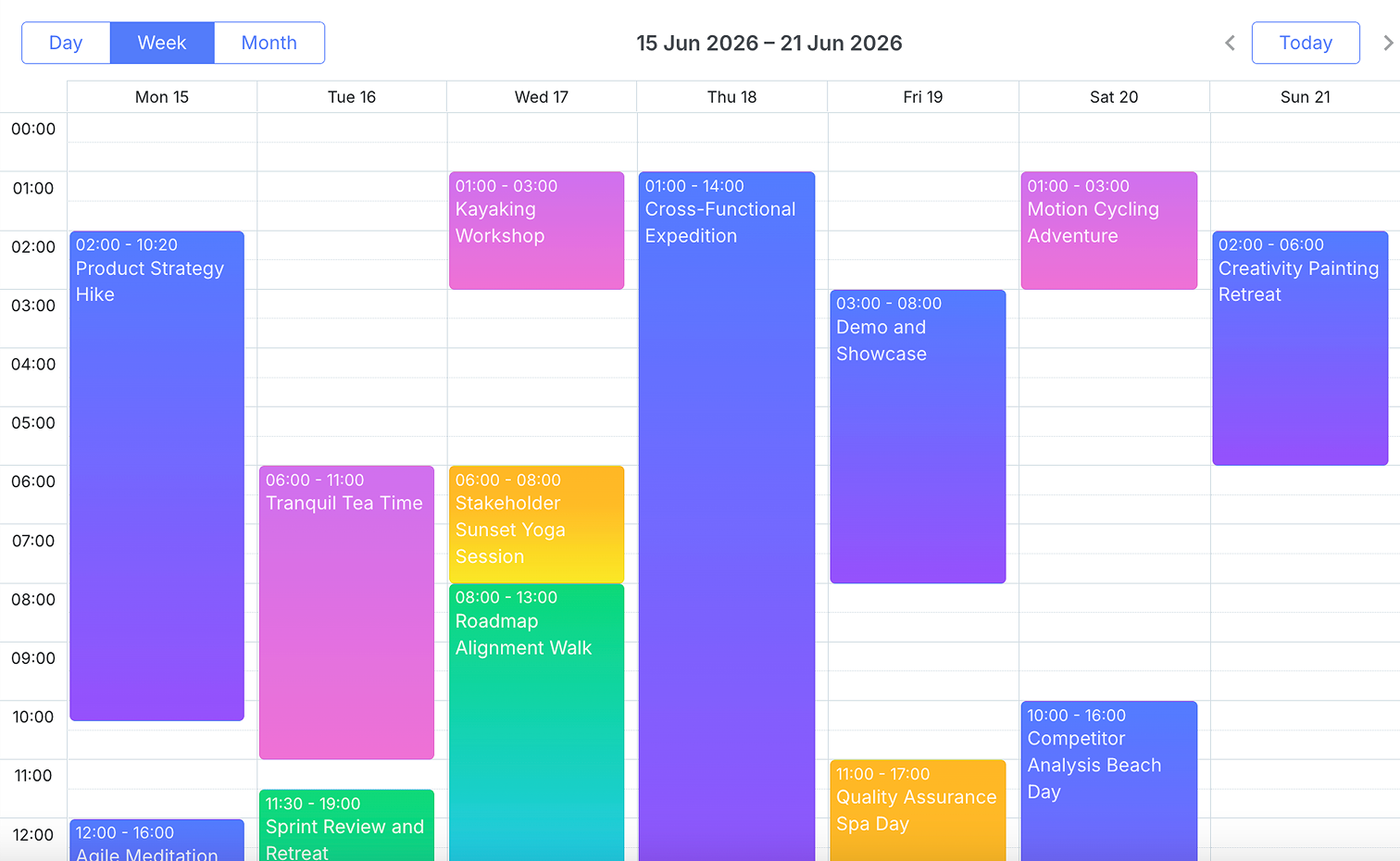
Kendo Scheduler for presenting the upcoming calendar events in the available conference rooms in a building. This is used together with a 3rd party vendor API for appointment booking.
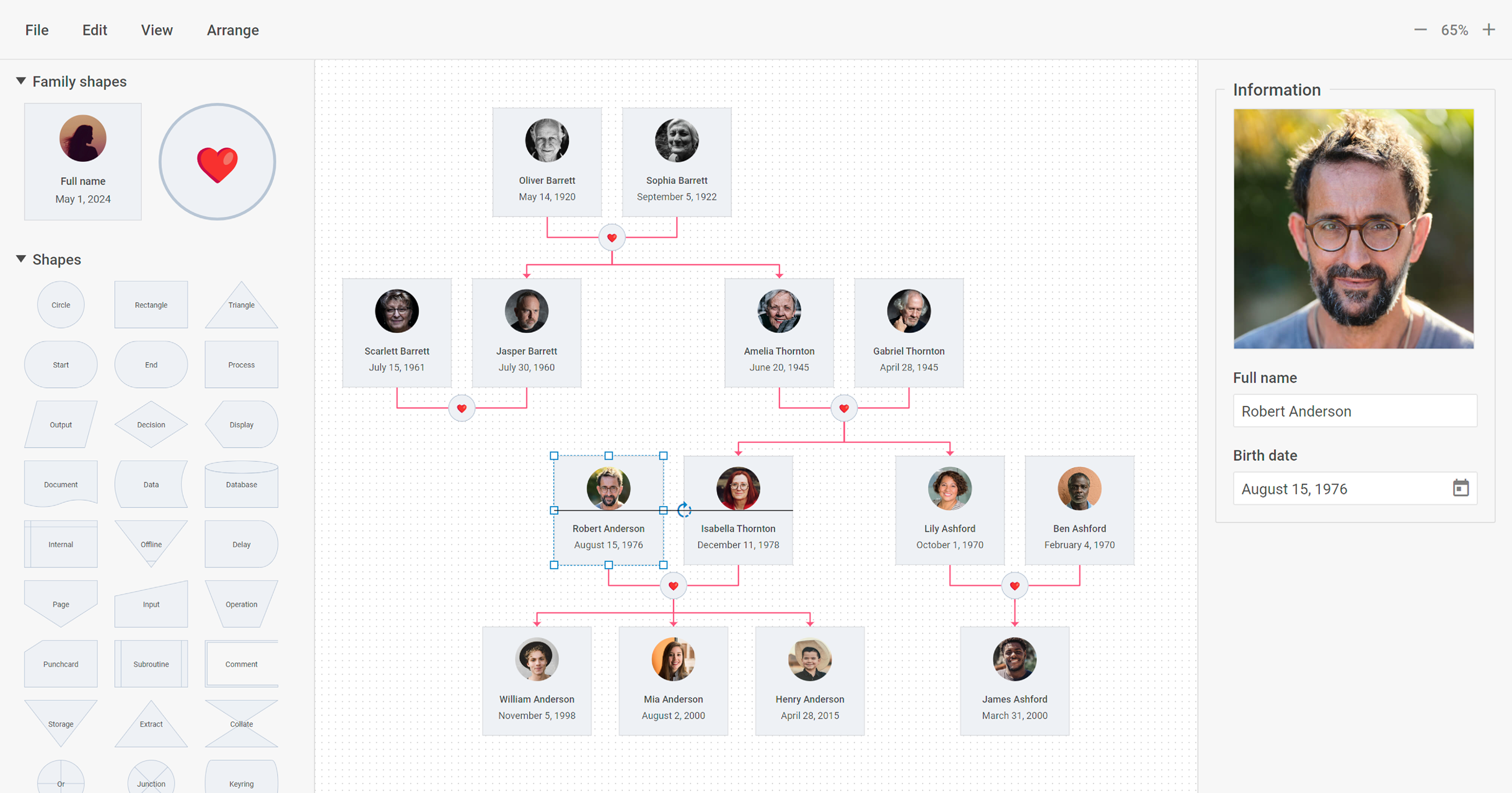
Kendo Treeview is used to present a hierarchy of topics that our users can navigate through easily.
Kendo UI is always moving forward and staying current with latest development trends. While that is beneficial, that can cause some issues when supporting customers (particularly government) that don't move their IT infrastructure along nearly as fast. A prime example is web font icons. Great and easy to use, but where Kendo UI utilizes web font icons as the sole means of displaying an icon, not all organizations (again, especially government) allow the use of these. There have been times where Kendo UI became unusable and we had to downgrade to a version a few years old. Makes continued payment for licenses sometimes feel wasted as we may not be able to always use the new releases
Kendo UI has a wonderful feedback system and they do indeed listen to the community. However, there do seem to be some instances where there is large support for a new feature/component and it never gets addressed. It is easy to understand that not all ideas are easy or even prudent to implement, but would be nice to see a better follow-up on ideas with a current status
Refreshing Kendo UI grids is simple, yet the standard API method causes the grid to return to the default state. We have many use cases where we would love to update the grid data but need current grid state (such as expanded detail rows, sorts, filters, etc) preserved after the grid is updated so that users do not have to perform grid actions again to return to the desired state.
Since we are using Kendo on a legacy product, there is likely a time when we will no longer support it. We are evaluating Kendo for our future product, in which case we may continue to use Kendo for an extended period of time.
With regard to the two major components we used, namely the tabular representation and the graphical modeler, we were able to effectively replace the existing building blocks of our applications by integrating them. We were able to retain existing functionalities and benefit from a significant enhancement with what DHTMLX offers natively. This made it easy for us to get our end-users to adopt the change.
My initial score would be 10, but I am aware of the high price for its implementation. Therefore, I would recommend it only in large projects where a large profit margin can be obtained. But in general, I recommend it. I am currently using it without problems.
Overall, we are satisfied with the support offered by the Progress Kendo UI team. We had raised few helpline incidents in the past and they have been resolved timely by the team. Also, we were satisfied with the level of information and support provided by the team.
I think the main thing is to get into a Kendo mindset. Components that I've used in the past had a much different mindset and I think it got in my way. Sometimes I would use something different if I felt that the Kendo component was being too obstinate. I would go back later and replace that with the Kendo component when I had time to work with it further.
DHTMLX library boasts lots of readily available components that can be easily integrated into web applications. Each feature is equipped with a multitude of events and methods that provide developers with complete control over data manipulation and management. DHTMLX is more easy for building enterprise-level applications that require complex UI elements and data visualization.
I did not experience the other product that has such an integrated and user-friendly feature. It works more like an everyday query with the UI element in a totally aesthetic and attractive view. With the Kendo library, we don't need to develop every UI component from the beginning. It was one of the faster development of applications.
Positive impact is that it helps development team to focus on business logic rather than developing UI control and that resulted in good productivity savings. productivity saving is significant (like 30% of product development cost).