
Google Cloud Dialogflow vs. Rasa
Google Cloud Dialogflow vs. Rasa
| Product | Rating | Most Used By | Product Summary | Starting Price |
|---|---|---|---|---|
 Google Cloud Dialogflow | N/A | Dialogflow (formerly Api.ai) is a chatbot building tool, designed to give users new ways to interact with digital products by building engaging voice and text-based conversational interfaces powered by AI. Dialogflow was acquired by Google in 2019. | N/A | |
 Rasa | Enterprise companies (1,001+ employees) | Rasa is a conversational AI platform from the company of the same name headquartered in San Francisco, enabling enterprises to build customer experiences. Rasa’s platform was built to create enterprise-grade virtual assistants, allowing personalized conversations with customers - at scale. Rasa’s conversational AI platform allows companies to build better customer experiences by lowering costs through automation, improving customer satisfaction, and providing a scalable way to gather customer… | $0 |
| Google Cloud Dialogflow | Rasa | |||||||||||||||
|---|---|---|---|---|---|---|---|---|---|---|---|---|---|---|---|---|
| Editions & Modules | No answers on this topic |
| ||||||||||||||
| Offerings |
| |||||||||||||||
| Entry-level Setup Fee | No setup fee | No setup fee | ||||||||||||||
| Additional Details | — | — | ||||||||||||||
| More Pricing Information | ||||||||||||||||
| Google Cloud Dialogflow | Rasa |
|---|
| Google Cloud Dialogflow | Rasa | |
|---|---|---|
| Small Businesses |  LocaliQ Score 8.8 out of 10 | LocaliQ Score 8.8 out of 10 |
| Medium-sized Companies |  Piper the AI SDR by Qualified Score 9.0 out of 10 | Piper the AI SDR by Qualified Score 9.0 out of 10 |
| Enterprises |  Conversica Score 4.0 out of 10 | Conversica Score 4.0 out of 10 |
| All Alternatives | View all alternatives | View all alternatives |
| Google Cloud Dialogflow | Rasa | |
|---|---|---|
| Likelihood to Recommend | 7.0 (6 ratings) | 8.4 (4 ratings) |
| Usability | 8.0 (6 ratings) | 7.0 (4 ratings) |
| Support Rating | 8.3 (5 ratings) | - (0 ratings) |
| Google Cloud Dialogflow | Rasa | |
|---|---|---|
| Likelihood to Recommend | Google
| Rasa Technologies Inc
 Martin Lukan Senior Data Scientist |
| Pros | Google
| Rasa Technologies Inc
|
| Cons | Google
| Rasa Technologies Inc
|
| Usability | Google
 Avinash Saklani Frontend Developer | Rasa Technologies Inc
|
| Support Rating | Google
| Rasa Technologies Inc
Martin Lukan Senior Data Scientist |
| Alternatives Considered | Google
| Rasa Technologies Inc |
| Return on Investment | Google
| Rasa Technologies Inc
|
| ScreenShots | Rasa Screenshots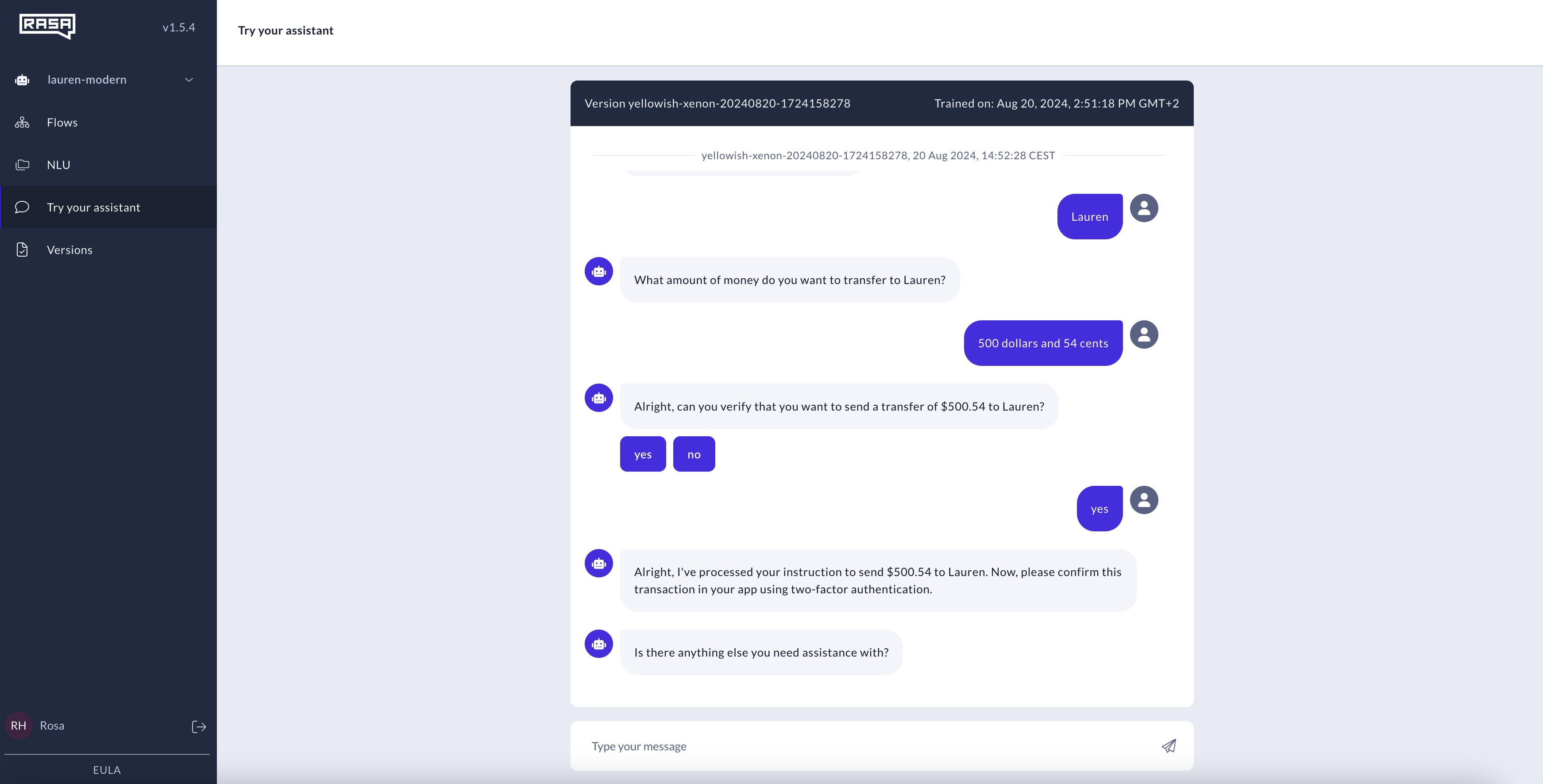 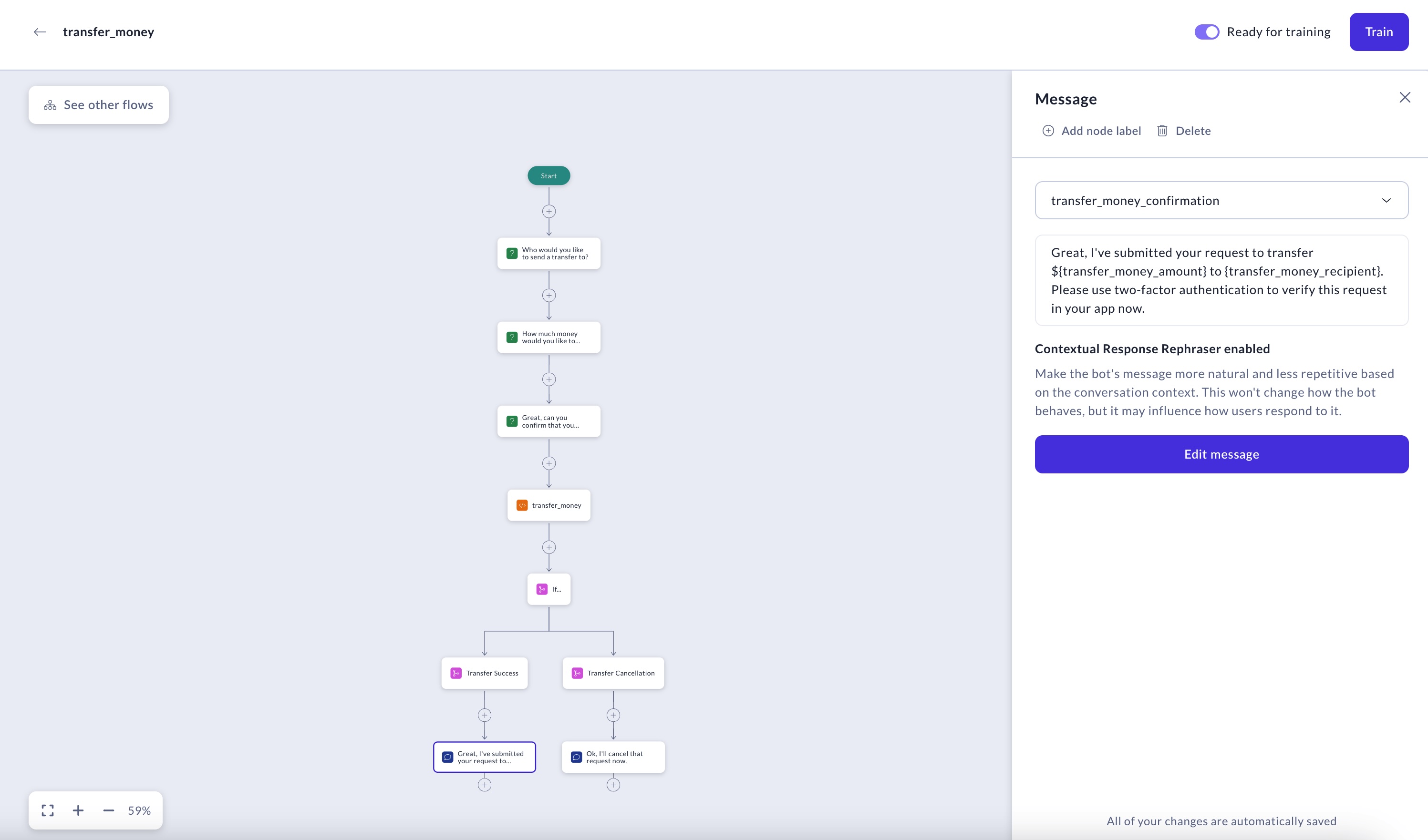 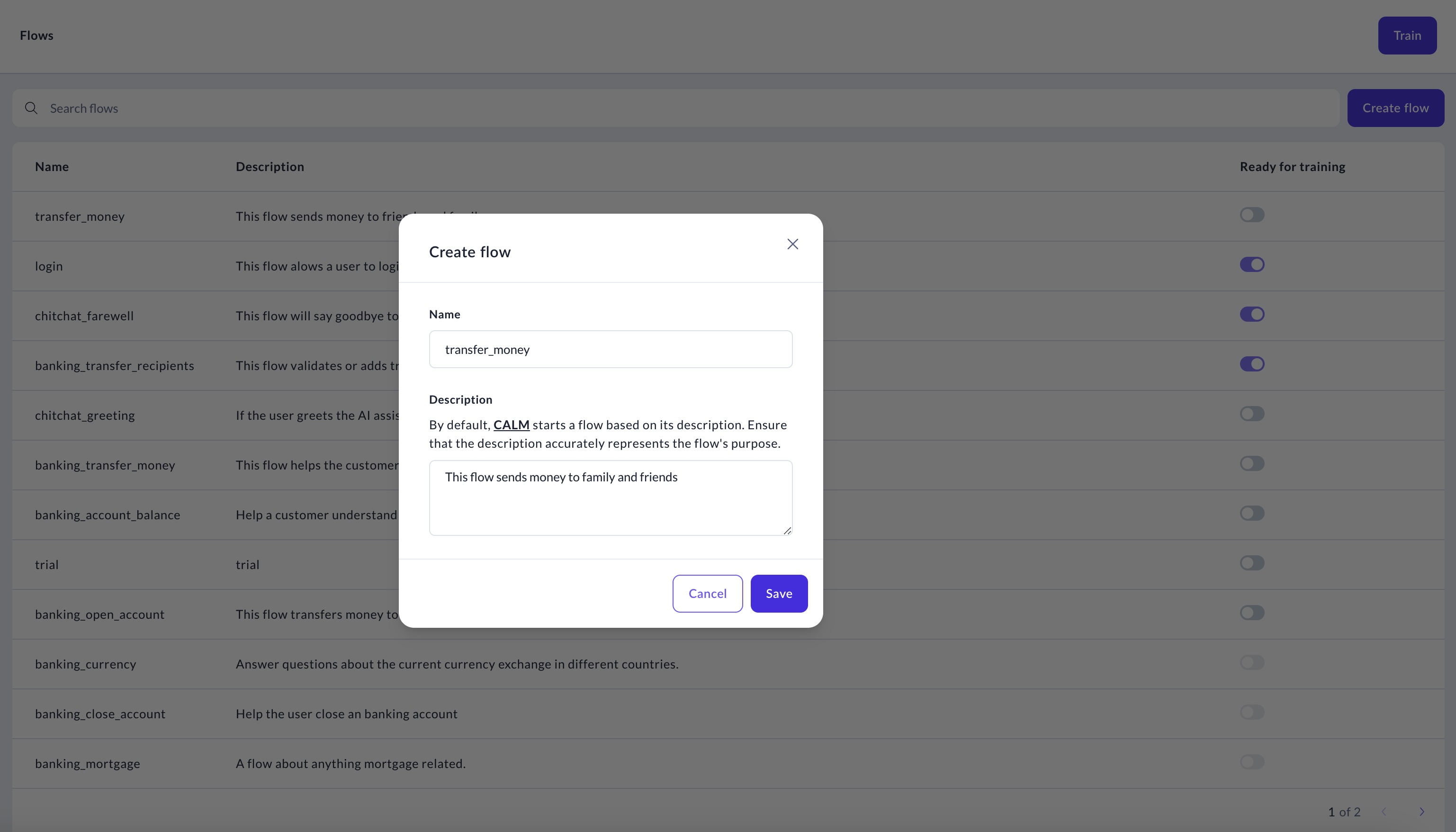 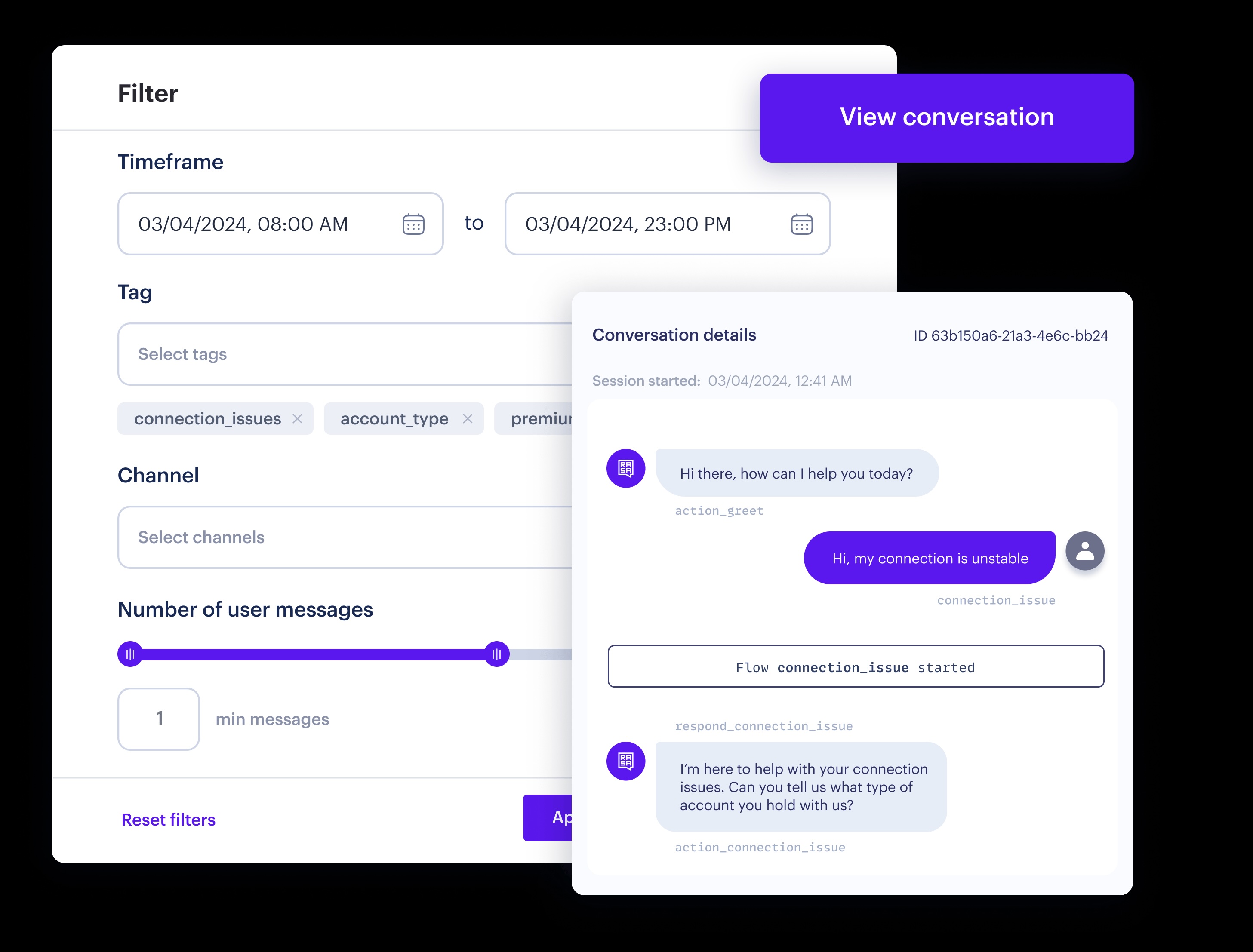 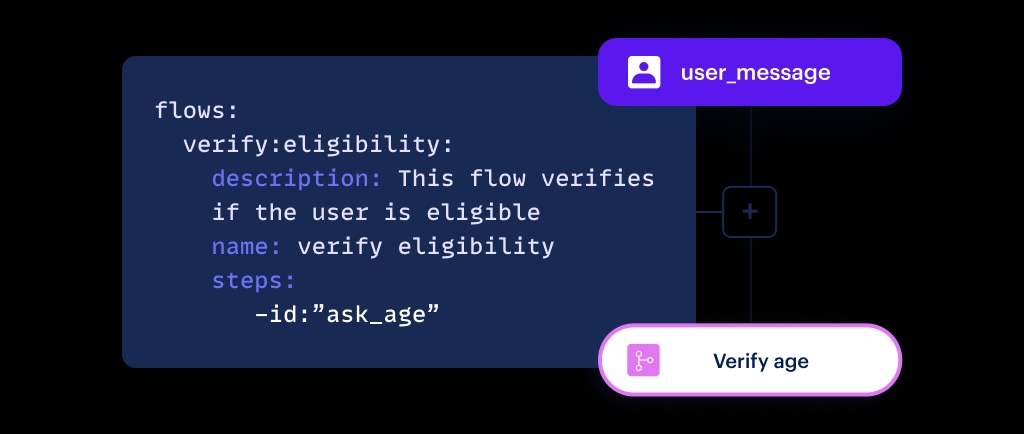 |