
HCL BigFix vs. ManageEngine OS Deployer
| Product | Rating | Most Used By | Product Summary | Starting Price |
|---|---|---|---|---|
 HCL BigFix | Score8.6 out of 10 | N/A | BigFix, now supported by HCL Technologies since the acquisition of BigFix from IBM in 2018, is an endpoint management solution providing endpoint visibility and IT asset discovery, automated endpoint patching (BigFix Lifecycle and BigFix Patch) policy enforcement (BigFix Compliance), and software asset discovery for licensed and unlicensed software (BigFix Inventory). | N/A |
 ManageEngine OS Deployer | Score8.4 out of 10 | N/A | ManageEngine OS Deployer streamlines OS imaging and deployment, helping IT teams accelerate device rollouts across physical and remote environments. It supports hardware-independent imaging, automated driver management, user state migration, and a range of deployment and boot options, including PXE, bootable USB, ISO, and multicast. Whether you're deploying new devices, refreshing existing hardware, or migrating to Windows 11, OS Deployer reduces deployment time and simplifies large-scale… | N/A |
| HCL BigFix | ManageEngine OS Deployer | |||||||||||||||
|---|---|---|---|---|---|---|---|---|---|---|---|---|---|---|---|---|
| Editions & Modules | No answers on this topic | No answers on this topic | ||||||||||||||
| Offerings |
| |||||||||||||||
| Entry-level Setup Fee | No setup fee | No setup fee | ||||||||||||||
| Additional Details | — | — | ||||||||||||||
| More Pricing Information | ||||||||||||||||
| HCL BigFix | ManageEngine OS Deployer | |
|---|---|---|
| Considered Both Products | No answer on this topic | No answer on this topic |
| Key User Insights | ||
| Would buy again | ||
80% Would buy again 4 Answers | No answers on this topic | |
| Delivers good value for the price | ||
No answers on this topic | No answers on this topic | |
| Happy with the feature set | ||
80% Happy with the feature set 4 Answers | No answers on this topic | |
| Lived up to sales and marketing promises | ||
No answers on this topic | No answers on this topic | |
| Implementation went as expected | ||
No answers on this topic | No answers on this topic | |
| HCL BigFix | ManageEngine OS Deployer | |
|---|---|---|
| Small Businesses |  Avast CloudCare Score10 out of 10 | No answers on this topic |
| Medium-sized Companies |  Action1 Score9.4 out of 10 | No answers on this topic |
| Enterprises |  ManageEngine Endpoint Central Score9 out of 10 | No answers on this topic |
| All Alternatives | View all alternatives | View all alternatives |
| HCL BigFix | ManageEngine OS Deployer | |
|---|---|---|
| Likelihood to Recommend | 9.0 | 8.0 |
| Usability | - | 8.0 |
| Support Rating | 6.0 | - |
| HCL BigFix | ManageEngine OS Deployer | |
|---|---|---|
| Likelihood to Recommend |
|
|
| Pros |
|
|
| Cons |
|
|
| Usability | No answers on this topic |
|
| Support Rating |
| No answers on this topic |
| Alternatives Considered |
|
|
| Return on Investment |
|
|
| ScreenShots | HCL BigFix Screenshots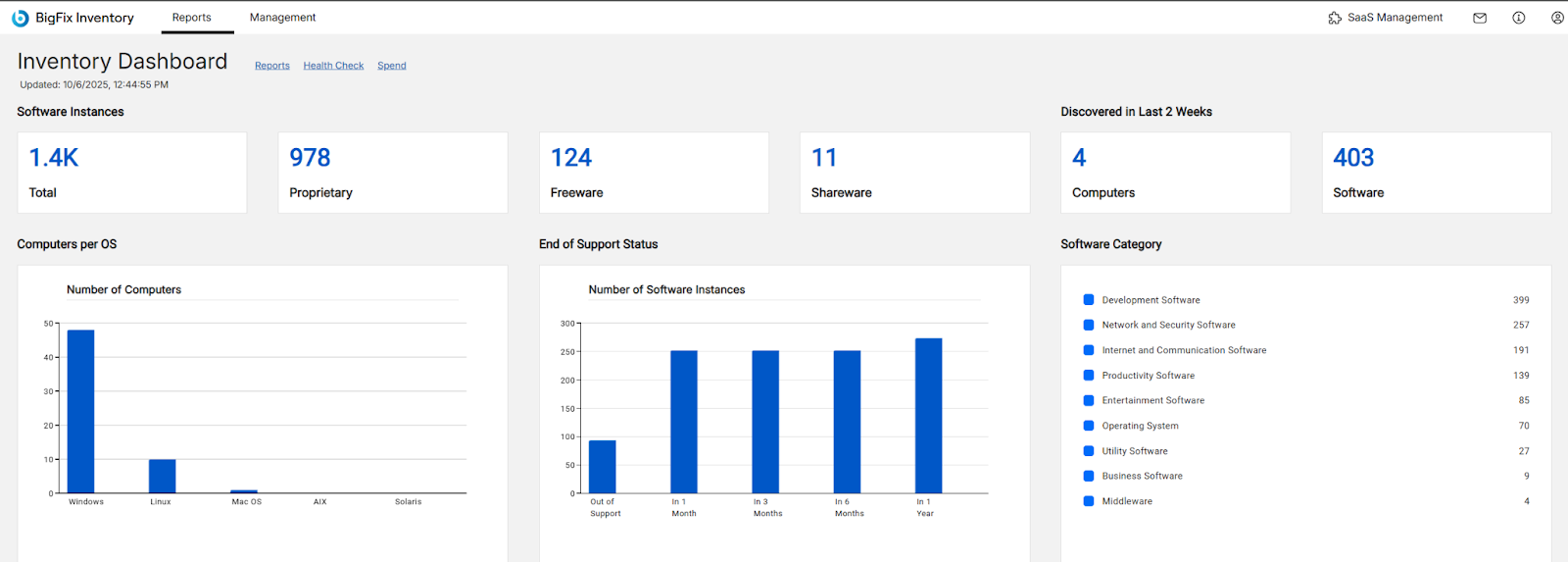   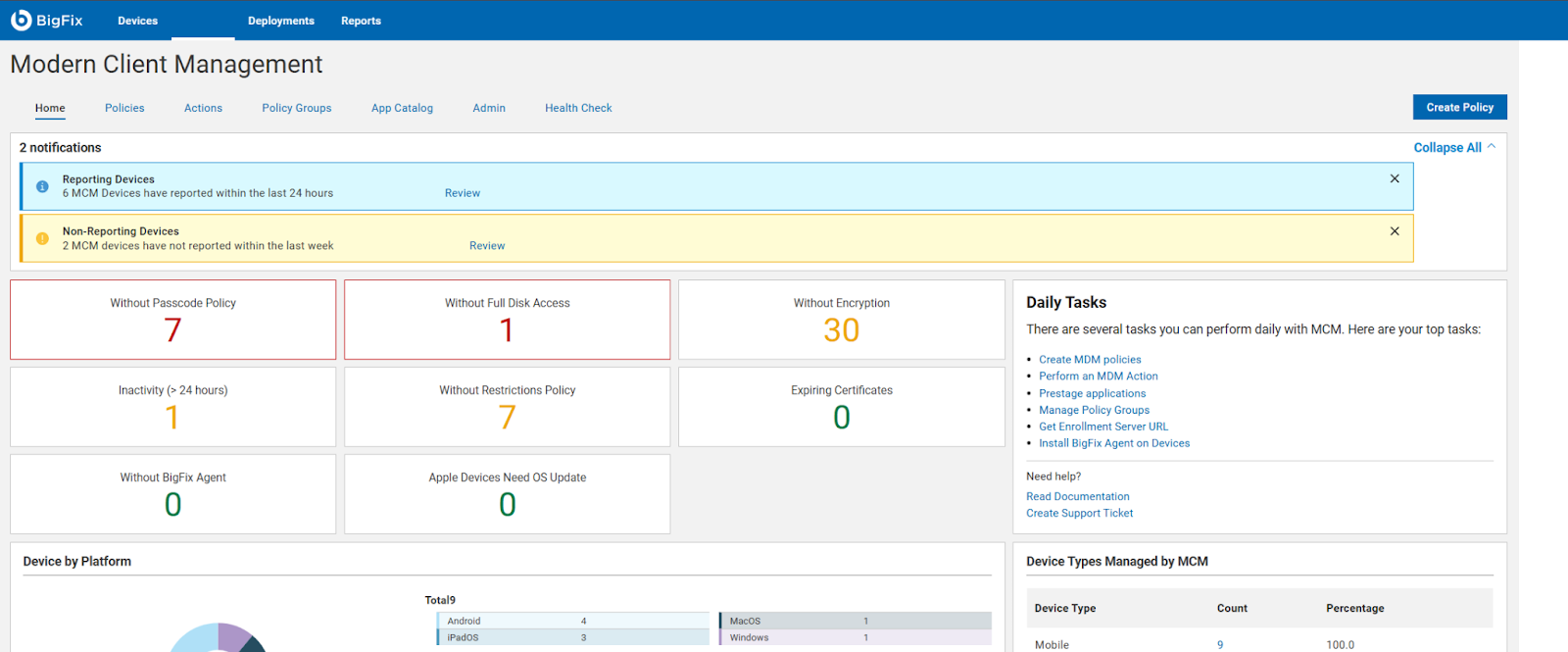 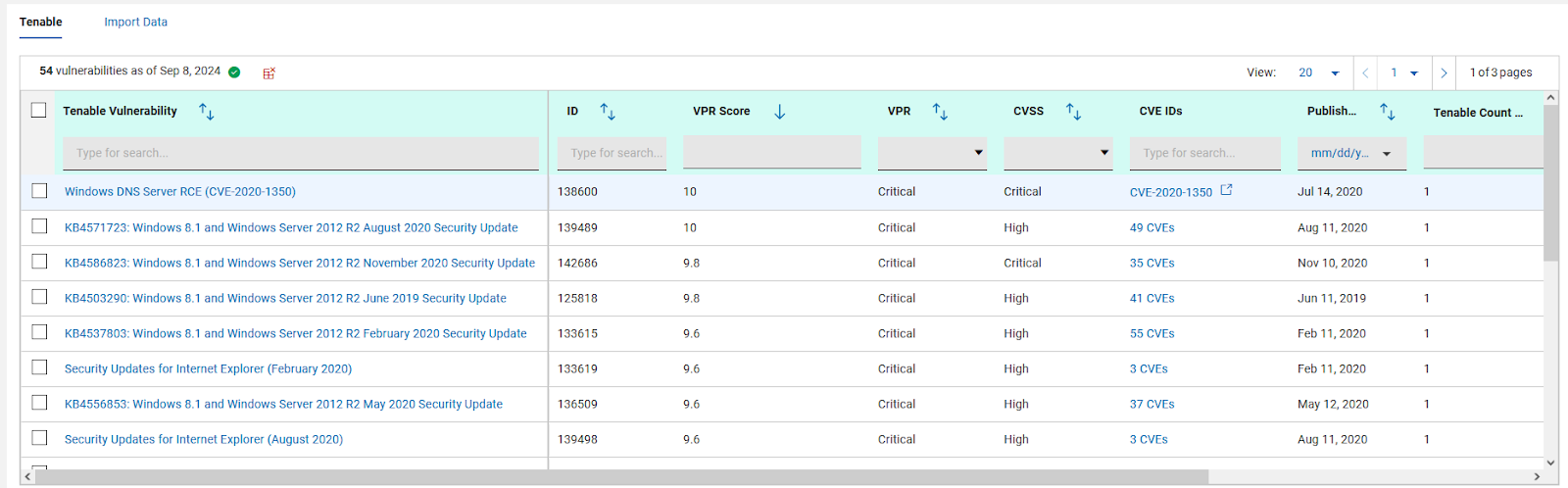 | ManageEngine OS Deployer Screenshots  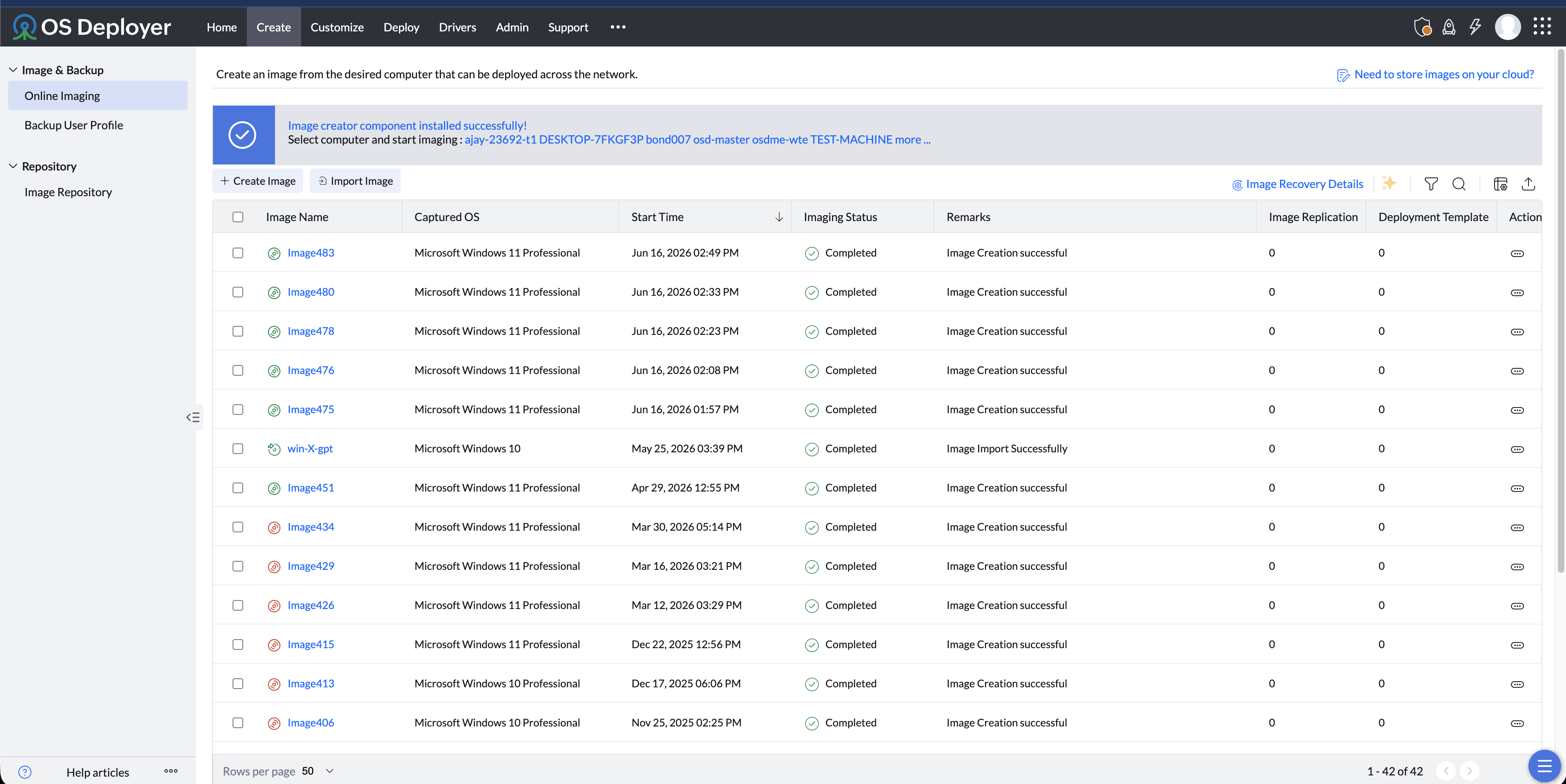  |


