
IBM DataStage vs. Skyvia
| Product | Rating | Most Used By | Product Summary | Starting Price |
|---|---|---|---|---|
 IBM DataStage | Score8 out of 10 | N/A | IBM® DataStage® is a data integration tool that helps users to design, develop and run jobs that move and transform data. At its core, the DataStage tool supports extract, transform and load (ETL) and extract, load and transform (ELT) patterns. A basic version of the software is available for on-premises deployment, and the cloud-based DataStage for IBM Cloud Pak® for Data offers automated integration capabilities in a hybrid or multicloud environment. | N/A |
 Skyvia | Score10 out of 10 | Mid-Size Companies (51-1,000 employees) | Skyvia is a no-code cloud data integration platform for ETL, ELT, Reverse ETL, data migration, one-way and bi-directional data sync, workflow automation, and real-time connectivity. Benefits of Using Skyvia: • Cost efficiency: With flexible pricing plans for each product, Skyvia suites for businesses of any size. • Flexibility: Skyvia provides adaptable, no-code integration tools for both basic and advanced business… | $99 per month |
| IBM DataStage | Skyvia | |||||||||||||||
|---|---|---|---|---|---|---|---|---|---|---|---|---|---|---|---|---|
| Editions & Modules | No answers on this topic |
| ||||||||||||||
| Offerings |
| |||||||||||||||
| Entry-level Setup Fee | No setup fee | No setup fee | ||||||||||||||
| Additional Details | — | 20% discount for annual pricing. | ||||||||||||||
| More Pricing Information | ||||||||||||||||
| IBM DataStage | Skyvia | |
|---|---|---|
| Considered Both Products | No answer on this topic | No answer on this topic |
| Key User Insights | ||
| Would buy again | ||
89% Would buy again 8 Answers | 97% Would buy again 28 Answers | |
| Delivers good value for the price | ||
100% Delivers good value for the price 5 Answers | 100% Delivers good value for the price 28 Answers | |
| Happy with the feature set | ||
89% Happy with the feature set 8 Answers | 100% Happy with the feature set 29 Answers | |
| Lived up to sales and marketing promises | ||
100% Lived up to sales and marketing promises 7 Answers | 96% Lived up to sales and marketing promises 23 Answers | |
| Implementation went as expected | ||
88% Implementation went as expected 7 Answers | 100% Implementation went as expected 27 Answers | |
| IBM DataStage | Skyvia | |||||||||||||||||||
|---|---|---|---|---|---|---|---|---|---|---|---|---|---|---|---|---|---|---|---|---|
| Data Source Connection |
| |||||||||||||||||||
| Data Transformations |
| |||||||||||||||||||
| Data Modeling |
| |||||||||||||||||||
| Data Governance |
| |||||||||||||||||||
| IBM DataStage | Skyvia | |
|---|---|---|
| Small Businesses | Skyvia Score10 out of 10 | No answers on this topic |
| Medium-sized Companies |  IBM InfoSphere Information Server Score10 out of 10 | IBM InfoSphere Information Server Score10 out of 10 |
| Enterprises |  SolarWinds Task Factory Score8.3 out of 10 | SolarWinds Task Factory Score8.3 out of 10 |
| All Alternatives | View all alternatives | View all alternatives |
| IBM DataStage | Skyvia | |
|---|---|---|
| Likelihood to Recommend | 5.9 | 10.0 |
| Likelihood to Renew | - | 9.1 |
| Usability | 8.0 | 9.1 |
| Performance | 9.0 | - |
| Support Rating | 9.6 | 8.2 |
| Implementation Rating | - | 9.1 |
| IBM DataStage | Skyvia | |
|---|---|---|
| Likelihood to Recommend |
|
|
| Pros |
|
|
| Cons |
|
|
| Likelihood to Renew | No answers on this topic |
|
| Usability |
|
|
| Performance |
| No answers on this topic |
| Support Rating |
|
|
| Implementation Rating | No answers on this topic |
|
| Alternatives Considered |
|
|
| Return on Investment |
|
|
| ScreenShots | Skyvia Screenshots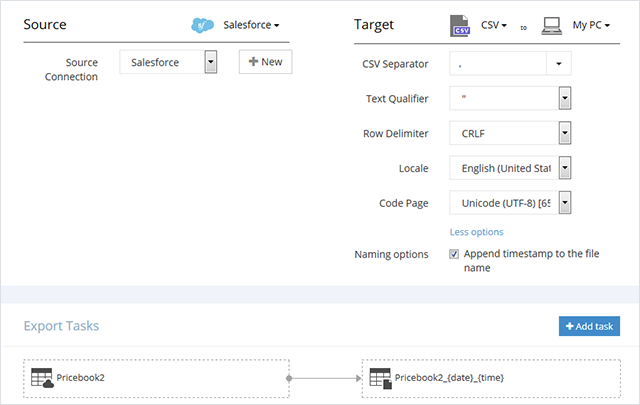  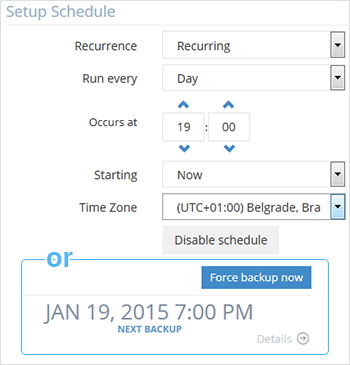  |



