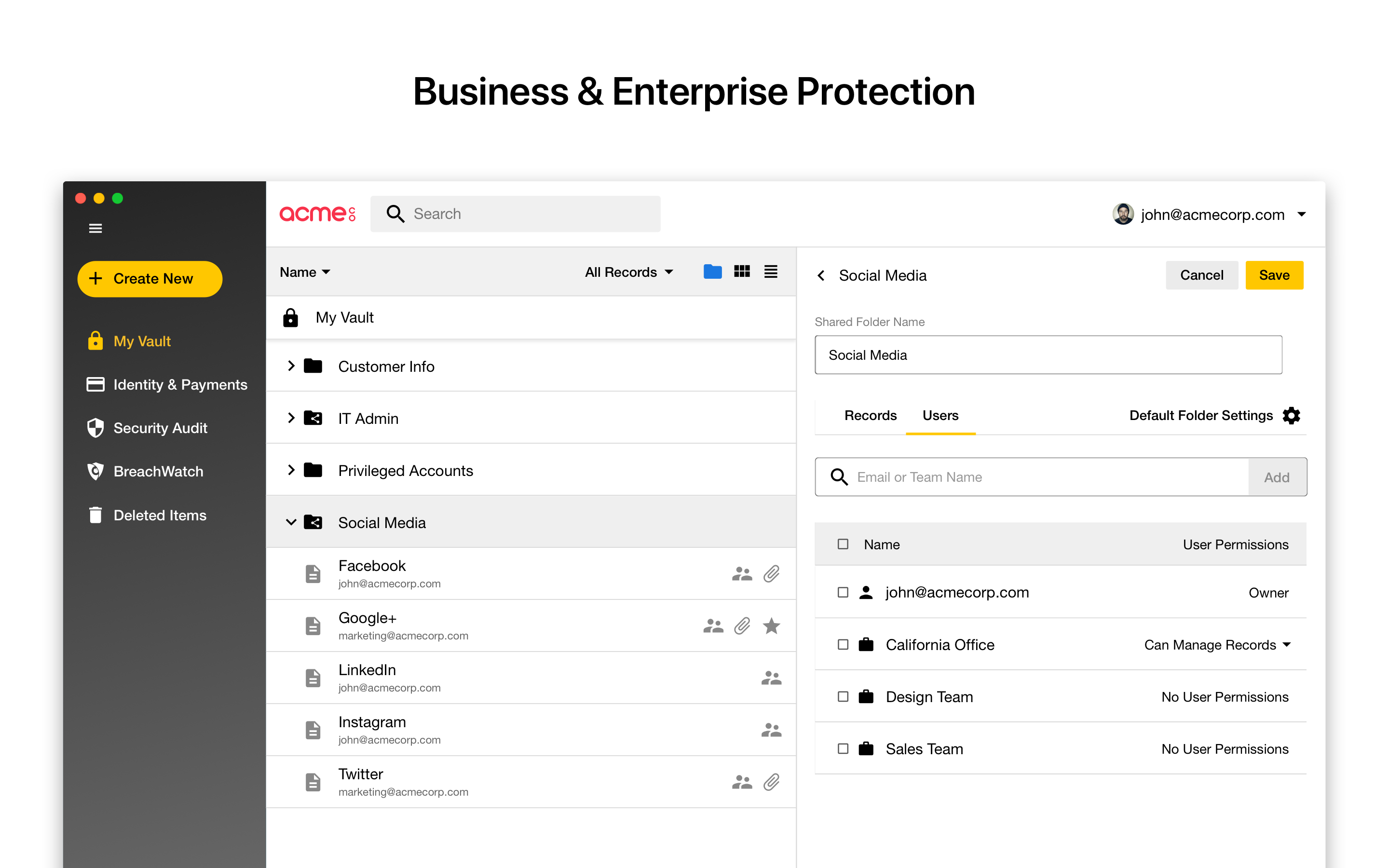
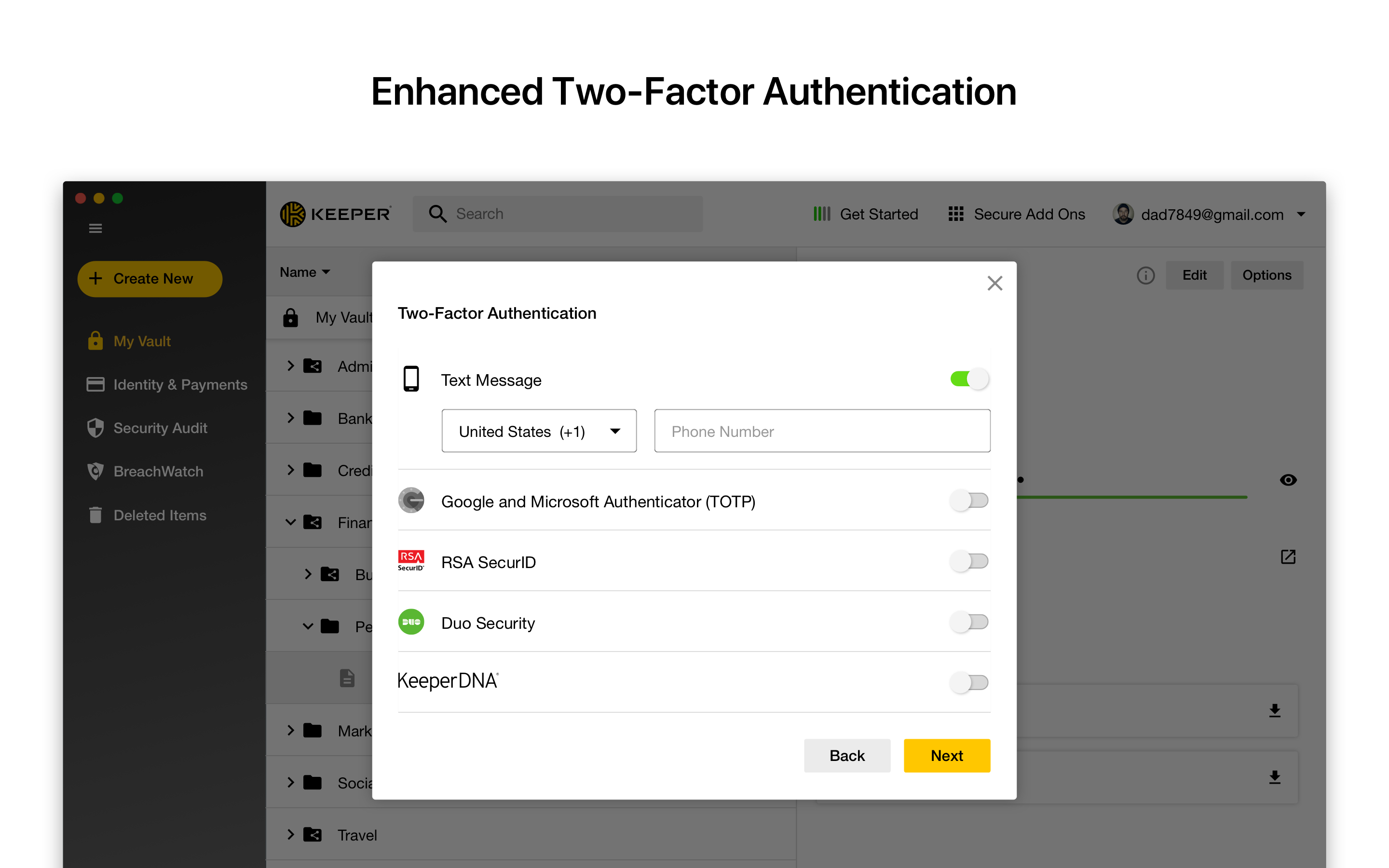
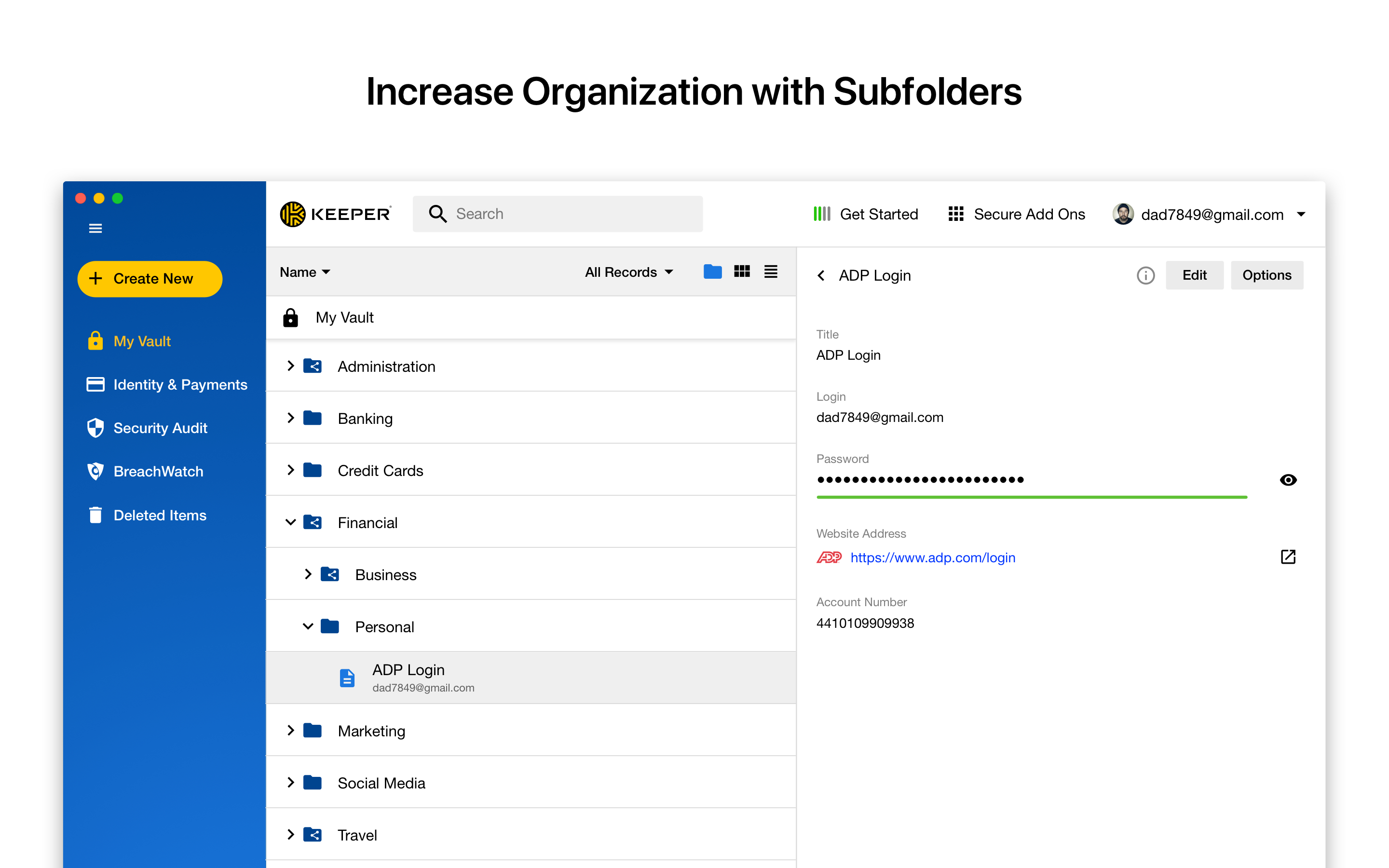
Keeper's password security and management platform boasts millions of people and thousands of businesses as users, who manage, secure and enforce strong passwords across all employee logins, applications and sites. Employees can access Keeper natively on all mobile operating systems, desktops and browsers. Keeper enables businesses to auto-generate high-strength passwords, protect sensitive files in an encrypted digital vault, securely share records with teams and integrate with SSO, LDAP and…
$2
per month per user
Microsoft Entra ID
Score 8.8 out of 10
N/A
Microsoft Entra ID (formerly Microsoft Azure Active Directory or Azure AD) is a cloud-based identity and access management (IAM) solution supporting restricted access to applications with Azure Multi-Factor Authentication (MFA) built-in, single sign-on (SSO), B2B collaboration controls, self-service password, and integration with Microsoft productivity and cloud storage (Office 365, OneDrive, etc) as well as 3rd party services.
I do not have any direct experience with LastPass, but I did assess them before deciding on Keeper. I believe the reason I went with Keeper over LastPass at the time was Keeper's enterprise solution was a lot more solid and featured SSO which I do not believe was offered by Last…
Would recommend both for organisations and personal users where passwords management is needed. Particularly in 2026 and the large emphasis of security in your day to day uses.
Having a secure management tool will assist with breaches and organisation of your credentials and confidential data that can be stored within the tenant.
It's the industry standard for identity management. It's been around for a long time in various formats. It's the successor to Active Directory, which has managed networks for decades. It's easy to create apps. It's easy to integrate Microsoft Entra ID and two-factor into things that I build. I really like that. I really only think the only thing that really needs to work is domain services, which is horrific. But otherwise, to me it's a stock standard. I wouldn't actually migrate away from it to go anywhere else or do anything else or use anything else because really there's no need for me to do that. But I'm not in a high security field. I'm not in IL5 or something like it. Working in some top secret, high government thing. Maybe there's some nuanced things that Microsoft can work on, but it certainly doesn't impact me just managing users, making sure I've got a good level of security working with data.
It does well with user object management and product management, as far as when we do laptop deployments and things like that. But the user information is fantastic. Being able to pull and manage all of that information in the place that we do, I like Microsoft Entra ID for that.
Room for improvement. Honestly, I think the organization of everything, because there's just so much within Microsoft Entra ID and sometimes it gets lost kind of down in the shuffle. That would be the one area that I think a lot of people struggle with, and I know I did in the beginning, is just finding what you need and how to get there. Once you're used to it, it's fine, but that initial toe in the water, it's tough to find.
MSFT Entra ID has been essential for managing our geographically dispersed team. We're confident that it will scale with us as grow, and we'll be able to take advantage of additional security and ID management features as they become necessary. Being able to centrally manage our user access from anywhere with a small support team is such a relief.
It's just easy to use, plain and simple. It has the complexity and user-interface that gives you confidence in its build but the ease-of-use that keep things from getting too complicated. A huge plus when you have to onboard new members of the team or summer interns when you need them to step in and make orders on your behalf.
It's not complex. It works as configured, right? There's a lot of granular rules, and it'll get very specific if you need it to. But for many of our security capabilities, especially for mid-market enterprises, I think you can get all the capabilities you typically need with OnStar.
I have not needed to engage support for anything at this time. I have been able to find the answers either online or in a knowledgebase. I tried to skip the question but it would not let me, so I rated a 9 based on other interactions with Microsoft support I have had
Make sure you use a good partner. Our implementation was a bit longer and more problematic than we expected. Our partner got it done, but, in my opinion, some of their inexperience and staffing issues were evident.
I do not recall the other products I tested. I believe Keeper provided a free trial that allowed me to verify that it met my needs before I was required to purchase. I also found their support team to be responsive when I experienced some problems. The cliche, "If it ain't broke don't fix it" fits well in this case. I am able to create and use online profiles safe in the knowledge that my passwords cannot be easily hacked and my data is safe.
Microsoft Entra ID is not as stand-alone product as competitors like Okta. It may lack some of the features that competing products have but on the other hand it integrates both technically and license wise with other Microsoft cloud services and is easy to deploy. It is also the easiest way to extend identity management to the cloud if you already have Microsoft Active Directory in use.
Microsoft Professional Services' technical knowledge is appreciable as consultants design the solution as per customer requirements. Mapping of features per user specifications and assisting Customer IT engineers to implement so they can manage and administer the services.
We all know how difficult it can be in the workplace when you forget your password, or enter the wrong password, and you get blocked out. You have to go through the hassle of having it reset, which could mean sitting on hold, waiting for IT to pick up. This isn’t a problem when you have Keeper. If you forget your password once, you don’t have to take the chance of trying it 4 more times and getting locked out. Just pick up your phone, and your password is right there. It’s really just as simple as that.
I don't know. I think we could not do without it. Also, because we have limitations in other systems, like our HR system, which cannot store externals. So for us, Microsoft Entra ID is the master data where we keep everyone connecting to our network. So it's difficult to quantify. It's simply indispensable.