Chose Optimizely Feature Experimentation
LaunchDarkly is better, Optimizely is much cheaper

| Product | Rating | Most Used By | Product Summary | Starting Price |
|---|---|---|---|---|
 LaunchDarkly | N/A | LaunchDarkly provides a feature management platform that enables DevOps and Product teams to use feature flags at scale. This allows for greater collaboration among team members, and increased usability testing before full-scale feature deployment. | $12 per month | |
 Optimizely Feature Experimentation | N/A | Optimizely Feature Experimentation unites feature flagging, A/B testing, and built-in collaboration—so marketers can release, experiment, and optimize with confidence in one platform. | N/A |
| LaunchDarkly | Optimizely Feature Experimentation | |||||||||||||||
|---|---|---|---|---|---|---|---|---|---|---|---|---|---|---|---|---|
| Editions & Modules |
| No answers on this topic | ||||||||||||||
| Offerings |
| |||||||||||||||
| Entry-level Setup Fee | Optional | Required | ||||||||||||||
| Additional Details | Discount available on the Foundation plan for annual pricing. | — | ||||||||||||||
| More Pricing Information | ||||||||||||||||
| LaunchDarkly | Optimizely Feature Experimentation | |
|---|---|---|
| Considered Both Products | LaunchDarkly No answer on this topic | Optimizely Feature Experimentation |
| LaunchDarkly | Optimizely Feature Experimentation | |
|---|---|---|
| Small Businesses |  GitLab Score 8.9 out of 10 | GitLab Score 8.9 out of 10 |
| Medium-sized Companies | GitLab Score 8.9 out of 10 | GitLab Score 8.9 out of 10 |
| Enterprises | GitLab Score 8.9 out of 10 | GitLab Score 8.9 out of 10 |
| All Alternatives | View all alternatives | View all alternatives |
| LaunchDarkly | Optimizely Feature Experimentation | |
|---|---|---|
| Likelihood to Recommend | 8.0 (29 ratings) | 8.2 (47 ratings) |
| Likelihood to Renew | 7.0 (1 ratings) | 4.5 (2 ratings) |
| Usability | 9.0 (27 ratings) | 7.6 (26 ratings) |
| Availability | 10.0 (1 ratings) | - (0 ratings) |
| Performance | 8.1 (26 ratings) | - (0 ratings) |
| Support Rating | 10.0 (1 ratings) | 3.6 (1 ratings) |
| Implementation Rating | 9.0 (1 ratings) | 10.0 (1 ratings) |
| Configurability | 8.0 (1 ratings) | - (0 ratings) |
| Ease of integration | 8.0 (1 ratings) | - (0 ratings) |
| Product Scalability | 10.0 (1 ratings) | 5.0 (1 ratings) |
| Vendor post-sale | 8.0 (1 ratings) | - (0 ratings) |
| Vendor pre-sale | 10.0 (1 ratings) | - (0 ratings) |
| LaunchDarkly | Optimizely Feature Experimentation | |
|---|---|---|
| Likelihood to Recommend | LaunchDarkly
| Optimizely
 Andrei Beno Director of Product Management |
| Pros | LaunchDarkly
| Optimizely
|
| Cons | LaunchDarkly
| Optimizely
|
| Likelihood to Renew | LaunchDarkly
 Anderson Carvalho Lead Site Reliability Engineer | Optimizely
|
| Usability | LaunchDarkly
 Michael Gallouedec Senior Software Engineer | Optimizely
|
| Reliability and Availability | LaunchDarkly
Anderson Carvalho Lead Site Reliability Engineer | Optimizely No answers on this topic |
| Performance | LaunchDarkly
| Optimizely No answers on this topic |
| Support Rating | LaunchDarkly
Anderson Carvalho Lead Site Reliability Engineer | Optimizely
|
| Implementation Rating | LaunchDarkly
Anderson Carvalho Lead Site Reliability Engineer | Optimizely
|
| Alternatives Considered | LaunchDarkly
| Optimizely
|
| Scalability | LaunchDarkly
Anderson Carvalho Lead Site Reliability Engineer | Optimizely
|
| Return on Investment | LaunchDarkly
| Optimizely
 Dimos Papadopoulos Senior Product Manager |
| ScreenShots | LaunchDarkly Screenshots 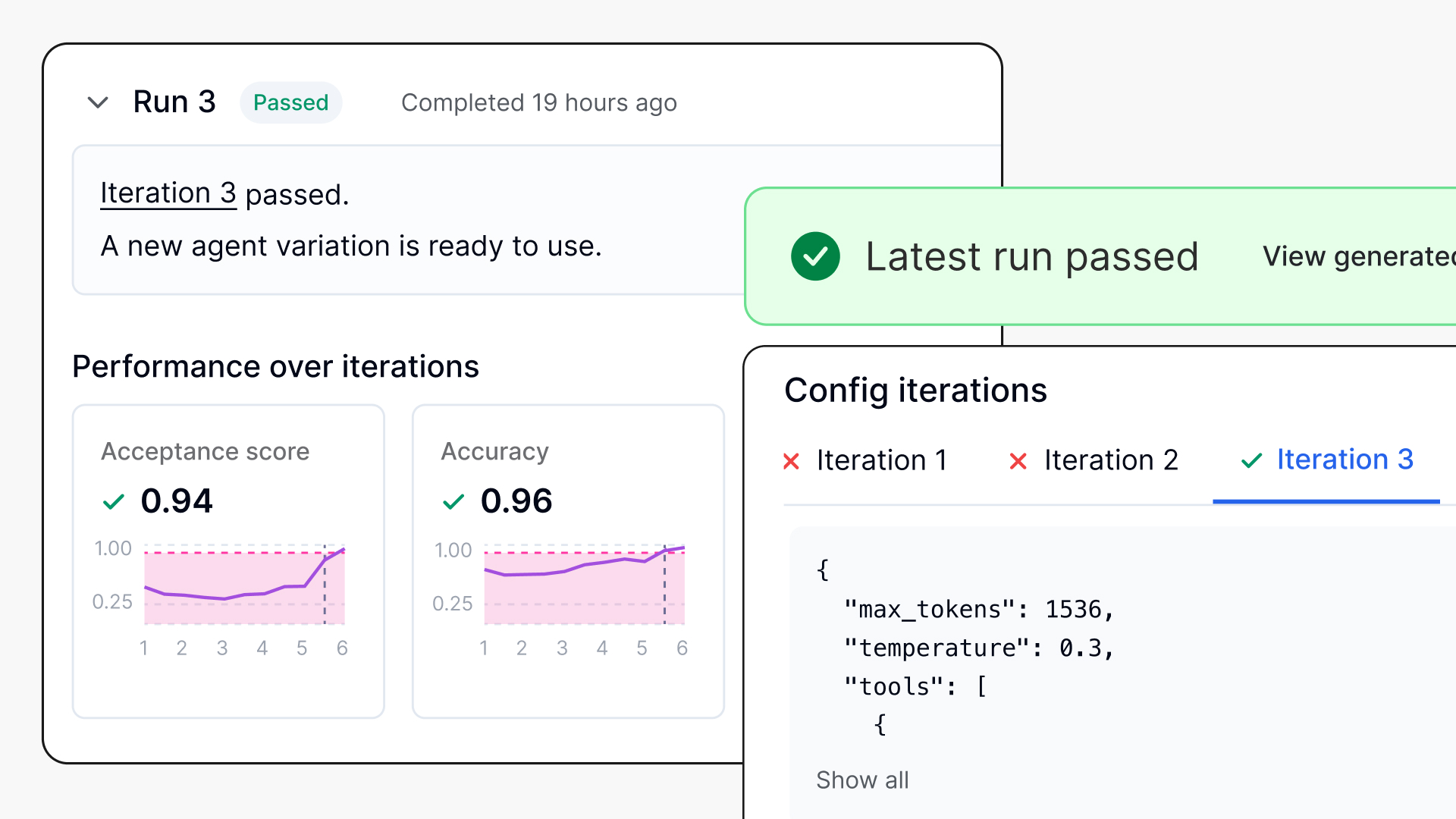 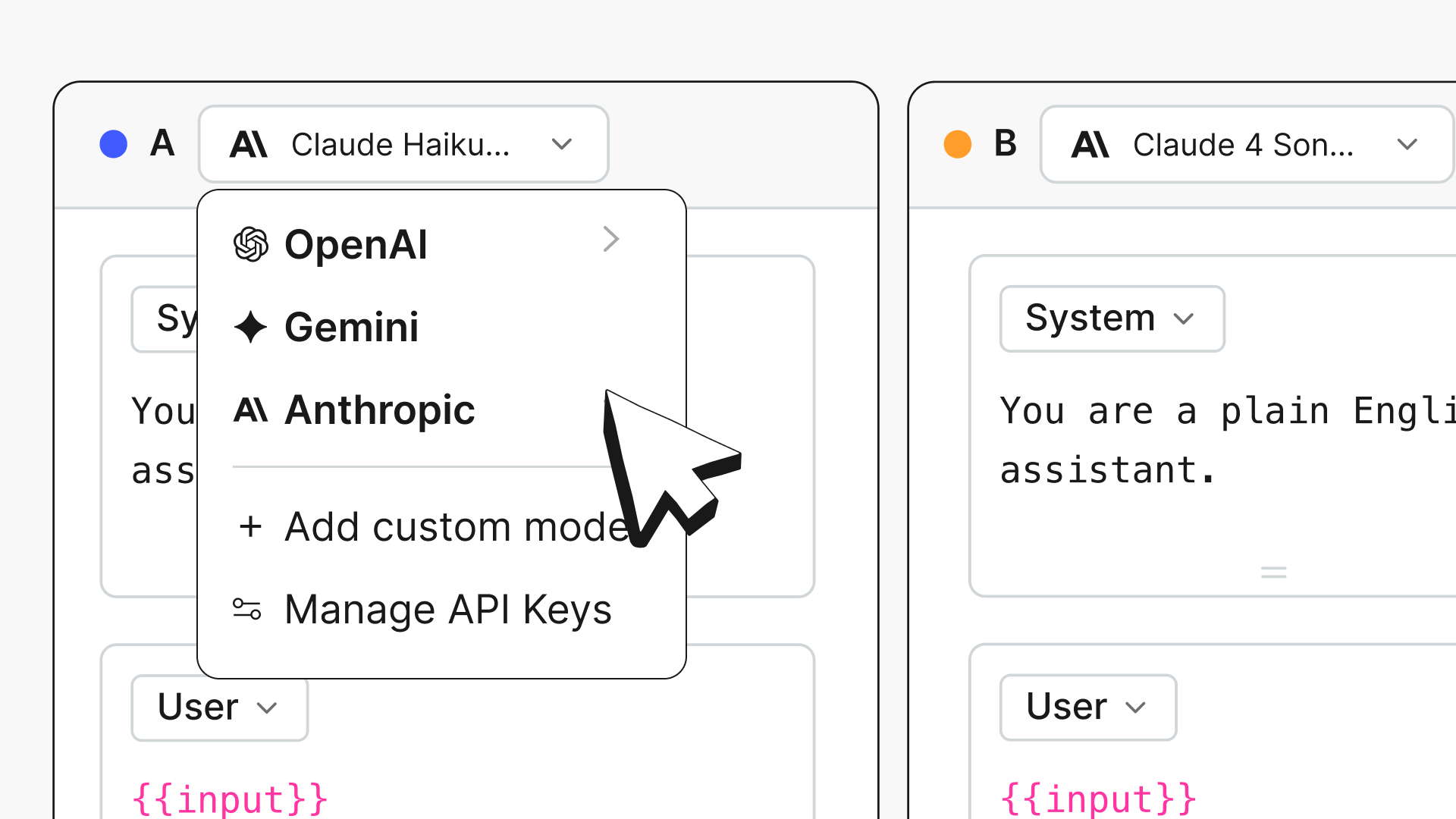 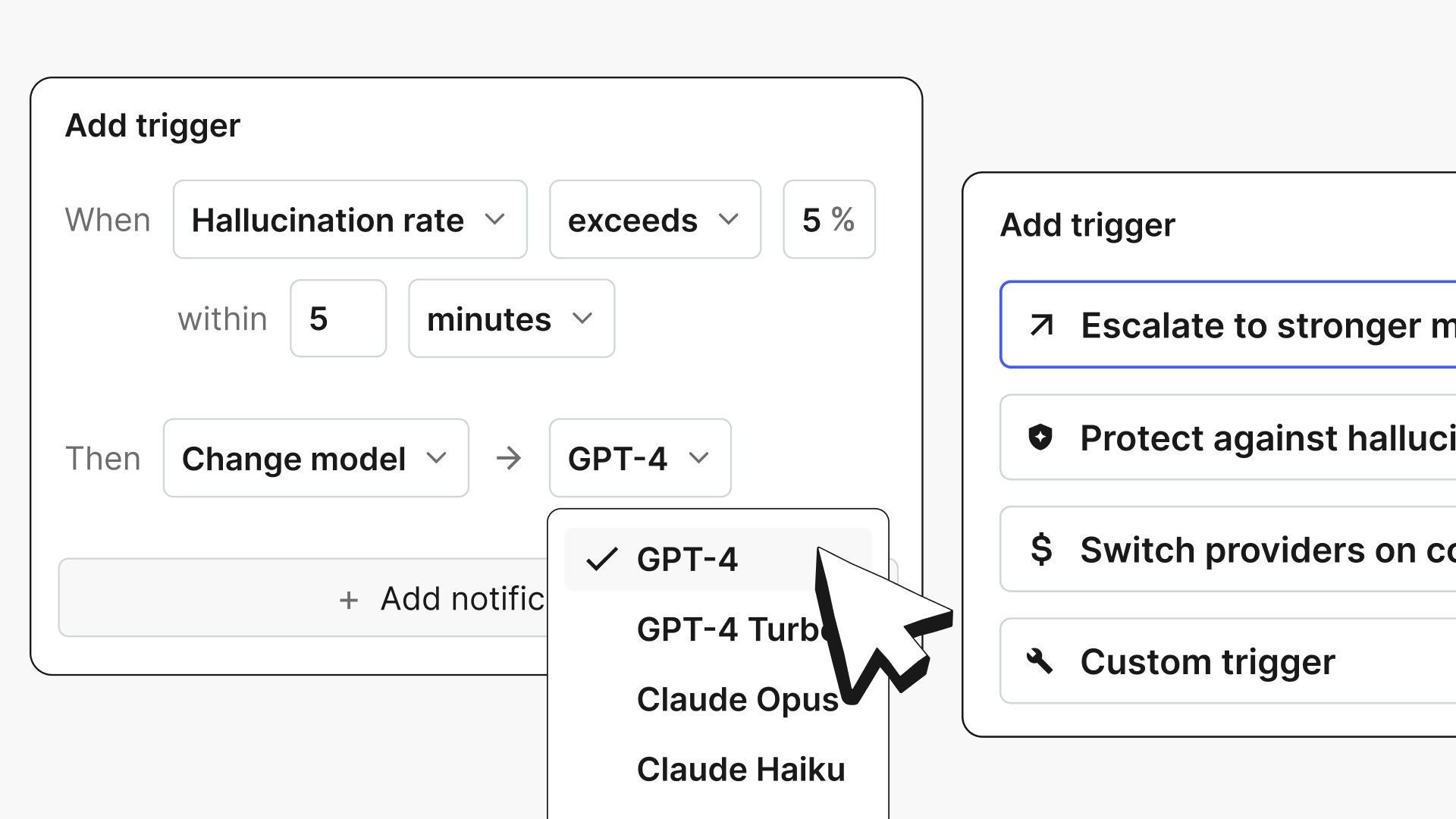 | Optimizely Feature Experimentation Screenshots      |