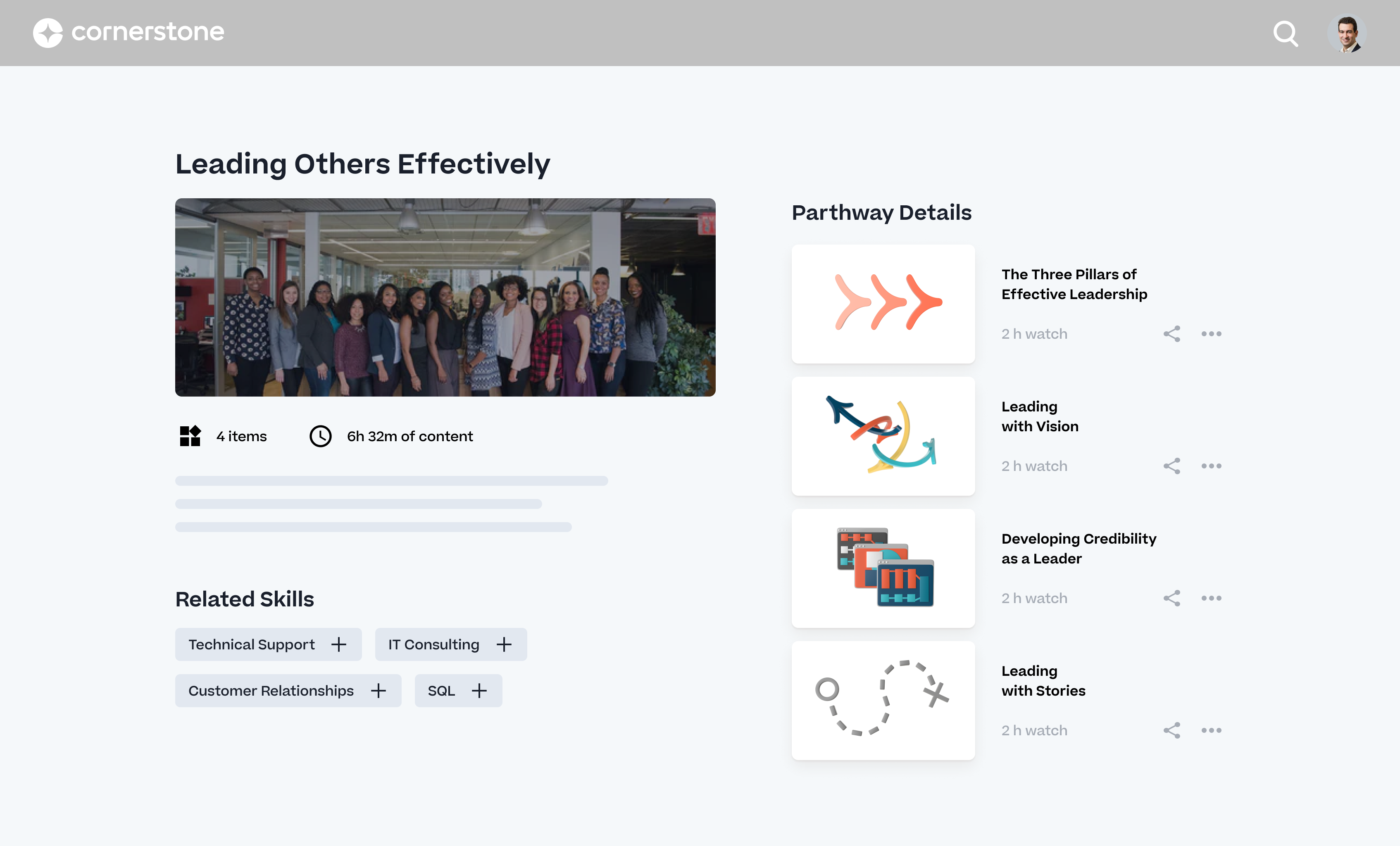
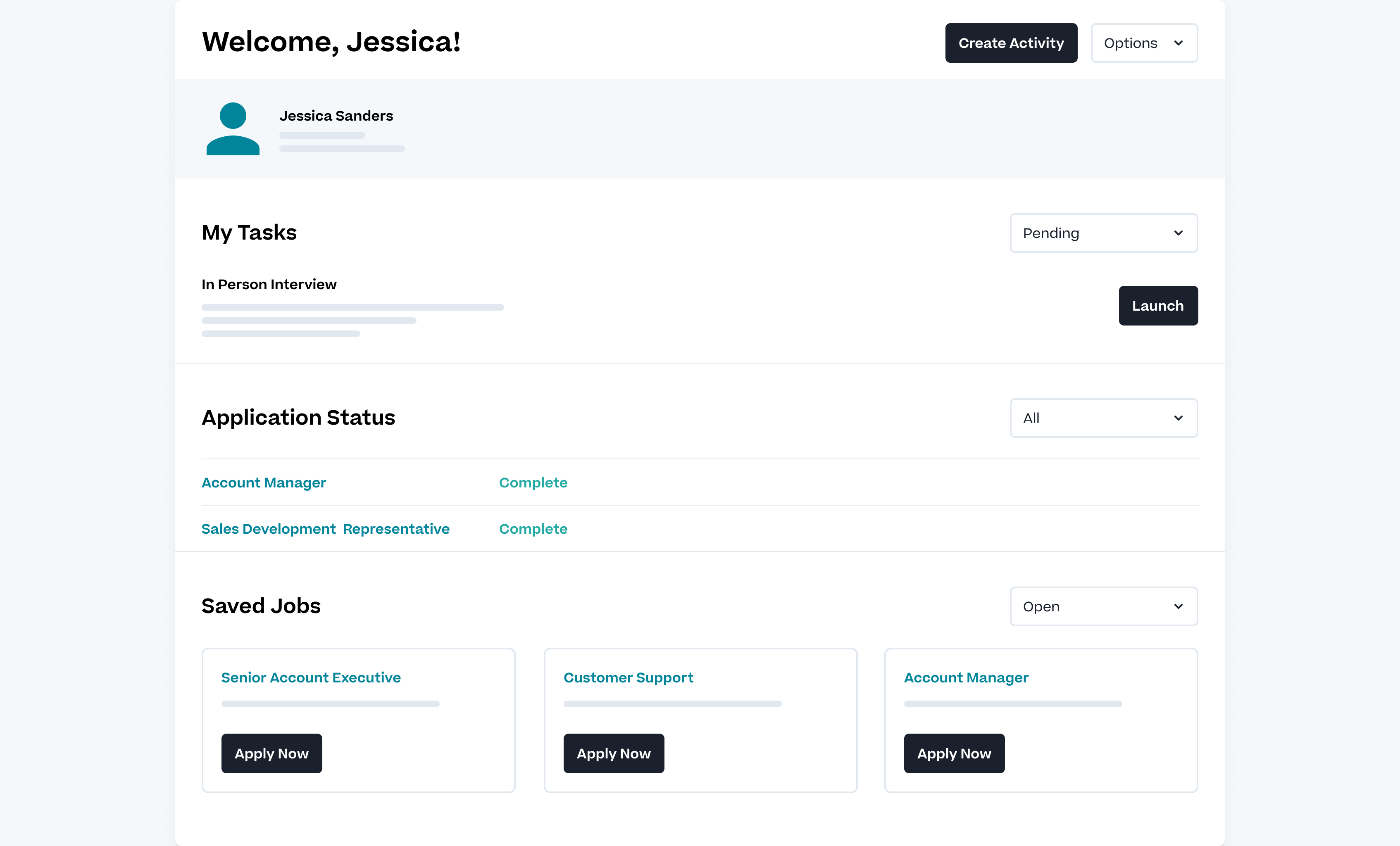
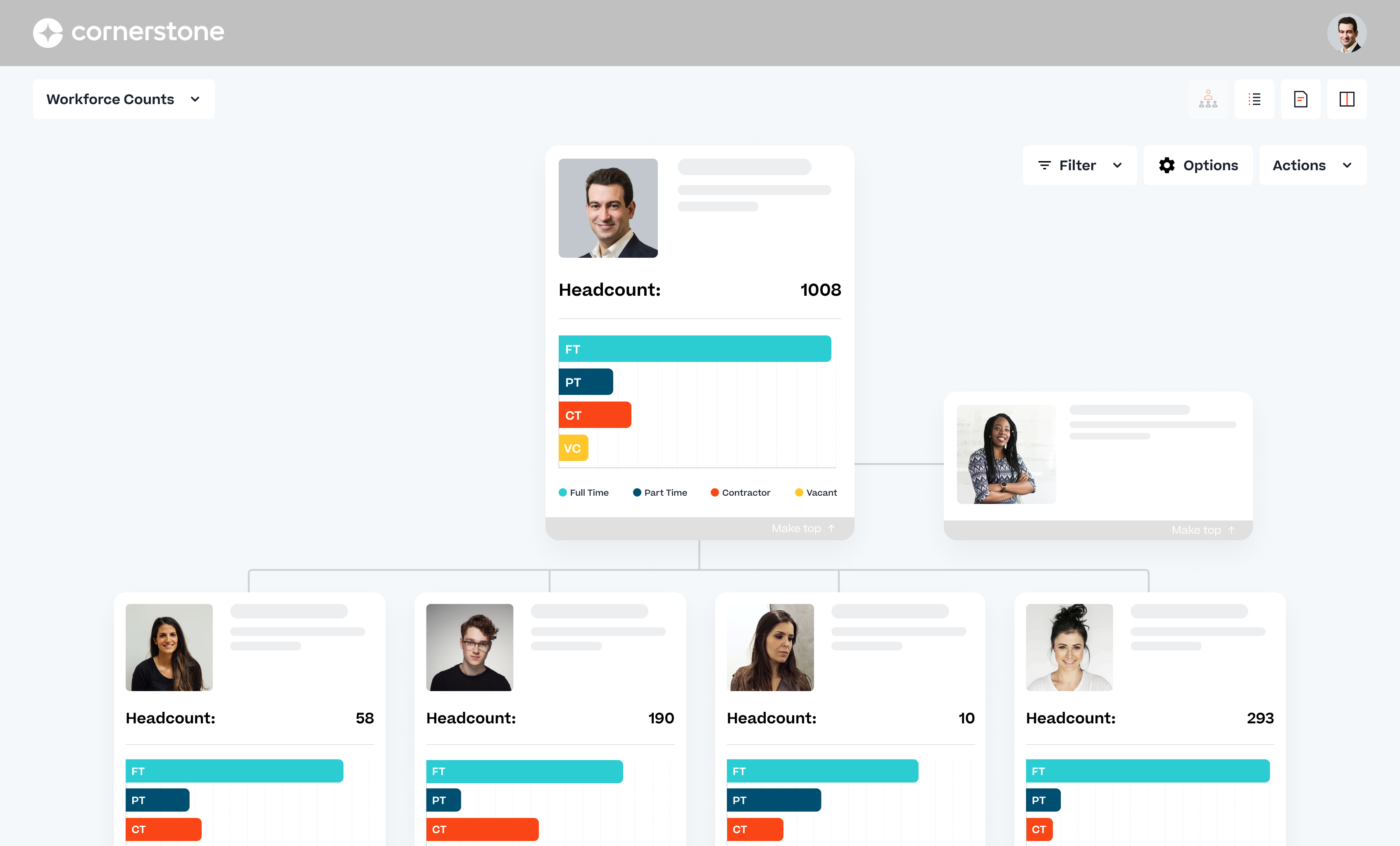
Cornerstone Galaxy is a cloud-based application for talent management. Cornerstone offers suites for recruiting, training, performance monitoring and planning, learning, and HR data management. It is scaled for enterprises.
N/A
Moodle
Score 8.2 out of 10
N/A
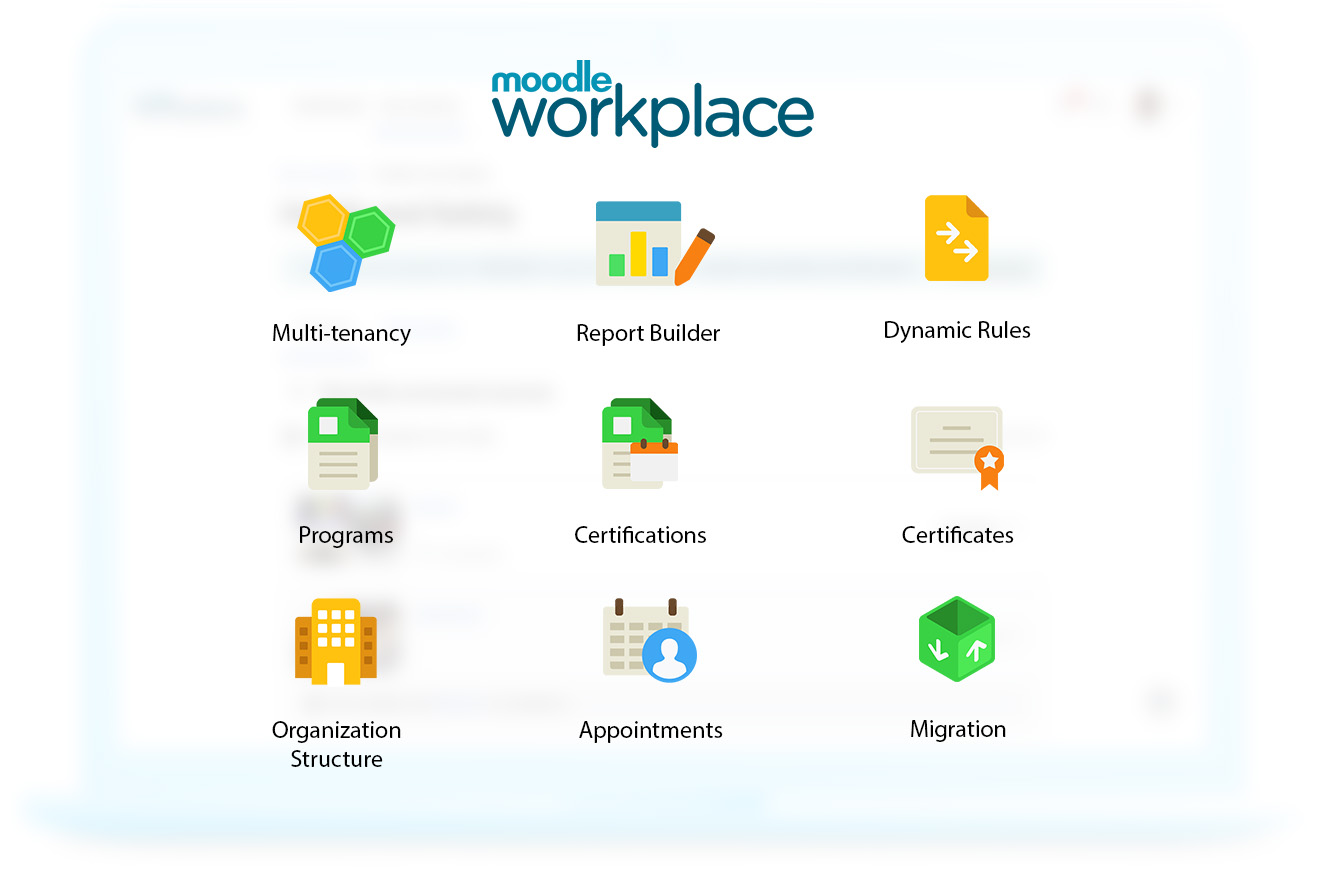
Moodle is an open source learning management system with hundreds of millions of users around the globe and translated into over 100 languages, used by organizations to support their education and training needs.
N/A
Pricing
Cornerstone Galaxy
Moodle
Editions & Modules
No answers on this topic
No answers on this topic
Offerings
Pricing Offerings
Cornerstone Galaxy
Moodle
Free Trial
No
Yes
Free/Freemium Version
No
Yes
Premium Consulting/Integration Services
No
No
Entry-level Setup Fee
Required
Optional
Additional Details
—
—
More Pricing Information
Community Pulse
Cornerstone Galaxy
Moodle
Considered Both Products
Cornerstone Galaxy
Verified User
Anonymous
Chose Cornerstone Galaxy
We tested Workday Learning and found that it was far less customizable than our current LMS. I will say that Workday has better mobile capabilities. However, the reporting and several additional functionalities were stronger with Cornerstone products. Additionally, Workday's …
Our analysis of these other products has come under various context. In the end Cornerstone remains our core LMS due to its regulatory and compliance capabilities and services. No company has shown that they can match this and it is a critical differentiator for our company …
It's been years since I've worked with another product. I don't really have a great answer for how it stacks up anymore, and Cornerstone OnDemand has acquired some of the bigger players in the same LMS sphere in Saba and SumTotal. However, they have positioned themselves as …
We have been with Cornerstone LMS for about 10 years now, and the LXP for about 2 years. I do not recall the other products we evaluated at the time, but more recently there was some interest in using Workday as an LMS since that is our HR platform. Their learning platform, …
I have previously used SumTotal and Moodle and find Cornerstone OnDemand to be much more deep in terms of the amount of features available and custom configurations possible. From an admin perspective, Cornerstone OnDemand also has a much richer admin community and educational …
Mainly the annual costs of the suite: we are present in 7 countries and develp an implementation of SAP SSFF costs triple than Cornerstone OnDemand. Talentia was "in price" similar than Cornerstone OnDemand, but is more oriented to Europe customers than American or Latam. The …
The user experience is a lot better than using SumTotal as an admin CSOD makes working easy. Without having workarounds. Reporting is a lot better than both platforms. Reporting in CSOD is complex however easy to manage and create when you understand the data points collected.
My background is that I have been a teacher for more than thirty years. I have worked with a few different Learning Management Systems and when it came time for my company to implement its own LMS I evaluated more than twenty other Learning Management Systems. I went through …
Cornerstone OnDemand is a system that can fit a lot of different needs. It is a complex system that is maybe not too contemporary looking at the moment but it looks good enough. But the most important is that it's safe and it is compliant. And that is it's point of difference. …
Since the platform can be accessed not only through the website but also through users' cell phones, Cornerstone's virtual training tool offers great accessibility for employees receiving training.
It works with Android and iOS devices and collaborates with other apps to ensure …
In comparison to other platforms, Cornerstone checks all the boxes. They are always looking for ways to improve the platform with the suggestions from their users. It always evolving which is great because the platform is always staying current with trends as well as the …
Cornerstone OnDemand provides an overall fit for our organization's training needs. Our HR Directors are able to provide and monitor activities and stay abreast of annual mandatory trainings.
Cornerstone is a more holistic system, we have all necessary modules in one place, don't need to switch between different systems. On the other hand, the admin panel in CSOD, especially in the learning module, is out of date, and preparing learning activities is very …
We have used Cornerstone [onDemand] for the past six years. We have not used or reviewed any other learning management systems during my tenure at Jack Henry.
All of the products are essentially the same. The difference between each company and product [is] minimal at best. Some offer additional tools such as integration, reporting, customization, and the like. Others are standard out of the box. Overall each product delivers what …
Compared to Google classroom, Moodle is more flexible and more comprehensive. But the interface is a bit outdated and not very mobile-friendly. Additionally, Google classroom has nice integration with other Google's workspace tools. Google lack tools such as CodeRunner to be …
I think Moodle blows most of these systems out of the water. While every system as something or lacks something, Moodle is a consistent and reliable learning partner. Despite being born from OpenSource, the community has worked very hard to improve it. The investment shows as …
These are not very similar tools, Moodle allows a lot more options and you can even integrate a miro board into Moodle. I would say Moodle is a lot more complete, allows for the wide range activities that need to be undertaken during a master course, from readings, to lectures, …
The decision to go ahead with Moodle Workplace was not in my territory, but I guess that the mobile-friendly app is the best part of Moodle Workplace. It has been easier to set up courses customized and integrated with features as required and the delivery has so far been …
Director Of Information Technology and HIPAA Privacy Officer
Chose Moodle
Moodle, being open source, is the foundation a lot of other tools like it are based on. It provides almost all of the same functionality and feature set as Google Classtoom, Canvas, etc., although those products are a bit more polished. All can do content delivery, progress …
For me, Moodle is more user-friendly because it has simpler graphical user interface and it provides the functionalities that my students and I enjoyed using. Moodle is more interactive as well and it provides efficiency in uploading, downloading, restoring and backing up …
The user dashboard in Canvas is a little more appealing to look at. Moodle is a little more straight to the point in course presentation, which for me as an educator, doesn't bother me. I think if it were being geared towards use with students in high schools or middle …
Really all of the low-cost LMS offerings are about the same. You are getting what you pay for. You can spend a little money and a lot of time customizing it to meet your brand and your need or you can buy a higher-end LMS that already does a lot of what you need.
Overall, Blackboard was a clunky, unintuitive system that provided the bare minimum for offering online learning modules/educational courses. Users would complain that it was difficult to use and often couldn't find materials relevant to them in terms of finding courses, grades …
It is hard to compare them with each other as they are so different. They really can't compare as they are two completely different platforms. But Moodle is great in all aspects, I like Slack for communication as well. But when it comes to tasks, Moodle handles it better …
Being completely free, Moodle comes out on top for any situation where the school is small or the budget it tight. Most of these other tools have paid services where there are professionals to assist with set-up or problem-solving. However, there is tons of information online …
Edmodo provides a simple platform but does not provide the depth of assignments that Moodle does. Moodle provides more assignment types, grading, deadlines, and shifting of assignments from one week to the next. Moodle is significantly more advanced in terms of what it can do …
When setting up our LMS in 2014, we started with a product called LearnDash that was not designed for the school market. When we moved to Moodle, we looked at Edmodo and went with Moodle for the cost to launch and get our courses up and running. We are a smaller company were …
We didn't really entertain the idea of Canvas for long since the Open Source version didn't have nearly the reference and support material that Moodle did for guiding a successful setup. We did consider adding the assessment and outcomes module from our existing Learning …
I feel Cornerstone is a great solution for companies that have a large amount of compliance training to assign but also want to serve up courses for personal and professional growth. Clients are able to control the level of social engagement within the LXP by turning on/off various features such as commenting on smartcards, "Like" and "Share" or with social Communities where posts can be made and commented on. There is also a great amount of flexibility in making certain features visible to a subset of users vs. enterprise-wide.
Moodle is a Learning Management System and is best suited for just that. We didn't like the assessment piece of our full scale Learning Management System (nor did we want to purchase the entire assessment module) so we chose to use Moodle for this, and it works well. Installing this application with the intention of only using a portion of its capabilities can be successful in environments where you have technical skills and a broad understanding of integration between your systems. For institutions that lack these, you're better suited to using a full scale of an LMS with assessment inside that same application.
The user group community is unlike any other. It is easy to connect with other clients and the CSOD team is actively engaged, always interested in what clients want and need.
Vast content catalog from a wide variety of providers. Content delivery service makes my job easier. I don't have to deal with course files and metadata!
Ease of use for non-admin admins! I was not a LMS administrator prior to implementation so I learned as I went which was fully supported by the robust training available to system admins.
User-submitted external training is editable by users even after it has been approved and completed on their transcript, UNLESS a transcript lock is put into place--which also renders all submitted certificates un-openable once approved. Thus they can never be referenced after approval.
The system is designed for annual compliance training to be re-versioned annually. I [believe it] is a very un-user friendly for training that we don't want to re-version because users take it on a rolling, as-needed basis.
Some very key components are not configurable and cause our users a great deal of confusion. For example, there is no way to turn off the search bar on a user transcript or even to edit the prompt text within it. Our users are constantly searching for training here, and end up re-opening/re-launching completed courses rather than registering for a new occurrence of a course.
In general, we find Cornerstone [onDemand] clunky and that it does not really meet our needs.
Rubric Management. This may have been addressed in a plugin module.
Better tools for examining outcomes from exams and rubrics across a class, course, or organization. This may have been addressed in a plugin module.
Improved content management within the default installation. While there are modules that support products such as Drupal, building into the default product would ease adoption.
As long as pricing stays reasonable, we will likely stay with Cornerstone for at least one more contract renewal. It would be a large task to migrate all of our content to a new system. However, the LMS landscape is diversifying with new startups that are showing some real innovation.
We use it because it is what have committed to back in 2011. Perhaps Moodle will evolve and advance in a positive way that will alleviate most of our user-based gripes? Perhaps it will not appear to be as cost effective given the need for a certain level of engineering and support staff to maintain it at a future level of sustainability? It's hard to say. As an enterprise scale critical application, we like it, but don't love it. Our instructors don't particularly like it at all.
For End-users it is exceptionally easy to use. There is admittedly a steep curve for admins, but simply because there is so much that is truly possible with the system. Cornerstone has been updating many features in recent years, though, which have been moving overall usability in a favorable direction.
I've been able to figure out Moodle through my own experimentation and some help from the Moodle support pages. It's not always obvious where to make certain some changes and It can be a little confusing in determining which pages blocks will appear. If this is your first time using Moodle as an admin/course designer you should expect to spend a some time experimenting because knowing where to make certain changes isn't always intuitive. Additionally, plan to explore the course as a student vs. as admin because the UI is different based upon your settings
I haven't really had any major availability problems. The service is practically impeccable but it is true that at times, due to server and latency problems, the application has been slower. But these have been specific issues that have resolved themselves.
I have worked in Moodle for over 10 years in two different organizations, and I have never experienced an outage. We have about 600 courses in our current account and the only outage we have had is FlashChat add-in we use for live chats, within Moodle, hence the reason for the nine (9). If you all know of Moodle vendors willing to help us upgrade from 1.9, Please wend me their info.
Pages do not load quickly. Often times any action or selection of a box, drop down, check, pretty much ANY Javascript interaction causes the whole entire page to load/reload/start doing something in the background. This makes a nightmare for having to mass edit courses or upload ILT sessions. It's the one of the archaic web designs they use that really bugs me as an admin and makes working in the portal at times intolerable and insufferable
Moodle is an excellent LMS in relationship to any other one that I have seen or used. The pages load quickly and the reports complete in a reasonable time frame. Moodle has taken on Respondus, StudyMate, BigBlueButton, Turning Tech, Turnitin2, Certificates, Attendance, Tegrity, Questionnaire, Virtual Programming Lab, and Badges. All of these programs work right in with Moodle and do not cause any issues. Instructors may also use Camtasia and Snagit software as well as using webcams, downloading videos from the Internet, adding into books, or any of the many other areas within Moodle. Our instructors use the grade books without many problems and really don't ask questions much anymore. We upgrade Moodle every semester and are currently on 2.9+. Our instructors have basically learned to use most of the resources and activities.
Its always important to have support when you are facing problems and when you are the main admin of the organization. Cornerstone Support is very supporting when you have not found the answer in the help guide. its very useful to have a team support to guide you.
I can consider Moodle as one of the pioneer in providing online learning. Before the introduction of other Learning Management Software, Moodle has been in place already in the field of education and so I believe that Moodle is definitely one of a kind software that all teachers should try and utilize in making sure that the online learning is a good experience.
we use also to admin all our training in person events and sessions. Its easy to admin this kind of trainings and automatize some processes we have. Also de user experience and the integration with other systems helps to the employees to use more. All modules integrated oriented to develop people is the principal reason to have CSOD. The training administration is very complete and allows to automate many processes.
Overall our rep changed a handful of times during our LMS switchover, which made the training inconsistent. They offer a large amount of online training not specific for what we were looking for at the time, but we were able to make it work.
The implementation was pretty difficult. We felt they (Cornerstone) didn’t properly allocate the resources to complete our implementation in the timetable we wanted.
For example, we worked on Workday and SSO integrations - work that we had specifically contracted for in advance. When we were ready to work on that project, they didn’t have the people ready to help us, so it took a lot longer than necessary. That was my biggest pain point.
The implementation approach we went with was a self-led implementation. We would speak to the implementation manager once per week, and self-trained. We met with implementation manager to discuss issues, review things that we’d learned for 1 hour. We found that wasn’t enough. Other things would come up outside that one hour window that we couldn’t get answers to. We didn’t have anyone to ask about those things and we had to wait to ask during our weekly meeting.
The advantage of the self-led implementation approach was that it was really inexpensive – significantly less than the implementation cost for the other systems that we looked at. I also liked that we could pace ourselves. There were however big roadblocks. We would have to make sure the right resources were available. We had an implementation/project manager with a lot of experience and felt that the person was knowledgeable but missed on a few things.
In hindsight, I would still go with the self-led implementation, but knowing what I know now, I would ask for the integration person to be available more. I would work that into the contract. With single sign-on, we needed deep linking to build direct links through a Single Sign-On tool, e.g. when someone gets an email, it directs them to training. But it has to go through SSO to get them to the correct link. Deep linking wasn’t turned on in our system and they had to activate it. We encountered little things like that – sequencing pre-requisites which were problematic. We tried to troubleshoot ourselves.
I recommend you consider contracting for some extra implementation hours and determine when they are going to be available. Work it into the contract that you have the ability to call tech support during implementation. In addition to weekly implementation meetings, they have technical webexes – 4 every week, but 2 didn’t apply to us – one as we were using SSO. The challenge is they were not always relevant – we had specific questions that didn’t fall into those categories
Find a partner who will work with you during the implementation process. Be sure to provide ample training for veteran users on the changes and for newbies on the overall product.
We tested Workday Learning and found that it was far less customizable than our current LMS. I will say that Workday has better mobile capabilities. However, the reporting and several additional functionalities were stronger with Cornerstone products. Additionally, Workday's cost was higher than Cornerstone's.
Moodle, being open source, is the foundation a lot of other tools like it are based on. It provides almost all of the same functionality and feature set as Google Classtoom, Canvas, etc., although those products are a bit more polished. All can do content delivery, progress tracking, attendance, reporting, etc. with ease, but Moodle also does this as a completely open source product that can be code-reviewed, audited, modified, extended, etc. at will, provided the expertise is present.
Well, I administer Moodle for a dozen of our divisions and there is a wide range of flexibility between offerings. I have course instructors who use every module i their course, chock full of videos, pictures, links to web tools for synchronous sessions within the asynchronous course. I also have others who are content with a syllabus, a few pdfs, links to podcast lectures and a few simple assignments. No matter if your organization is big or small, or if your requirements are strict for credentialing or non-existent (for internal know-how), Moodle can accommodate you.
Our goal is to standardize training across our company and its 5 permanent locations allowing us to build a common culture across the company.
Our goal is to be able to push out specific training to our teams which are spread across an enormous geographical area of the United States.
We are currently meeting our objectives - in less than three months' time our team members have completed more than 1500 individual courses through Cornerstone OnDemand.
Moodle has allowed the business to track all training initiatives. Since, November 2014 we have loaded 54 courses, 339 users, 889 resources, issued 719 badges, and created over 100 course modules.
Our company just got a new applicant tracking system for the recruiters to use. In order to get all of the employees up to speed we created trainings that we loaded into Moodle. The participants and participation was tracked and we were able to find correlations between users engaged in training and their activity in the new applicant tracking system. This is a significant win for the training department, our learners, our company, and especially Moodle.
Moodle also provides great customer service for our internal employees. They now have one place to go to find all their resources, all their training, and all the help they need for any training questions. Instead of scattering information on the intranet. Training is more official when it has its own domain.