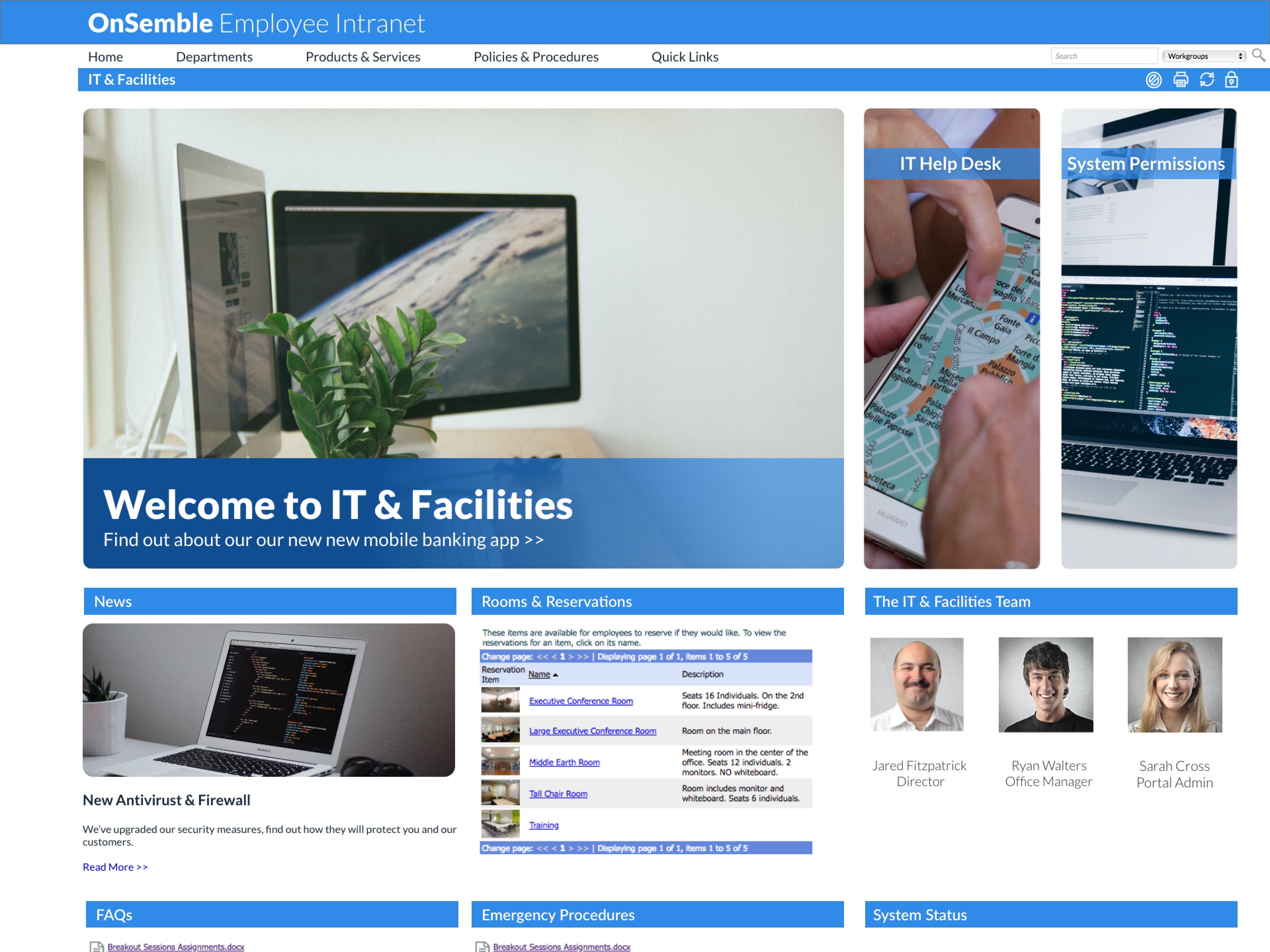
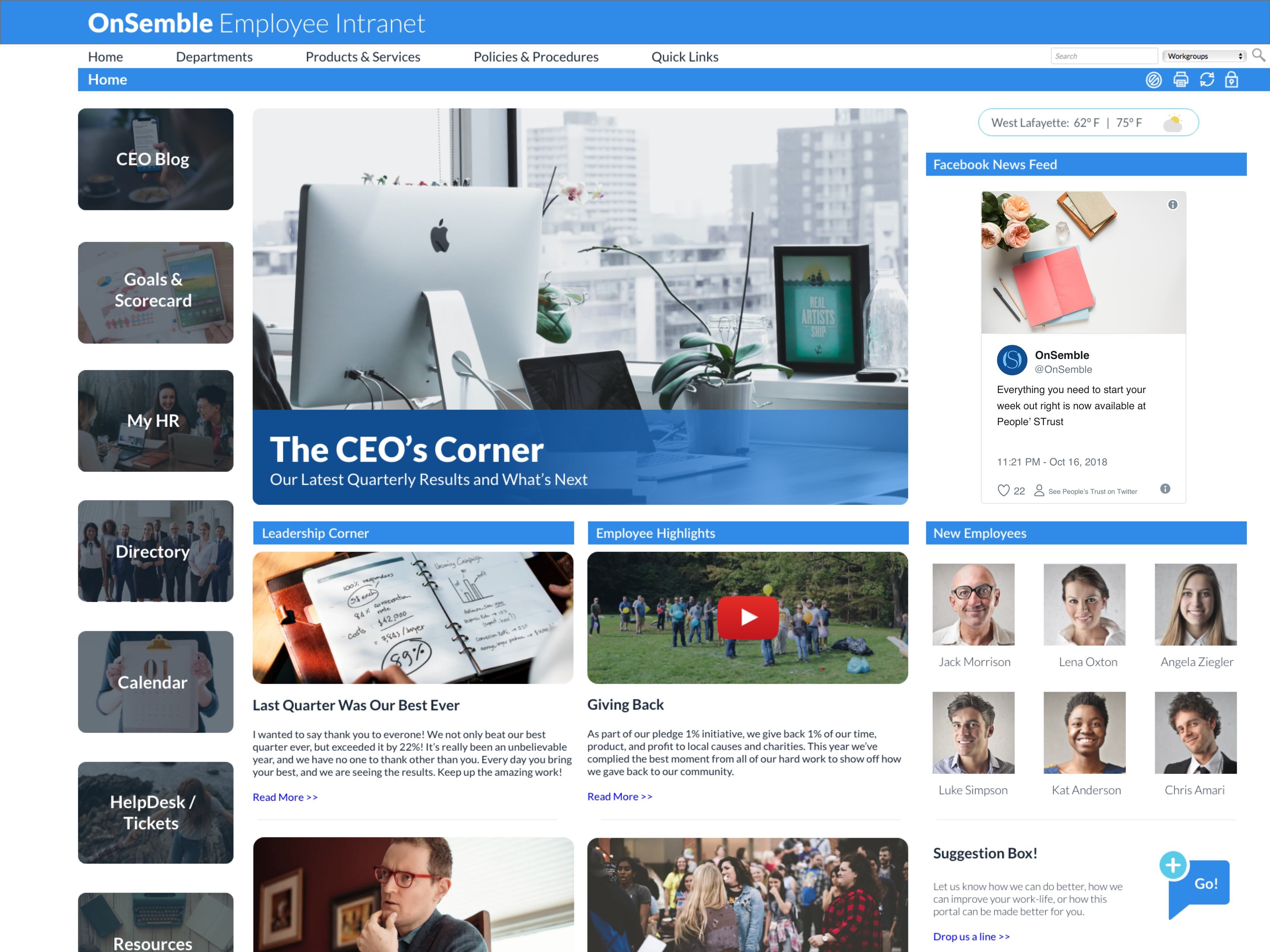
Nconnect (formerly OnSemble Intranet) is an mployee intranet that keeps everyone connected, a digital workplace to make employees feel valued. It is designed to keep remote teams engaged, and acts as the culture champion for the organization.
N/A
Netlify CMS
Score 9.0 out of 10
N/A
Netlify CMS is an open source Git-based CMS for static site generators. it runs 100% in a browser.
N/A
Pricing
Nconnect
Netlify CMS
Editions & Modules
No answers on this topic
No answers on this topic
Offerings
Pricing Offerings
Nconnect
Netlify CMS
Free Trial
No
No
Free/Freemium Version
No
Yes
Premium Consulting/Integration Services
Yes
No
Entry-level Setup Fee
Optional
No setup fee
Additional Details
—
—
More Pricing Information
Community Pulse
Nconnect
Netlify CMS
Features
Nconnect
Netlify CMS
Platform & Infrastructure
Comparison of Platform & Infrastructure features of Product A and Product B
Nconnect
-
Ratings
Netlify CMS
6.0
1 Ratings
25% below category average
API
00 Ratings
6.01 Ratings
Web Content Creation
Comparison of Web Content Creation features of Product A and Product B
Nconnect
-
Ratings
Netlify CMS
6.1
1 Ratings
24% below category average
WYSIWYG editor
00 Ratings
9.01 Ratings
Code quality / cleanliness
00 Ratings
9.01 Ratings
Admin section
00 Ratings
7.01 Ratings
Page templates
00 Ratings
3.01 Ratings
Library of website themes
00 Ratings
1.01 Ratings
Mobile optimization / responsive design
00 Ratings
5.01 Ratings
Publishing workflow
00 Ratings
9.01 Ratings
Web Content Management
Comparison of Web Content Management features of Product A and Product B
OnSemble is solving a lot of problems that our organization had prior to its implementation:
We can track communication readership.
We can engage with our fellow teammates through chats and recognition.
We have a central location for all job-related links.
We are just now delving into adding departmental pages so folks can communicate within their teams.
I'm not sure of a scenario where OnSemble wouldn't be appropriate - if you have a company that needs to centralize communication, documentation, and share ideas, it's an excellent choice.
Netlify CMS is well suited when you have very less frequent updates to your content, maybe once a day and very few people need to access your data. You can connect it to Netlify, GitHub, or any platform and have multiple people access it and do as many updates as you wish, but the process is not well-defined and you need to build your own system for that. It is well suited for projects you need to pull off with very low cost, it is essentially free as the software is open source and free to use, and all you need to do is set up your schema correctly and find a deployment pipeline where you can build your static site/API to redeploy whenever the content changes. I personally used a GitHub Login -> Netlify CMS -> next app consumer of content -> GitHub pipelines to run next SSG -> GitHub Pages to deploy the built static site. It might not be appropriate for large teams where users themselves need no-code tools to modify the schema of the content.
As a user: it's pretty intuitive and the only thing holding a user back from getting everything out of it is a lack of curiosity. As an admin: it's not super intuitive. The training and the setup process are crucial to be able to use and maintain the portal, and we still sometimes have questions.
I have always been pleased with my experiences with OnSemble's Support team. First, they have a great library of articles to help me study and guide for many of my questions. But when I cannot quite comprehend, or I "run into the wall", I can be assured that I'll be contacted quickly with a pleasant voice to work through whatever my question/issue may be. Kudos to OnSemble Support!
We really can't compare it to full-fledged CMS software, like WordPress, which has a lot of community and support with widgets, plugins, and whatnot. It's not built for that, but you can compare it to Contentful, Ghost, Strapi, etc., which provide similar functionality to a headless CMS with custom schema options, but even among them, it still lacks a lot of functionality, ease of use, and support. But Netlify CMS pros would be of the opinion that compared to other platforms where most schemas need to use their own tools and frameworks, it's very cost-effective. Something new called TinaCMS has come up to compete with Netlify CMS by covering most of its shortcomings, but it's something new being built by the same team that built Forestry CMS and comes with many modern features, yet currently only supports NextJS SSG.