
OpenText Magellan BI & Reporting vs. Zoho Analytics
| Product | Rating | Most Used By | Product Summary | Starting Price |
|---|---|---|---|---|
 OpenText Magellan BI & Reporting | Score7.3 out of 10 | N/A | The OpenText Magellan BI & Reporting (formerly OpenText Information Hub (iHub)) component of OpenText™ Magellan™ Analytics Suite is a scalable analytics and data visualization platform that enables IT leaders and their teams to design, deploy, and manage secure, interactive web applications, reports, and dashboards fed by multiple data sources. Magellan BI & Reporting supports high volumes of users, and its integration APIs enable embedded analytic content in any app, displayed on any… | N/A |
 Zoho Analytics | Score8.4 out of 10 | Small Businesses (1-50 employees) | Zoho Analytics is a self-service BI and analytics platform that uncovers patterns, spots emerging trends, tracks business metrics, and detects anomalies. Designed for ease of use, it enables business users to create reports and dashboards independently, without relying on IT. | $60 per month 5 users |
| OpenText Magellan BI & Reporting | Zoho Analytics | |||||||||||||||
|---|---|---|---|---|---|---|---|---|---|---|---|---|---|---|---|---|
| Editions & Modules | No answers on this topic |
| ||||||||||||||
| Offerings |
| |||||||||||||||
| Entry-level Setup Fee | No setup fee | No setup fee | ||||||||||||||
| Additional Details | — | There is a 20% discount for all plans if subscribed yearly. Customers can buy add-on rows and users, in addition to the plans listed above. | ||||||||||||||
| More Pricing Information | ||||||||||||||||
| OpenText Magellan BI & Reporting | Zoho Analytics | |
|---|---|---|
| Considered Both Products | No answer on this topic | No answer on this topic |
| Key User Insights | ||
| Would buy again | ||
No answers on this topic | 95% Would buy again 78 Answers | |
| Delivers good value for the price | ||
No answers on this topic | 96% Delivers good value for the price 71 Answers | |
| Happy with the feature set | ||
No answers on this topic | 96% Happy with the feature set 79 Answers | |
| Lived up to sales and marketing promises | ||
No answers on this topic | 96% Lived up to sales and marketing promises 70 Answers | |
| Implementation went as expected | ||
No answers on this topic | 95% Implementation went as expected 72 Answers | |
| OpenText Magellan BI & Reporting | Zoho Analytics | |||||||||||||||||||
|---|---|---|---|---|---|---|---|---|---|---|---|---|---|---|---|---|---|---|---|---|
| BI Standard Reporting |
| |||||||||||||||||||
| Ad-hoc Reporting |
| |||||||||||||||||||
| Data Discovery and Visualization |
| |||||||||||||||||||
| Access Control and Security |
| |||||||||||||||||||
| Application Program Interfaces (APIs) / Embedding |
| |||||||||||||||||||
| Report Output and Scheduling |
| |||||||||||||||||||
| Mobile Capabilities |
| |||||||||||||||||||
| OpenText Magellan BI & Reporting | Zoho Analytics | |
|---|---|---|
| Small Businesses |  GoodData.AI Score8.8 out of 10 |  Cyfe Score4 out of 10 |
| Medium-sized Companies |  Reveal Score10 out of 10 |  Qlik Cloud Analytics (Qlik Sense) Score8.1 out of 10 |
| Enterprises |  Microsoft Power BI Embedded Score8 out of 10 |  Jaspersoft Community Edition Score7 out of 10 |
| All Alternatives | View all alternatives | View all alternatives |
| OpenText Magellan BI & Reporting | Zoho Analytics | |
|---|---|---|
| Likelihood to Recommend | 5.0 | 7.2 |
| Likelihood to Renew | - | 8.9 |
| Usability | - | 7.8 |
| Availability | - | 9.1 |
| Performance | - | 9.1 |
| Support Rating | - | 5.4 |
| Implementation Rating | - | 5.5 |
| Data Sharing and Collaboration | 7.0 | 7.7 |
| Data Sources | 8.0 | 8.8 |
| Ease of integration | - | 7.3 |
| Product Scalability | - | 7.2 |
| Vendor post-sale | - | 7.3 |
| Vendor pre-sale | - | 8.2 |
| OpenText Magellan BI & Reporting | Zoho Analytics | |
|---|---|---|
| Likelihood to Recommend |
|
|
| Pros |
|
|
| Cons |
|
|
| Likelihood to Renew | No answers on this topic |
|
| Usability | No answers on this topic |
|
| Reliability and Availability | No answers on this topic |
|
| Performance | No answers on this topic |
|
| Support Rating | No answers on this topic |
|
| Implementation Rating | No answers on this topic |
|
| Alternatives Considered |
|
|
| Scalability | No answers on this topic |
|
| Return on Investment | No answers on this topic |
|
| ScreenShots | OpenText Magellan BI & Reporting Screenshots  | Zoho Analytics Screenshots 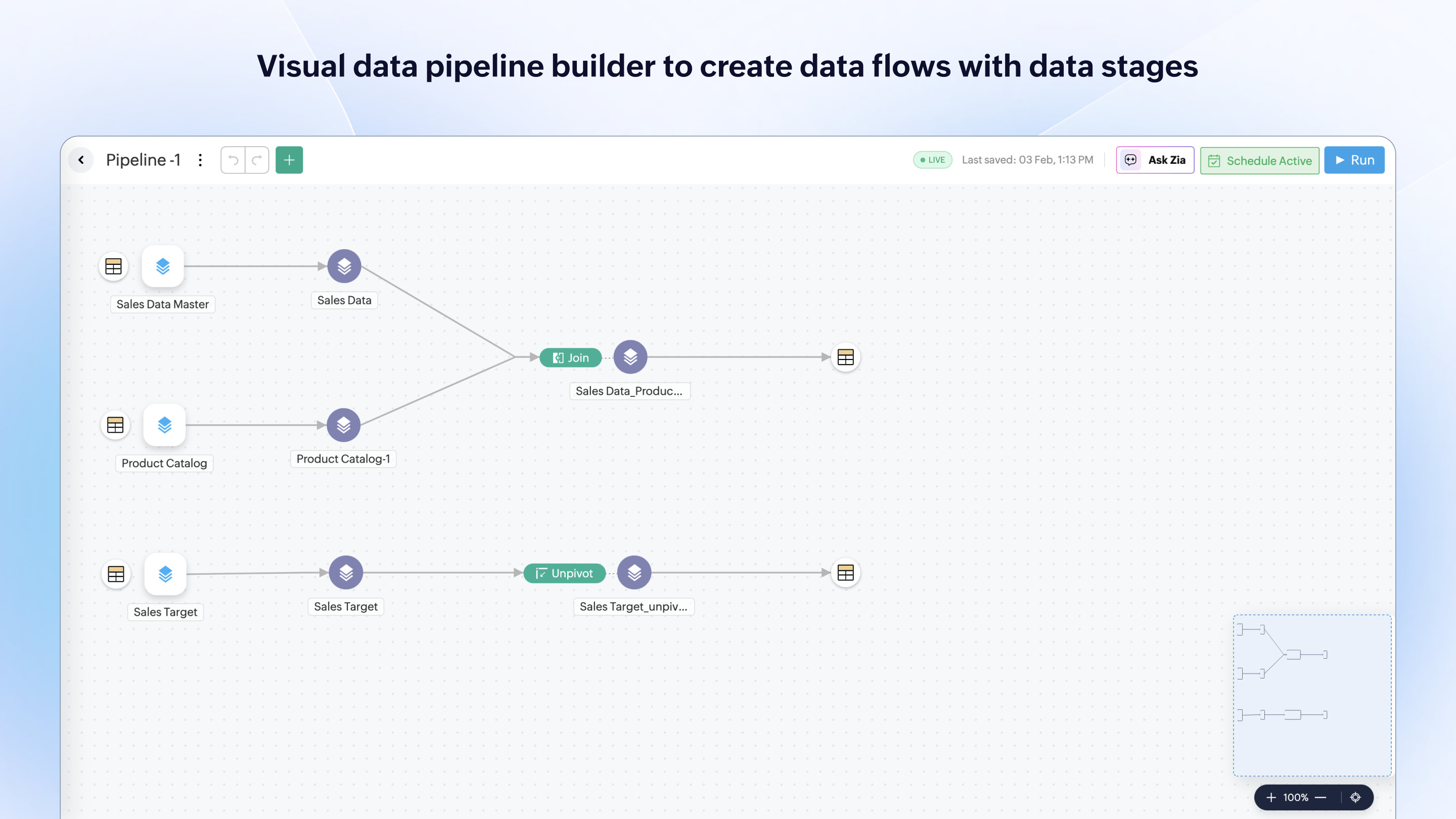 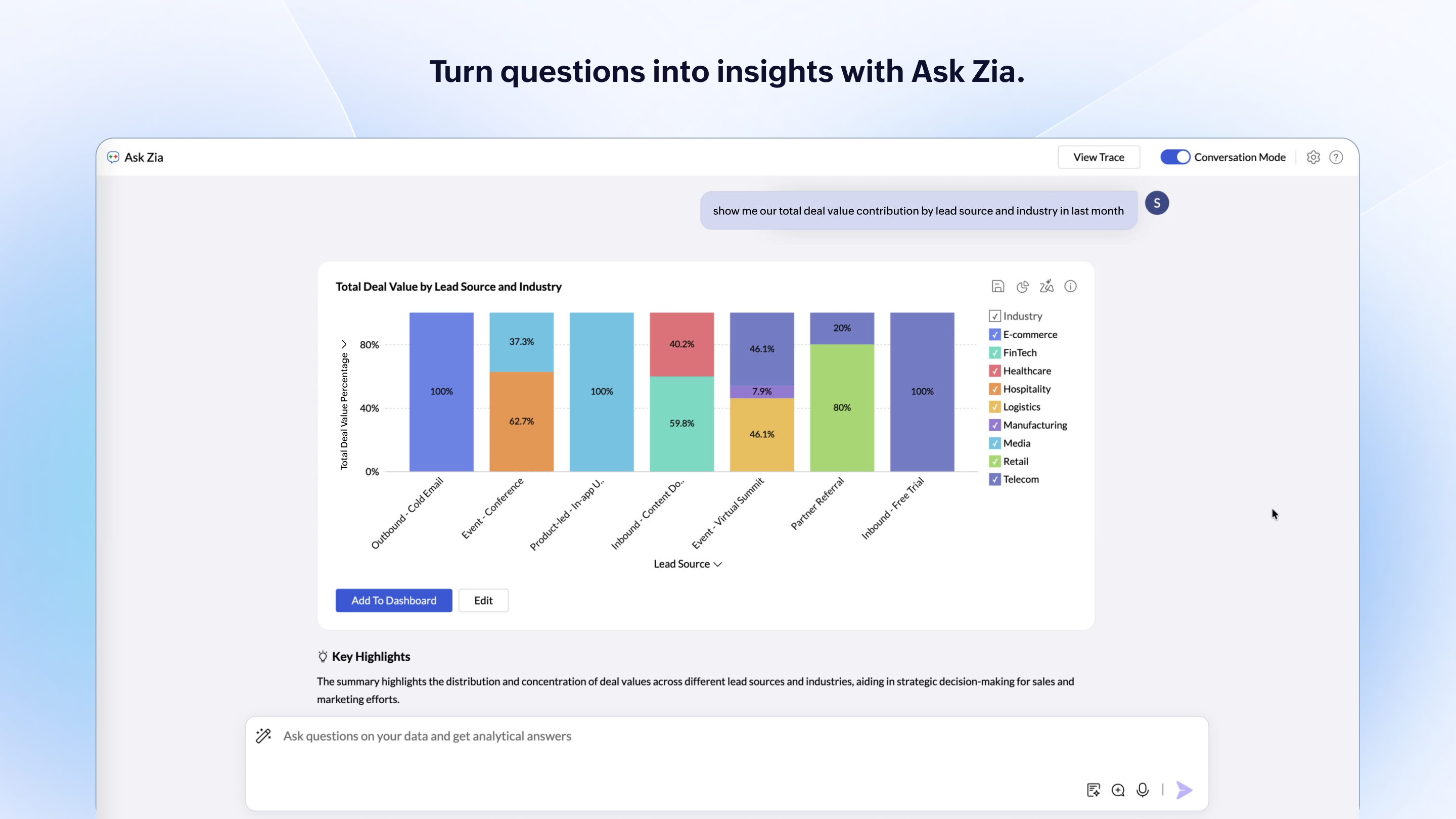 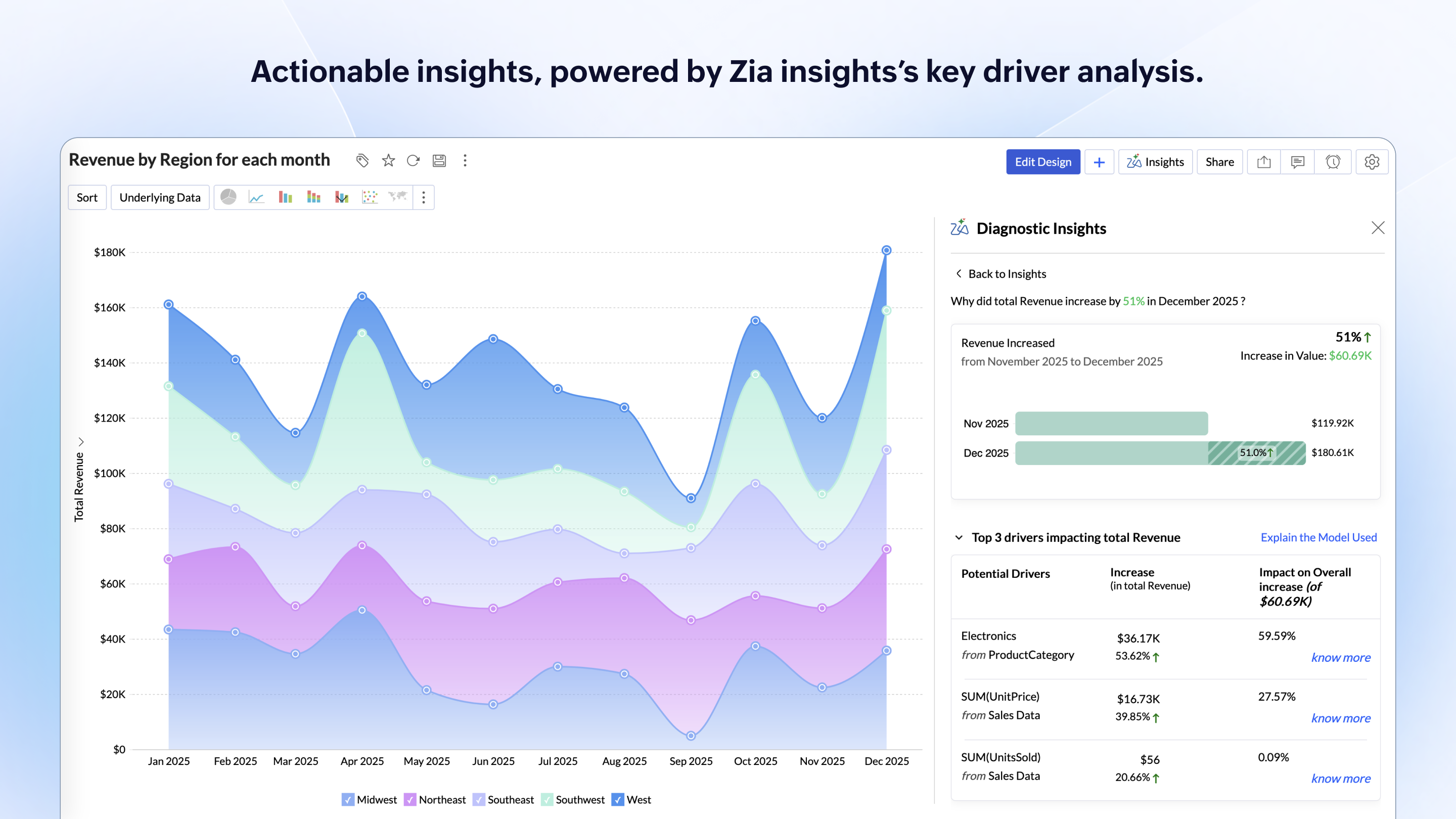 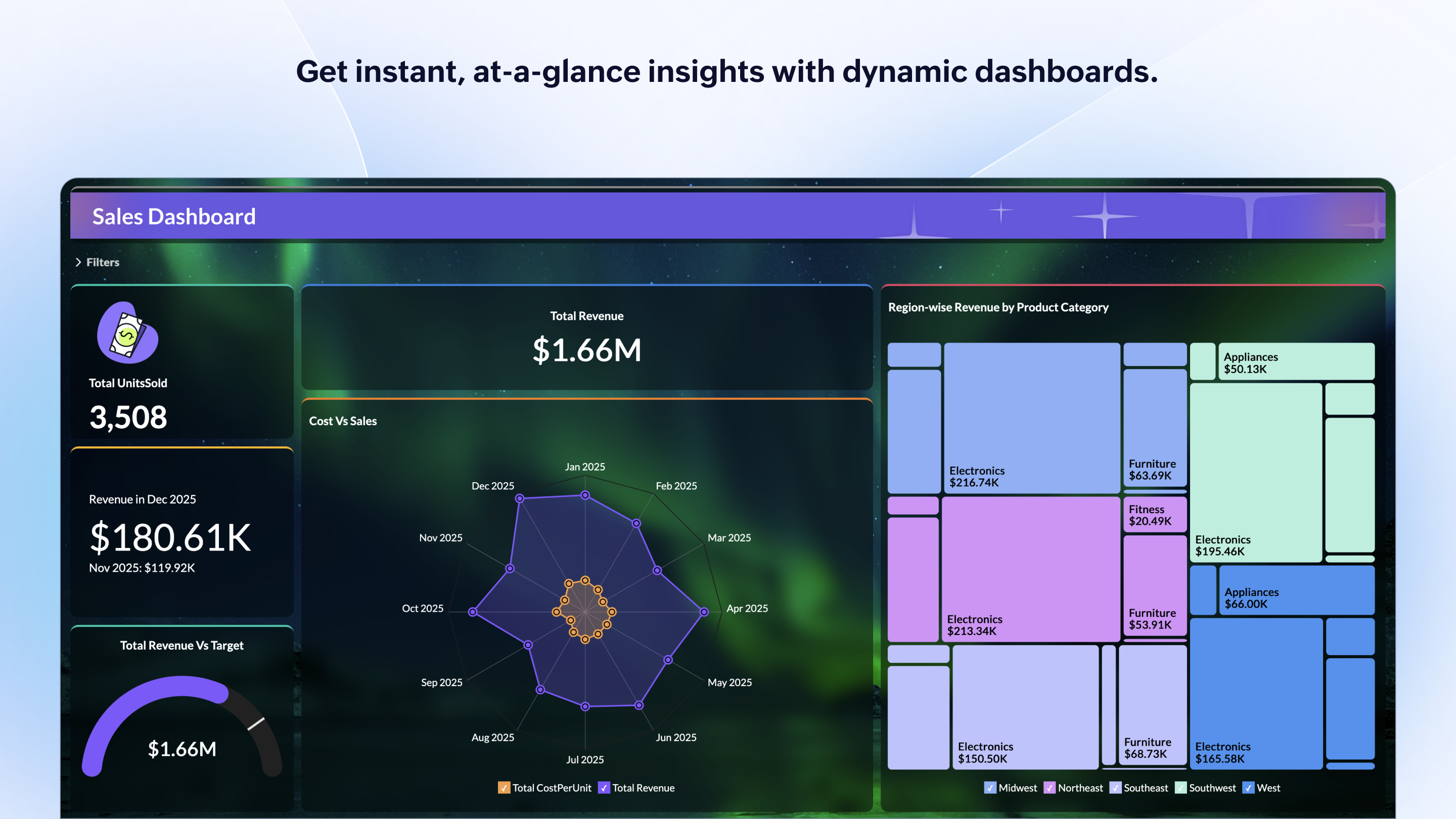 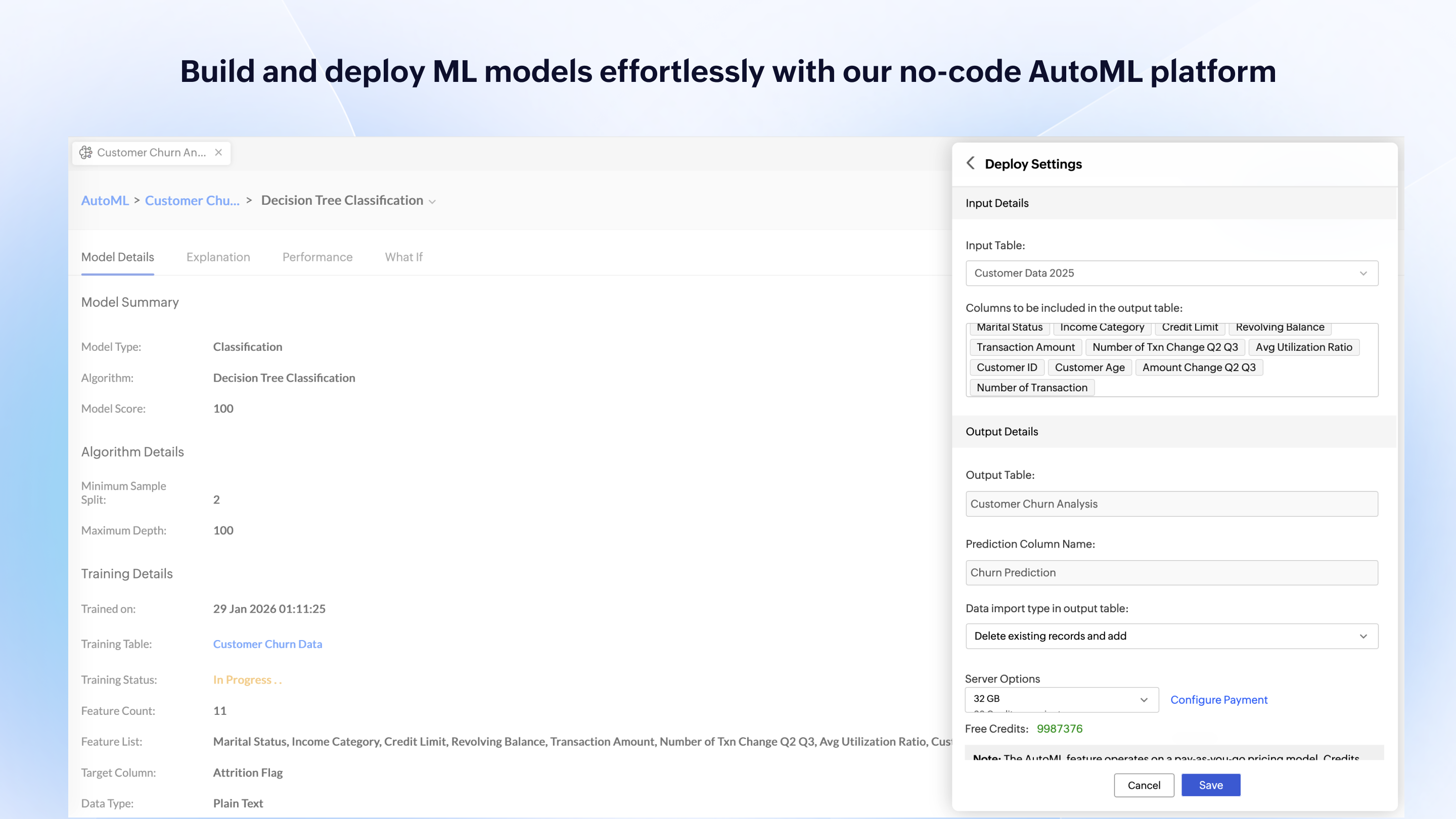 |



