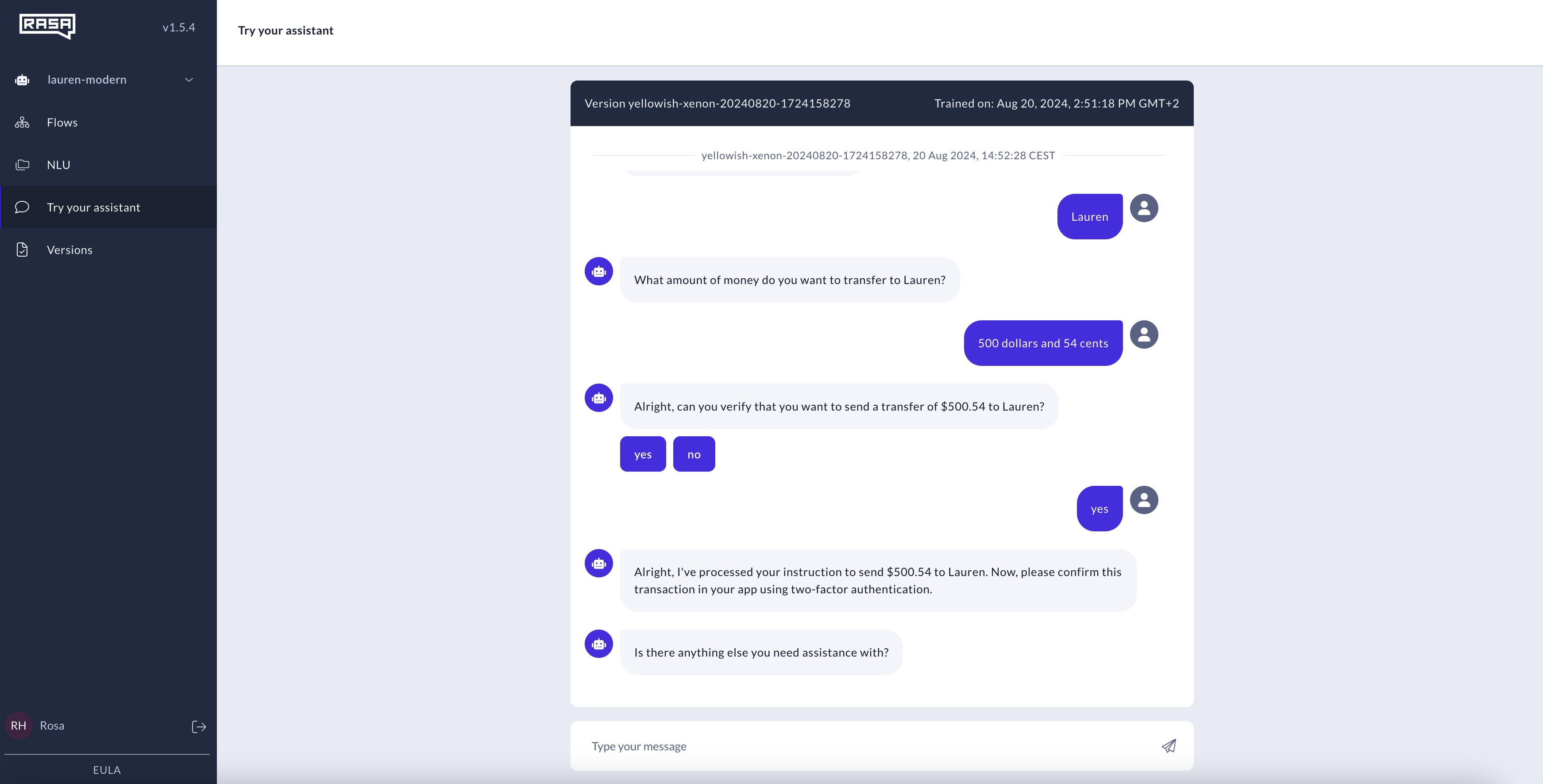
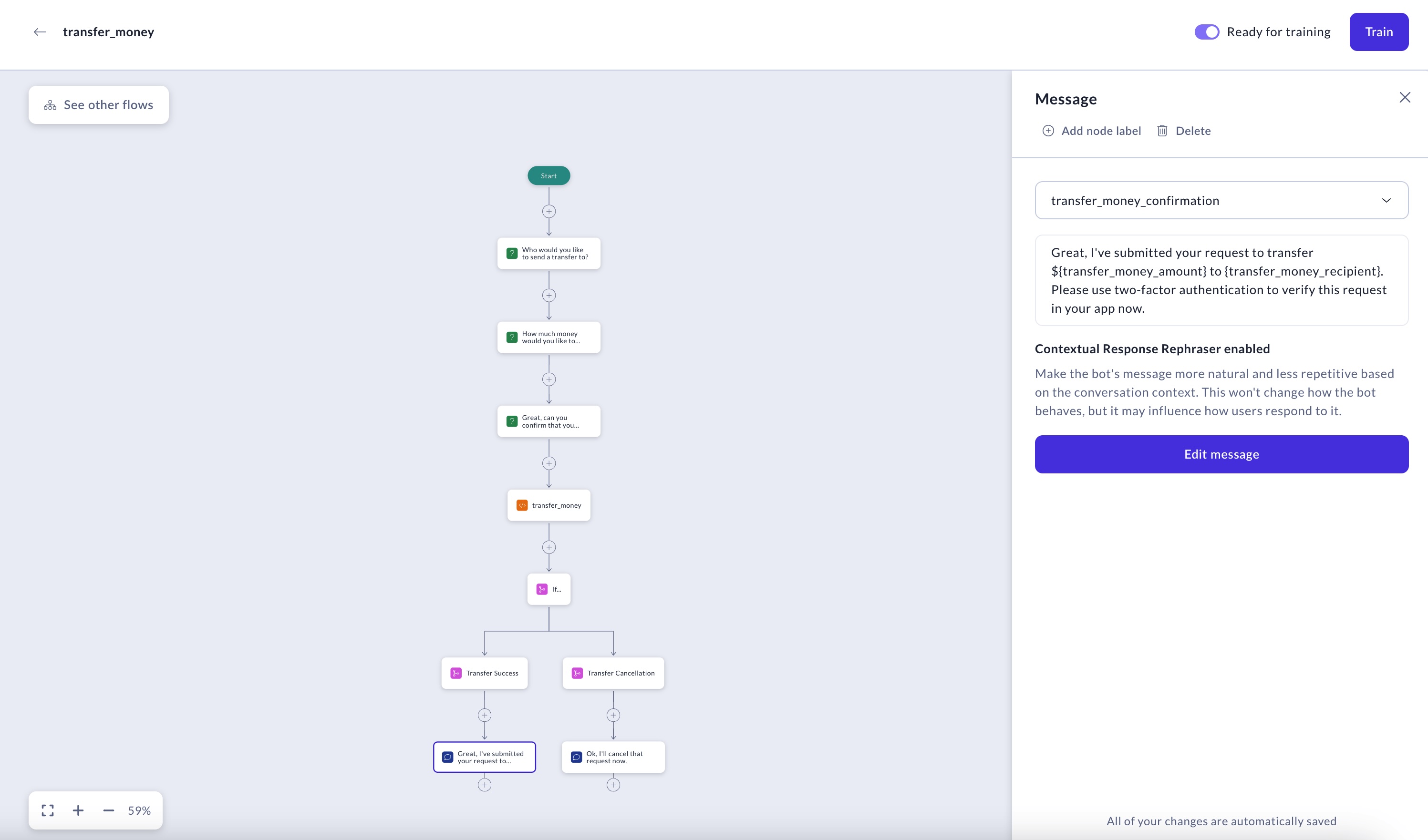
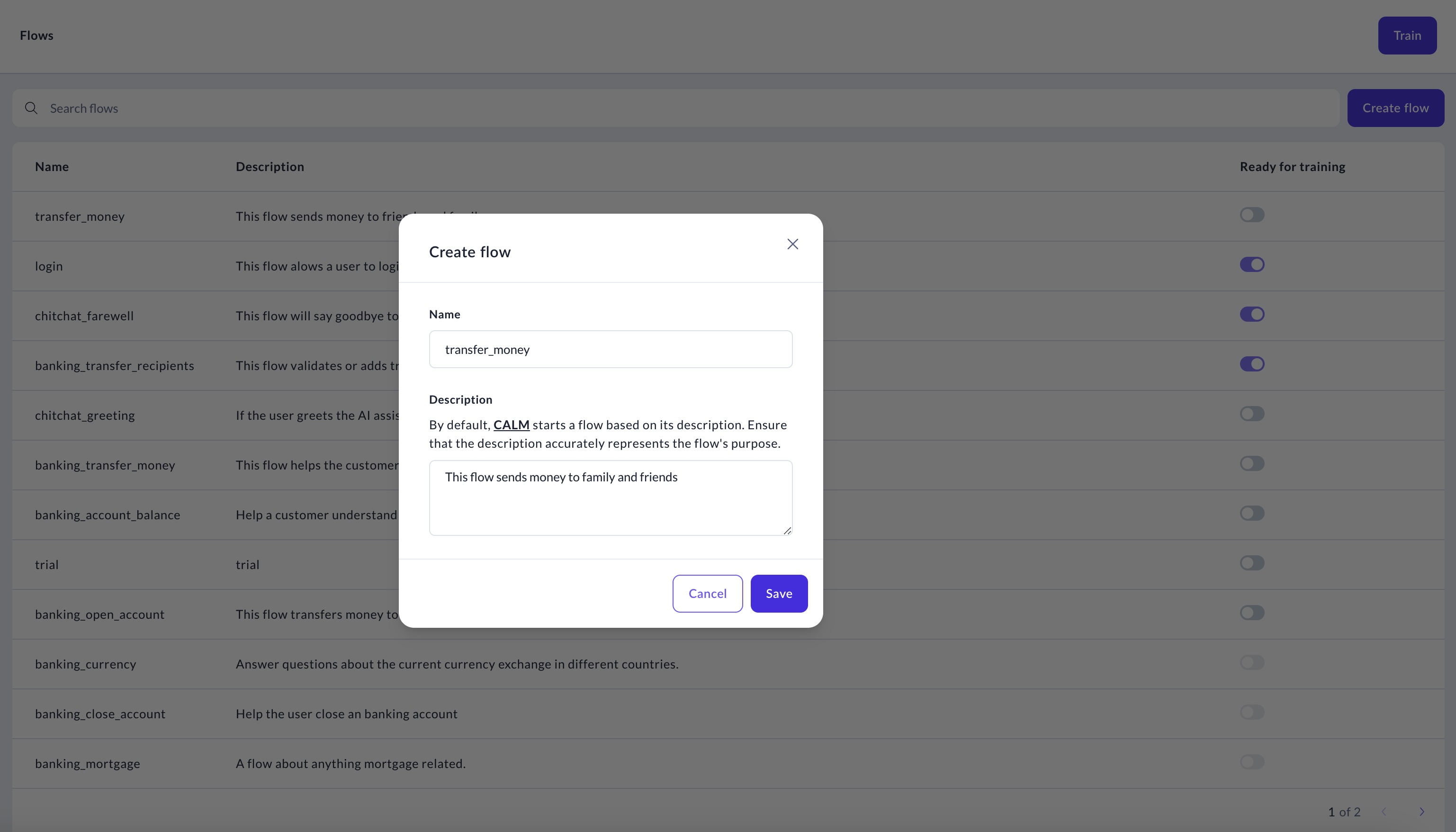
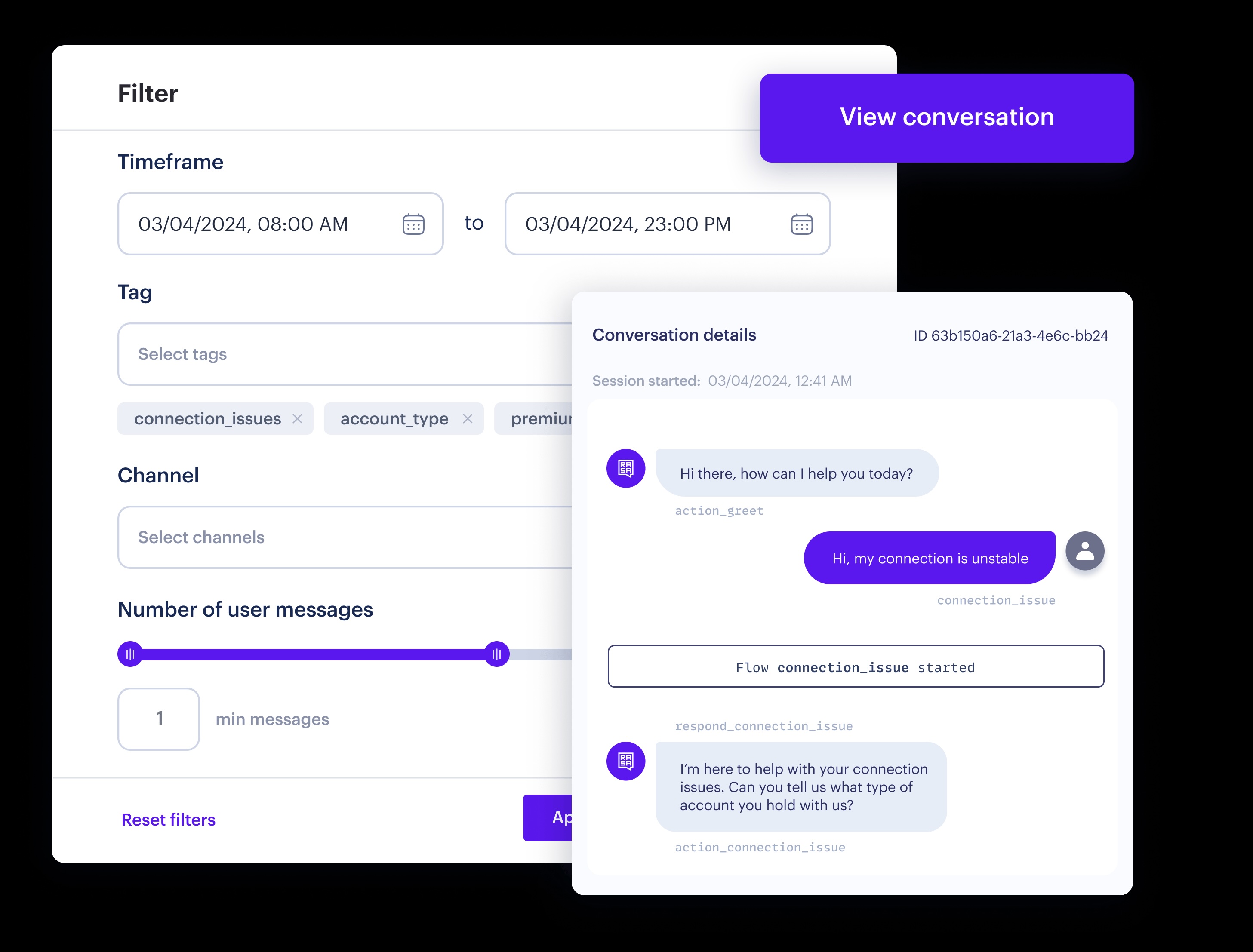
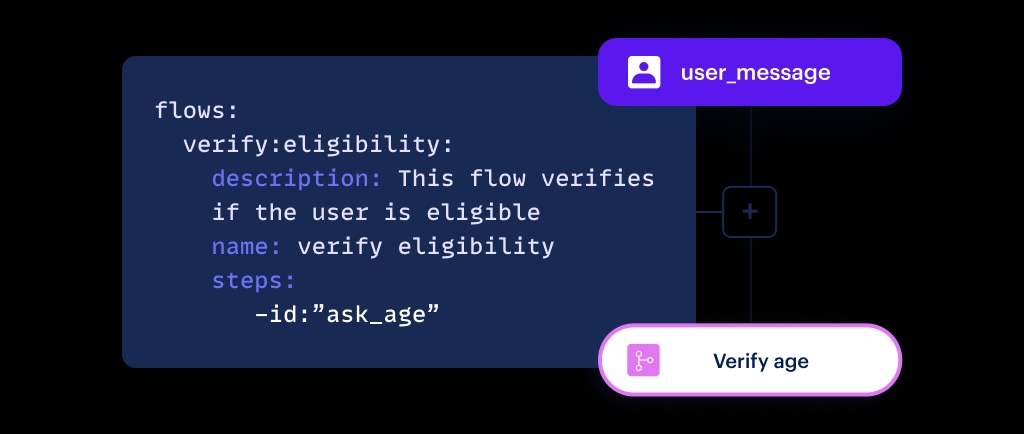
Rasa is a conversational AI platform from the company of the same name headquartered in San Francisco, enabling enterprises to build customer experiences. Rasa’s platform was built to create enterprise-grade virtual assistants, allowing personalized conversations with customers - at scale. Rasa’s conversational AI platform allows companies to build better customer experiences by lowering costs through automation, improving customer satisfaction, and providing a scalable way to gather customer…
$0
Zoom Contact Center
Score8.9 out of 10
N/A
Zoom Contact Center helps businesses deliver prompt, accurate, and highly personalized customer experiences that drive loyalty. It includes intelligent self-service and routing, a unified communications and contact center, and video optimized high-touch engagements.
Rasa Pro is well suited for corporate use and for chatbots which require backend connections. Smaller chatbots with a few flows might be better served with a simple dialogue engine and custom AI agents, or Rasa Open Source. Rasa does not come with its own complex vector database, just in-memory FAISS and connectors to external vector DB's such as Milvus and Qdrant. It provides only a basic document parser and embedder for FAISS. If you need to build a RAG focused chatbot around a large knowledge base with complex documents, e.g. lots of MS Word or PDF files, you'll have to build a separate document parser and embedder, as well as your own semantic search engine
A de minimis incentive was given to thank the reviewer for their time. The incentive was not used to bias or drive a particular response, nor was the incentive contingent on a positive endorsement. More Info
At our company, we launch a new property project and receive many customer inquiries in a single day. Zoom contact center helped our team manage all calls and follow-ups properly without missing leads. It is very useful for handling customer communication. During peak hours, some agents face call delays, making it a bit difficult to track reports quickly.
A de minimis incentive was given to thank the reviewer for their time. The incentive was not used to bias or drive a particular response, nor was the incentive contingent on a positive endorsement. More Info
A de minimis incentive was given to thank the reviewer for their time. The incentive was not used to bias or drive a particular response, nor was the incentive contingent on a positive endorsement. More Info
AI-powered self-service - customers can interact with our virtual agents and get answers to common inquiries, which ensures fast resolutions.
Better omnichannel support ensures our agents have an easy time managing customer interactions across chat, voice, and SMS.
With Zoom Contact Center in place, we have realized increased agent productivity thanks to its AI features and its ability to integrate with our CRM tool.
The advanced routing and insights ensure that customer issues head to the right customer agent depending on skills.
A de minimis incentive was given to thank the reviewer for their time. The incentive was not used to bias or drive a particular response, nor was the incentive contingent on a positive endorsement. More Info
A de minimis incentive was given to thank the reviewer for their time. The incentive was not used to bias or drive a particular response, nor was the incentive contingent on a positive endorsement. More Info
The integration with Zoom Phone is still ongoing, so it initially required some tricky configuration and additional phone numbers, but that's no longer a requirement now.
I would love a way to use physical handsets with the Contact Centre. Currently, it's all softphone integration on a PC or Mac. But it's a great experience and very similar to using Zoom Meetings, so there's minimal training for staff needed.
The Admin Settings on the backend can be tricky to navigate. Still, you have much more customization and constant feature upgrades than I've ever seen with any other Contact Centre service.
A de minimis incentive was given to thank the reviewer for their time. The incentive was not used to bias or drive a particular response, nor was the incentive contingent on a positive endorsement. More Info
We are very likely to renew Zoom Contact Center because it has been a stable and reliable solution for our organization. It fits well within the broader Zoom ecosystem that we already use, including Zoom Meetings, Zoom Phone, and Zoom Chat, which creates a more seamless experience for users and reduces complexity. The product quality has been strong overall, and we have also had positive experiences with Zoom’s customer service. While there are still areas where reporting and certain features could improve, the platform has delivered enough value in usability, stability, and integration to make renewal likely.
A de minimis incentive was given to thank the reviewer for their time. The incentive was not used to bias or drive a particular response, nor was the incentive contingent on a positive endorsement. More Info
With the help of dedicated team - documentation and video resources it is relatively easier to build. We prioritized pro-code usage to begin with launch.
A de minimis incentive was given to thank the reviewer for their time. The incentive was not used to bias or drive a particular response, nor was the incentive contingent on a positive endorsement. More Info
Usability is one of Zoom Contact Center's strongest selling points. It feels like a natural extension of the Zoom platform rather than a bolted-on contact center tool, which made adoption across our team noticeably smoother than previous system rollouts. Zoom Contact Center is clean, intuitive, and easy to navigate for both agents and administrators. For organizations already using Zoom, the learning curve is minimal.
A de minimis incentive was given to thank the reviewer for their time. The incentive was not used to bias or drive a particular response, nor was the incentive contingent on a positive endorsement. More Info
A de minimis incentive was given to thank the reviewer for their time. The incentive was not used to bias or drive a particular response, nor was the incentive contingent on a positive endorsement. More Info
Rasa support has been very responsive, trying to fix any reported issues ASAP. They've also listened to many requests for improvement. The Rasa features and changelog are well documented
A de minimis incentive was given to thank the reviewer for their time. The incentive was not used to bias or drive a particular response, nor was the incentive contingent on a positive endorsement. More Info
We have had a positive experience with Zoom Contact Center support overall. Support has generally been responsive and helpful, and our interactions have given us confidence in the product and platform. In addition to the support experience itself, the product has been stable and reliable in day-to-day use, which helps reduce the need for frequent support involvement. When support has been needed, the experience has been solid enough to reinforce our overall positive view of the platform. For those reasons, we would rate the overall support highly, while still recognizing there is always room for improvement.
A de minimis incentive was given to thank the reviewer for their time. The incentive was not used to bias or drive a particular response, nor was the incentive contingent on a positive endorsement. More Info
A de minimis incentive was given to thank the reviewer for their time. The incentive was not used to bias or drive a particular response, nor was the incentive contingent on a positive endorsement. More Info
I implemented Zoom Contact Center myself, and overall the process was straightforward. The platform was relatively easy to configure, and it did not require an unusually large amount of internal support or complexity to get up and running. One of the advantages during implementation was how well it fit within the broader Zoom environment, which helped reduce friction and made the setup feel more familiar. In our experience, the implementation process was manageable and efficient overall. There is always some room for improvement, but the implementation was smooth enough that I would rate the experience highly.
A de minimis incentive was given to thank the reviewer for their time. The incentive was not used to bias or drive a particular response, nor was the incentive contingent on a positive endorsement. More Info
A de minimis incentive was given to thank the reviewer for their time. The incentive was not used to bias or drive a particular response, nor was the incentive contingent on a positive endorsement. More Info
This tool has enabled us to identify each user's needs across our various communication channels. It has also facilitated a direct point of contact with Zoom’s technical support team, allowing us to document and escalate any situation requiring specialized assistance, which is the primary reason we chose Zoom. I would recommend it to any colleague or company, as it offers a wide variety of tools, and—now, with the integration of AI—the level of service has improved significantly.
A de minimis incentive was given to thank the reviewer for their time. The incentive was not used to bias or drive a particular response, nor was the incentive contingent on a positive endorsement. More Info
A de minimis incentive was given to thank the reviewer for their time. The incentive was not used to bias or drive a particular response, nor was the incentive contingent on a positive endorsement. More Info
A de minimis incentive was given to thank the reviewer for their time. The incentive was not used to bias or drive a particular response, nor was the incentive contingent on a positive endorsement. More Info
A de minimis incentive was given to thank the reviewer for their time. The incentive was not used to bias or drive a particular response, nor was the incentive contingent on a positive endorsement. More Info
A de minimis incentive was given to thank the reviewer for their time. The incentive was not used to bias or drive a particular response, nor was the incentive contingent on a positive endorsement. More Info