
SAFIO Solutions vs. Workday Adaptive Planning
| Product | Rating | Most Used By | Product Summary | Starting Price |
|---|---|---|---|---|
 SAFIO Solutions | Score8 out of 10 | N/A | N/A | $1,000 per month |
 Workday Adaptive Planning | Score8 out of 10 | Mid-Size Companies (51-1,000 employees) | Workday Adaptive Planning streamlines planning workflows, using AI and real-time data integration to improve collaboration and provide predictive forecasts for better strategic analysis. | N/A |
| SAFIO Solutions | Workday Adaptive Planning | |||||||||||||||
|---|---|---|---|---|---|---|---|---|---|---|---|---|---|---|---|---|
| Editions & Modules |
| No answers on this topic | ||||||||||||||
| Offerings |
| |||||||||||||||
| Entry-level Setup Fee | No setup fee | Optional | ||||||||||||||
| Additional Details | — | — | ||||||||||||||
| More Pricing Information | ||||||||||||||||
| SAFIO Solutions | Workday Adaptive Planning | |
|---|---|---|
| Considered Both Products | No answer on this topic | No answer on this topic |
| Key User Insights | ||
| Would buy again | ||
No answers on this topic | 90% Would buy again 55 Answers | |
| Delivers good value for the price | ||
No answers on this topic | 96% Delivers good value for the price 55 Answers | |
| Happy with the feature set | ||
No answers on this topic | 93% Happy with the feature set 57 Answers | |
| Lived up to sales and marketing promises | ||
No answers on this topic | 90% Lived up to sales and marketing promises 38 Answers | |
| Implementation went as expected | ||
No answers on this topic | 92% Implementation went as expected 47 Answers | |
| SAFIO Solutions | Workday Adaptive Planning | |||||||||||||||||||||||||
|---|---|---|---|---|---|---|---|---|---|---|---|---|---|---|---|---|---|---|---|---|---|---|---|---|---|---|
| BI Standard Reporting |
| |||||||||||||||||||||||||
| Ad-hoc Reporting |
| |||||||||||||||||||||||||
| Report Output and Scheduling |
| |||||||||||||||||||||||||
| Data Discovery and Visualization |
| |||||||||||||||||||||||||
| Access Control and Security |
| |||||||||||||||||||||||||
| Mobile Capabilities |
| |||||||||||||||||||||||||
| Budgeting, Planning, and Forecasting |
| |||||||||||||||||||||||||
| Consolidation and Close |
| |||||||||||||||||||||||||
| Financial Reporting and Compliance |
| |||||||||||||||||||||||||
| Analytics and Reporting |
| |||||||||||||||||||||||||
| Integration |
| |||||||||||||||||||||||||
| SAFIO Solutions | Workday Adaptive Planning | |
|---|---|---|
| Small Businesses | No answers on this topic | No answers on this topic |
| Medium-sized Companies | No answers on this topic |  IBM Planning Analytics Score8.5 out of 10 |
| Enterprises | No answers on this topic |  Oracle Fusion Cloud Enterprise Performance Management Score7.2 out of 10 |
| All Alternatives | View all alternatives | View all alternatives |
| SAFIO Solutions | Workday Adaptive Planning | |
|---|---|---|
| Likelihood to Recommend | - | 7.9 |
| Likelihood to Renew | - | 10.0 |
| Usability | - | 7.7 |
| Availability | - | 9.0 |
| Performance | - | 9.0 |
| Support Rating | - | 8.2 |
| In-Person Training | - | 8.2 |
| Online Training | - | 7.3 |
| Implementation Rating | - | 8.6 |
| Configurability | - | 8.2 |
| Contract Terms and Pricing Model | - | 7.3 |
| Data Sharing and Collaboration | - | 7.5 |
| Data Sources | - | 7.6 |
| Ease of integration | - | 7.3 |
| Product Scalability | - | 8.2 |
| Professional Services | - | 8.2 |
| Vendor post-sale | - | 8.2 |
| Vendor pre-sale | - | 6.4 |
| SAFIO Solutions | Workday Adaptive Planning | |
|---|---|---|
| Likelihood to Recommend | No answers on this topic |
|
| Pros | No answers on this topic |
|
| Cons | No answers on this topic |
|
| Likelihood to Renew | No answers on this topic |
|
| Usability | No answers on this topic |
|
| Reliability and Availability | No answers on this topic |
|
| Performance | No answers on this topic |
|
| Support Rating | No answers on this topic |
|
| In-Person Training | No answers on this topic |
|
| Online Training | No answers on this topic |
|
| Implementation Rating | No answers on this topic |
|
| Alternatives Considered | No answers on this topic |
|
| Contract Terms and Pricing Model | No answers on this topic |
|
| Scalability | No answers on this topic |
|
| Professional Services | No answers on this topic |
|
| Return on Investment | No answers on this topic |
|
| ScreenShots | Workday Adaptive Planning Screenshots 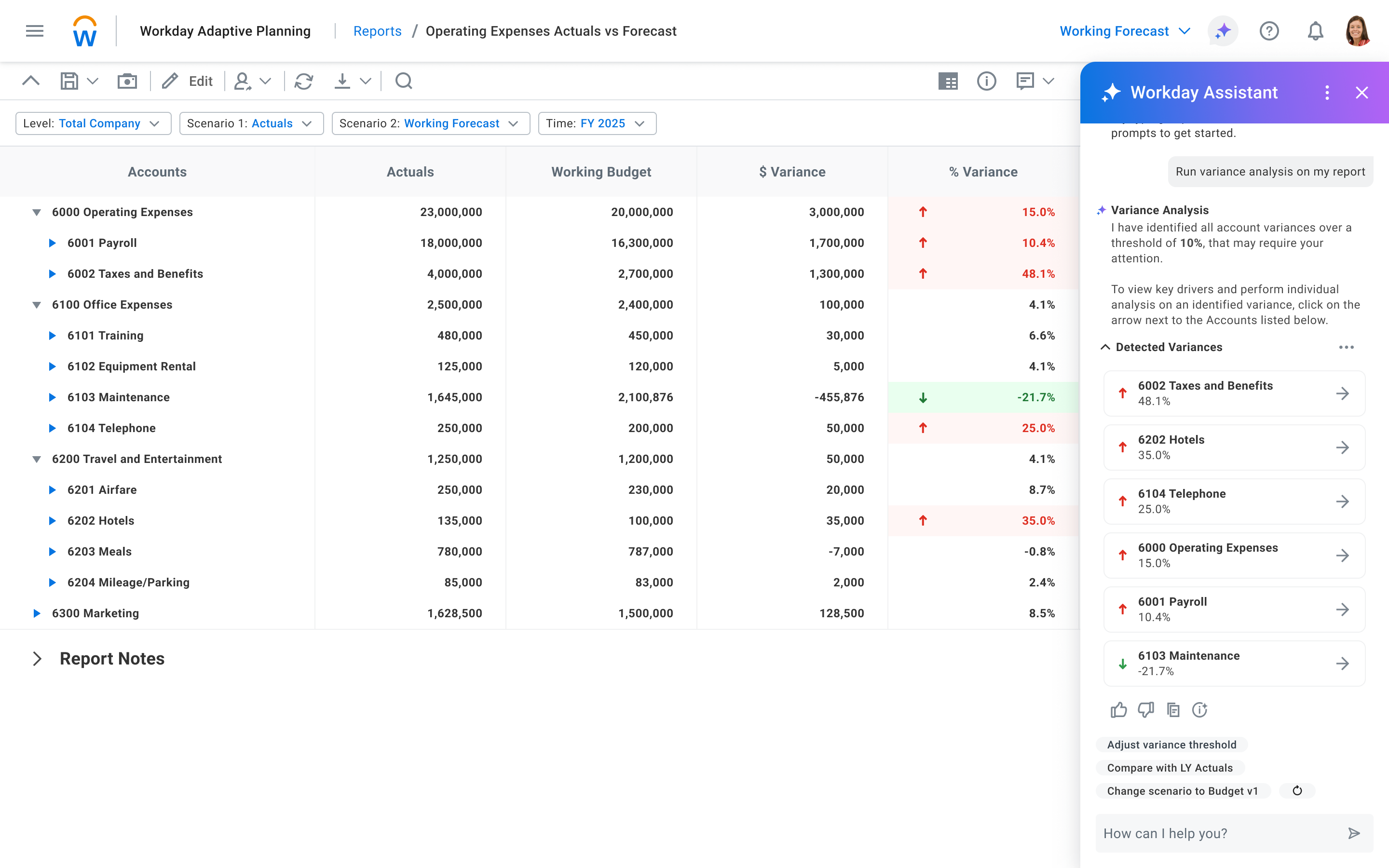 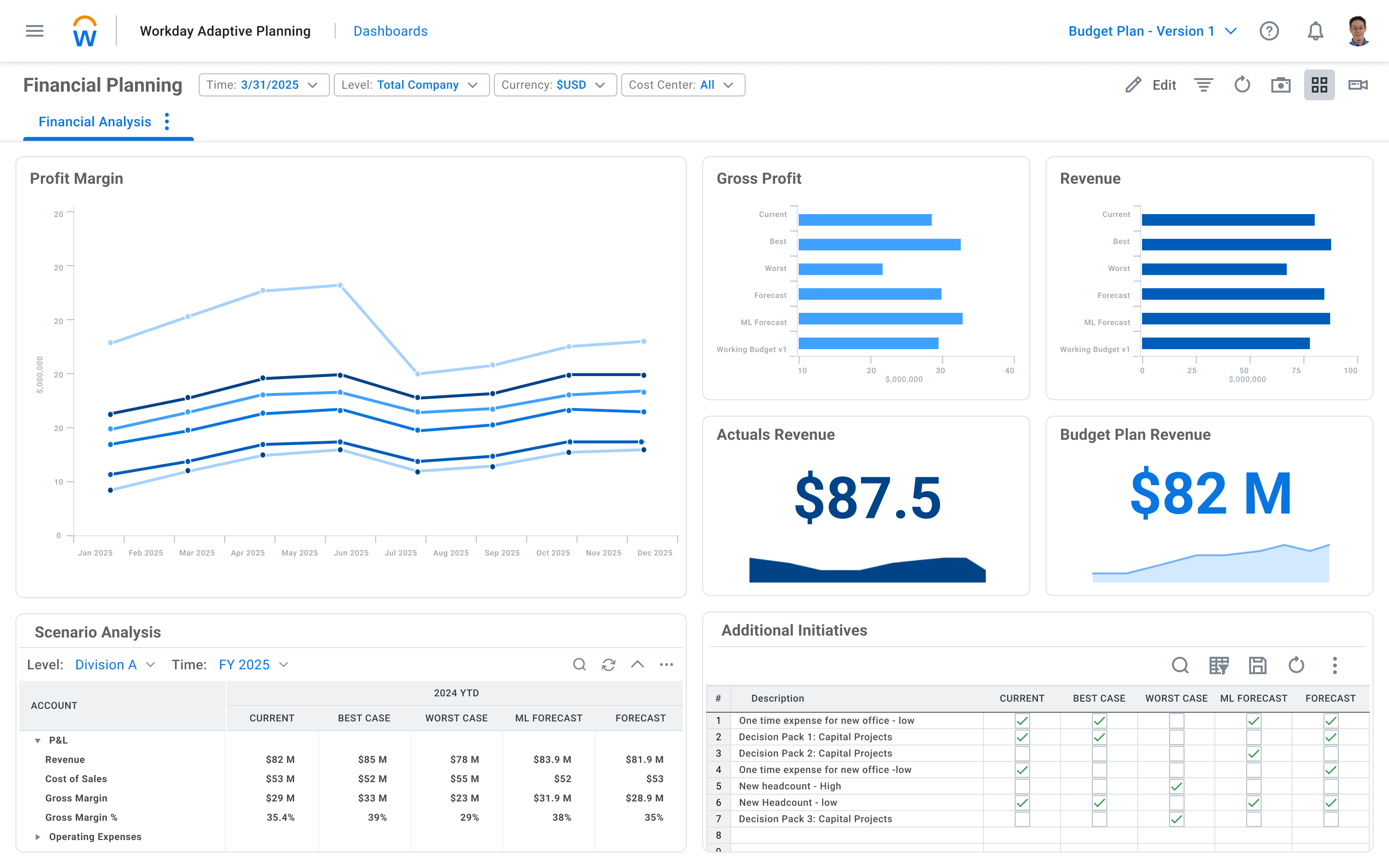    |



