TrustRadius: an HG Insights company

Pimcore

Score8.5 out of 10

8 Reviews and Ratings

What is Pimcore?

Pimcore is an open-core Product Experience Management (PXM) platform designed for enterprise organizations that require consolidation of product data, digital assets, and customer experience delivery within a unified infrastructure. Founded in 2013 and headquartered in Salzburg, Austria, the platform serves as a centralized ecosystem for managing multi-channel data operations.


Pimcore solutions at a glance

A consolidated platform built around six integrated solution areas:

  • Product Information Management (PIM/PXM): Centralizes marketing, sales, and technical product data. The Pimcore Agent Software Development Kit (SDK) adds Artificial Intelligence (AI) assisted enrichment for agentic workflows, including translation, categorization, attribute completion, and quality reviews.
  • Master Data Management (MDM): Manages any master record, including organizational hierarchies, validation rules, versioning history, and enrichment across heterogeneous system landscapes.
  • Digital Asset Management (DAM): Stores and processes digital media, video files, document records, and three-dimensional (3D) content in a single source of truth with automated transformations.
  • Customer Data Platform (CDP): Unifies customer profiles, segments targeted audiences, and triggers personalization workflows across communication channels.
  • Digital Experience Platform (DXP) and Content Management System (CMS): Delivers digital content through headless, decoupled, or hybrid approaches via GraphQL Application Programming Interfaces (APIs).
  • Digital Commerce Framework: A composable, API-driven framework for Business-to-Consumer (B2C) and Business-to-Business (B2B) transactional experiences.


Editions

Pimcore is distributed under the Pimcore Open Core License (POCL) in four distinct editions:

  • Community Edition: Available without licensing fees for organizations generating under €5 million in annual revenue.
  • Professional Edition: Designed for mid-sized operations requiring standard commercial support.
  • Enterprise Edition: Built for large-scale enterprise deployments.
  • Enterprise PaaS Edition: Delivered as a fully managed Platform-as-a-Service (PaaS) cloud environment.


All editions share the same core code framework, while commercial editions add extended features, Service Level Agreements (SLAs), and long-term technical support.


According to Pimcore, the platform is deployed in more than 110,000 installations across 12,000 organizations in 82 countries, with high adoption rates in manufacturing, wholesale, and retail sectors.

Videos

Screenshots

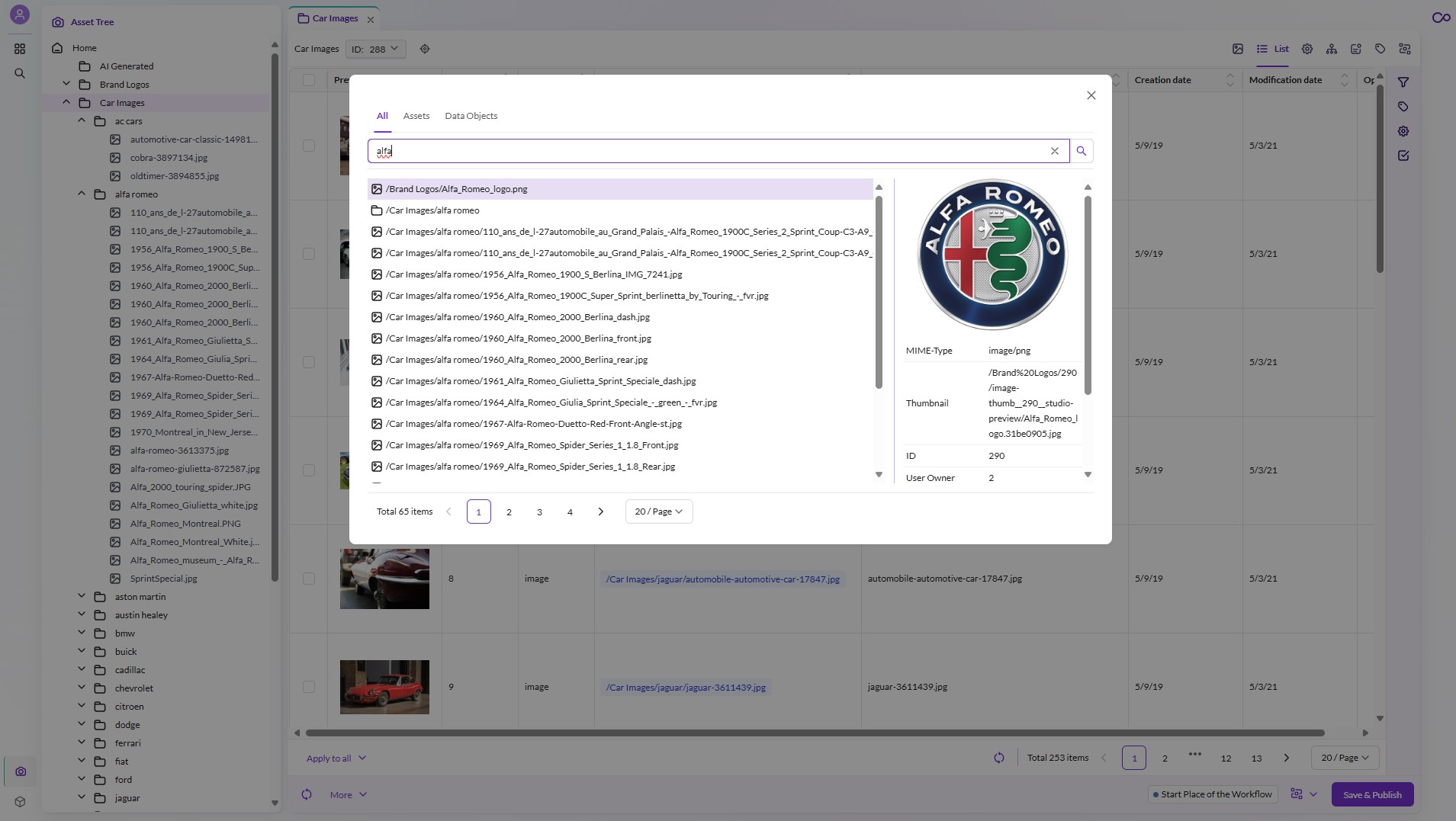
Screenshot of Pimcore offers integrated Digital Asset Management (DAM) functionality to centrally manage all types of digital assets like images, videos, documents, and graphics. Users can enrich these assets with custom metadata and categorize them using flexible tagging. This tagging system enhances searchability and organization across all connected content. Metadata structures can be tailored to meet business-specific requirements, enabling precise control and contextual enrichment of assets throughout their lifecycle.
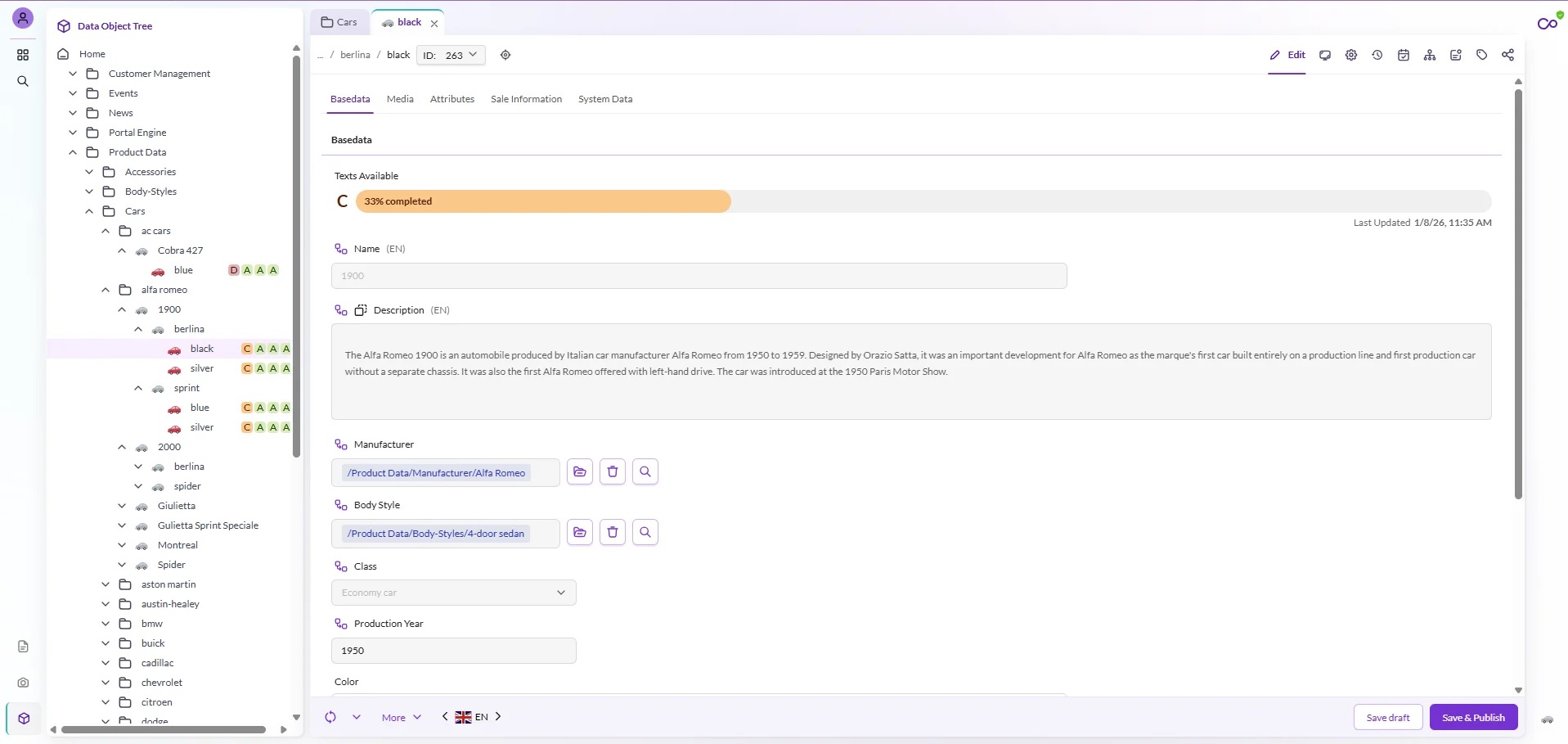
Screenshot of Pimcore PIM offers flexible product data modeling that supports complex and scalable data structures tailored to any business need. Its graphical data modeling interface enables the creation of custom classes, attributes, and entity relationships without coding. Pimcore supports data inheritance, allowing child products to automatically inherit attributes from parent items, reducing redundancy. With data perspectives, users can define role-specific views for streamlined editing. Strong data relation capabilities further enrich product information by linking related entities like accessories or manuals, ensuring consistency, efficiency, and reusability across all channels.
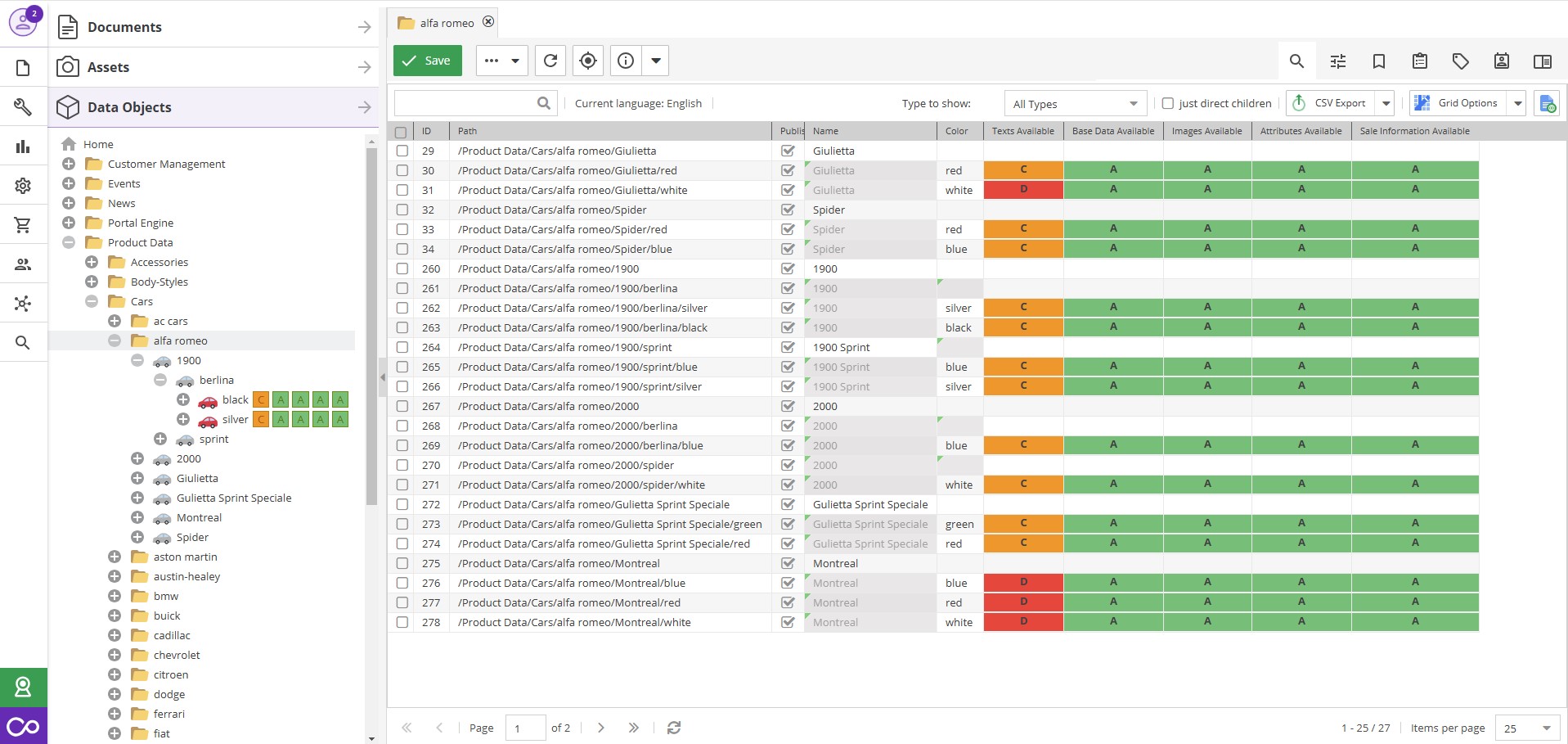
Screenshot of Pimcore supports data quality management through configurable validation rules, completeness checks, and structured data models. Businesses can define mandatory fields, set formatting or value constraints, and apply rule-based validations across data types. Dashboards and custom widgets highlight data quality metrics in real time. These capabilities ensure consistent, accurate, and reliable data, reduce errors in downstream systems, and support compliance with internal and external data standards.
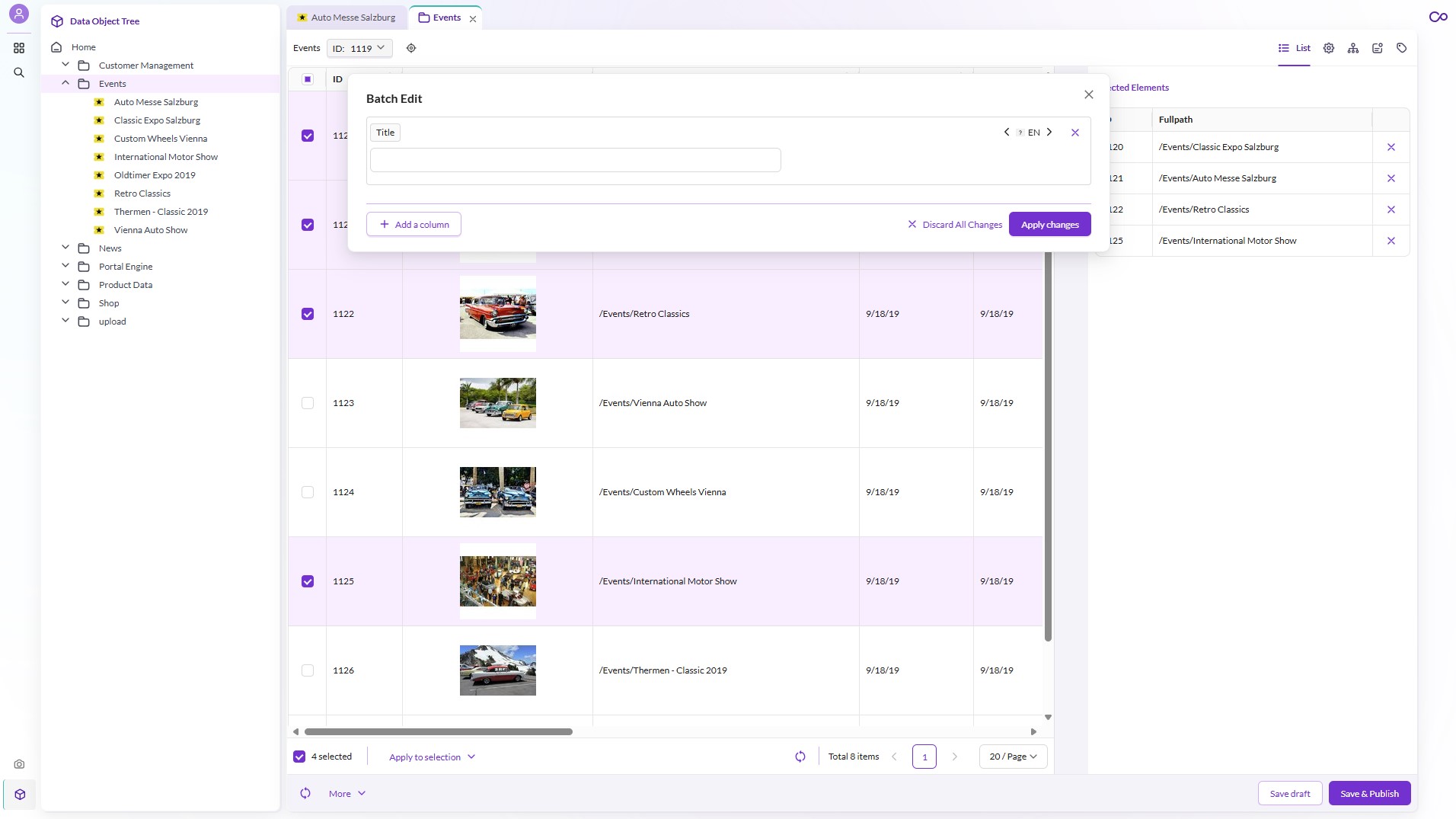
Screenshot of Pimcore’s batch editing functionality for assets empowers users to manage and update multiple digital files simultaneously. This feature streamlines administrative tasks by enabling the mass assignment of metadata, tags, or classifications across selected assets in just a few clicks. It reduces manual workload and ensures consistency in data quality, which is vital for large enterprises managing thousands of media files. For users, it enhances productivity and accelerates time-to-market by minimizing repetitive actions and improving operational workflows.
Screenshot of Pimcore offers search and filtering capabilities across all content types - assets, data objects, and documents. Users can perform full-text searches, apply advanced filters, and configure faceted navigation to quickly locate relevant data. The system supports attribute-based filtering, role-specific search masks, and customizable grid views. These tools enhance user efficiency, reduce time spent on manual browsing, and ensure data accessibility and precision in high-volume environments.
Screenshot of Pimcore’s Digital Experience Platform (DXP), which integrates content management and personalization to deliver tailored digital experiences across channels. It enables real-time content and product personalization based on user behavior, segmentation, or contextual data. With built-in tools for targeting, rule-based personalization, and multichannel publishing, businesses can serve dynamic content and product views adapted to individual preferences. This leads to increased engagement, improved conversion rates, and a consistent brand experience across all digital touchpoints.

1 / 6

Screenshot of Pimcore offers integrated Digital Asset Management (DAM) functionality to centrally manage all types of digital assets like images, videos, documents, and graphics. Users can enrich these assets with custom metadata and categorize them using flexible tagging. This tagging system enhances searchability and organization across all connected content. Metadata structures can be tailored to meet business-specific requirements, enabling precise control and contextual enrichment of assets throughout their lifecycle.

Technical Details

Technical Details
Deployment TypesOn-Premise, SaaS
Operating SystemsWindows, Linux, Mac
Mobile ApplicationNo

FAQs

What are Pimcore's top competitors?
Adobe Experience Manager, Adobe Commerce, and Salsify are common alternatives for Pimcore.
Who uses Pimcore?
The most common users of Pimcore are from B2B.