
David Tobin
Applications Development Manager
Chose Aderant Handshake
None. Always need about Handshake's interface with Aderant, way before Aderant purchased them. Seemed like a natural fit.

| Product | Rating | Most Used By | Product Summary | Starting Price |
|---|---|---|---|---|
 Aderant Handshake | N/A | Legal software specialist Aderant offers Handshake, the company's Sharepoint compatible knowledge management platform specifically for law firms featuring access via intranet and extranet portals and an enterprise search tool for locating documentation and expertise, and general KM analytics. | N/A | |
 Coda | N/A | Coda is a unified workspace platform that transforms documents into interactive applications by combining documentation, spreadsheet functionality, relational databases, and AI-powered automation—enabling teams to consolidate multiple tools and automate complex workflows without writing code. The platform operates as a block-based document system where every page can contain interactive tables, buttons that trigger automations, live formulas, and conditional logic, all rendering from a shared… | $0 | |
 Trello | N/A | Trello from Atlassian is a project management tool based on a Kanban framework. Trello is ideal for task-management in a to-do list format. It supports sharing boards and cards across users or teams. The product offers a free version, and paid versions add greater automation, collaboration, and administrative control. | $6 per month per user |
| Aderant Handshake | Coda | Trello | ||||||||||||||||||||||
|---|---|---|---|---|---|---|---|---|---|---|---|---|---|---|---|---|---|---|---|---|---|---|---|---|
| Editions & Modules | No answers on this topic |
|
| |||||||||||||||||||||
| Offerings |
| |||||||||||||||||||||||
| Entry-level Setup Fee | No setup fee | No setup fee | No setup fee | |||||||||||||||||||||
| Additional Details | — | Discount available for annual billing. | A discount is offered for annual billing and for larger numbers of users. | |||||||||||||||||||||
| More Pricing Information | ||||||||||||||||||||||||
| Aderant Handshake | Coda | Trello | |
|---|---|---|---|
| Considered Multiple Products |  Aderant Handshake David Tobin Applications Development Manager Chose Aderant Handshake None. Always need about Handshake's interface with Aderant, way before Aderant purchased them. Seemed like a natural fit. |  Coda  Matt Woods Growth Product Manager Chose Coda For general use cases, Google Docs or Airtable are often a better starting place. But if things get complex or you're constantly pairing the two together, consider graduating to Coda to save yourself long-term headaches. Notion is great for personal use, but the powerful …  Pearl Cheah Physics & Application Manager Chose Coda We were looking for many different things to improve our internal processes before we came across Coda. A large part of my work involves marketing, project management, service management and data analytics. For a company like ours, we find Coda the most cost-effective and …  Camille Hidalgo Nussbaum, CSM® Project Manager, Creative Technologies Chose Coda While all of the products listed have great features and platforms, there was always one thing missing from them that I would need to get from another application. Coda was the first one we used that really combined some of the best parts of those products and allowed us to use … |  Trello  Ellen Valdez, CMP Event Manager Chose Trello Our business ended up using Monday due to the holistic nature of the tool. It allows us to collaborate amongst teams and see the project as a whole easier. Trello is for personal usage and task management. I use Monday to organize my overarching needs, and then put specific …  Nick Butler Trainer and coach Chose Trello Trello is more visual than Todoist and MS To Do. For me, the major advantage of Trello is its functionality around creating Kanban Boards—there is not the same flexibility or options in either of the other two products. I was also able to seek advice from colleagues who were …  Muhammad Rohan Director Chose Trello Asana is awesome but it comes with a price. For a startup pricing hurts. ClickUp is so vast and has a lot of areas to get lost in, if you don't set some standards there are many ways to do it wrong. Slack is just a communication platform, you can collaborate and stuff but not …  Courtney Wolf Founder Chose Trello Trello is more simple and not as "robust" as the other tools, but it's easier to use and manage and understand and ACTUALLY get stuff done with. It's simplicity is part of the beauty of using it. You don't need a million options that nobody uses, you just need to get stuff done.  Fahim Haque Software Engineer Chose Trello Trello provides precise goal setting, targets, and activity tracking with minimal human intervention, while Trello provides tags and tasks to add users and communicate visual task organization. Trello also offers real-time updates, team collaboration, and project progress …  Rehan Kanuga Data Analyst Chose Trello Airtable  Smeetha Singh Founder Chose Trello I have been able to use the free version of Trello for many years and for the free version, this platform offers incredible value. I have not yet found such value in other free versions of similar platforms. This platform is also very easy to use as a first time user.  Guy Stephane Waffo Software Engineering Chose Trello Trello is better than Gitlab CI and other tools because it provides a very simple way of managing project with just lists and draggable components. Also, thanks to Mobile version, it is really easy for a team lead to manage his projects at anytime of a day. So I widely …  Namandeep Bhatia Co Founder & Chief Technology Officer Chose Trello Trello has a better and easy UI, very quick learning curve. Flexibility to add plugins. |
| Aderant Handshake | Coda | Trello | |||||||||||||||||||||||||||||||||||||||||||||||||||||||||||
|---|---|---|---|---|---|---|---|---|---|---|---|---|---|---|---|---|---|---|---|---|---|---|---|---|---|---|---|---|---|---|---|---|---|---|---|---|---|---|---|---|---|---|---|---|---|---|---|---|---|---|---|---|---|---|---|---|---|---|---|---|---|
| Project Management |
| ||||||||||||||||||||||||||||||||||||||||||||||||||||||||||||
| Professional Services Automation |
|
| Aderant Handshake | Coda | Trello | |
|---|---|---|---|
| Small Businesses |  HCL Connections Score 9.0 out of 10 |  Stackby Score 8.9 out of 10 | Stackby Score 8.9 out of 10 |
| Medium-sized Companies |  RWS Tridion Sites Score 9.0 out of 10 |  Troop Messenger Score 9.8 out of 10 |  InEight Score 8.2 out of 10 |
| Enterprises | RWS Tridion Sites Score 9.0 out of 10 | HCL Connections Score 9.0 out of 10 | InEight Score 8.2 out of 10 |
| All Alternatives | View all alternatives | View all alternatives | View all alternatives |
| Aderant Handshake | Coda | Trello | |
|---|---|---|---|
| Likelihood to Recommend | 7.0 (0 ratings) | 8.0 (0 ratings) | 9.3 (0 ratings) |
| Likelihood to Renew | - (0 ratings) | 9.1 (0 ratings) | 10.0 (0 ratings) |
| Usability | - (0 ratings) | 7.9 (0 ratings) | 9.3 (0 ratings) |
| Availability | - (0 ratings) | 9.1 (0 ratings) | 10.0 (0 ratings) |
| Performance | - (0 ratings) | 9.1 (0 ratings) | 10.0 (0 ratings) |
| Support Rating | - (0 ratings) | 7.8 (0 ratings) | 9.9 (0 ratings) |
| In-Person Training | - (0 ratings) | - (0 ratings) | 10.0 (0 ratings) |
| Implementation Rating | - (0 ratings) | 8.2 (0 ratings) | 8.0 (0 ratings) |
| Configurability | - (0 ratings) | 8.2 (0 ratings) | 5.0 (0 ratings) |
| Ease of integration | - (0 ratings) | 4.5 (0 ratings) | - (0 ratings) |
| Product Scalability | - (0 ratings) | 9.1 (0 ratings) | 10.0 (0 ratings) |
| Vendor post-sale | - (0 ratings) | 7.3 (0 ratings) | 10.0 (0 ratings) |
| Aderant Handshake | Coda | Trello | |
|---|---|---|---|
| Likelihood to Recommend |
David Tobin Applications Development Manager |
|
|
| Pros |
David Tobin Applications Development Manager |
|
|
| Cons |
David Tobin Applications Development Manager |
Camille Hidalgo Nussbaum, CSM® Project Manager, Creative Technologies |
Nick Butler Trainer and coach |
| Likelihood to Renew | No answers on this topic |
Pearl Cheah Physics & Application Manager |
 Sahr Saffa CXO |
| Usability | No answers on this topic |
|
Courtney Wolf Founder |
| Reliability and Availability | No answers on this topic |
Pearl Cheah Physics & Application Manager |
|
| Performance | No answers on this topic |
Pearl Cheah Physics & Application Manager |
|
| Support Rating | No answers on this topic |
Pearl Cheah Physics & Application Manager |
 Sarah Meerschaert Business Operations Manager |
| In-Person Training | No answers on this topic | No answers on this topic |
|
| Implementation Rating | No answers on this topic |
Pearl Cheah Physics & Application Manager |
 Raylene Wall Owner |
| Alternatives Considered |
David Tobin Applications Development Manager |
Matt Woods Growth Product Manager |
Ellen Valdez, CMP Event Manager |
| Scalability | No answers on this topic |
Pearl Cheah Physics & Application Manager |
|
| Return on Investment |
David Tobin Applications Development Manager |
|
 Jared DeLong Onboarding & Services Manager |
| ScreenShots | Coda Screenshots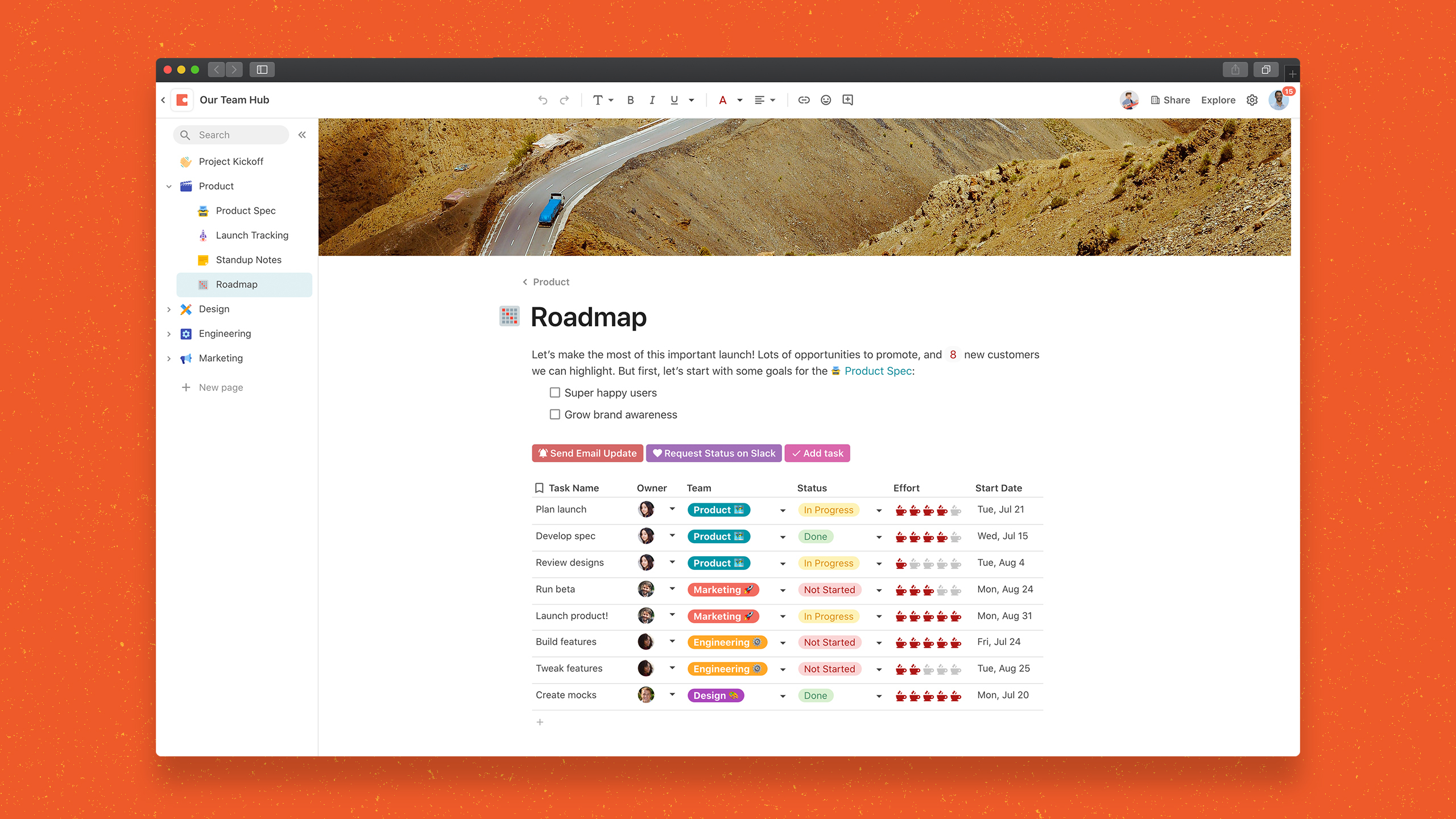  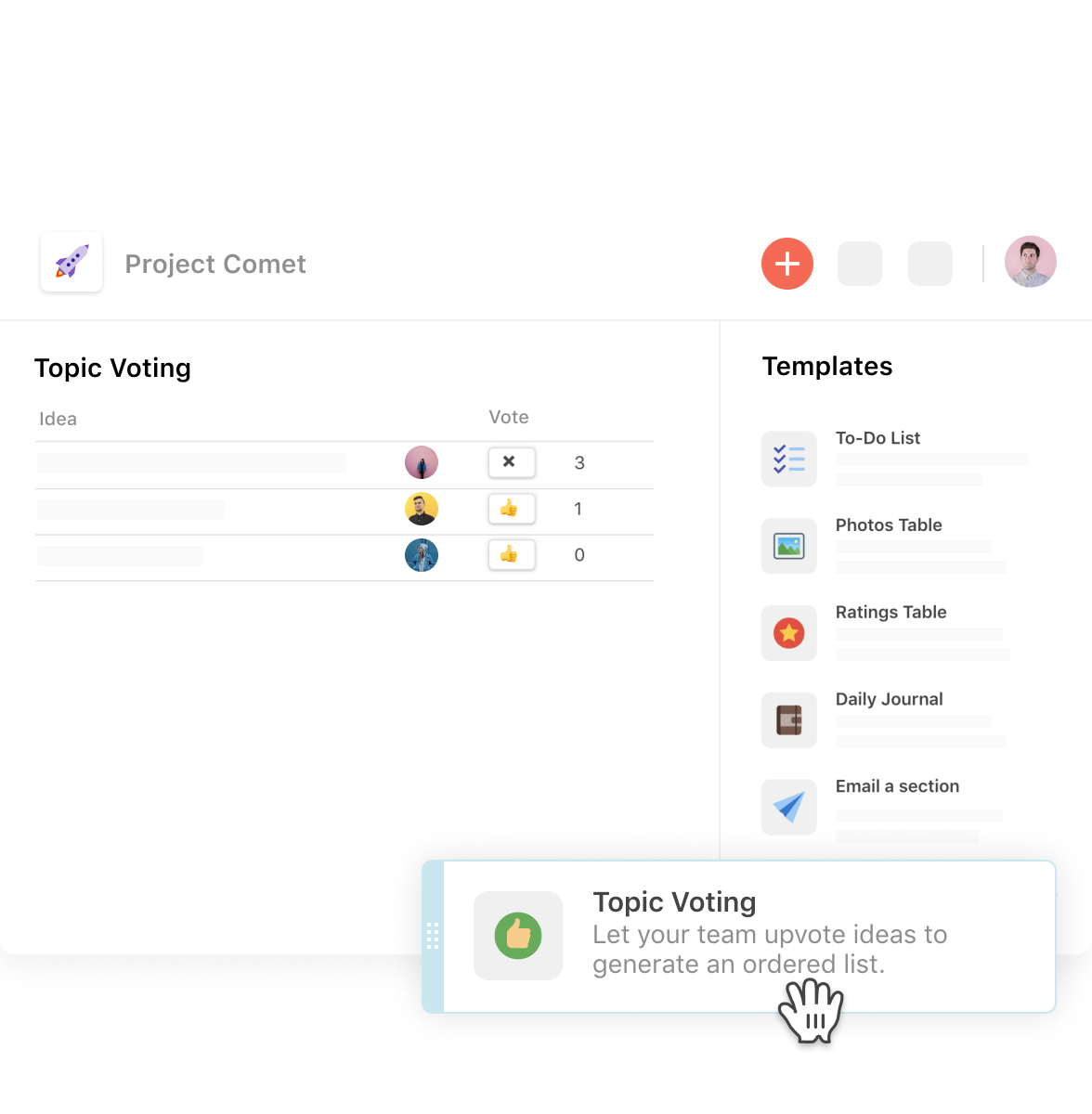 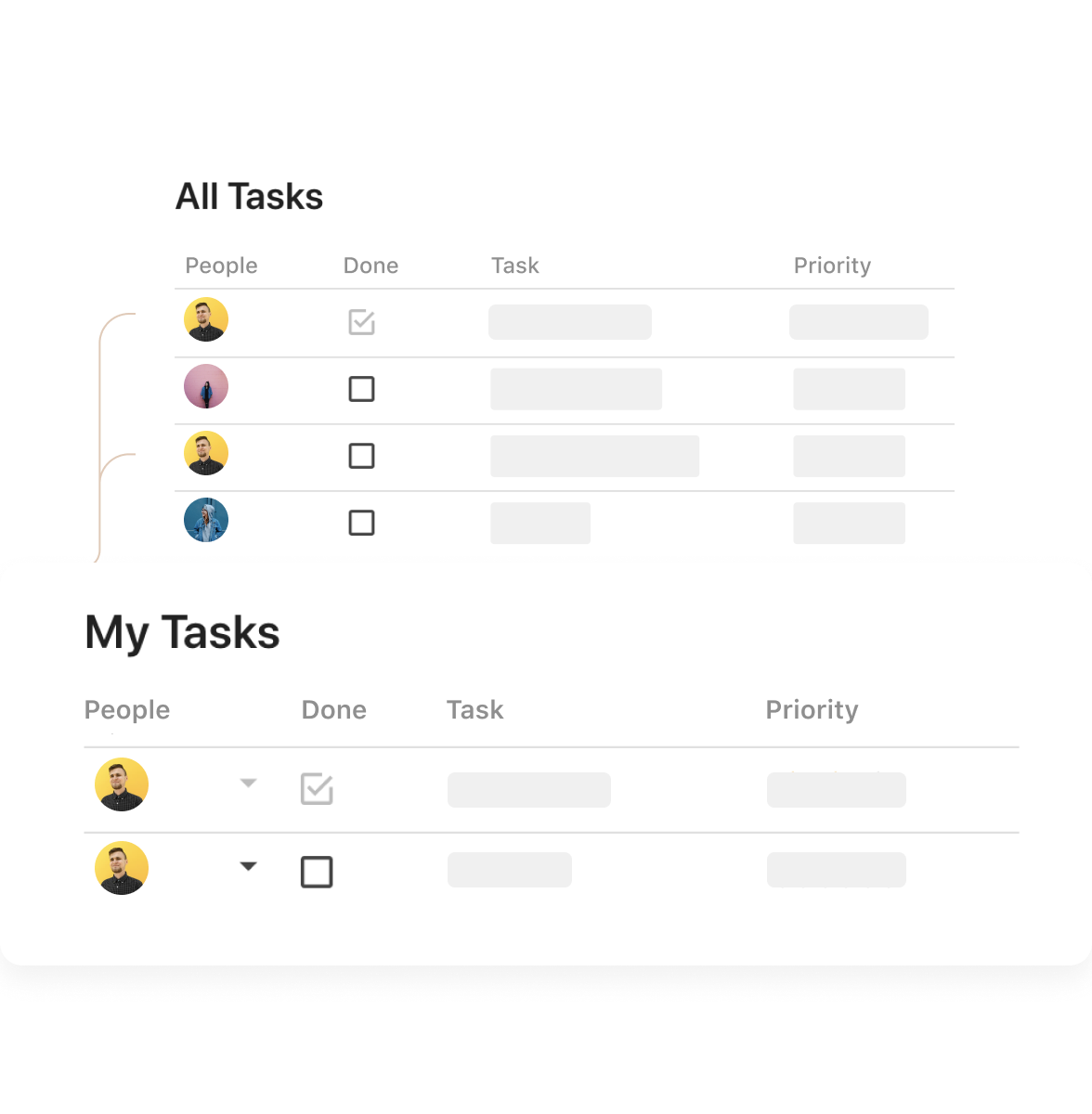  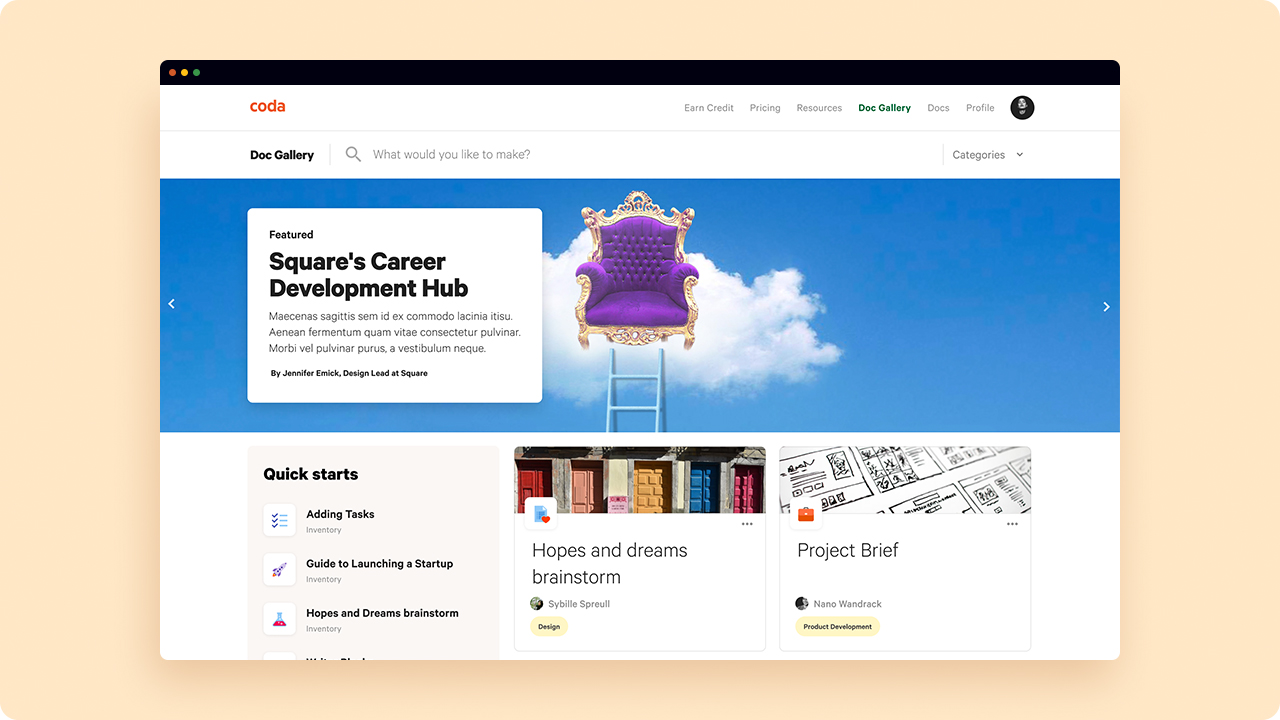 |