
Altium Develop vs. PTC Creo
| Product | Rating | Most Used By | Product Summary | Starting Price |
|---|---|---|---|---|
 Altium Develop | Score8.7 out of 10 | N/A | Altium Develop is a platform that unifies multidisciplinary teams across engineering, sourcing, and manufacturing to support seamless co-creation. It provides real-time visibility into designs, requirements, and supply chain data, enabling contributors to work together concurrently rather than in silos. | $1,990 per year |
 PTC Creo | Score7.6 out of 10 | N/A | PTC offers Creo, the company's line of computer-aided design (CAD) products that support the product lifecycle management (PLM) process with 2D and 3D design kits (Creo Elements and Creo Direct), an augmented reality module, Creo Illustrate for technical illustrations, Creo Sketch, Creo Schematics and Creo View for diagramming and sharing information, Creo simulate for running simulations, and other modules. | $2,480 |
| Altium Develop | PTC Creo | |||||||||||||||
|---|---|---|---|---|---|---|---|---|---|---|---|---|---|---|---|---|
| Editions & Modules | No answers on this topic |
| ||||||||||||||
| Offerings |
| |||||||||||||||
| Entry-level Setup Fee | No setup fee | No setup fee | ||||||||||||||
| Additional Details | Altium Develop is offered as an annual subscription starting at $1,990 per year, which includes one Altium Designer ECAD Design Author and a shared workspace for projects, libraries, and collaboration. The subscription provides unlimited workspace users at no additional cost, enabling broad participation in reviews, commenting, task management, BOM access, and change workflows. Teams can add up to four additional Altium Designer ECAD Design Authors for $995 per Author per year, allowing organizations to scale active design capacity while keeping contributors and collaborators included at no extra charge. | — | ||||||||||||||
| More Pricing Information | ||||||||||||||||
| Altium Develop | PTC Creo | |
|---|---|---|
| Considered Both Products | No answer on this topic | No answer on this topic |
| Key User Insights | ||
| Would buy again | ||
96% Would buy again 92 Answers | 90% Would buy again 9 Answers | |
| Delivers good value for the price | ||
94% Delivers good value for the price 73 Answers | 80% Delivers good value for the price 8 Answers | |
| Happy with the feature set | ||
90% Happy with the feature set 86 Answers | 80% Happy with the feature set 8 Answers | |
| Lived up to sales and marketing promises | ||
88% Lived up to sales and marketing promises 68 Answers | 100% Lived up to sales and marketing promises 5 Answers | |
| Implementation went as expected | ||
83% Implementation went as expected 73 Answers | 100% Implementation went as expected 7 Answers | |
| Altium Develop | PTC Creo | ||||||||||||||||||||||||||||
|---|---|---|---|---|---|---|---|---|---|---|---|---|---|---|---|---|---|---|---|---|---|---|---|---|---|---|---|---|---|
| Computer-Aided Design Software |
| ||||||||||||||||||||||||||||
| Altium Develop | PTC Creo | |
|---|---|---|
| Small Businesses | No answers on this topic |  Onshape Score6.4 out of 10 |
| Medium-sized Companies | No answers on this topic | Onshape Score6.4 out of 10 |
| Enterprises | No answers on this topic |  Rhino Score8.7 out of 10 |
| All Alternatives | View all alternatives | View all alternatives |
| Altium Develop | PTC Creo | |
|---|---|---|
| Likelihood to Recommend | 9.1 | 2.2 |
| Likelihood to Renew | 7.0 | - |
| Usability | 8.1 | - |
| Availability | 6.4 | - |
| Performance | 7.3 | - |
| Support Rating | 4.5 | 8.0 |
| Online Training | 9.1 | - |
| Implementation Rating | 7.2 | - |
| Product Scalability | 2.7 | - |
| Altium Develop | PTC Creo | |
|---|---|---|
| Likelihood to Recommend |
|
|
| Pros |
|
|
| Cons |
|
|
| Likelihood to Renew |
| No answers on this topic |
| Usability |
| No answers on this topic |
| Reliability and Availability |
| No answers on this topic |
| Support Rating |
|
|
| Online Training |
| No answers on this topic |
| Implementation Rating |
| No answers on this topic |
| Alternatives Considered |
|
|
| Scalability |
| No answers on this topic |
| Return on Investment |
|
|
| ScreenShots | Altium Develop Screenshots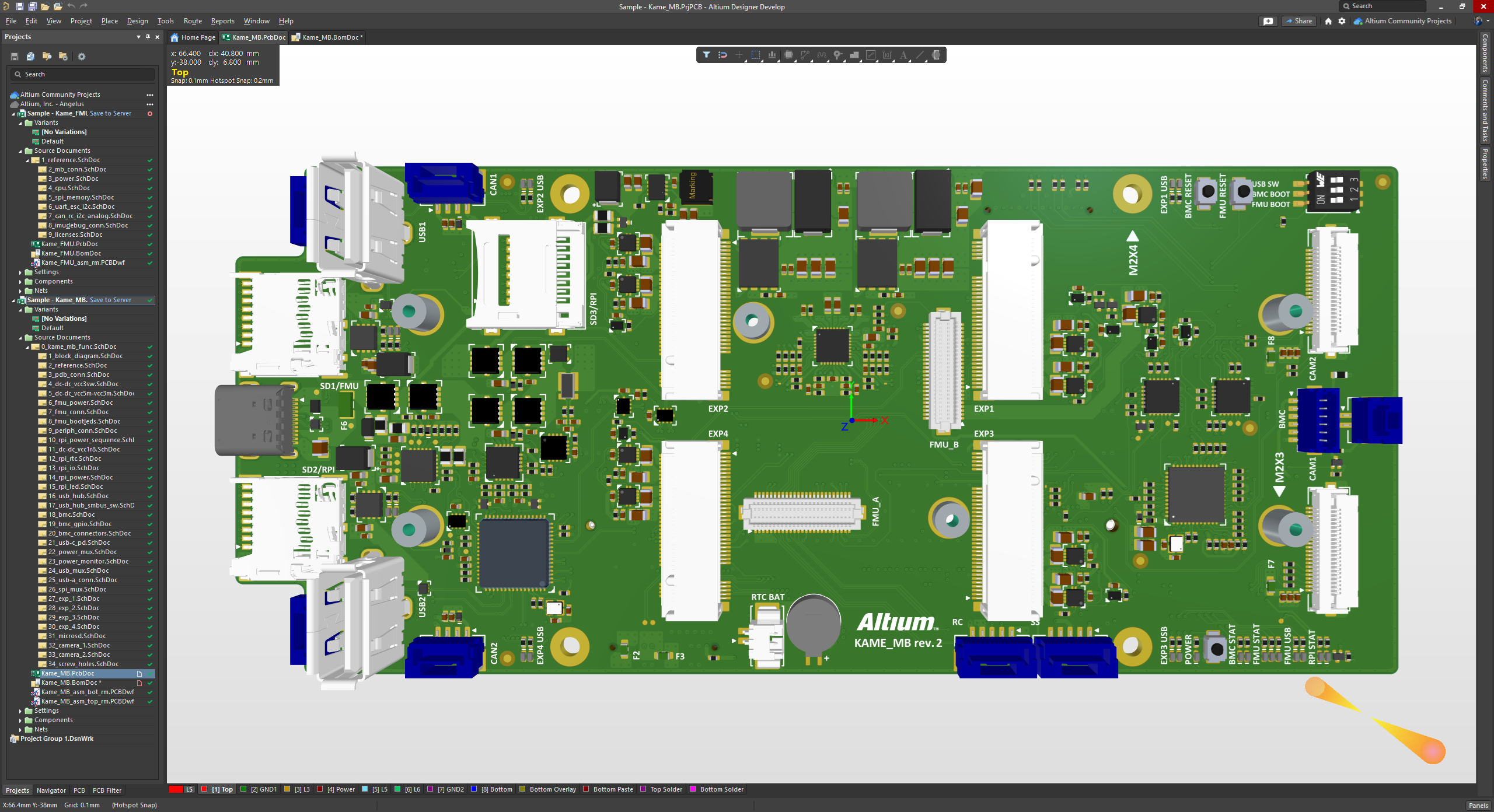 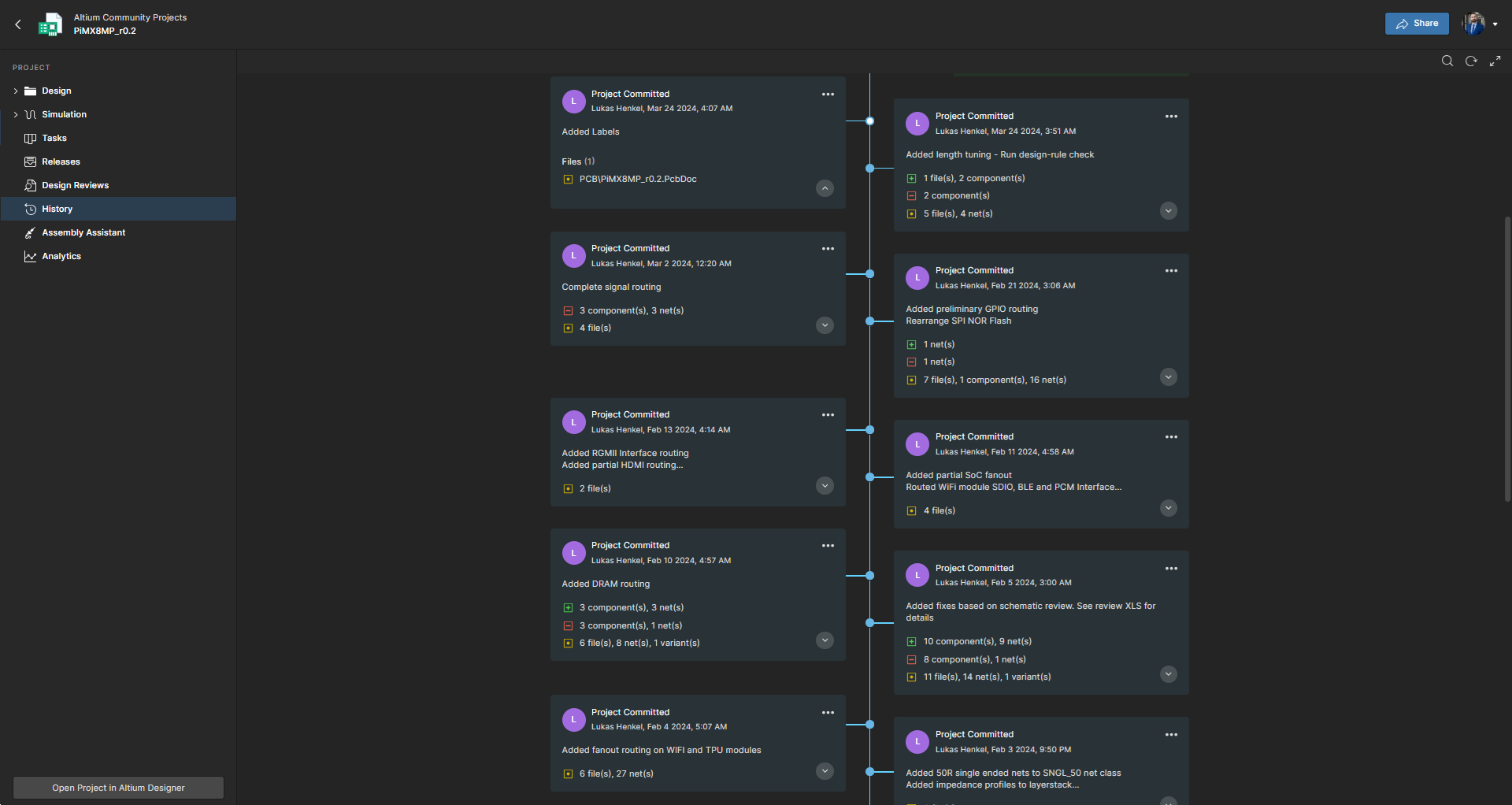 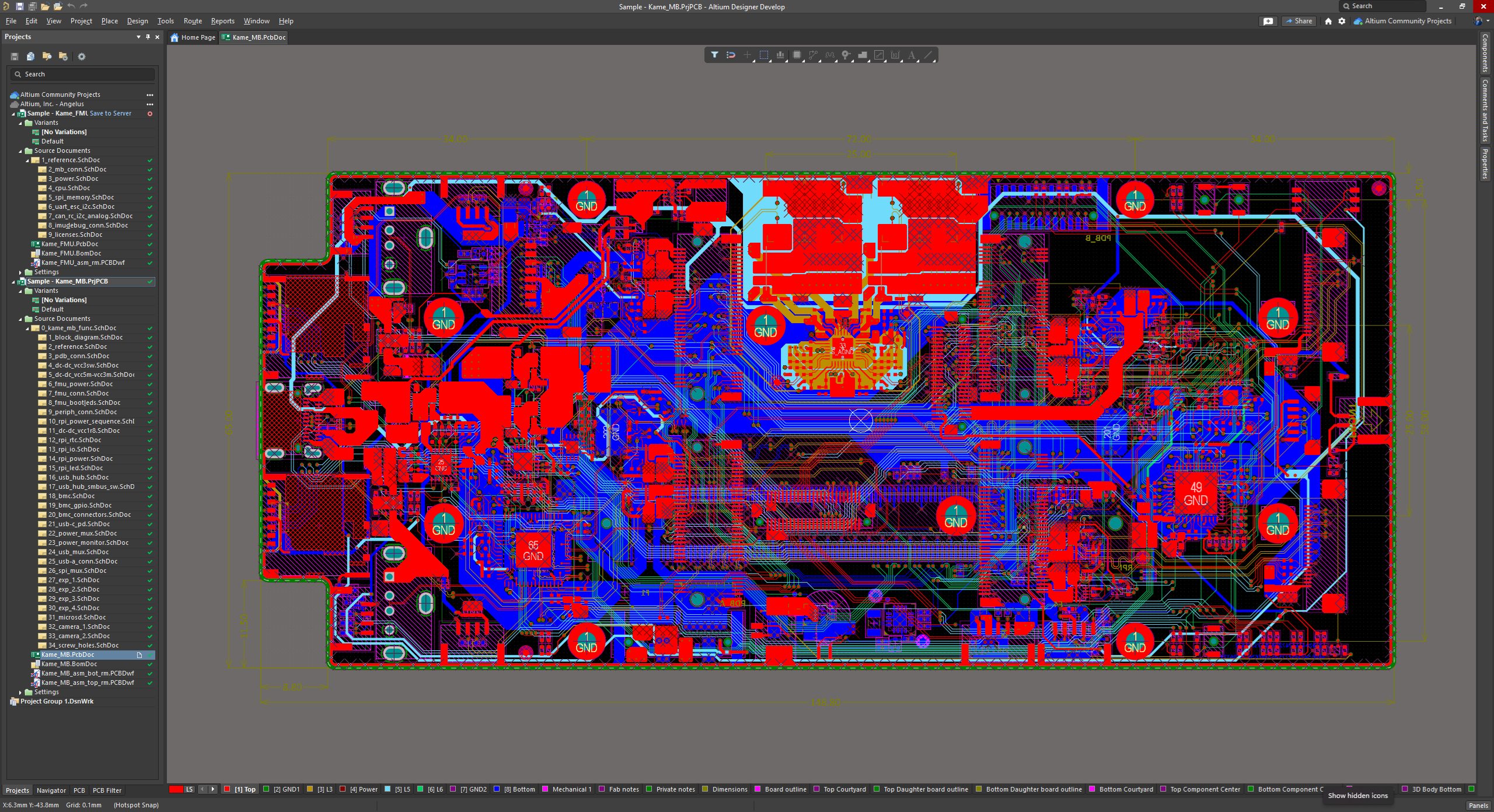  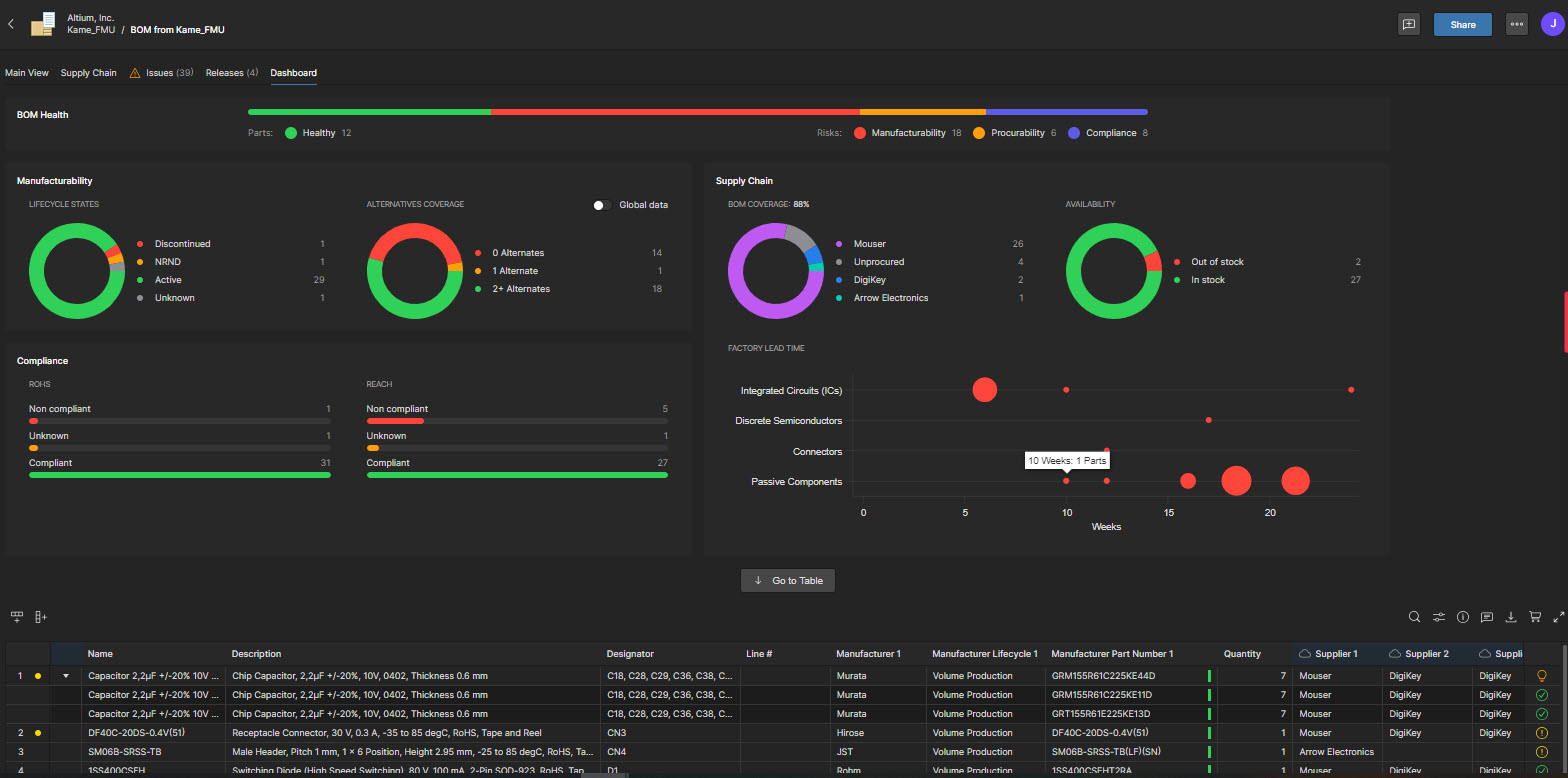 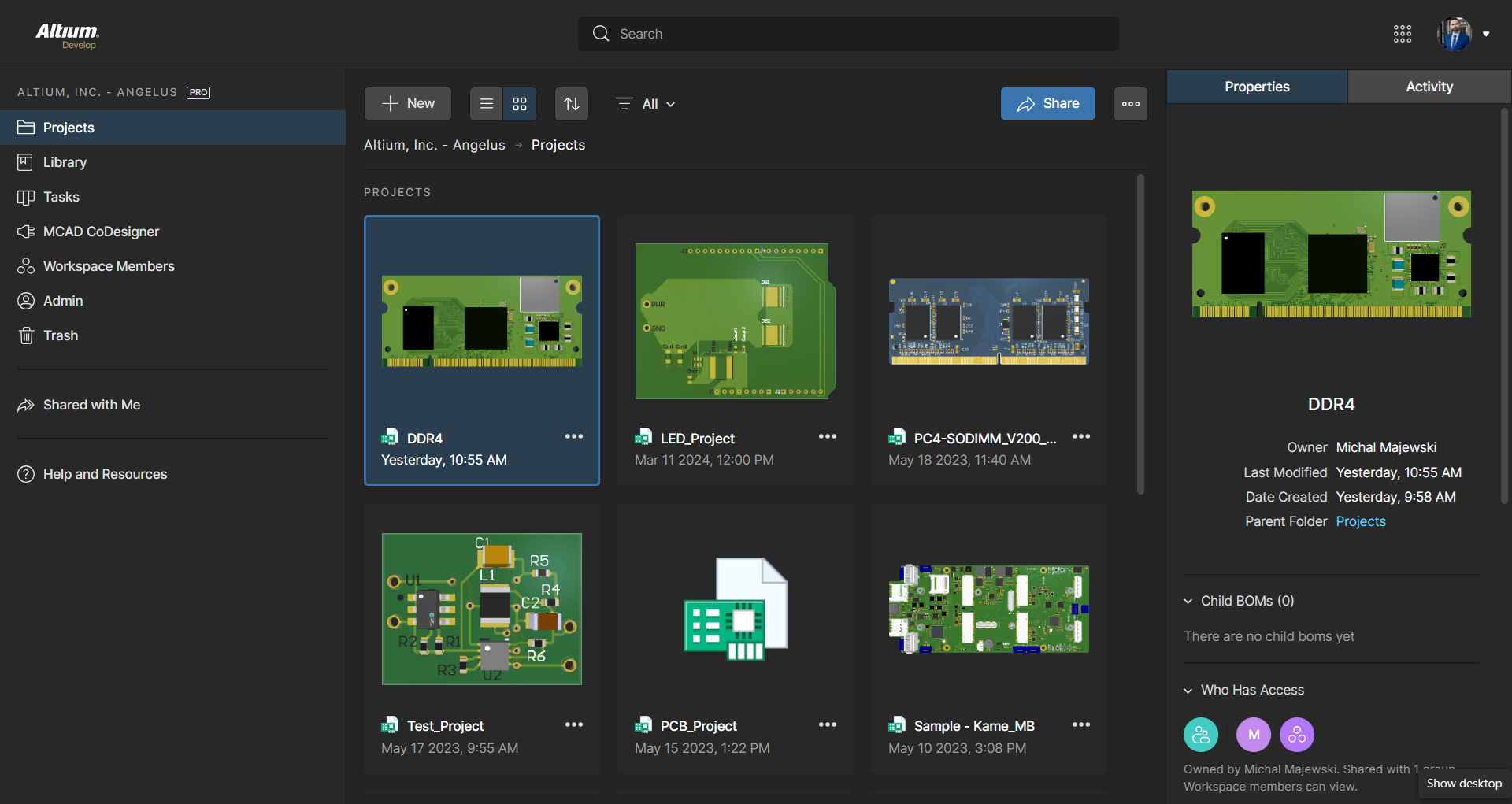 |



