
Amazon Tensor Flow vs. IBM Machine Learning for z/OS vs. OpenText Magellan
Amazon Tensor Flow vs. IBM Machine Learning for z/OS vs. OpenText Magellan
| Product | Rating | Most Used By | Product Summary | Starting Price |
|---|---|---|---|---|
 Amazon Tensor Flow | N/A | Amazon TensorFlow enables developers to quickly and easily get started with deep learning in the cloud. | N/A | |
 IBM Machine Learning for z/OS | N/A | IBM Machine Learning for z/OS® brings AI to transactional applications on IBM zSystems. It can embed machine learning and deep learning models to deliver real-time insight, or inference every transaction with minimal impact to operational SLAs. | N/A | |
 OpenText Magellan | N/A | OpenText Magellan Analytics Suite leverages a comprehensive set of data analytics software to identify patterns, relationships and trends through data visualizations and interactive dashboards. | N/A |
| Amazon Tensor Flow | IBM Machine Learning for z/OS | OpenText Magellan | ||||||||||||||||||||||
|---|---|---|---|---|---|---|---|---|---|---|---|---|---|---|---|---|---|---|---|---|---|---|---|---|
| Editions & Modules | No answers on this topic | No answers on this topic | No answers on this topic | |||||||||||||||||||||
| Offerings |
| |||||||||||||||||||||||
| Entry-level Setup Fee | No setup fee | No setup fee | No setup fee | |||||||||||||||||||||
| Additional Details | — | — | — | |||||||||||||||||||||
| More Pricing Information | ||||||||||||||||||||||||
| Amazon Tensor Flow | IBM Machine Learning for z/OS | OpenText Magellan |
|---|
| Amazon Tensor Flow | IBM Machine Learning for z/OS | OpenText Magellan | |||||||||||||||||||||||
|---|---|---|---|---|---|---|---|---|---|---|---|---|---|---|---|---|---|---|---|---|---|---|---|---|---|
| BI Standard Reporting |
| ||||||||||||||||||||||||
| Ad-hoc Reporting |
| ||||||||||||||||||||||||
| Report Output and Scheduling |
| ||||||||||||||||||||||||
| Data Discovery and Visualization |
| ||||||||||||||||||||||||
| Access Control and Security |
| ||||||||||||||||||||||||
| Mobile Capabilities |
| ||||||||||||||||||||||||
| Application Program Interfaces (APIs) / Embedding |
|
| Amazon Tensor Flow | IBM Machine Learning for z/OS | OpenText Magellan | |
|---|---|---|---|
| Small Businesses |  InterSystems IRIS Score 7.9 out of 10 | InterSystems IRIS Score 7.9 out of 10 |  Yellowfin Score 8.7 out of 10 |
| Medium-sized Companies |  Posit Score 10.0 out of 10 | Posit Score 10.0 out of 10 |  Reveal Score 10.0 out of 10 |
| Enterprises | Posit Score 10.0 out of 10 | Posit Score 10.0 out of 10 |  Kyvos Semantic Layer Score 9.5 out of 10 |
| All Alternatives | View all alternatives | View all alternatives | View all alternatives |
| Amazon Tensor Flow | IBM Machine Learning for z/OS | OpenText Magellan | |
|---|---|---|---|
| Likelihood to Recommend | 9.0 (1 ratings) | 10.0 (2 ratings) | 9.0 (11 ratings) |
| Likelihood to Renew | - (0 ratings) | - (0 ratings) | 3.9 (9 ratings) |
| Usability | - (0 ratings) | - (0 ratings) | 9.0 (1 ratings) |
| Support Rating | - (0 ratings) | 4.0 (1 ratings) | 9.0 (2 ratings) |
| Amazon Tensor Flow | IBM Machine Learning for z/OS | OpenText Magellan | |
|---|---|---|---|
| Likelihood to Recommend |  Amazon AWS
| IBM
|  OpenText
 Christopher Noyes Director Advertising Technology |
| Pros | Amazon AWS
| IBM
 Vinay Pushkarna, B.Eng, MBA Business Strategy & Transformation Lead (Operations) | OpenText
 Bri Gipson Sr. Systems Engineer |
| Cons | Amazon AWS
| IBM
| OpenText
 Martin Rubens IT solutions Manager |
| Likelihood to Renew | Amazon AWS No answers on this topic | IBM No answers on this topic | OpenText
 Todd Bellamy Systems Analyst |
| Usability | Amazon AWS No answers on this topic | IBM No answers on this topic | OpenText
|
| Support Rating | Amazon AWS No answers on this topic | IBM
Vinay Pushkarna, B.Eng, MBA Business Strategy & Transformation Lead (Operations) | OpenText
 Jeffrey Fischer Business and Channel Development Director |
| Alternatives Considered | Amazon AWS
| IBM
Vinay Pushkarna, B.Eng, MBA Business Strategy & Transformation Lead (Operations) | OpenText
Christopher Noyes Director Advertising Technology |
| Return on Investment | Amazon AWS
| IBM
| OpenText
|
| ScreenShots | OpenText Magellan Screenshots   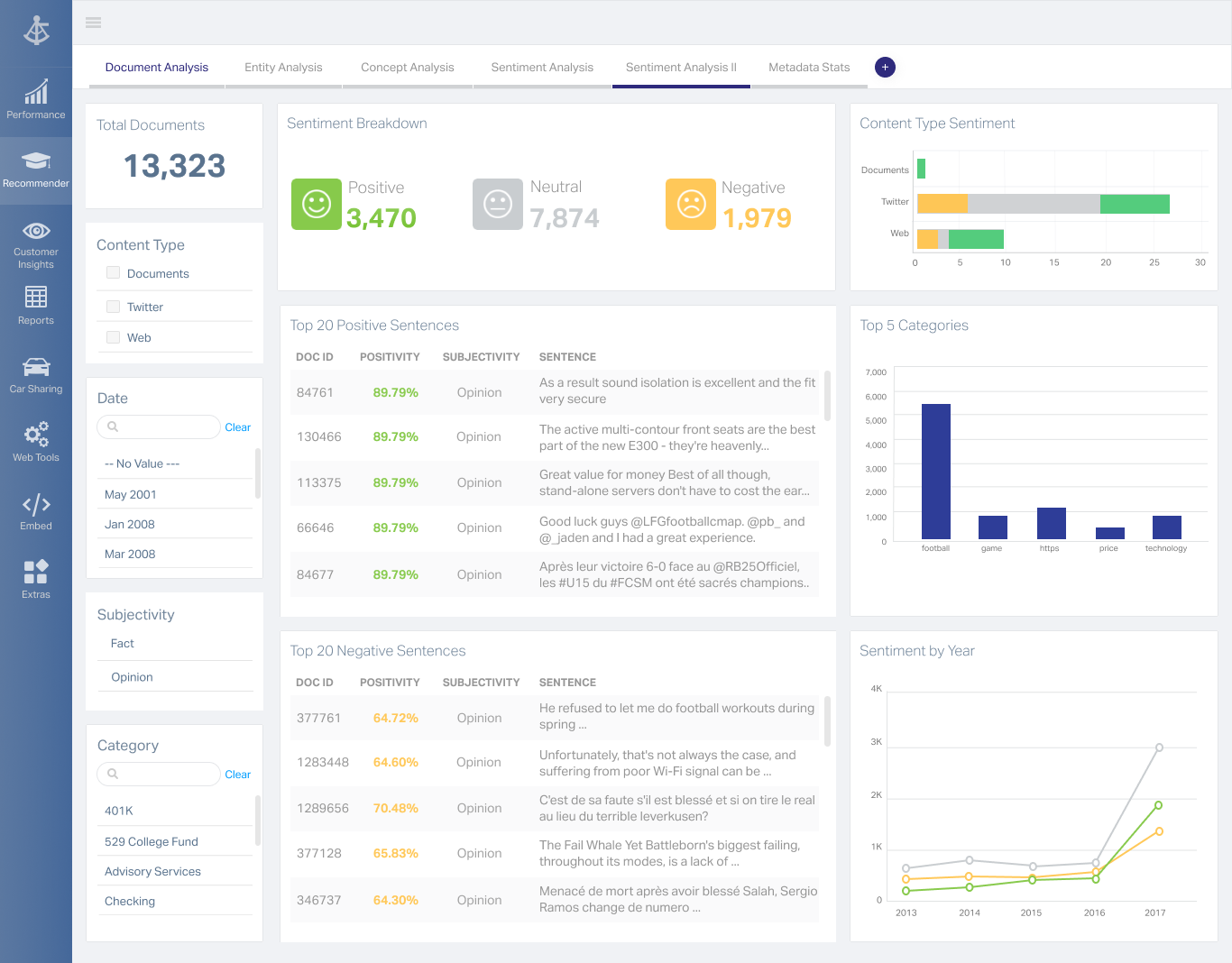 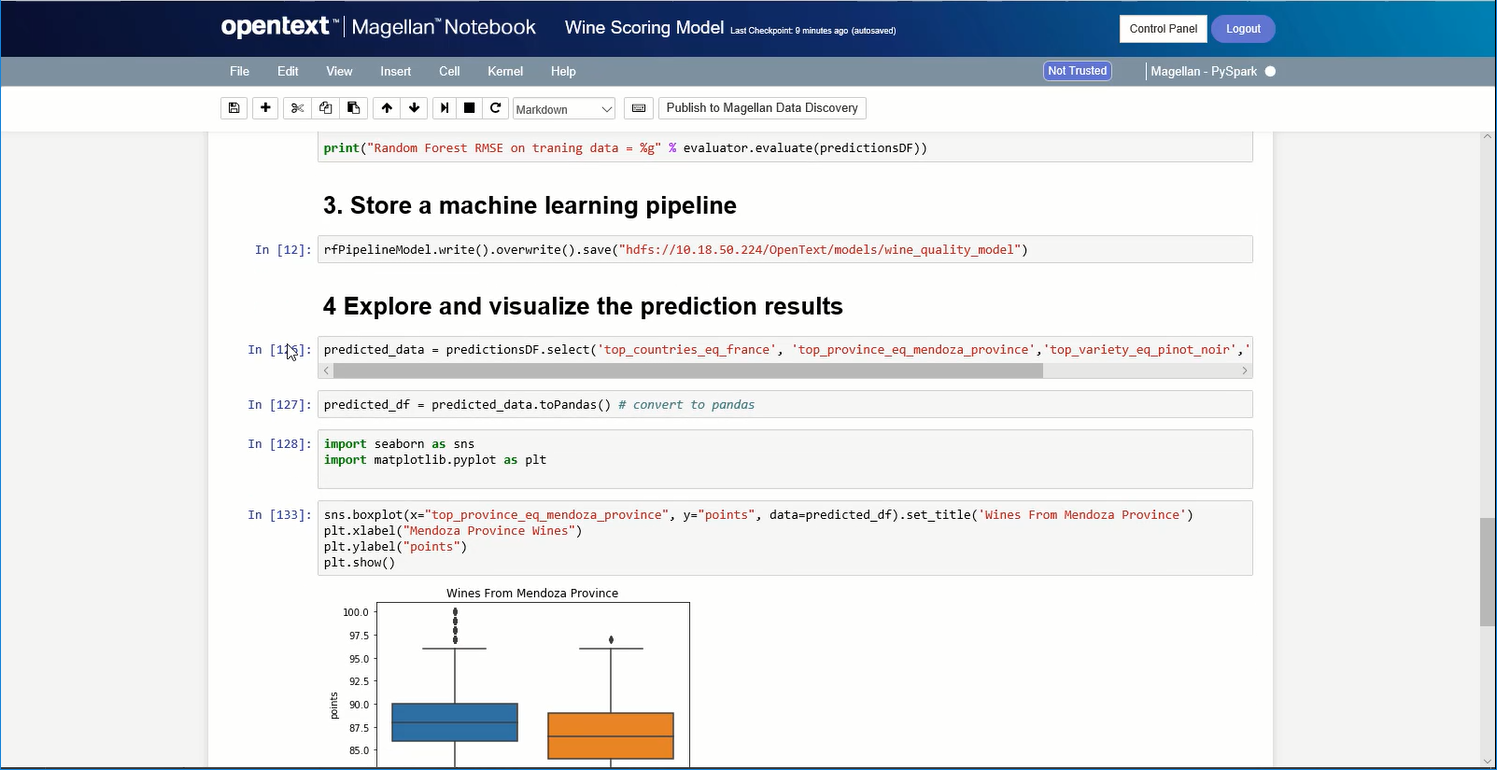 |
