Chose Auth0
Auth0 is more straightforward for the setup,

| Product | Rating | Most Used By | Product Summary | Starting Price |
|---|---|---|---|---|
 Auth0 | N/A | Auth0® is an identity solution that provides secure access to any application, for any user. Safeguarding, according to the vendor, billions of login transactions each month, Auth0 delivers convenience, privacy, and security so customers can focus on innovation. Auth0 lets users integrate authentication and authorization for web, mobile, and legacy applications, with new Fine Grained Authorization (FGA) that goes beyond role-based access control. It can authenticate users… | $0 per month | |
 Yubico YubiKeys | N/A | Yubico YubiKeys make the internet safer with phishing-resistant multi-factor authentication (MFA) by providing simple and secure access to computers, mobile devices, servers, and internet accounts. The Yubico YubiKey stops account takeovers at scale by mitigating phishing and ransomware attacks, and delivers users authentication with a simple touch or tap. | N/A |
| Auth0 | Yubico YubiKeys | |||||||||||||||
|---|---|---|---|---|---|---|---|---|---|---|---|---|---|---|---|---|
| Editions & Modules |
| No answers on this topic | ||||||||||||||
| Offerings |
| |||||||||||||||
| Entry-level Setup Fee | Optional | Optional | ||||||||||||||
| Additional Details | — | — | ||||||||||||||
| More Pricing Information | ||||||||||||||||
| Auth0 | Yubico YubiKeys | |
|---|---|---|
| Considered Both Products |  Auth0  Achu S Nair Associate Software Engineer Chose Auth0 Compared to Firebase Authentication and Amazon Cognito, it offers better security and easier integration with SPA applications. Firebase Authentication was easy to set up and worked well for simple Authentication use cases, mainly for Firebase-based applications. But it had …  Ritik Sharma Associate Software Engineer Chose Auth0 It proved to be better than them and we chose it because it was costing less and delivering more.  Dipak Patel Founder & Director Chose Auth0 We evaluated Okta as an alternative. While Okta is strong for large enterprises, we found Auth0 more flexible and easier to integrate for our use case. Auth0’s developer experience, customization options, and faster setup made it a better fit for our applications without adding …  Himaanshu Ladwal Business Development Director Chose Auth0 We noticed the marketplace and crm integration was excellent, besides that there were other factors such as team management tools was also vital, global compliance standard and provide highly secure login access, which was necessary for important clients, and team members. …  Akash Majumder CEO (Chief Executive Officer) Chose Auth0 Firebase: Pricing is too high and the efficiency and store option is not an ROI point. Okta: Too high pricing. Lack of secure code not good for mobile application auth.  Andre Cortes Desarrollador de front-end Chose Auth0 We decided [on] Auth as the first product. We used it for about a year on [the] free plan and then switched to the current plan. | Yubico YubiKeys  Daan Kets Managing Partner Chose Yubico YubiKeys We also use 1password for day to day business in our company, thought we do not expose that to any customers, as opposed to the YubiKeys. The advantage: the YubiKeys dont' require any support after. Software always does. The disadvantage (in the end an advantage): you can't …  Daniel L. Wang software Chose Yubico YubiKeys Yubico YubiKeys seem more convenient. cryptocard might be slightly more secure because a pin or challenge is needed on each access.  Chad Byrd IT Systems Engineer Chose Yubico YubiKeys We have thought about just trying another competitor for due diligence but have not explored that option yet. We went with Yubico YubiKey due to hearing about it at a conference and decided to start experimenting with the solution. We are pretty decided on what we are going … |
| Auth0 | Yubico YubiKeys | ||||||||||||
|---|---|---|---|---|---|---|---|---|---|---|---|---|---|
| Identity Management |
|
| Auth0 | Yubico YubiKeys | |
|---|---|---|
| Small Businesses | No answers on this topic |  WatchGuard AuthPoint Score 9.0 out of 10 |
| Medium-sized Companies |  OneLogin by One Identity Score 9.5 out of 10 |  Cisco Duo Score 9.5 out of 10 |
| Enterprises | OneLogin by One Identity Score 9.5 out of 10 | Cisco Duo Score 9.5 out of 10 |
| All Alternatives | View all alternatives | View all alternatives |
| Auth0 | Yubico YubiKeys | |
|---|---|---|
| Likelihood to Recommend | 7.7 (0 ratings) | 9.1 (0 ratings) |
| Likelihood to Renew | 8.2 (0 ratings) | 8.5 (0 ratings) |
| Usability | 7.7 (0 ratings) | 8.3 (0 ratings) |
| Availability | - (0 ratings) | 9.9 (0 ratings) |
| Performance | - (0 ratings) | 9.9 (0 ratings) |
| Support Rating | 8.2 (0 ratings) | 6.4 (0 ratings) |
| Implementation Rating | - (0 ratings) | 8.3 (0 ratings) |
| Configurability | 6.4 (0 ratings) | 10.0 (0 ratings) |
| Ease of integration | - (0 ratings) | 10.0 (0 ratings) |
| Product Scalability | - (0 ratings) | 9.0 (0 ratings) |
| Auth0 | Yubico YubiKeys | |
|---|---|---|
| Likelihood to Recommend |
|
|
| Pros |
|
|
| Cons |
|
|
| Likelihood to Renew |
|
Chad Byrd IT Systems Engineer |
| Usability |
Achu S Nair Associate Software Engineer |
|
| Reliability and Availability | No answers on this topic |
Chad Byrd IT Systems Engineer |
| Performance | No answers on this topic |
Chad Byrd IT Systems Engineer |
| Support Rating |
|
Chad Byrd IT Systems Engineer |
| Implementation Rating | No answers on this topic |
 Russell Licht Senior Operations Engineer |
| Alternatives Considered |
|
|
| Scalability | No answers on this topic |
Chad Byrd IT Systems Engineer |
| Return on Investment |
 Brady Perry Co-Founder & CTO |
|
| ScreenShots | Auth0 Screenshots    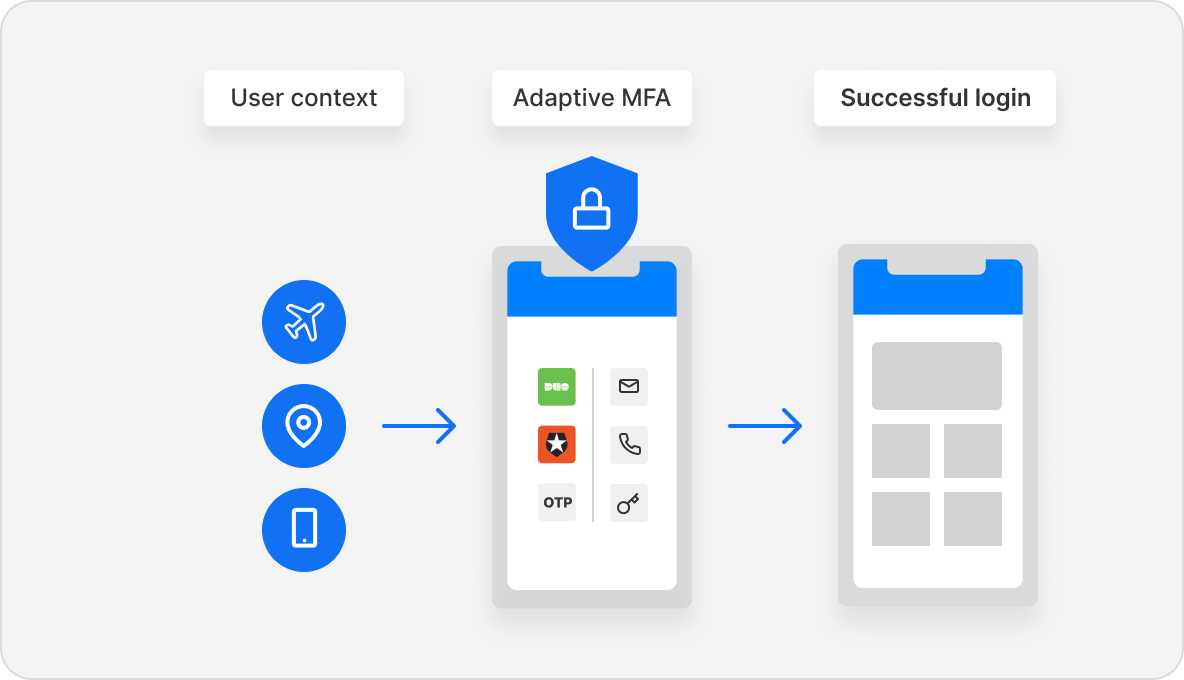 |