
Azure Batch vs. Azure Databricks vs. OpenText Magellan
Azure Batch vs. Azure Databricks vs. OpenText Magellan
| Product | Rating | Most Used By | Product Summary | Starting Price |
|---|---|---|---|---|
 Azure Batch | N/A | Azure Batch is cloud-scale job scheduling and compute management. | N/A | |
Azure Databricks | N/A | Azure Databricks is a service available on Microsoft's Azure platform and suite of products. It provides the latest versions of Apache Spark so users can integrate with open source libraries, or spin up clusters and build in a fully managed Apache Spark environment with the global scale and availability of Azure. Clusters are set up, configured, and fine-tuned to ensure reliability and performance without the need for monitoring. The solution includes autoscaling and auto-termination to improve… | N/A | |
 OpenText Magellan | N/A | OpenText Magellan Analytics Suite leverages a comprehensive set of data analytics software to identify patterns, relationships and trends through data visualizations and interactive dashboards. | N/A |
| Azure Batch | Azure Databricks | OpenText Magellan | ||||||||||||||||||||||
|---|---|---|---|---|---|---|---|---|---|---|---|---|---|---|---|---|---|---|---|---|---|---|---|---|
| Editions & Modules | No answers on this topic | No answers on this topic | No answers on this topic | |||||||||||||||||||||
| Offerings |
| |||||||||||||||||||||||
| Entry-level Setup Fee | No setup fee | No setup fee | No setup fee | |||||||||||||||||||||
| Additional Details | — | — | — | |||||||||||||||||||||
| More Pricing Information | ||||||||||||||||||||||||
| Azure Batch | Azure Databricks | OpenText Magellan |
|---|
| Azure Batch | Azure Databricks | OpenText Magellan | |||||||||||||||||||||||
|---|---|---|---|---|---|---|---|---|---|---|---|---|---|---|---|---|---|---|---|---|---|---|---|---|---|
| Platform Connectivity |
| ||||||||||||||||||||||||
| Data Exploration |
| ||||||||||||||||||||||||
| Data Preparation |
| ||||||||||||||||||||||||
| Platform Data Modeling |
| ||||||||||||||||||||||||
| Model Deployment |
| ||||||||||||||||||||||||
| BI Standard Reporting |
| ||||||||||||||||||||||||
| Ad-hoc Reporting |
| ||||||||||||||||||||||||
| Report Output and Scheduling |
| ||||||||||||||||||||||||
| Data Discovery and Visualization |
| ||||||||||||||||||||||||
| Access Control and Security |
| ||||||||||||||||||||||||
| Mobile Capabilities |
| ||||||||||||||||||||||||
| Application Program Interfaces (APIs) / Embedding |
|
| Azure Batch | Azure Databricks | OpenText Magellan | |
|---|---|---|---|
| Small Businesses | No answers on this topic |  Jupyter Notebook Score 8.5 out of 10 |  Yellowfin Score 8.7 out of 10 |
| Medium-sized Companies | No answers on this topic |  Posit Score 10.0 out of 10 |  Reveal Score 10.0 out of 10 |
| Enterprises |  AWS Batch Score 7.8 out of 10 | Posit Score 10.0 out of 10 |  Kyvos Semantic Layer Score 9.5 out of 10 |
| All Alternatives | View all alternatives | View all alternatives | View all alternatives |
| Azure Batch | Azure Databricks | OpenText Magellan | |
|---|---|---|---|
| Likelihood to Recommend | 8.5 (2 ratings) | 9.8 (3 ratings) | 9.0 (11 ratings) |
| Likelihood to Renew | - (0 ratings) | - (0 ratings) | 3.9 (9 ratings) |
| Usability | - (0 ratings) | 8.0 (1 ratings) | 9.0 (1 ratings) |
| Support Rating | - (0 ratings) | - (0 ratings) | 9.0 (2 ratings) |
| Azure Batch | Azure Databricks | OpenText Magellan | |
|---|---|---|---|
| Likelihood to Recommend |  Microsoft
| Microsoft
|  OpenText
 Christopher Noyes Director Advertising Technology |
| Pros | Microsoft
| Microsoft
| OpenText
 Bri Gipson Sr. Systems Engineer |
| Cons | Microsoft
| Microsoft
| OpenText
 Martin Rubens IT solutions Manager |
| Likelihood to Renew | Microsoft No answers on this topic | Microsoft No answers on this topic | OpenText
 Todd Bellamy Systems Analyst |
| Usability | Microsoft No answers on this topic | Microsoft
| OpenText
|
| Support Rating | Microsoft No answers on this topic | Microsoft No answers on this topic | OpenText
 Jeffrey Fischer Business and Channel Development Director |
| Alternatives Considered | Microsoft
| Microsoft
| OpenText
Christopher Noyes Director Advertising Technology |
| Return on Investment | Microsoft
| Microsoft
| OpenText
|
| ScreenShots | OpenText Magellan Screenshots   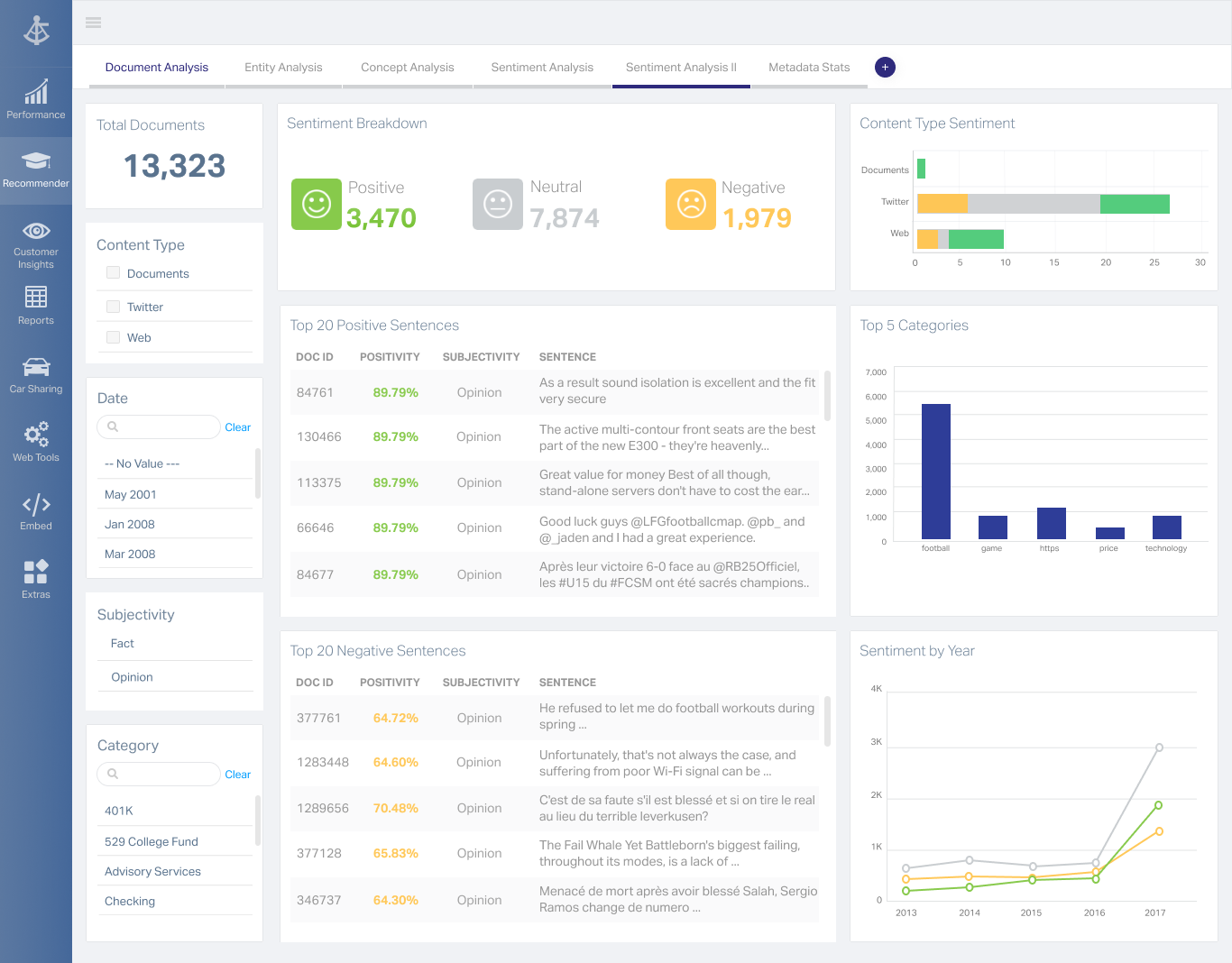 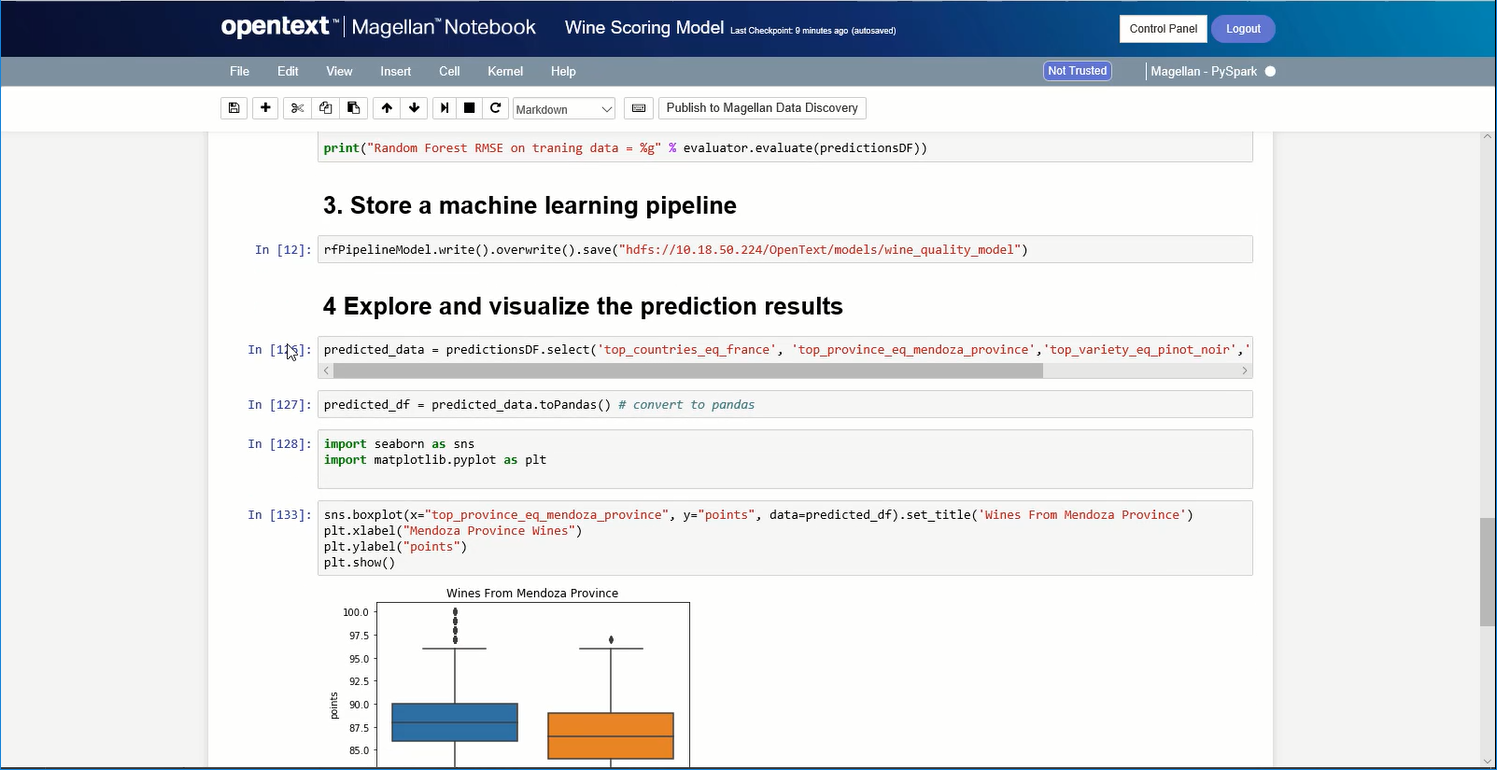 |