Brave Software’s privacy-oriented browser, combined with its blockchain-based digital advertising platform, aims to provide more secure access to the Web for users, publishers and advertisers. Their mission is to provide users a private, speedier Web experience with much longer battery life, help publishers increase their revenue share, and advertisers to achieve better conversion. Headquartered in San Francisco, Brave currently has over 50 million monthly active users and 15 million daily…
N/A
IntSights Cyber Intelligence, from Rapid7
Score 7.3 out of 10
Enterprise companies (1,001+ employees)
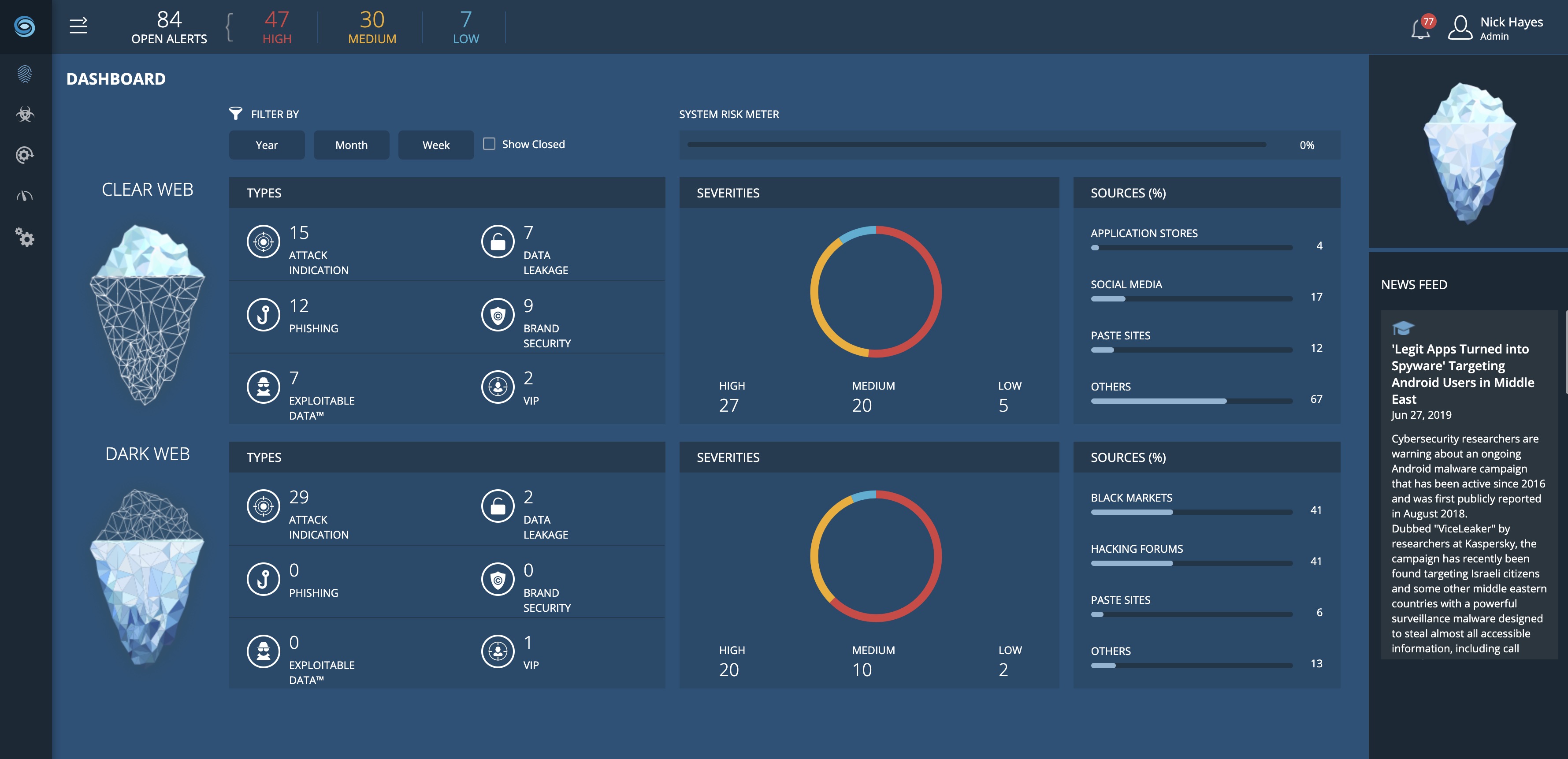
IntSights is an all-in-one external threat intelligence and protection platform, purpose-built to neutralize threats outside the wire. According to the vendor, it is the only solution of its kind. IntSights solution suite's goal is to equip cybersecurity teams worldwide to more effectively detect, assess, and mitigate threats externally from the source, well-before before they reach the perimeter. IntSights four core offerings are: Threat Command™ Threat Intelligence…
N/A
Mozilla Firefox
Score 8.8 out of 10
N/A
Firefox is a web browser from Mozilla, available on desktop and mobile devices. It is presented as a lightweight, privacy conscious browser with browser sync, ad tracking, a built-in PDF editor, and private browsing.
We'll Simply put, we are still using Brave exclusively, so unless we're idiots, which we're not, Brave does a much better job than those other 5. We've also tried using Opera which isn't in the list and same thing, it didn't deliver the performance or features that we needed so …
For day to day use it works fine both business and personal. I find it fast and reliable. We are not using the LEO ai feature since we are already using ChatGPT but we probably should check it out as there may be some real benefit from a more integrated application. We have some company specific extensions which were important to us and so far they have all worked exceedingly well.
It has been a brilliant tool and we have harnessed it for so many applications - Threat intelligence, Risk Analysis, Automation, Endpoint protection, Vulnerability Management, Application Security, Protecting all our Cloud Applications. We love the fact that we only have to see those threats that are meaningful to us. We don't need clutter and endless dashboards with information that just gets in the way and makes things complicated. By having this full, crisp, easily discernible visibility, our decision-making is enhanced and we can see clearly what's happening in real time. We also love the fact that if a dashboard isn't proving to be productive, then we can go ahead and scrap it, and create another one. The tailor made/bespoke aspect of the Application is the thing that really sets it apart. By having all our dashboards aligned, our teams are all working from the same page and it means we are safe in the knowledge that our systems and applications are being monitored in the most effective and efficient ways. There haven't been any real scenarios where it has been ineffective. - perhaps just In-depth Risk Vulnerability Analytics are a bit lacking. However, I'm probably just picking hairs there.
Firefox is ideal for users who are tech-proficient and eager to customize their browsing experience to meet exactly their needs. It is best for people who are very contemplative and thoughtful about their experience of using web browsers and want more than an out-of-the-box or clunky experience offered by pre-loaded browsers.
Brave's user interface, while generally intuitive, it could provide more options for customization and personalization. Allowing user to customize the browser's appearance, layout, and settings to a greater extent would enhance the user experience and cater to individual preferences.
While Brave offers syncing across devices, including mobile platforms, sometimes there are issues with the reliability and consistency of syncing bookmarks, settings, and browsing history. Improving the syncing functionality and addressing any potential inconsistencies would be valuable for users who rely on seamless integration across multiple devices.
It can do anything I throw at it. It does not slow down. I cannot remember it ever crashing. Updating is super easy. It's colorful enough to find what I need visually. I can customize the look to make it super usable and fast with muscle memory precision. It's by far easier to use than any other browser.
We'll Simply put, we are still using Brave exclusively, so unless we're idiots, which we're not, Brave does a much better job than those other 5. We've also tried using Opera which isn't in the list and same thing, it didn't deliver the performance or features that we needed so back to Brave it was. What's unusual to us is that Brave is built on the Chromium platform, so you'd think ChromeOS would be better, but it's not.
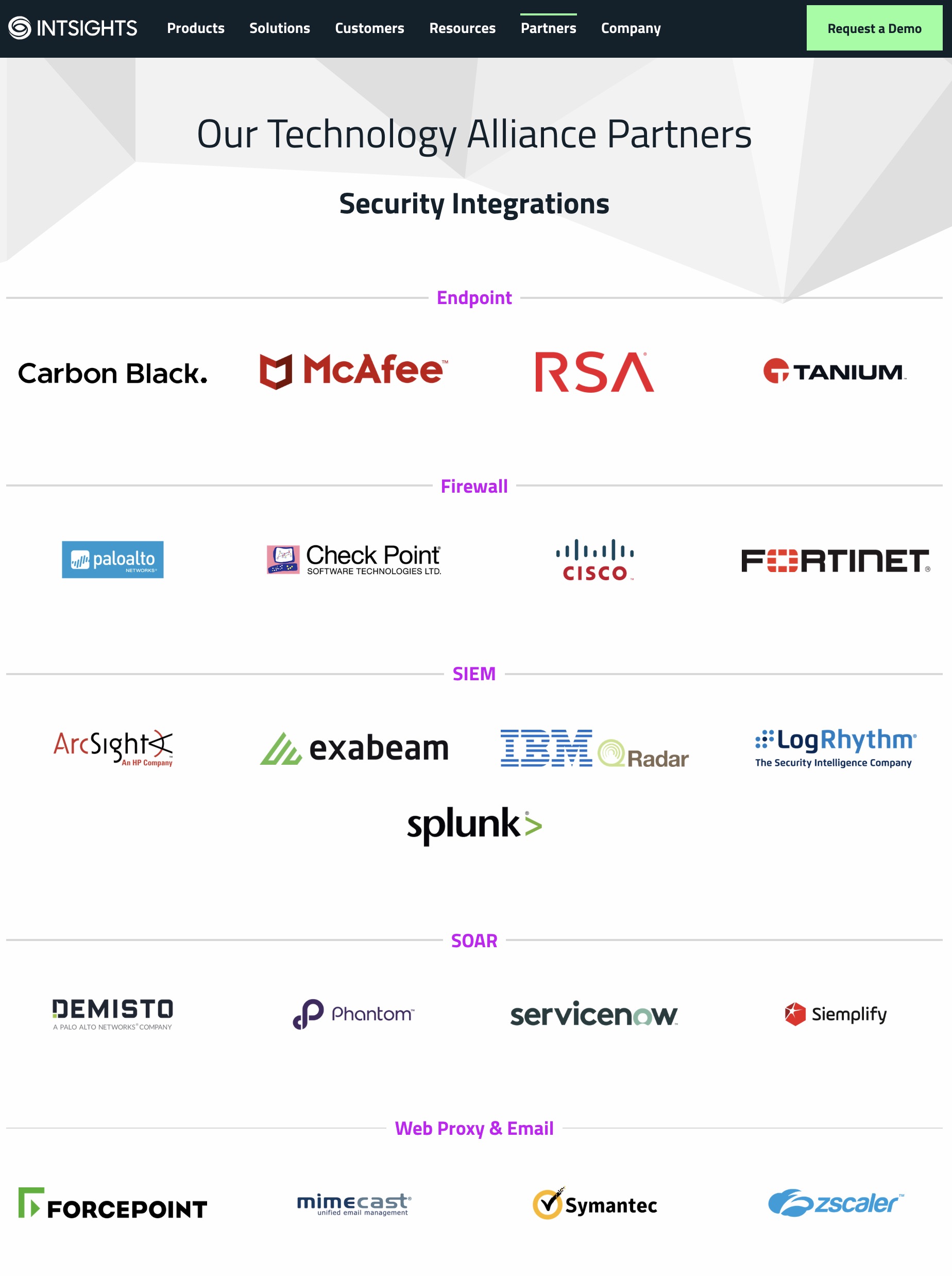
IntSights Cyber Intelligence, from Rapid7 was by far the clear winner, in terms of seamless integration with our exisitng systems, deployment, cleaner User Interface, ease of operation, better for monitoring Indicators of compromise and dark web information, having more features etc.
Mozilla Firefox stacks up very well alongside similar products. There has not been a feature I have needed that a similar product had that was lacking from Mozilla Firefox. The product has been developed very well and updates have been effective at maintaining security. I have been a long-time user of Mozilla Firefox and have no reason to change.