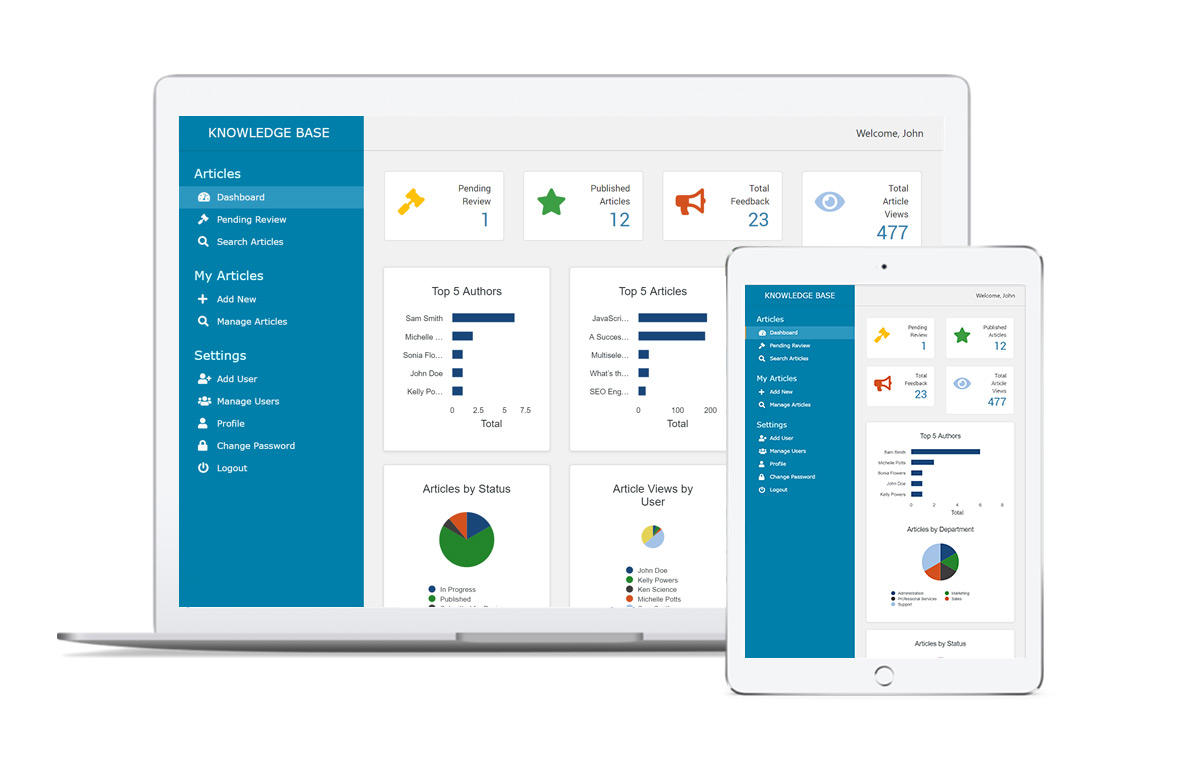
Caspio is a solution providing the infrastructure, tools and support that allows users to create customized online databases, applications, reports, forms, and charts/graphs. The point-and-click interface requires no coding experience and apps can be integrated into any website, blog, intranet or content management system.
$100
per month
DevExpress Universal
Score 9.9 out of 10
N/A
DevExpress Universal is a suite of all DevExpress .NET products and controls.
N/A
Oracle Java SE
Score 8.0 out of 10
N/A
Oracle Java SE is a programming language and gives customers enterprise features that minimize the costs of deployment and maintenance of their Java-based IT environment.
N/A
Pricing
Caspio
DevExpress Universal
Oracle Java SE
Editions & Modules
LITE
$100
per month
PLUS
$300
per month
BUSINESS
$600
per month
ENTERPRISE
Contact Us
per month
No answers on this topic
No answers on this topic
Offerings
Pricing Offerings
Caspio
DevExpress Universal
Oracle Java SE
Free Trial
Yes
No
No
Free/Freemium Version
No
No
No
Premium Consulting/Integration Services
Yes
No
No
Entry-level Setup Fee
Optional
No setup fee
No setup fee
Additional Details
> All plans include unlimited users.
> Caspio offers a 10% discount to non-profits, NGOs, and customers in qualifying countries.
> Compliance plans support strict regulatory requirements: HIPAA; FERPA; PCI DSS Level 1; VPAT 2.0/Section 508; GDPR; EU-US Privacy Shield; SOC 2 Type II; ISO 9001, 27001; CSA Star Level 1, 2 & 3; 3D Secure 2.
> Project consultations for planning and customization, in-depth online help, how-to videos and instructor-led training.
> Pricing plans designed for teams of all sizes. Discount for annual pricing.
—
—
More Pricing Information
Community Pulse
Caspio
DevExpress Universal
Oracle Java SE
Features
Caspio
DevExpress Universal
Oracle Java SE
Low-Code Development
Comparison of Low-Code Development features of Product A and Product B
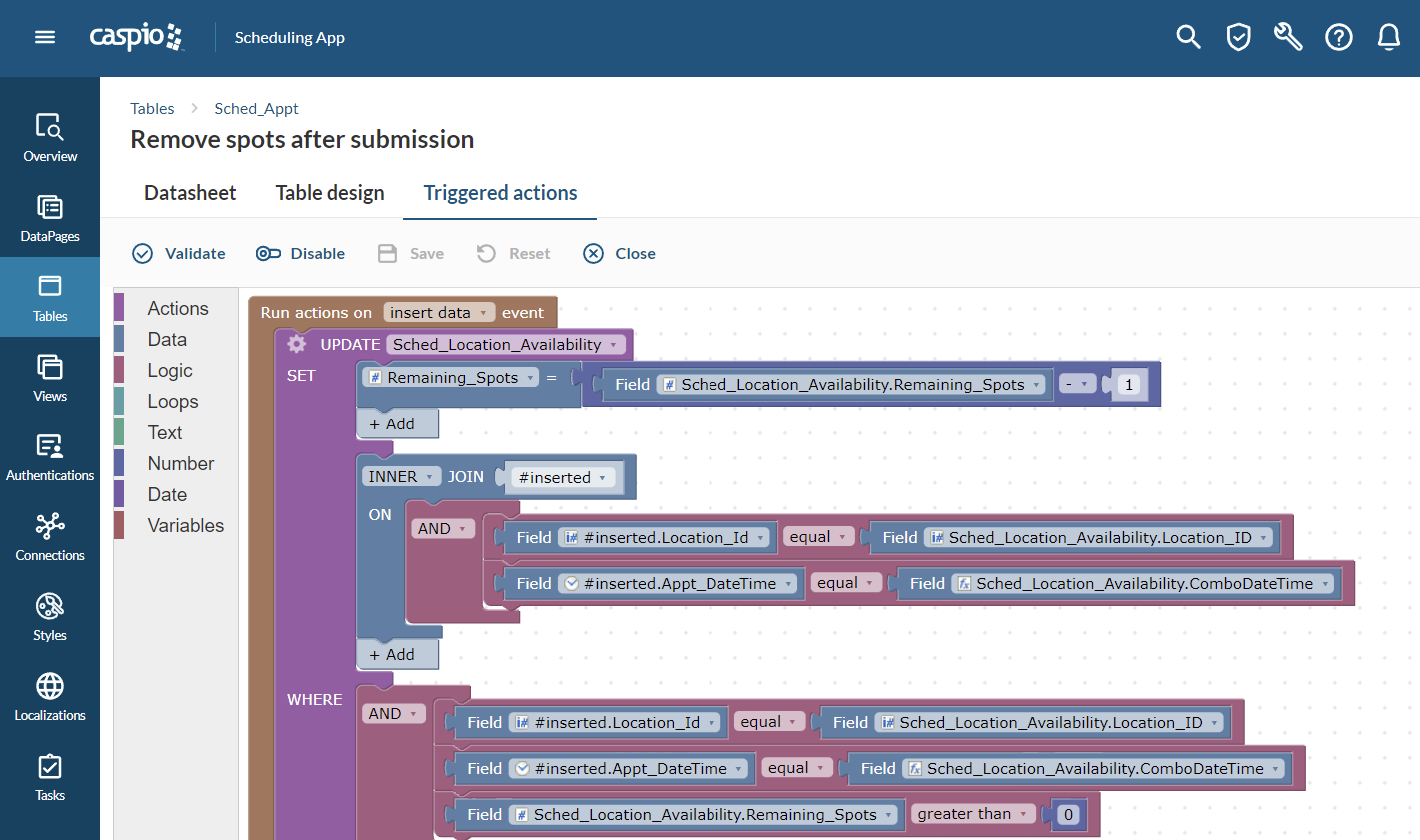
Contact forms are incredibly easy to build and customize, as are most other kinds of more involved forms. Forms allow html input and can be designed in a number of ways. It's helpful if you know some HTML. JavaScript knowledge can add advanced options, but is not necessary for the most common uses. The company used to call itself "No-Code," but has changed to say "Low Code," which is much more accurate.
Oracle Java SE is well suited to long-running applications (e.g. servers). Java Swing (UI toolkit) is now rather outdated, lacking support for modern UI features. JavaFX, the potential replacement for Swing, has now been separated out of Java core. Ideally, there would be a path to migrate a large application incrementally from Swing to JavaFX, but due to different threading models and other aspects, it is difficult. At this point, it is probably better to use an embedded web browser (e.g. JxBrowser) to provide a modern UI in HTML/Javascript and keep just the business logic in Java.
Caspio is an online database platform. It allows one to create multiple tables and views to be stored via the web. Tables can be configured to not only hold data but also to hold files like Word docs and images.
Caspio is great at creating online forms and reports. It allows the user to create forms to capture, update data, whether it's password protected or just a simple form.
As a database platform, one can create online tables and forms linking multiple tables and views to each other. I would say it is the Microsoft Access of the online platforms.
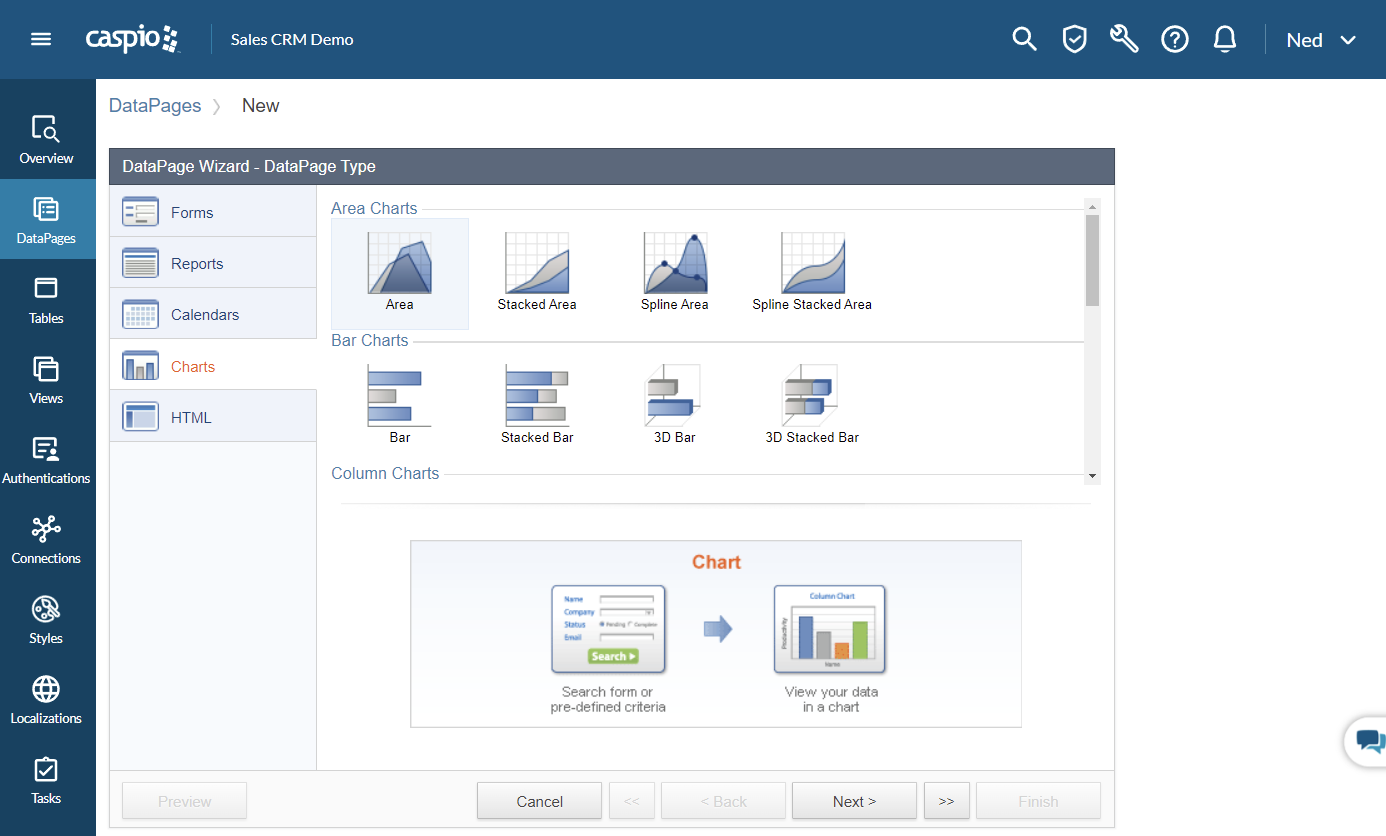
The system is very easy. Wizards allow one to create forms, tables, and datapages. Since the platform is online, you may access your database anywhere.
Commercial Licensing in 2019. Oracle will charge commercial organizations using Java SE for upgrading to the latest bug fixes and updates. Organizations will now need to either limit their implementation of Java SE or may need to drop it altogether.
Slow Performance. Due to the all of the abstraction of the JVM, Java SE programs take much more resources to compile and run compared to Python.
Poor UI appearance on all of the major GUI libraries (Swing, SWT, etc.). Through Android Studio, it is easy to get a native look/feel for Java apps, but when it comes to desktops, the UI is far from acceptable (does not mimic the native OS's look/feel at all).
We are committed to Caspio Bridge. We could migrate to another product, but we would not be able to do so quickly. I estimate that we would need about a year (maybe more) to convert all of our forms and processes if we were to switch to some other product
Oracle Java SE provides the new features along with timely security patches. New features like Record patterns and pattern matching for switches are very useful. With every new release of Java, it is getting better. Sequenced collections are also an interesting feature added to Java. With all these new features, backward compatibility is also maintained.
I've had some instances where my team and I discovered a bug in Caspio. We alerted the company, and the bug was fixed in the next regular update of the software. The few times that I've had to contact support, it was a pretty good experience. They're not terribly quick to respond and take action, but they don't ignore you, either.
Java is such a mature product at this point that there is little support from the vendor that is needed. Various sources on the internet, and especially StackOverflow, provide a wealth of knowledge and advice. Areas that may benefit from support is when dealing with complex multithreading issues and security libraries.
GroupHigh is so frustrating to use. It is constantly changing the way you can search for bloggers, and we can never find exactly what we are looking for
DevExpress Universal controls are much simpler to use, implement and customized as compared to Kendo. Learning curve for telerik is high, though level of customization that can be achieved with telerik exceeds that of DevExpress Universal. Found DevExpress Universal community support to be better then its competitors. License cost is also a wining bar here.
Chose to go with Java instead of Python or C++ due to the expertise on the ground with the technology, for its ease of integration with our heterogeneous setup of production servers, and for the third party library support which we've found was able to address some challenging aspects of our business problem.
The different versions make it harder to work with other companies where some use newer versions while some use older versions, costing time to make them compatible.
Licenses are getting to be costly, forcing us to consider OpenJDK as an alternative.
New features take time to learn. When someone starts using them, everyone has to take time to learn.