
Cisco Intersight vs. IFS Applications
| Product | Rating | Most Used By | Product Summary | Starting Price |
|---|---|---|---|---|
 Cisco Intersight | Score8.9 out of 10 | N/A | Cisco Intersight is an operations platform that helps IT operations teams control and automate Cisco UCS, converged, and hyperconverged infrastructure. Intersight consolidates and automates infrastructure lifecycle management from data centers to the edge in one solution delivered as-a-service. | N/A |
 IFS Applications | Score7.6 out of 10 | N/A | IFS Applications is presented by the vendor as an agile application suite that offers enterprise resource planning (ERP), enterprise asset management (EAM) and enterprise project management, handling 4 core processes: Service & Asset Management Full Enterprise Asset Management (EAM), Maintenance Repair and Overhaul (MRO) and Field Service Management (FSM) Manufacturing Enterprise Resource Planning (ERP) with support for process manufacturing, discrete manufacturing… | N/A |
| Cisco Intersight | IFS Applications | |||||||||||||||
|---|---|---|---|---|---|---|---|---|---|---|---|---|---|---|---|---|
| Editions & Modules | No answers on this topic | No answers on this topic | ||||||||||||||
| Offerings |
| |||||||||||||||
| Entry-level Setup Fee | No setup fee | No setup fee | ||||||||||||||
| Additional Details | — | — | ||||||||||||||
| More Pricing Information | ||||||||||||||||
| Cisco Intersight | IFS Applications | |
|---|---|---|
| Considered Both Products | No answer on this topic | No answer on this topic |
| Key User Insights | ||
| Would buy again | ||
93% Would buy again 43 Answers | No answers on this topic | |
| Delivers good value for the price | ||
91% Delivers good value for the price 39 Answers | No answers on this topic | |
| Happy with the feature set | ||
91% Happy with the feature set 42 Answers | No answers on this topic | |
| Lived up to sales and marketing promises | ||
89% Lived up to sales and marketing promises 34 Answers | No answers on this topic | |
| Implementation went as expected | ||
87% Implementation went as expected 39 Answers | No answers on this topic | |
| Cisco Intersight | IFS Applications | |||||||||||||||||||||||||
|---|---|---|---|---|---|---|---|---|---|---|---|---|---|---|---|---|---|---|---|---|---|---|---|---|---|---|
| Payroll Management |
| |||||||||||||||||||||||||
| Customization |
| |||||||||||||||||||||||||
| Security |
| |||||||||||||||||||||||||
| Reporting & Analytics |
| |||||||||||||||||||||||||
| General Ledger and Configurable Accounting |
| |||||||||||||||||||||||||
| Inventory Management |
| |||||||||||||||||||||||||
| Order Management |
| |||||||||||||||||||||||||
| Subledger and Financial Process |
| |||||||||||||||||||||||||
| Project Financial Management |
| |||||||||||||||||||||||||
| Project Execution Management |
| |||||||||||||||||||||||||
| Grants Management |
| |||||||||||||||||||||||||
| Procurement |
| |||||||||||||||||||||||||
| Risk Management |
| |||||||||||||||||||||||||
| Logistics |
| |||||||||||||||||||||||||
| Manufacturing |
| |||||||||||||||||||||||||
| Supply Chain |
| |||||||||||||||||||||||||
| Product Lifecycle Management |
| |||||||||||||||||||||||||
| Cisco Intersight | IFS Applications | |
|---|---|---|
| Small Businesses |  Rackspace Fabric Score6.3 out of 10 |  Zoho One Score9.2 out of 10 |
| Medium-sized Companies |  IBM Turbonomic Score8.5 out of 10 | Zoho One Score9.2 out of 10 |
| Enterprises | IBM Turbonomic Score8.5 out of 10 |  Microsoft Dynamics AX (discontinued) Score4.8 out of 10 |
| All Alternatives | View all alternatives | View all alternatives |
| Cisco Intersight | IFS Applications | |
|---|---|---|
| Likelihood to Recommend | 8.8 | 8.5 |
| Likelihood to Renew | 8.3 | - |
| Usability | 6.1 | 8.5 |
| Availability | 6.4 | - |
| Performance | 4.5 | - |
| Support Rating | 9.3 | 1.0 |
| Implementation Rating | 7.3 | - |
| Contract Terms and Pricing Model | 8.3 | - |
| Ease of integration | 6.4 | - |
| Product Scalability | 6.4 | - |
| Professional Services | 8.4 | - |
| Cisco Intersight | IFS Applications | |
|---|---|---|
| Likelihood to Recommend |
|
|
| Pros |
|
|
| Cons |
|
|
| Likelihood to Renew |
| No answers on this topic |
| Usability |
|
|
| Reliability and Availability |
| No answers on this topic |
| Performance |
| No answers on this topic |
| Support Rating |
|
|
| Online Training |
| No answers on this topic |
| Implementation Rating |
| No answers on this topic |
| Alternatives Considered |
|
|
| Contract Terms and Pricing Model |
| No answers on this topic |
| Scalability |
| No answers on this topic |
| Professional Services |
| No answers on this topic |
| Return on Investment |
|
|
| ScreenShots | Cisco Intersight Screenshots     | IFS Applications Screenshots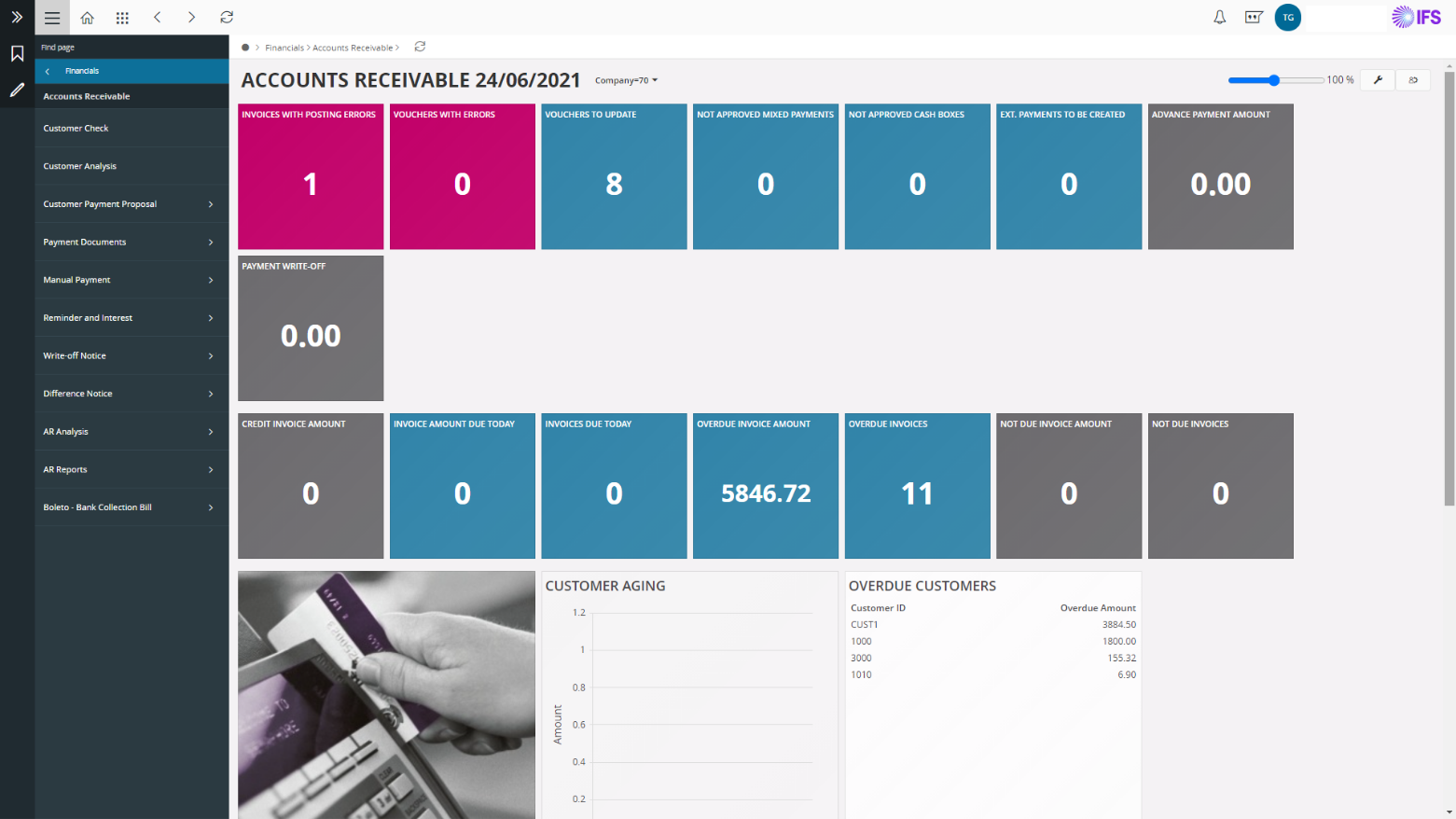   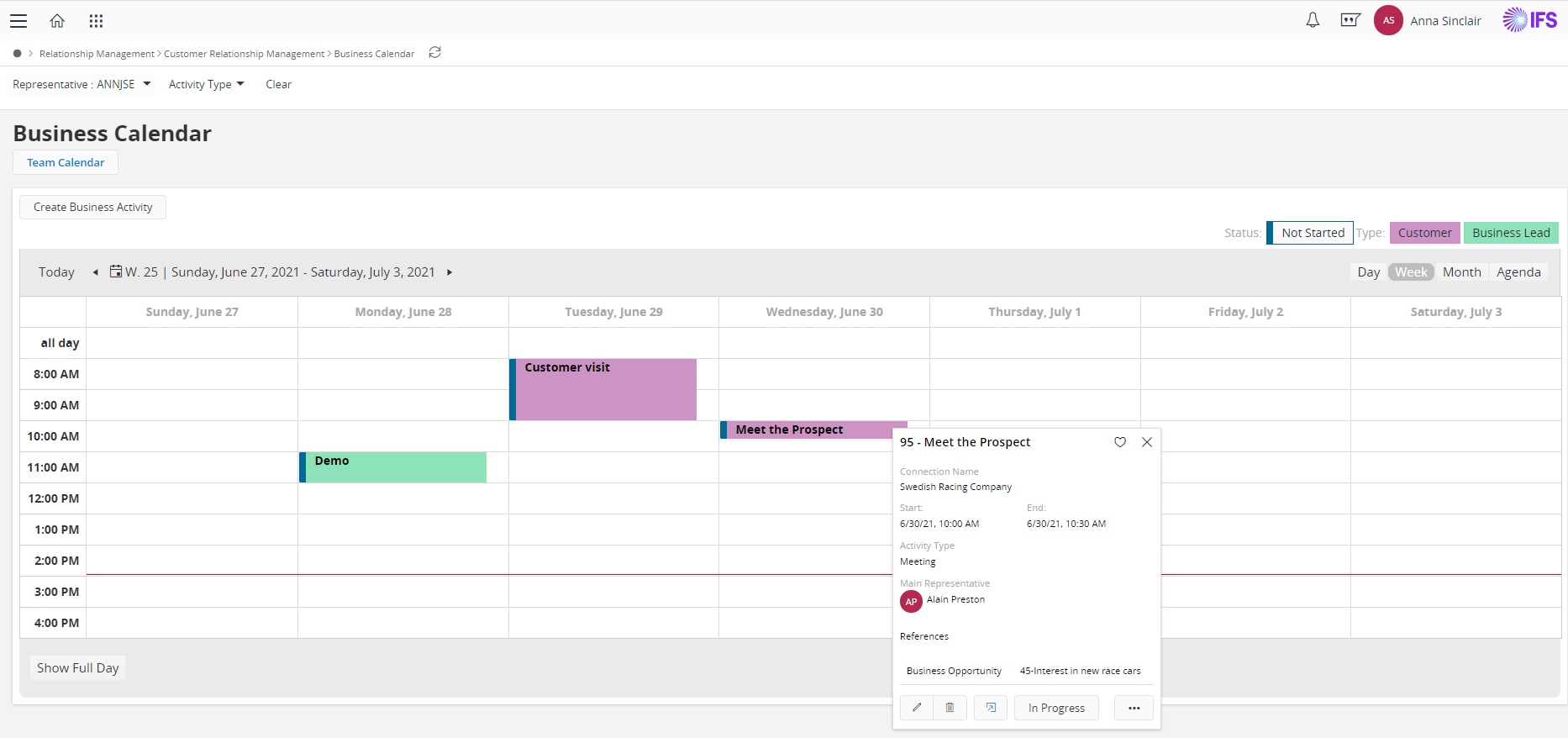  |

