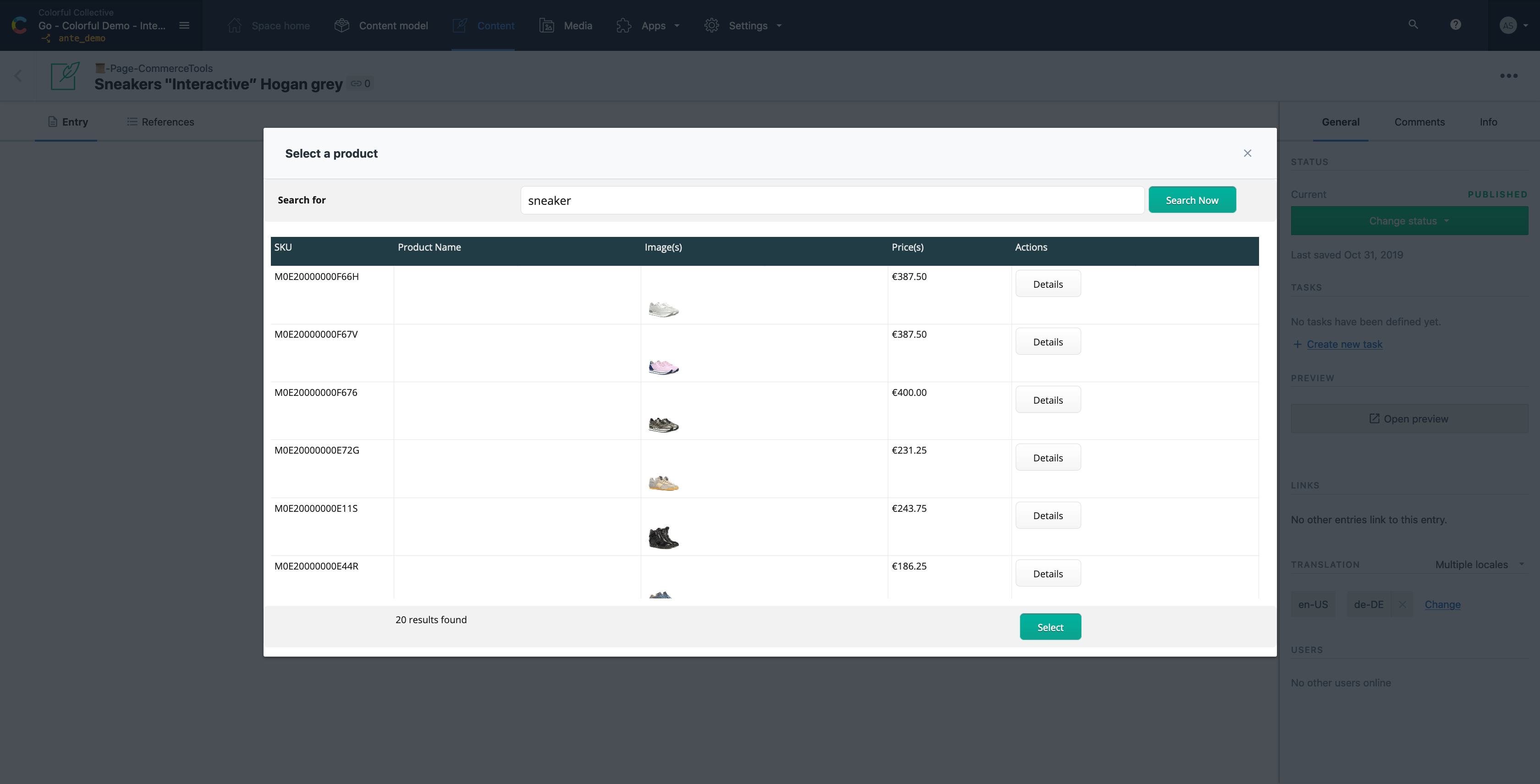
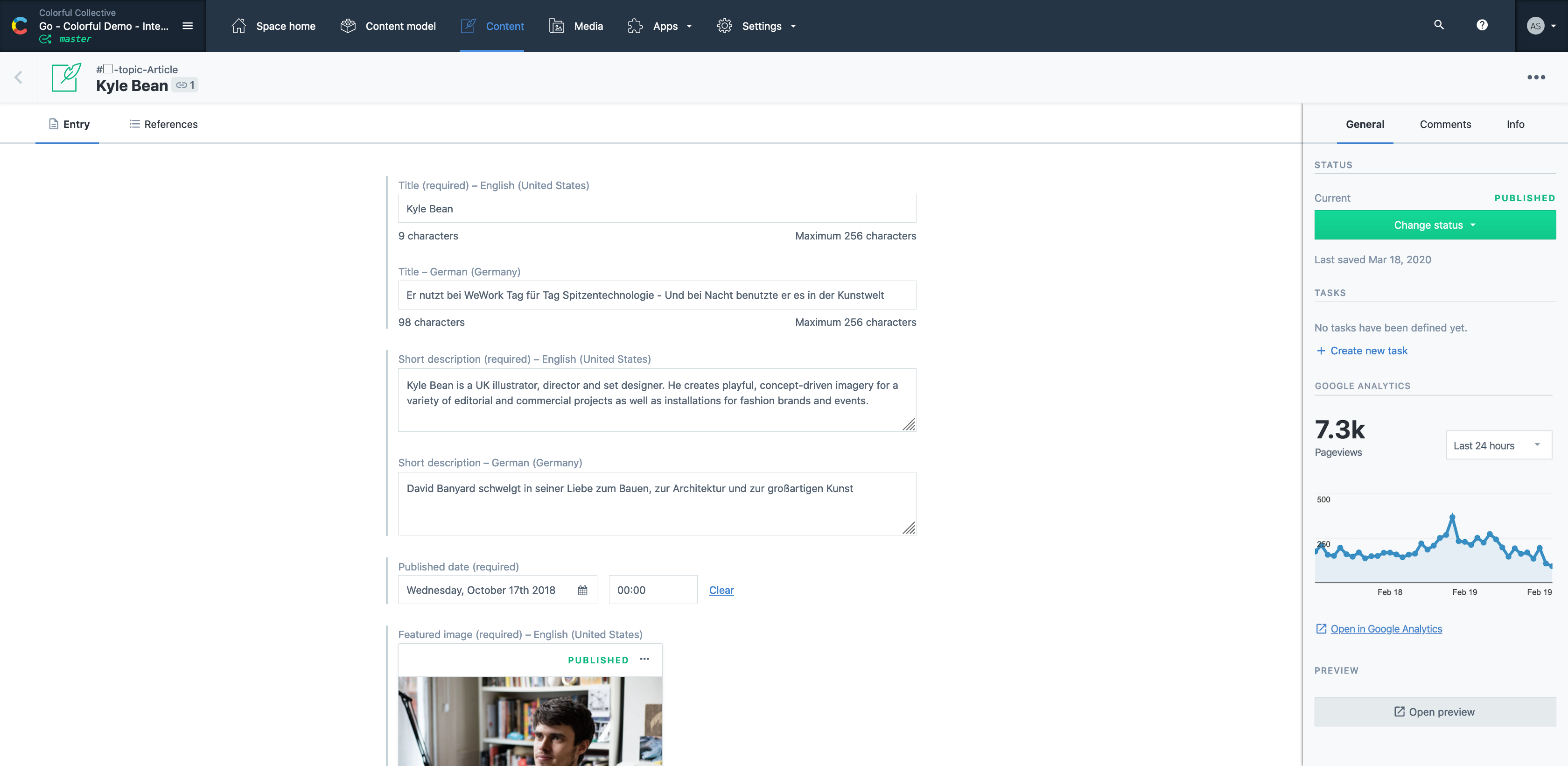
Contentful is a cloud based CMS solution that provides the ability to manage content across multiple platforms.The editing interface allows for managing content interactively and provides developers the ability to deliver the content with the programming language and template framework of their choice.
$0
Contentstack
Score 8.2 out of 10
N/A
Contentstack headquartered in San Francisco offers an API-first headless CMS. From desktops to smart phones, from kiosks to smart watches, from billboards to jumbotrons, from dashboards to VR headsets – content is delivered with the push of a button and optimized for every screen, device and channel.
N/A
Podpage
Score 9.1 out of 10
N/A
Podpage is designed to help users build a beautiful podcast website in 5 minutes (or less). With it, the vendor states users can automatically create a listener-friendly podcast site from an RSS feed, customize the design to create a professional look in a few clicks, without coding or technical knowledge necessary.
$19
Pricing
Contentful
Contentstack
Podpage
Editions & Modules
Lite
$300
per month
Community
Free
Enterprise
Custom
No answers on this topic
Basic
$19
per month
Pro
$29
per month
Elite
$59
per month
Offerings
Pricing Offerings
Contentful
Contentstack
Podpage
Free Trial
Yes
Yes
Yes
Free/Freemium Version
Yes
No
No
Premium Consulting/Integration Services
Yes
Yes
No
Entry-level Setup Fee
Optional
Optional
No setup fee
Additional Details
—
—
A 35% discount is offered for annual subscriptions.
Contentstack has better international hosting support then Contentful and we found the presales and sales support people were MUCH more responsive than Contentful. The Sitecore sales process was very very slow and overly complex. We felt Sitecore had many features that …
When we wanted to move to headless we took a look and tested some of the offerings available for headless CMS. Many do have similar features and services and so for us it came down to how Contentstack built a business relationship and service around their clients. We were given …
Featurewise, there's not a lot that separates these CMSs, and it's hard to assess in a SW selection phase exactly how the products stack up against each other. Ultimately, the choice of Contentstack came down to the dialogue with the sales rep.
It's a great all rounder for content projects. It's easy in the basics and powerful in the complex, data heavy scenarios. Extending the platform is straightforward and the SDK gives you everything you need. If you have many many varying content types , it gets expensive and perhaps not the best choice .
Contentstack has flexible functionality which opens up a lot of possibilities for businesses with proactive web development teams to create their own website builder app to compete with 3rd party agencies. This is especially useful in a large enterprise where non-technical teams often turn to expensive outside agencies which cost more in the long run than an up-front investment into an in-house application.
Contentful uses "references" to allow you to build very modular content. If I have a "slider" content type, I can create a "slide" content type which references a "button" content type, and so forth. This works well, but I occasionally wish there was a better solution for one-off content, like a settings page. Currently, this is done for creating an entire content type called "settings" with a single entry. Not a big deal, but not ideal, either.
There are a few quirks with GatsbyJS integration, etc, but these issues are being fixed and improved upon very quickly.
A minor gripe, but Contentful does not have a way to organize fields within an entry. Entries with many fields are somewhat tiresome to scroll through.
In my opinion it's not very intuitive. I've found its difficult to understand how to best structure entries, especially if they are related
In my experience, entries can get difficult to understand if weren't the creator. It would be helpful to have some meta data around the entry itself and the fields within them in my opinion.
Integration with an A/B testing platform would be nice.
It is a very easy to use and configure application. I find that it is on the user to manage the content after the models have been created, yet I still do not encounter issues finding or creating new components for our site. It is easy to set up and easy to navigate.
Podpage gave me a great looking site without needing to know coding languages like HTML and CSS. It seamlessly pulls in what I need for each episode from Buzzsprout. And I’m confident the site will stay current over time.
They have an in-app chat with their support team, who is always quick to respond and provide helpful answers. I've never walked away from an interaction without my issue being solved quickly and easily. They're also very communicative over email and are sure to follow up after any changes are made to ensure we're seeing the desired result. They are always very professional and easy to work with.
Most amazing support ever! Using the chat feature within Podpage, customer support responds quickly and accurately. Also actively involved with a user group on Facebook and promptly addresses questions there.
Easy to use and much more organized as a single platform versus multi. The layout is clean and easy to read and we don’t have to worry about certain users safe guarding data or content then losing it when they leave the company. It’s a one stop shop for imagery
Contentstack has better international hosting support then Contentful and we found the presales and sales support people were MUCH more responsive than Contentful. The Sitecore sales process was very very slow and overly complex. We felt Sitecore had many features that were not valuable and the cost to benefit ratio was much lower compared to ContentStack
Contentful has saved us valuable development time that was previously spent doing deploys for minor content updates.
Contentful has helped us maintain consistent documentation, reducing time needed to review for consistency.
Can't say we've really experienced any negative ROI impacts from using Contentful, but we've run into some limitations in adding too many content models and the next pricing tier is substantially more expensive.