Chose Git
Git is by far the best version control system out there. It's open source, free, and fast. No other version control system I've ever used has had all three features.

| Product | Rating | Most Used By | Product Summary | Starting Price |
|---|---|---|---|---|
 Digital.ai Agility | N/A | Digital.ai Agility (formerly VersionOne) helps organizations harness the power of their people’s knowledge, processes, and technology to build agile practices that scale across the enterprise. Its capabilities enable organizations to align products and investments with strategic business goals by coordinating planning, tracking, and reporting work across large distributed companies. Digital.ai Agility connects business strategy with team execution, providing a unified view at all levels,… | N/A | |
 Git | N/A | N/A | N/A | |
 Plastic SCM | Enterprise companies (1,001+ employees) | Plastic SCM is a full stack version control system that aims to make software configuration easy. It focuses on enabling dev teams get work done by facilitating branching, diffing and merging. The vendor says that for those purposes it provides cross-platform apps and GUIs with: Branch explorer Diffing and merging tools (both syntactic and semantic) On-premises and cloud repo management Code review mergebots (last mile… | $6.95 per user |
| Digital.ai Agility | Git | Plastic SCM | ||||||||||||||||||||||
|---|---|---|---|---|---|---|---|---|---|---|---|---|---|---|---|---|---|---|---|---|---|---|---|---|
| Editions & Modules | No answers on this topic | No answers on this topic |
| |||||||||||||||||||||
| Offerings |
| |||||||||||||||||||||||
| Entry-level Setup Fee | No setup fee | No setup fee | Optional | |||||||||||||||||||||
| Additional Details | — | — | * Educational institutions receive a substantial discount on Plastic SCM licensing fees * Corporate/volume pricing is available * For more information, please contact sales at sales@codicesoftware.com | |||||||||||||||||||||
| More Pricing Information | ||||||||||||||||||||||||
| Digital.ai Agility | Git | Plastic SCM | |
|---|---|---|---|
| Considered Multiple Products |  Digital.ai Agility No answer on this topic | Git | Plastic SCM No answer on this topic |
| Digital.ai Agility | Git | Plastic SCM | |||||||||||||||||||||||||||
|---|---|---|---|---|---|---|---|---|---|---|---|---|---|---|---|---|---|---|---|---|---|---|---|---|---|---|---|---|---|
| Project Management |
| ||||||||||||||||||||||||||||
| Agile Development |
|
| Digital.ai Agility | Git | Plastic SCM | |
|---|---|---|---|
| Small Businesses |  GitLab Score 8.7 out of 10 |  GitHub Score 9.1 out of 10 |  Salt Score 6.2 out of 10 |
| Medium-sized Companies |  Planview AgilePlace Score 8.5 out of 10 | GitHub Score 9.1 out of 10 | Salt Score 6.2 out of 10 |
| Enterprises | Planview AgilePlace Score 8.5 out of 10 |  Perforce P4 Score 7.2 out of 10 | Perforce P4 Score 7.2 out of 10 |
| All Alternatives | View all alternatives | View all alternatives | View all alternatives |
| Digital.ai Agility | Git | Plastic SCM | |
|---|---|---|---|
| Likelihood to Recommend | 9.0 (9 ratings) | 10.0 (36 ratings) | 8.4 (3 ratings) |
| Likelihood to Renew | - (0 ratings) | 10.0 (1 ratings) | - (0 ratings) |
| Usability | - (0 ratings) | 9.0 (1 ratings) | - (0 ratings) |
| Support Rating | 9.2 (2 ratings) | 8.5 (11 ratings) | - (0 ratings) |
| Implementation Rating | - (0 ratings) | 9.0 (1 ratings) | - (0 ratings) |
| Digital.ai Agility | Git | Plastic SCM | |
|---|---|---|---|
| Likelihood to Recommend | Digital.ai (formerly XebiaLabs, CollabNet VersionOne, and Arxan)
 Sourav Singla ,Safe Agilist, CSP, ICP-ACC, CSM, CSPO, SSM, LSSG Enterprise Agile Coach | Open Source
| Plastic SCM
|
| Pros | Digital.ai (formerly XebiaLabs, CollabNet VersionOne, and Arxan)
| Open Source
| Plastic SCM
 Jacob James Salzberg Co-Founder |
| Cons | Digital.ai (formerly XebiaLabs, CollabNet VersionOne, and Arxan)
| Open Source
 Gabriel Samaroo Senior Software Engineer | Plastic SCM
Jacob James Salzberg Co-Founder |
| Likelihood to Renew | Digital.ai (formerly XebiaLabs, CollabNet VersionOne, and Arxan) No answers on this topic | Open Source
| Plastic SCM No answers on this topic |
| Usability | Digital.ai (formerly XebiaLabs, CollabNet VersionOne, and Arxan) No answers on this topic | Open Source
| Plastic SCM No answers on this topic |
| Support Rating | Digital.ai (formerly XebiaLabs, CollabNet VersionOne, and Arxan)
 Gene Baker Vice President, Chief Architect, Development Manager and Software Engineer | Open Source
 Nate Dillon Front-End Web Developer, Office of Mediated Education | Plastic SCM No answers on this topic |
| Implementation Rating | Digital.ai (formerly XebiaLabs, CollabNet VersionOne, and Arxan) No answers on this topic | Open Source
| Plastic SCM No answers on this topic |
| Alternatives Considered | Digital.ai (formerly XebiaLabs, CollabNet VersionOne, and Arxan)
 Michelle Gamboa, CSM Adobe Experience Manager Mobile High Profile Quality Engineer | Open Source
| Plastic SCM
Jacob James Salzberg Co-Founder |
| Return on Investment | Digital.ai (formerly XebiaLabs, CollabNet VersionOne, and Arxan)
 Brittany Bartoli Project Manager | Open Source
 Joel Tanzi Software Engineer | Plastic SCM
Jacob James Salzberg Co-Founder |
| ScreenShots | Plastic SCM Screenshots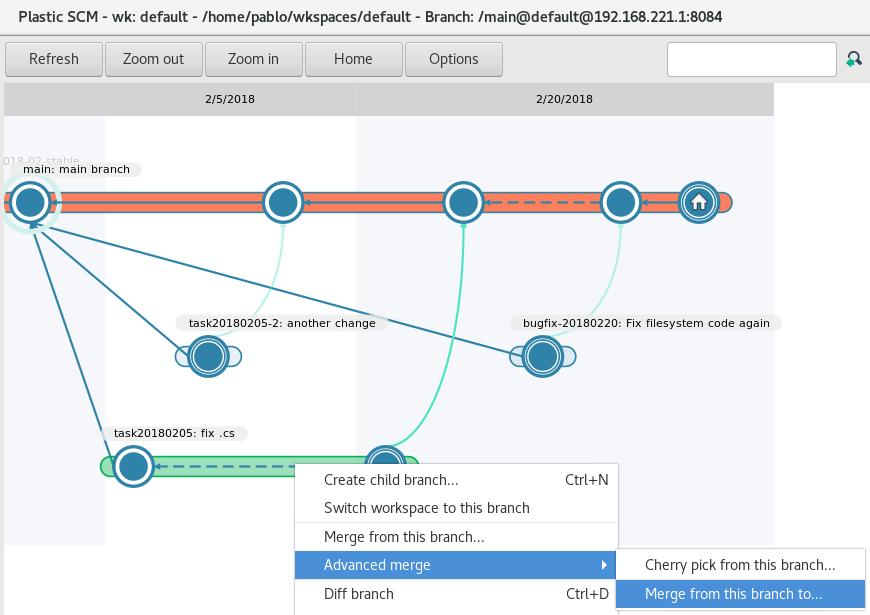   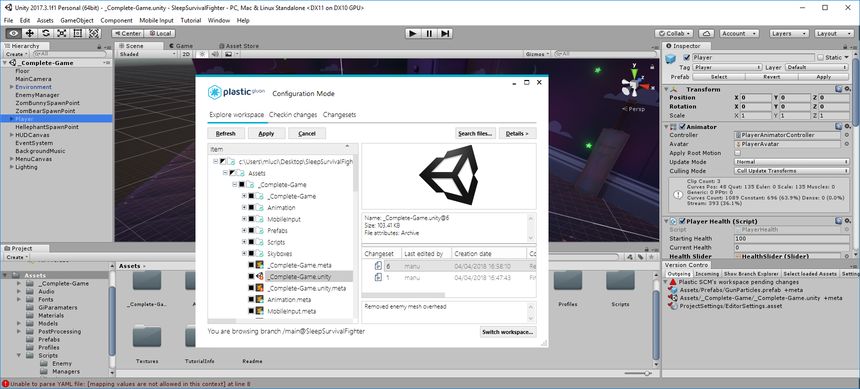  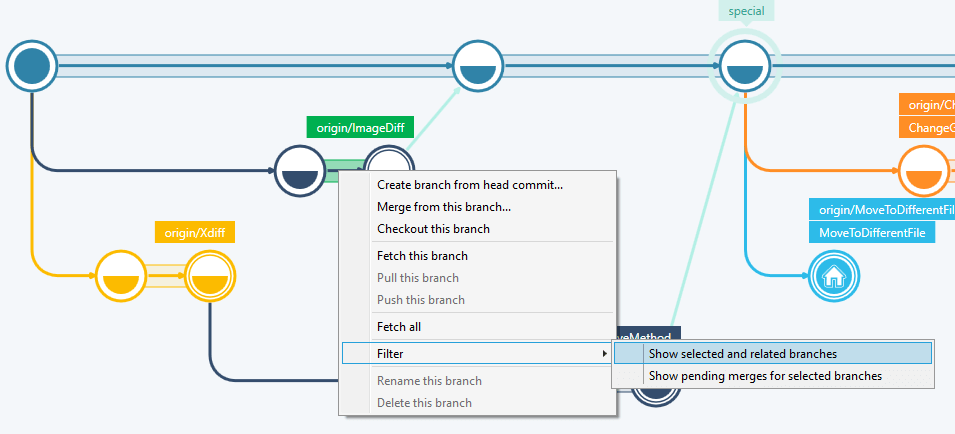 |