
EasyVista Service Manager vs. Jira Service Management
EasyVista Service Manager vs. Jira Service Management
| Product | Rating | Most Used By | Product Summary | Starting Price |
|---|---|---|---|---|
 EasyVista Service Manager | N/A | EasyVista Service Manager is the New York company's ITIL / ITSM service solution. | N/A | |
 Jira Service Management | N/A | Jira Service Management (formerly Jira Service Desk, now including features from the former Mindville Insight, acquired by Atlassian in June 2020) is a service desk software that is purpose-built for IT, service, and support teams. The software provides everything IT and support teams need out-of-the-box for service request, incident, problem and change management. Jira Service Management integrates seamlessly with Jira Software so that IT and development teams can work better together. Users… | $0 per month |
| EasyVista Service Manager | Jira Service Management | |||||||||||||||
|---|---|---|---|---|---|---|---|---|---|---|---|---|---|---|---|---|
| Editions & Modules | No answers on this topic |
| ||||||||||||||
| Offerings |
| |||||||||||||||
| Entry-level Setup Fee | No setup fee | No setup fee | ||||||||||||||
| Additional Details | — | — | ||||||||||||||
| More Pricing Information | ||||||||||||||||
| EasyVista Service Manager | Jira Service Management |
|---|
| EasyVista Service Manager | Jira Service Management | ||||||||||||||||||||||||
|---|---|---|---|---|---|---|---|---|---|---|---|---|---|---|---|---|---|---|---|---|---|---|---|---|---|
| Incident and problem management |
| ||||||||||||||||||||||||
| Change management |
| ||||||||||||||||||||||||
| ITSM asset management |
|
| EasyVista Service Manager | Jira Service Management | |
|---|---|---|
| Small Businesses |  Agiloft Service Desk (discontinued) Score 9.0 out of 10 | Agiloft Service Desk (discontinued) Score 9.0 out of 10 |
| Medium-sized Companies | Agiloft Service Desk (discontinued) Score 9.0 out of 10 | Agiloft Service Desk (discontinued) Score 9.0 out of 10 |
| Enterprises |  ManageEngine ServiceDesk Plus Score 9.2 out of 10 | ManageEngine ServiceDesk Plus Score 9.2 out of 10 |
| All Alternatives | View all alternatives | View all alternatives |
| EasyVista Service Manager | Jira Service Management | |
|---|---|---|
| Likelihood to Recommend | 10.0 (1 ratings) | 7.9 (85 ratings) |
| Likelihood to Renew | - (0 ratings) | 10.0 (1 ratings) |
| Usability | - (0 ratings) | 8.3 (10 ratings) |
| Support Rating | - (0 ratings) | 9.1 (25 ratings) |
| EasyVista Service Manager | Jira Service Management | |
|---|---|---|
| Likelihood to Recommend |  EasyVista
 Jessica Macon Technology Procurement Consultant |  Atlassian
|
| Pros | EasyVista
Jessica Macon Technology Procurement Consultant | Atlassian
|
| Cons | EasyVista
Jessica Macon Technology Procurement Consultant | Atlassian
|
| Likelihood to Renew | EasyVista No answers on this topic | Atlassian
 Chinthaka Jayawardane Head-Senior Manager - Global IT Operations |
| Usability | EasyVista No answers on this topic | Atlassian
|
| Support Rating | EasyVista No answers on this topic | Atlassian
|
| Alternatives Considered | EasyVista
Jessica Macon Technology Procurement Consultant | Atlassian
 Gary Smolyak Development Operations Systems Administrator |
| Return on Investment | EasyVista
Jessica Macon Technology Procurement Consultant | Atlassian
|
| ScreenShots | Jira Service Management Screenshots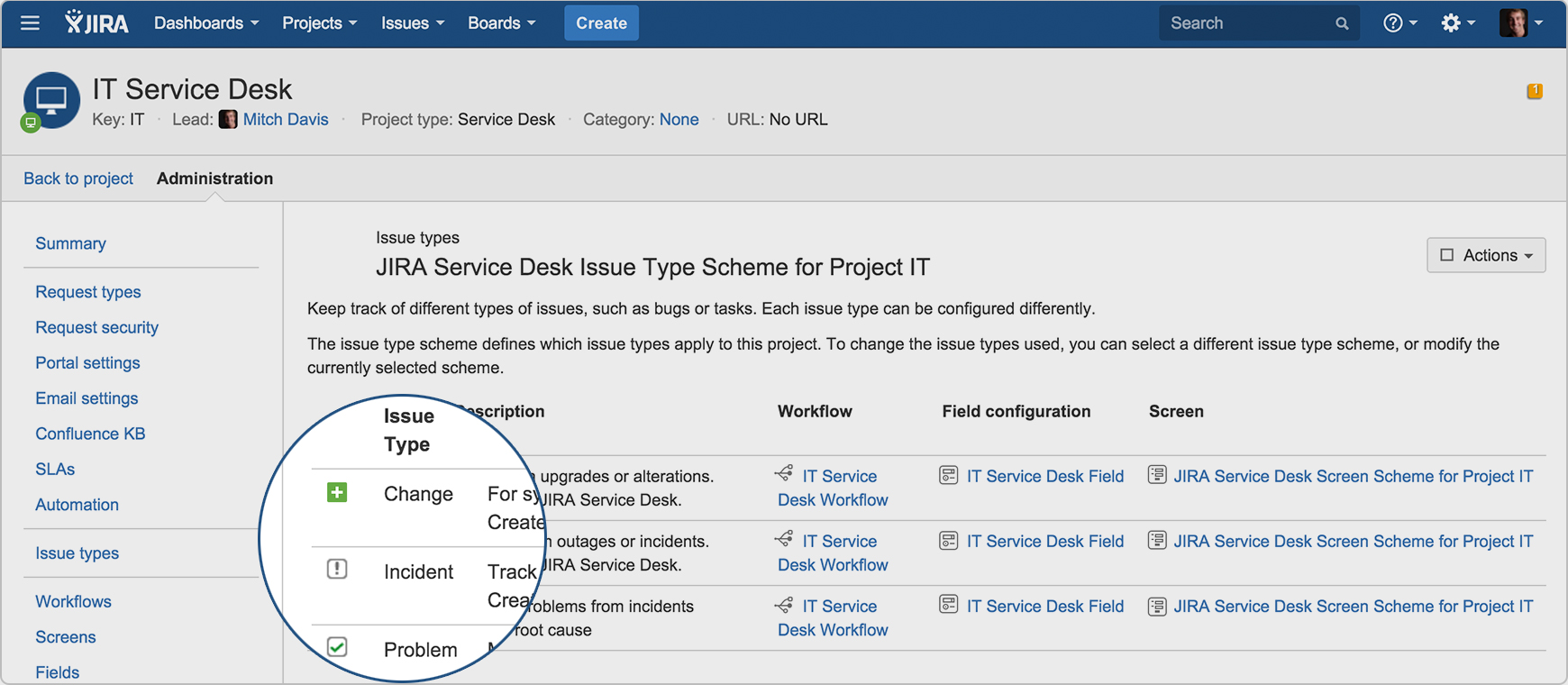  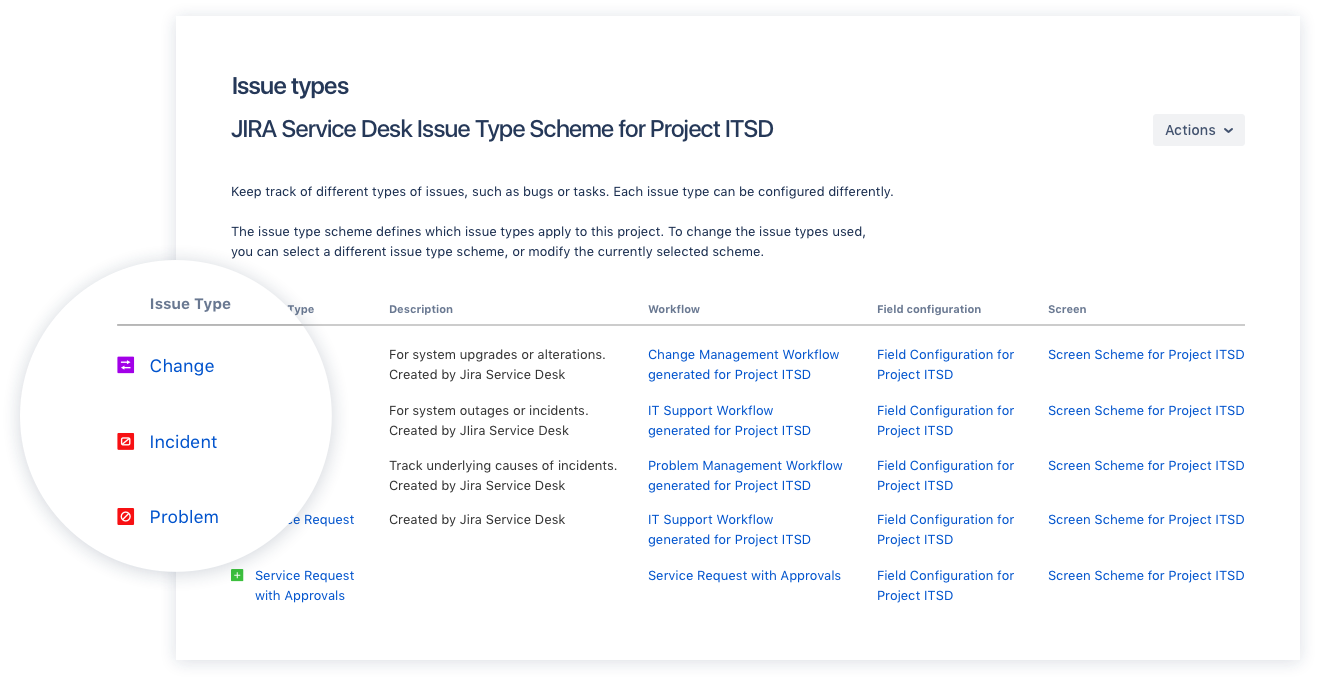  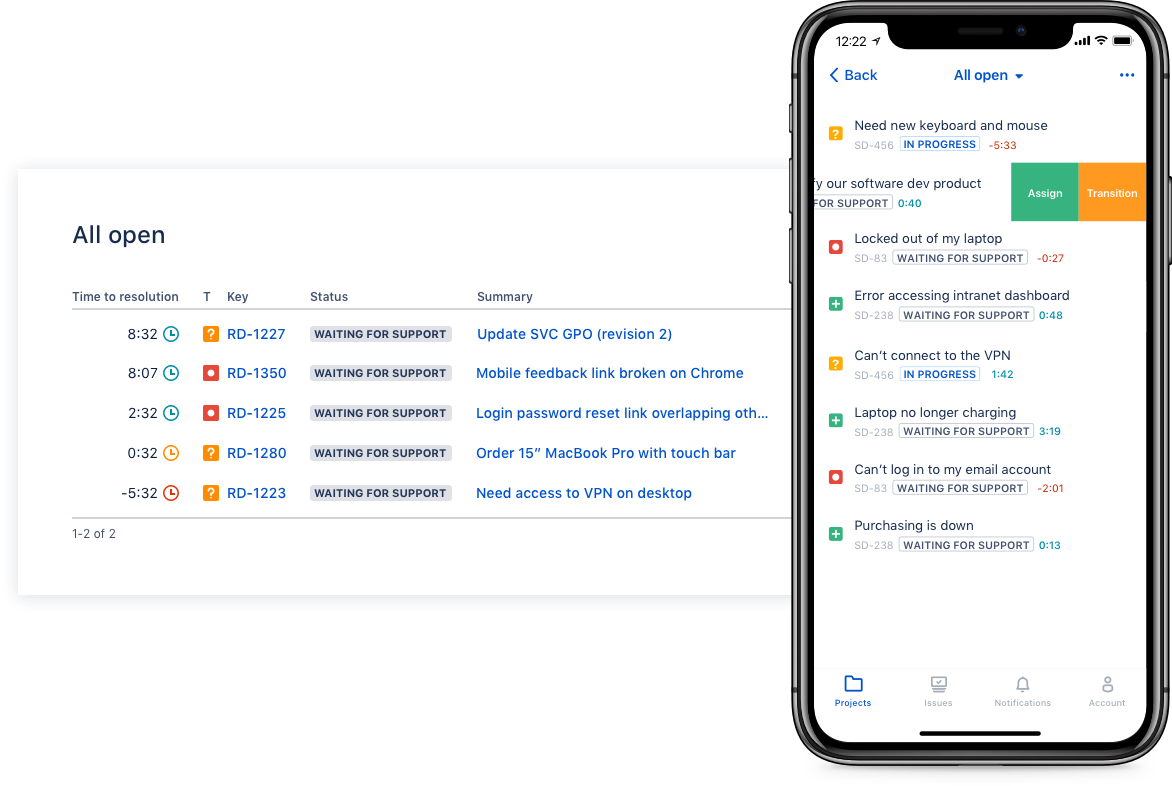  |