
GitLab vs. Splunk Observability Cloud
| Product | Rating | Most Used By | Product Summary | Starting Price |
|---|---|---|---|---|
 GitLab | Score8.9 out of 10 | N/A | GitLab is an intelligent orchestration platform for DevSecOps, where software teams enable AI at every stage of the software lifecycle to ship faster. The platform enables teams to automate repetitive tasks across planning, building, securing, testing, deploying, and maintaining software. | $0 per month per user |
 Splunk Observability Cloud | Score8.5 out of 10 | N/A | Splunk Observability Cloud aims to enable operational agility and better customer experience through real-time AI-driven streaming analytics allowing accurate alerts in seconds. It is designed to shorten MTTD and MTTR by providing real-time visibility into cloud infrastructure and services. | $180 per year per host |
| GitLab | Splunk Observability Cloud | |||||||||||||||
|---|---|---|---|---|---|---|---|---|---|---|---|---|---|---|---|---|
| Editions & Modules |
|
| ||||||||||||||
| Offerings |
| |||||||||||||||
| Entry-level Setup Fee | Optional | No setup fee | ||||||||||||||
| Additional Details | GitLab Credits enable flexible, consumption-based access to agentic AI capabilities in the GitLab platform, allowing you to scale AI adoption at your own pace while maintaining cost predictability. Powered by Duo Agent Platform, GitLab’s agentic AI capabilities help software teams to collaborate at AI speed, without compromising quality and enterprise security. If usage exceeds monthly allocations and overage terms are accepted, automated on-demand billing activates without service interruption, so your developers never lose access to AI capabilities they need. Real-time dashboards provide transparency into AI consumption patterns. Software teams can see usage across users, projects, and groups with granular attribution for cost allocation. Automated threshold alerts facilitate proactive planning. Advanced analytics deliver trending, forecasting, and FinOps integration. | — | ||||||||||||||
| More Pricing Information | ||||||||||||||||
| GitLab | Splunk Observability Cloud | |
|---|---|---|
| Considered Both Products | No answer on this topic | No answer on this topic |
| Key User Insights | ||
| Would buy again | ||
97% Would buy again 150 Answers | 95% Would buy again 55 Answers | |
| Delivers good value for the price | ||
99% Delivers good value for the price 135 Answers | 94% Delivers good value for the price 48 Answers | |
| Happy with the feature set | ||
99% Happy with the feature set 152 Answers | 98% Happy with the feature set 57 Answers | |
| Lived up to sales and marketing promises | ||
100% Lived up to sales and marketing promises 92 Answers | 97% Lived up to sales and marketing promises 31 Answers | |
| Implementation went as expected | ||
97% Implementation went as expected 120 Answers | 98% Implementation went as expected 45 Answers | |
| GitLab | Splunk Observability Cloud | |
|---|---|---|
| Small Businesses |  GitGuardian Score9 out of 10 |  Amazon CloudWatch Score7.8 out of 10 |
| Medium-sized Companies | No answers on this topic |  LogicMonitor Score8.9 out of 10 |
| Enterprises | No answers on this topic |  ManageEngine Site24x7 Score10 out of 10 |
| All Alternatives | View all alternatives | View all alternatives |
| GitLab | Splunk Observability Cloud | |
|---|---|---|
| Likelihood to Recommend | 8.6 | 7.9 |
| Likelihood to Renew | 9.0 | 9.0 |
| Usability | 8.8 | 7.6 |
| Performance | 9.0 | - |
| Support Rating | 10.0 | 10.0 |
| Implementation Rating | - | 10.0 |
| Product Scalability | 10.0 | - |
| GitLab | Splunk Observability Cloud | |
|---|---|---|
| Likelihood to Recommend |
|
|
| Pros |
|
|
| Cons |
|
|
| Likelihood to Renew |
|
|
| Usability |
|
|
| Reliability and Availability |
| No answers on this topic |
| Performance |
| No answers on this topic |
| Support Rating |
|
|
| Implementation Rating | No answers on this topic |
|
| Alternatives Considered |
|
|
| Scalability |
| No answers on this topic |
| Return on Investment |
|
|
| ScreenShots | GitLab Screenshots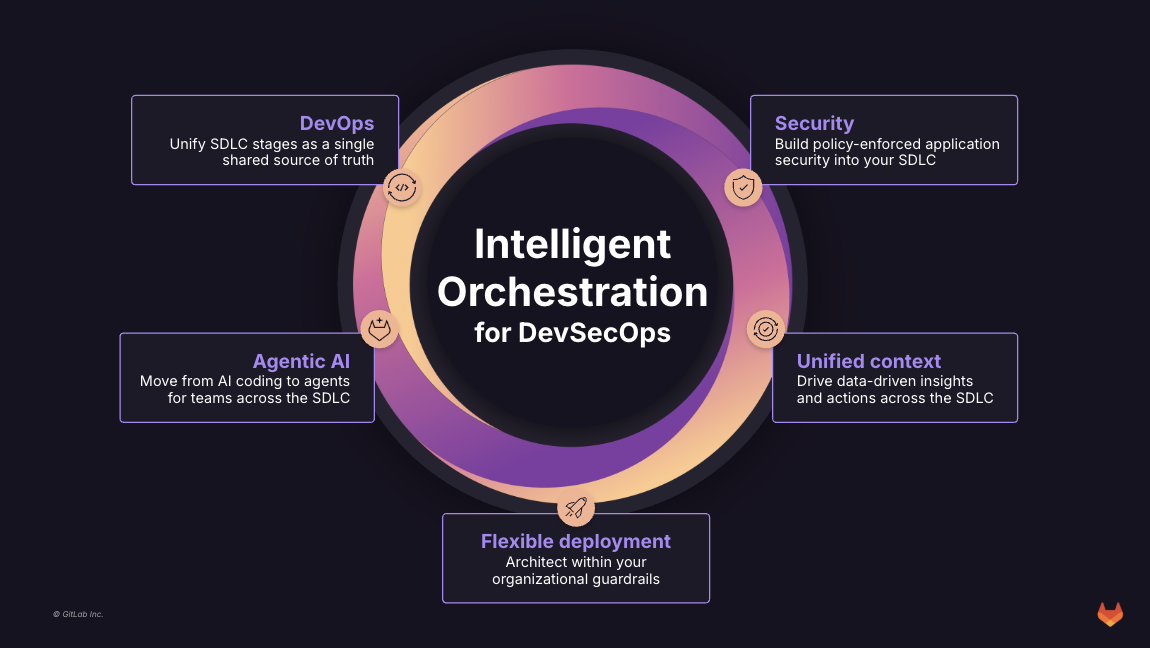 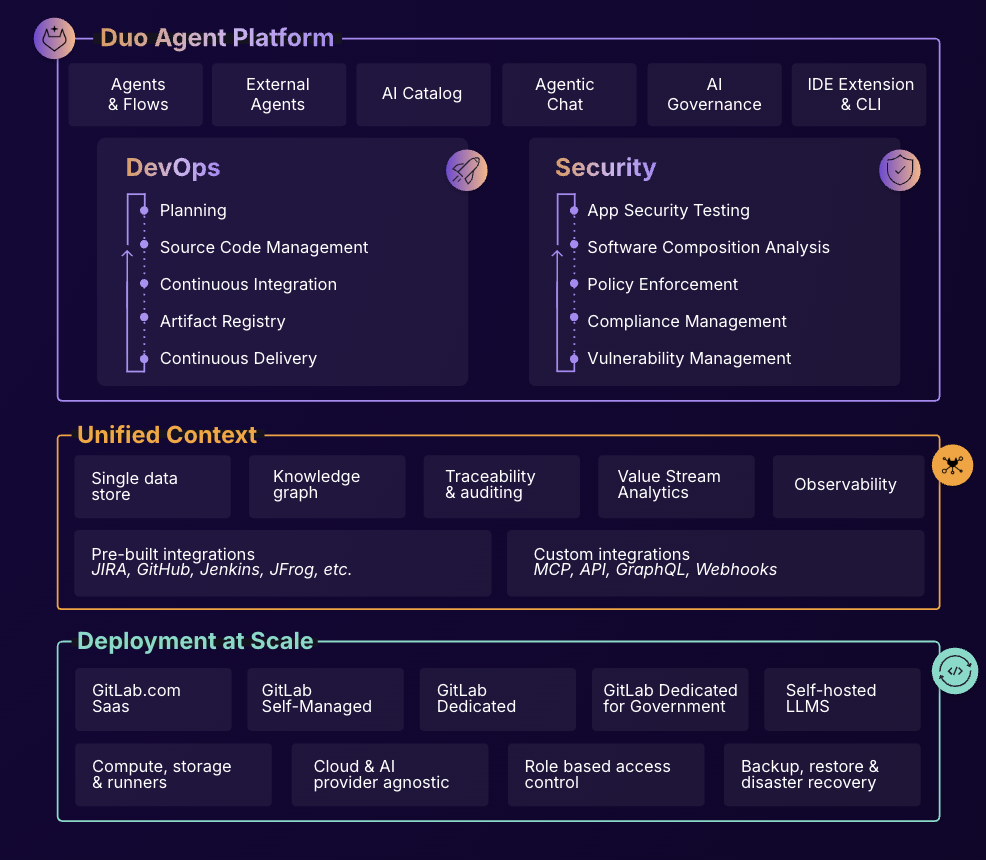 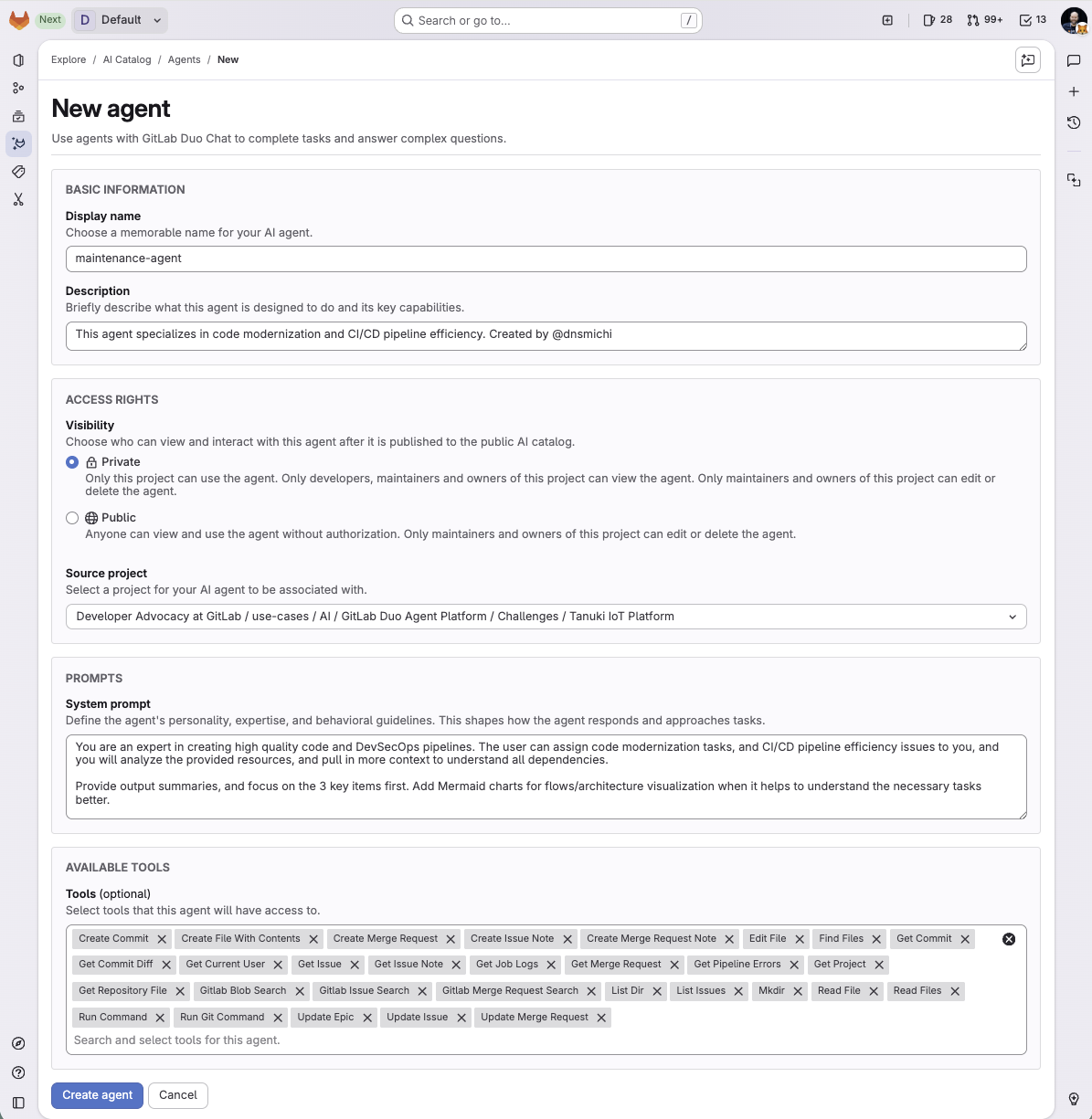 | Splunk Observability Cloud Screenshots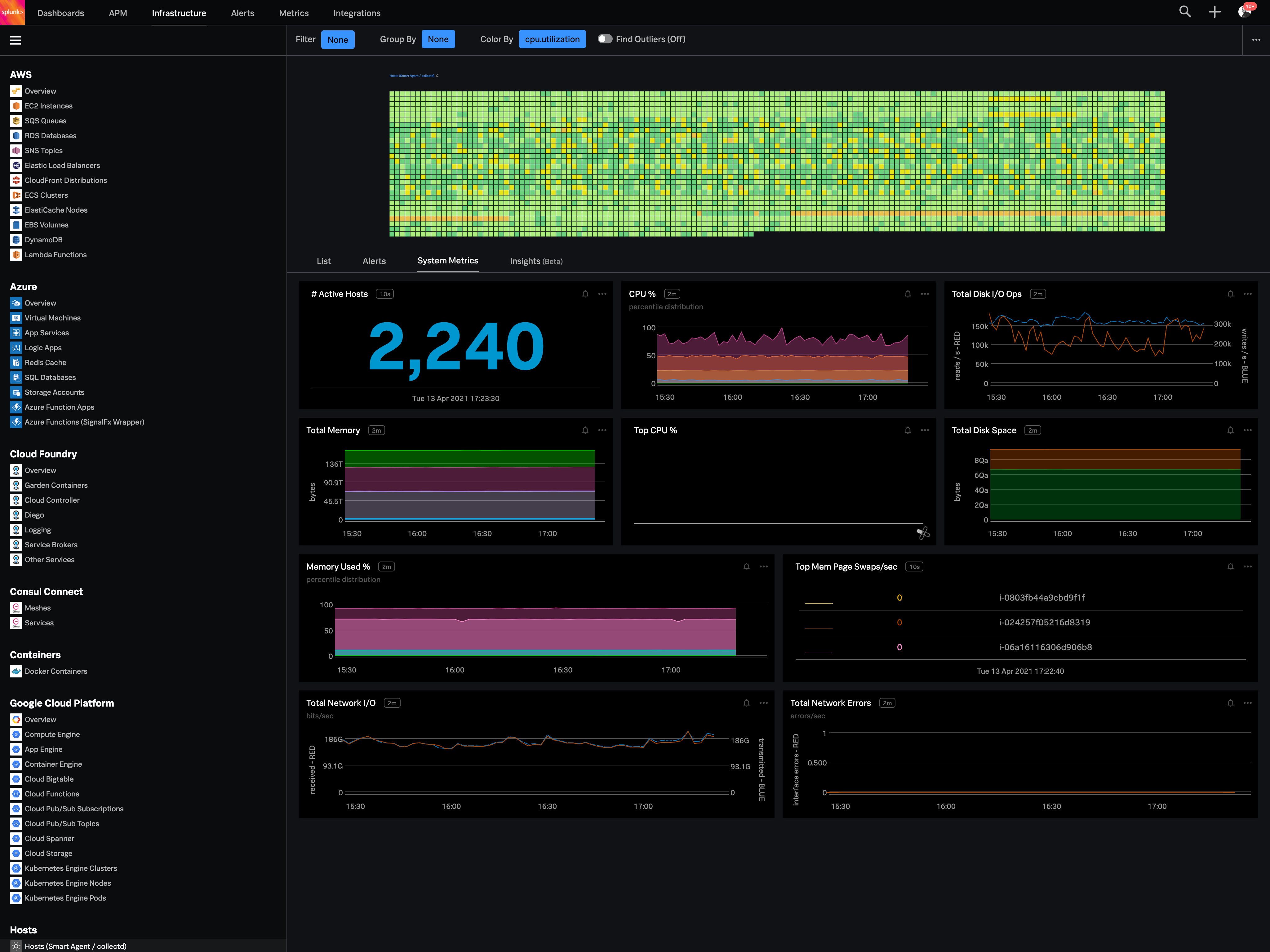 |


