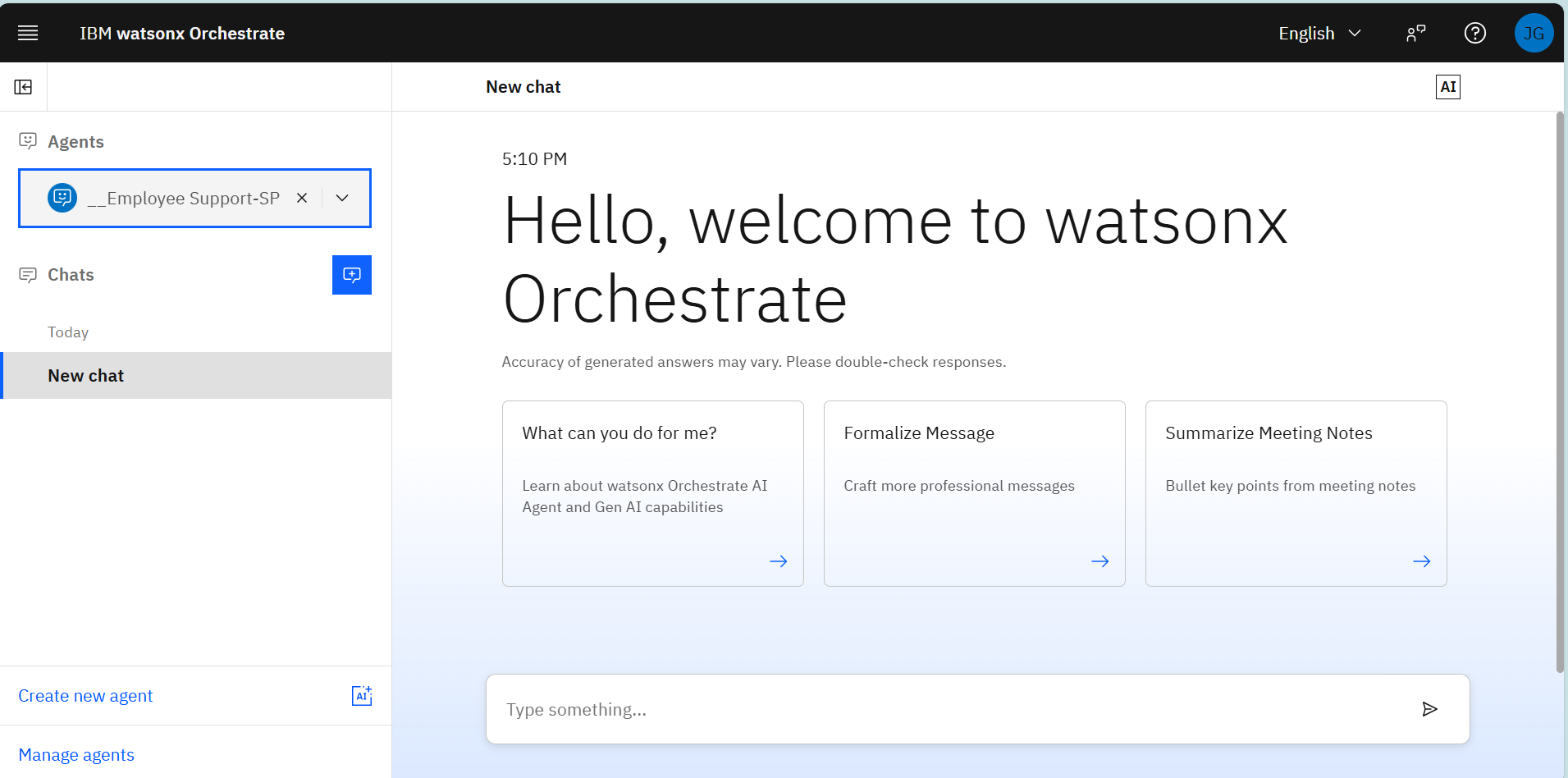
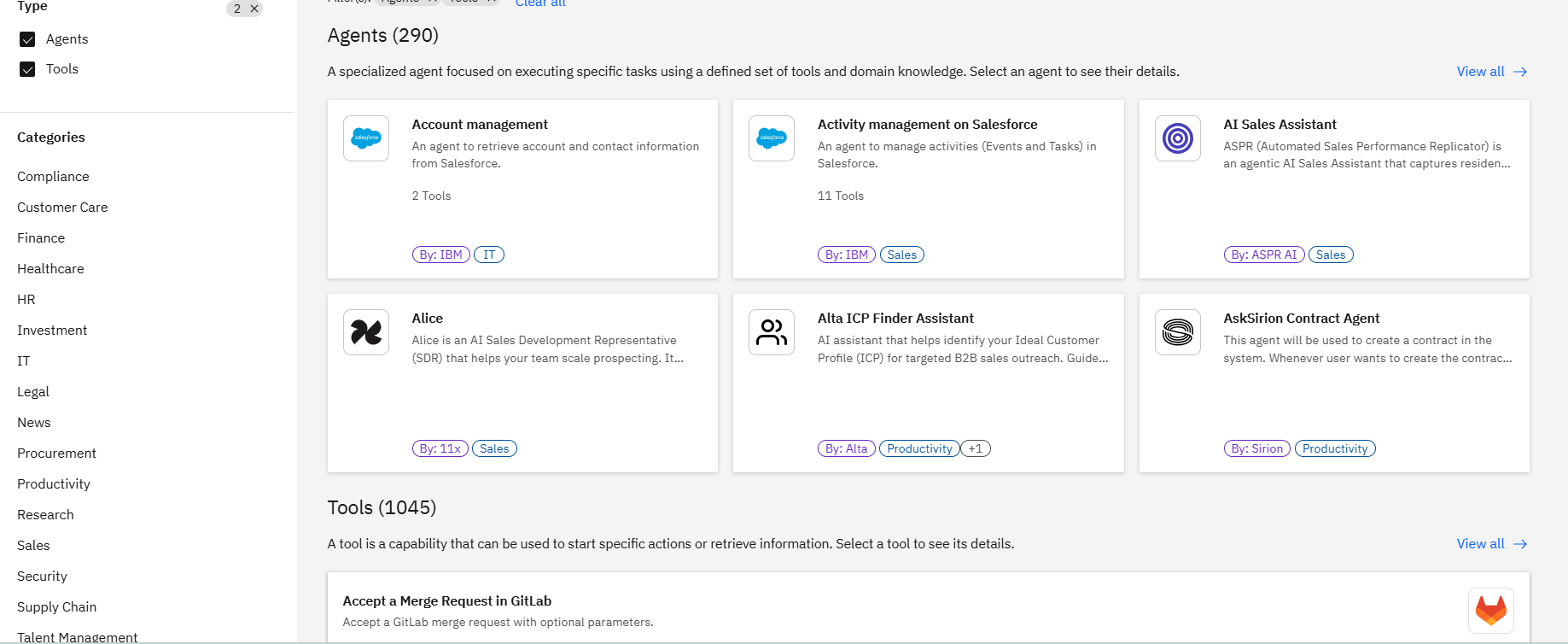
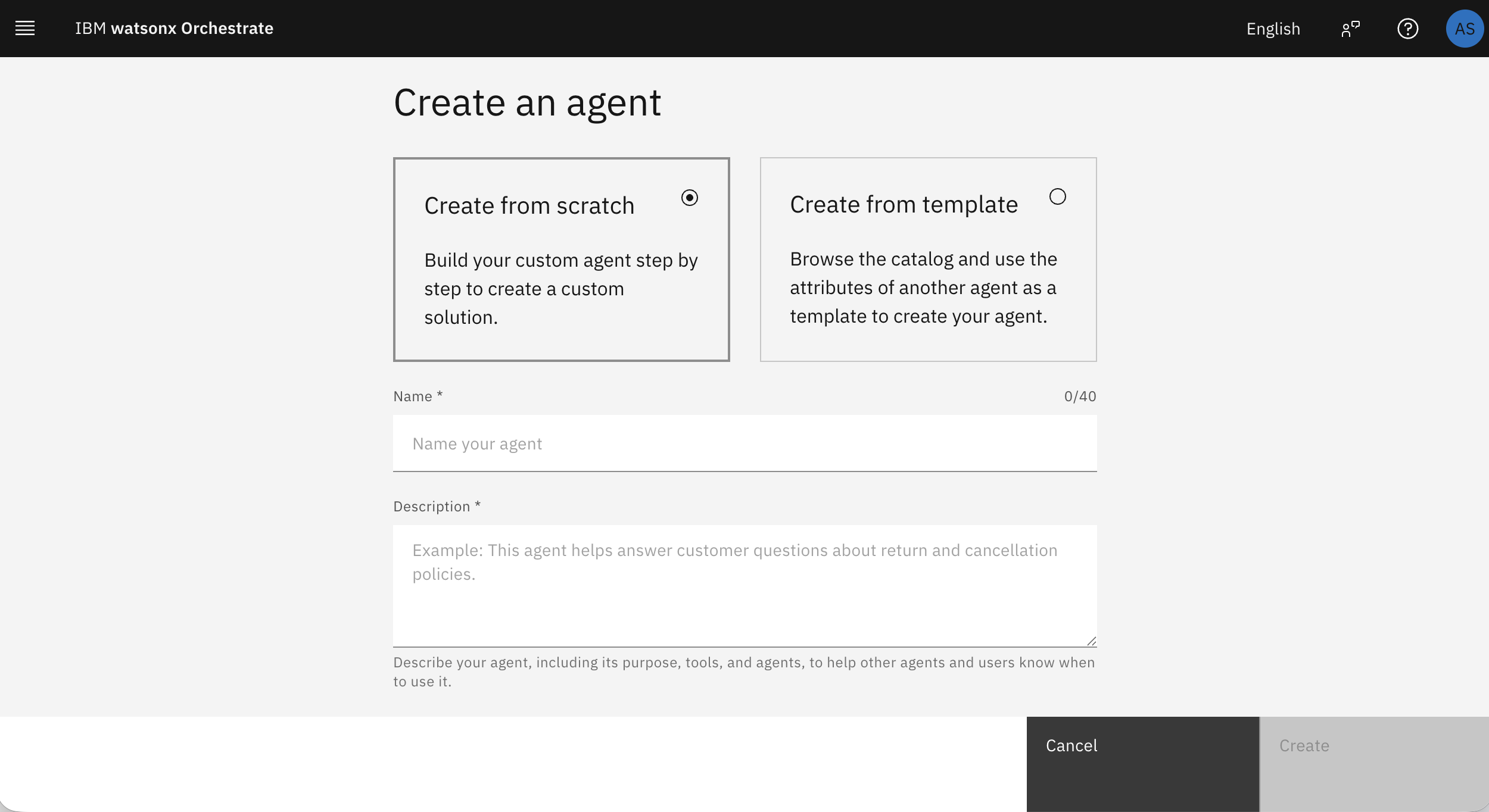
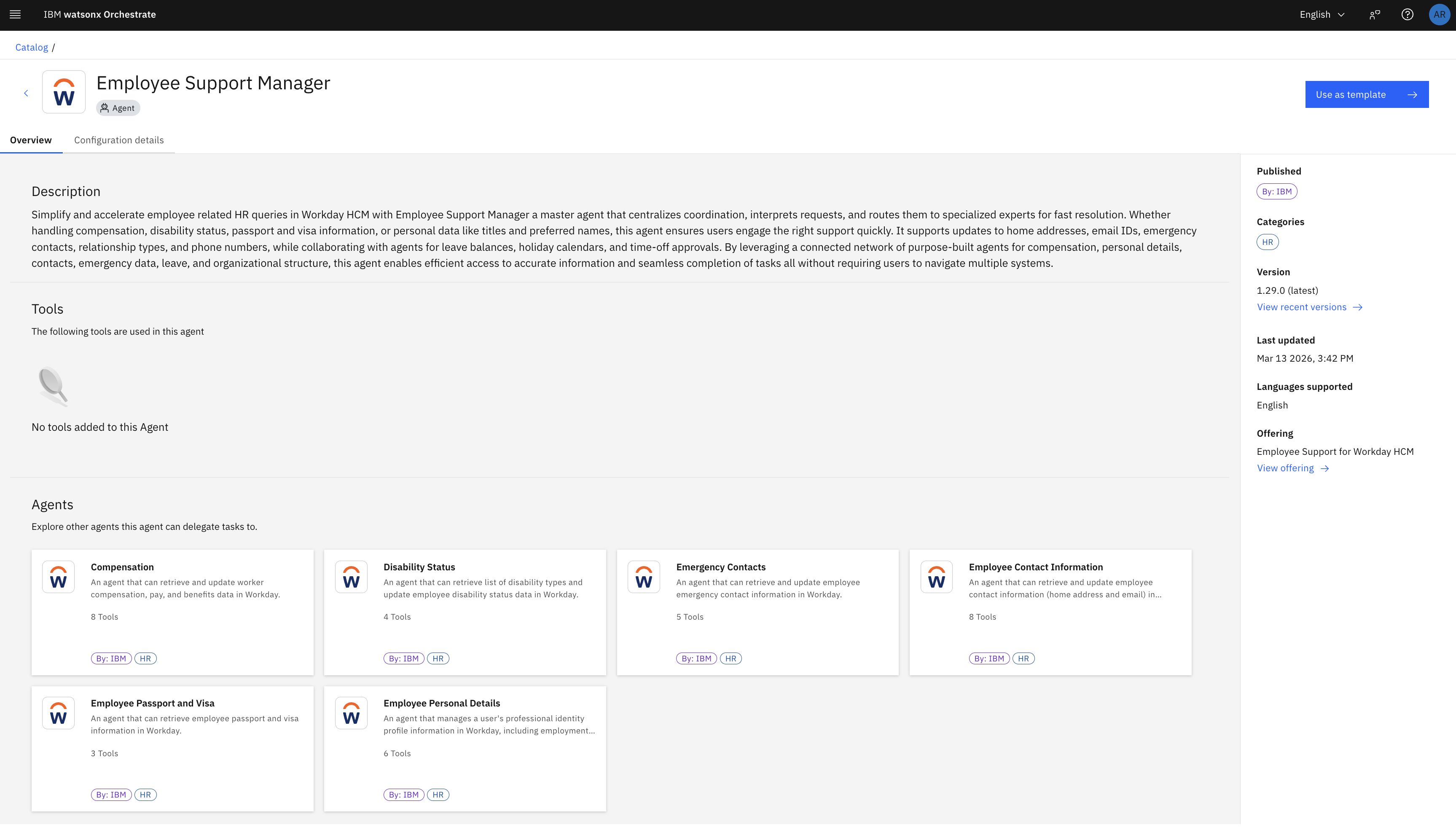
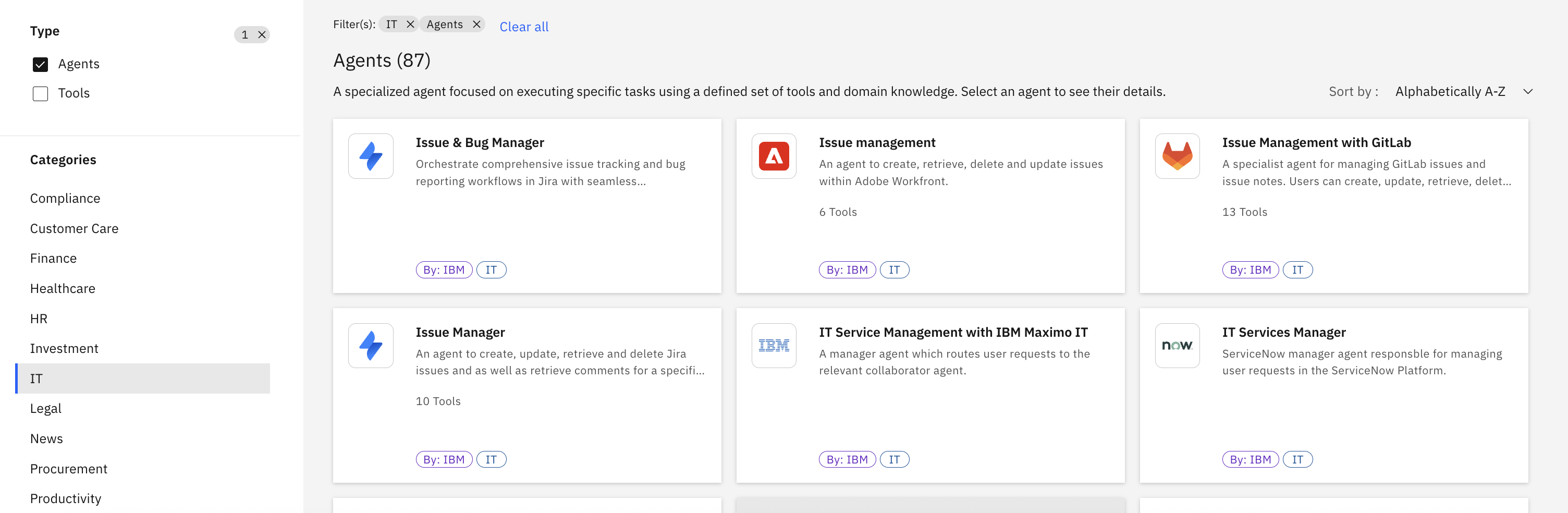
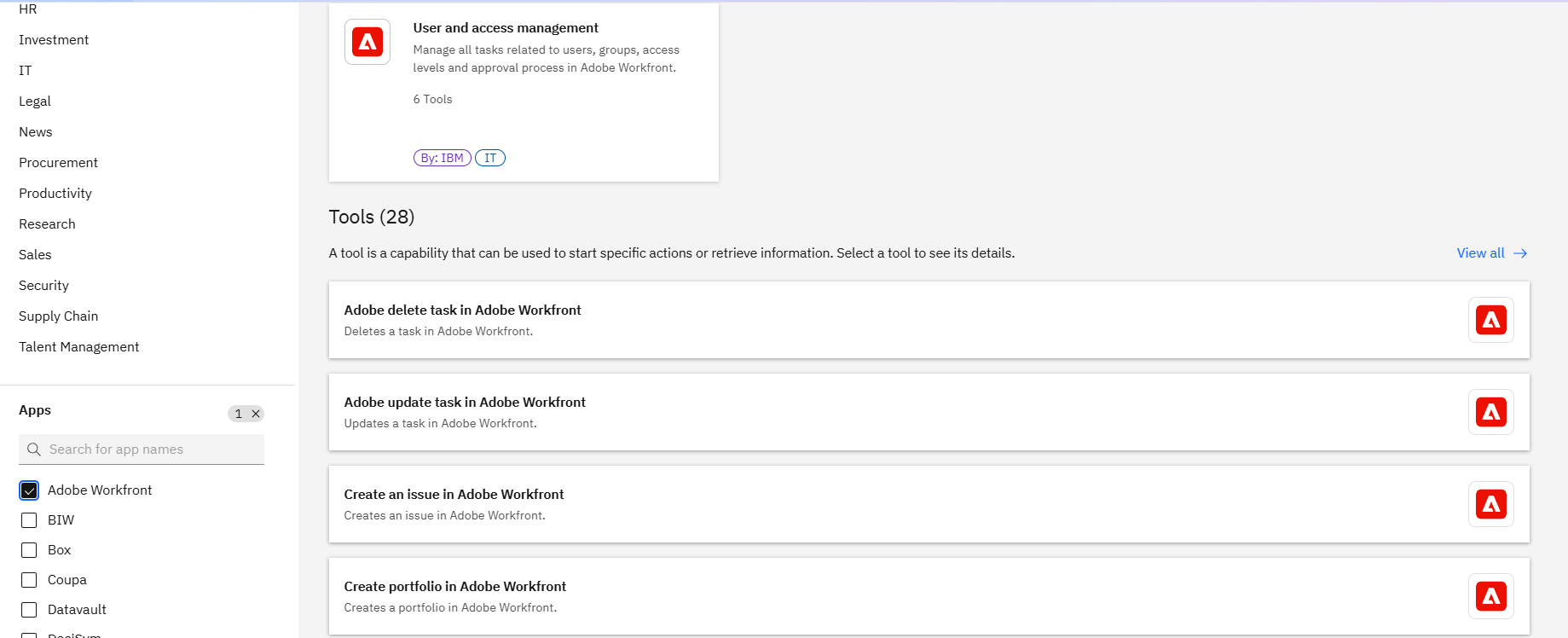
IBM® watsonx™ Orchestrate® leverages AI to automate complex workflows. The solution helps build, deploy, and manage AI assistants and agents. It offers a catalogue of pre-built agents and tools, low-code agent builder, multi-agent collaboration capabilities, and integrations with enterprise apps.
$530
per month
Pricing
IBM watsonx Orchestrate
Editions & Modules
Essential
$500
per month per subscription
Essentials
$500
per month Per subscription
Standard
Enterprise
Standard
Enterprise
per month Per subscription
Offerings
Pricing Offerings
IBM watsonx Orchestrate
Free Trial
Yes
Free/Freemium Version
No
Premium Consulting/Integration Services
Yes
Entry-level Setup Fee
Optional
Additional Details
IBM watsonx Orchestrate can be deployed and run on IBM Cloud, AWS, or on-premises. Prices shown are indicative, may vary by country, exclude any applicable taxes and duties, and are subject to product offering availability in a locale.
Copilot works well for Microsoft related environment, with easy user onboarding and offboarding and usage of other microsoft related applications, but IBM watsonx Orchestrate will not only suits for Microsoft it suits well for cross platform and complex workflows. SNOW will …
IBM agnostic platforms are built for controlled environments like ours which heavily relies on on-premise automation integrations. For RACF and mainframe duties, low-code but user friendly curves are needed to ensure IT works with business seamlessly.
Those tools are complimenting each other, in my short interaction with this tool, this is like having a gen-AI tool that work for your business with a comprehensive documentation and available technical support to answer your questions. Bear in mind that this solution can be up …
The other solution provides far more capabilities but at a much higher price and far more complexity. The IBM watsonx Orchestrate tool is less expensive (about 25% of the other solution) while being good enough for what we needed and being easy to use.
I think this product's got a lot more use cases from a business standpoint. I find the other products are very based in end users and also the orchestrator has a lot more agnostic connections to a lot of products, whereas Microsoft is very Microsoft dominated and the other …
We build multiple chatbot using IBM Watson like dialog action and speaking recognize chatbot in the multiple language as per client required. IAM when API key required, we used. For deployment all chatbot by using cloud service to Go Live and any small CSS and HTML code also we …
Strong ITSM and HR workflow automation with governance, ServiceNow excels in IT/HR but lacks flexibility for cross-departmental use cases such as demand planning, finance close, or procurement analytics. Orchestrate supports a broader set of enterprise functions beyond IT …
In our case, it is well-suited for workday integration, which allows us to automate the entire workflow. However, we are still working on the O9 platform integration, which we feel is less appropriate, and integrating the workflow into the platform.
New and improved natural language processing yielding better results helps the assistants understand the intention behind the query.
Preserves context of communication, allowing the customers to establish inquiries on the website and continue on the mobile app without having extra informational input.
Intelligent conversations mean that complex paths that are branched based on the user's inputs allow for a much more natural flow of the conversation than fixed scripts.
I think that it needs to be able to integrate better with the knowledge catalogs. It currently provides a default database, which isn't quite large enough for enterprise use. We can connect that then to an external source, but it'd be nice if we could able just to instantiate one straight away.
Currently we are using to develop chatbots based on client provided flow what kind chatbot required for client either button or free text chatbots. we will decided accordingly flow and develop chatbot using IBM Watson. We will integrated custom components if required which is not present in library. Action flow and dialog flow we are currently in chatbot.
With the growing use of AI and chatbots, it's very easy to use, and the conversational language makes it easier than keyword searches in a document. The contextual language processing is impressive. It's easy to integrate into our internal portal. The use of this tool would depend on each company's security and data sensitivity.
To develop chatbots based on client provided flow what kind chatbot required for client either button or free text chatbots. we will decided accordingly flow and develop chatbot using IBM Watson. We will integrated custom components if required which is not present in library. IBM Watson library anyone can easily learn and develop chatbots.
We've rarely had to engage support, but they've always been prompt in responding and very attentive. Support experiences have been extremely positive (but we're mostly happy that we just don't have any cause to routinely need support in the first place!).
Make has more community of workflows to follow that have been redeveloped and are available for download. Selecting WxO is based on our trust level with IBM and the propositions of the Granite model being less biased, more business trained, and the ecosystem allowing for expansion with Assistant and Discovery.
From past 3+ years I am using IBM Watson in our current project easily can implement and manage and monitor user how their using. Is there and update also just update dialog is just enough to change no need to touch any other templates. Multiple language will support, and action and dialog speak recognize chatbot we can create as per client requirement. Overall, as of now good experience with IBM Watson.
By automating tasks that would otherwise require human intervention, organizations may achieve cost savings in terms of labor, especially for handling large volumes of routine inquiries.
Virtual assistants can handle a large number of simultaneous interactions, making them scalable to accommodate growing customer bases and increasing workloads without a linear increase in staffing.