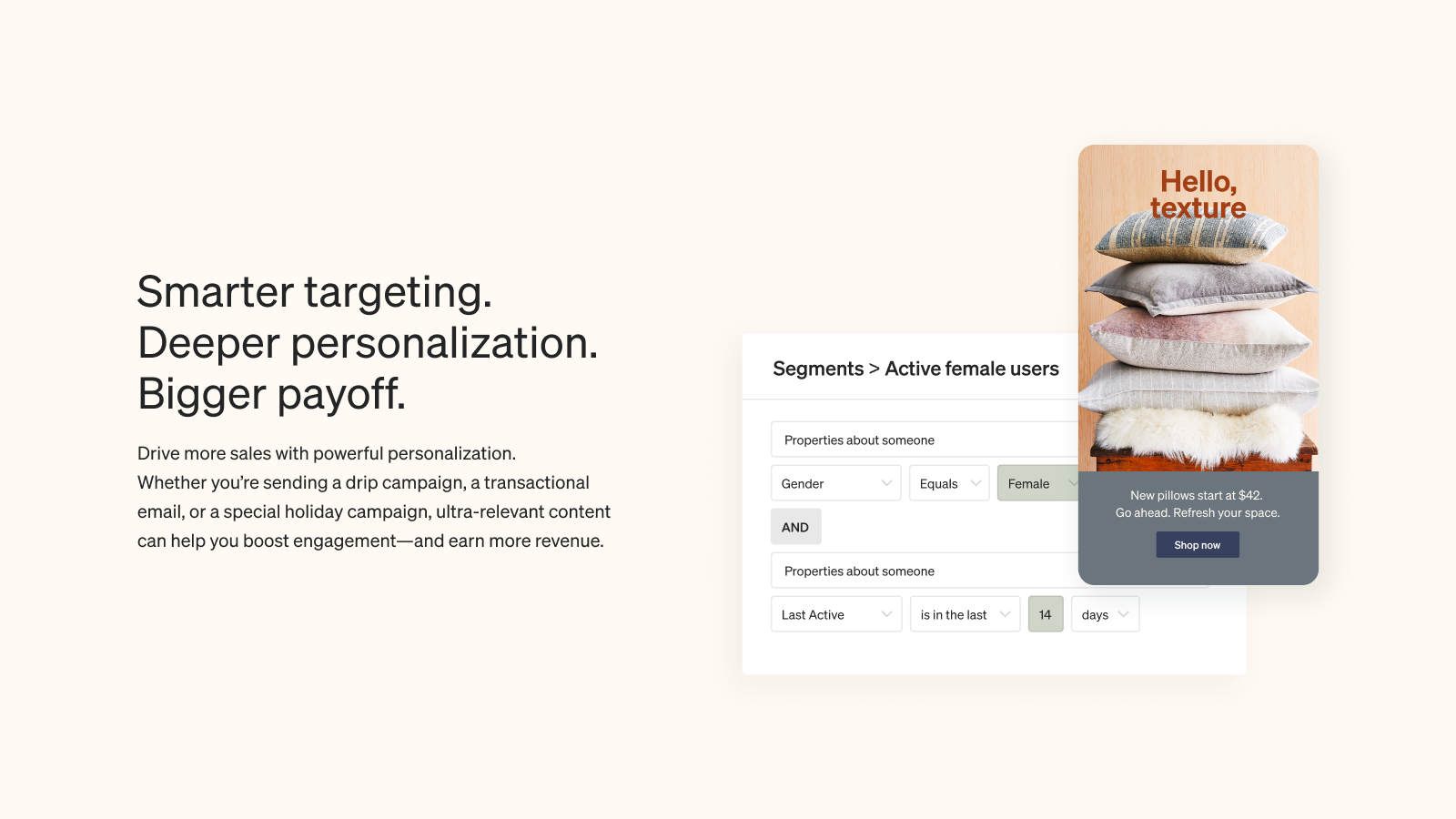
Klaviyo is a marketing automation platform that helps businesses to centralize and use every piece of their customer data. With Klaviyo, businesses can combine customer data with more than 350 native integrations to automate personalized email and SMS communications that make customers feel seen. From mom-and-pop shops to established companies, Klaviyo states businesses like Dermalogica, Living Proof, Solo Stove, Citizen Watches, and more than 143,000 other paying users leverage their platform…
$20
per month
Treasure AI
Score9 out of 10
Mid-Size Companies (51-1,000 employees)
Treasure AI is an enterprise customer data platform (CDP) that reclaims customer-centricity in the age of the digital customer. It does this by connecting all data and uniting teams and systems into one customer data platform to power purposeful engagements.
N/A
Pricing
Klaviyo
Treasure AI
Editions & Modules
No answers on this topic
No answers on this topic
Offerings
Pricing Offerings
Klaviyo
Treasure AI
Free Trial
Yes
No
Free/Freemium Version
Yes
No
Premium Consulting/Integration Services
No
No
Entry-level Setup Fee
No setup fee
Optional
Additional Details
Paid plans start at $20/month and include:
251 - 500 contacts
5,000 monthly email sends
150 SMS/MMS sending credits
Applicable SMS carrier fees
Mobile push notifications (free beta)
Email and chat support
Additional contacts, email and text sending credits, and service plans available to meet the needs of any size business.
View all of our pricing and estimate your total cost of ownership at klaviyo.com/pricing
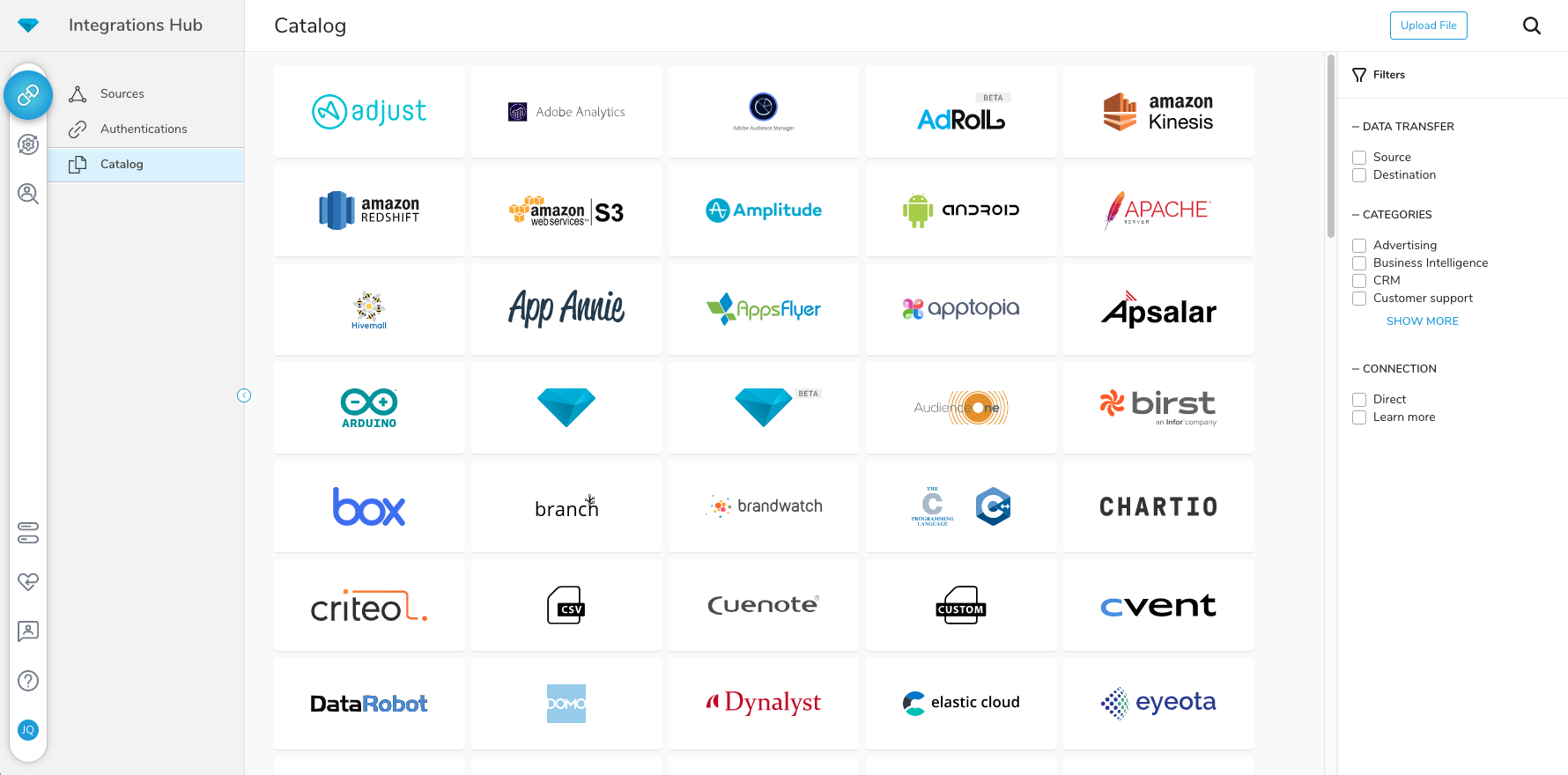
Treasure Data provides a combination of out of the box connectors, end to end functionality (Ingestion, Storage, Interactive Querying, Workflows and outputs all in one place) that no other solution we've found seems to do well. The fully managed nature of Workflow, combined …
A de minimis incentive was given to thank the reviewer for their time. The incentive was not used to bias or drive a particular response, nor was the incentive contingent on a positive endorsement. More Info
Klaviyo is a leader in the space, but I might recommend it to a colleague for its price point. There are other options that are more affordable and provide most of the tools Klaviyo offers. I also think it can be complicated to use for a new user.
A de minimis incentive was given to thank the reviewer for their time. The incentive was not used to bias or drive a particular response, nor was the incentive contingent on a positive endorsement. More Info
Treasure Data is well suited to integrating multiple data sources, including online and digital sources. It is also well suited to trigger audience activations to known customers based on their online activity, integrating 3rd party data, and activating target audiences to ad platforms.
A de minimis incentive was given to thank the reviewer for their time. The incentive was not used to bias or drive a particular response, nor was the incentive contingent on a positive endorsement. More Info
A de minimis incentive was given to thank the reviewer for their time. The incentive was not used to bias or drive a particular response, nor was the incentive contingent on a positive endorsement. More Info
CDP provides a unified view of data from all touchpoints in the customer journey until a single customer uses the service. This feature is very helpful in making service decisions and direction.
It provides a variety of extensions to bring your data together in one place and helps you do this easily.
Kits provided by Treasure Box provide basic but helpful methods for further development of services.
A de minimis incentive was given to thank the reviewer for their time. The incentive was not used to bias or drive a particular response, nor was the incentive contingent on a positive endorsement. More Info
Needs more visible critical notifications as we once exceeded our monthly email limit right during the Black Friday campaign. The notification was not visible enough for us to catch it on time, as a result, some emails scheduled to be sent over the weekend were never sent
Better library of dynamic values available for use inside emails
A de minimis incentive was given to thank the reviewer for their time. The incentive was not used to bias or drive a particular response, nor was the incentive contingent on a positive endorsement. More Info
A de minimis incentive was given to thank the reviewer for their time. The incentive was not used to bias or drive a particular response, nor was the incentive contingent on a positive endorsement. TR verified that a representative sample of customers was invited. More Info
Klaviyo is simply a great solution for e-com email marketing & customer relationship management:
User journey visibility: We can see our clients' customers on their individual user journeys (open email, site visits) to better understand and accommodate your customers.
Flow automation: Creating automated emails that follow up with new leads, those who abandoned carts, purchased.
Email design: So easy to use, and more friendly than some other visual builders that we've used.
Metrics visibility: We can see our clients' metrics very easily and adjust efforts accordingly.
A de minimis incentive was given to thank the reviewer for their time. The incentive was not used to bias or drive a particular response, nor was the incentive contingent on a positive endorsement. More Info
I do think that we definitely will be renewing. We are putting major resources, time, and effort into Treasure Data becoming an extension of our organization, in many ways. We are working toward complete synergies with this product and leadership is very excited about the direction we are heading to be completely customer-centric.
A de minimis incentive was given to thank the reviewer for their time. The incentive was not used to bias or drive a particular response, nor was the incentive contingent on a positive endorsement. TR verified that a representative sample of customers was invited. More Info
The only reason why I did not give it a 10/10 is that it cannot distinguish purchases that came through subscription recharges instead of purchases that were driven directly by email sends. Other than that, the automation qualities, design features, and segmentation options make this an incredible email platform, and I am very happy with it
A de minimis incentive was given to thank the reviewer for their time. The incentive was not used to bias or drive a particular response, nor was the incentive contingent on a positive endorsement. More Info
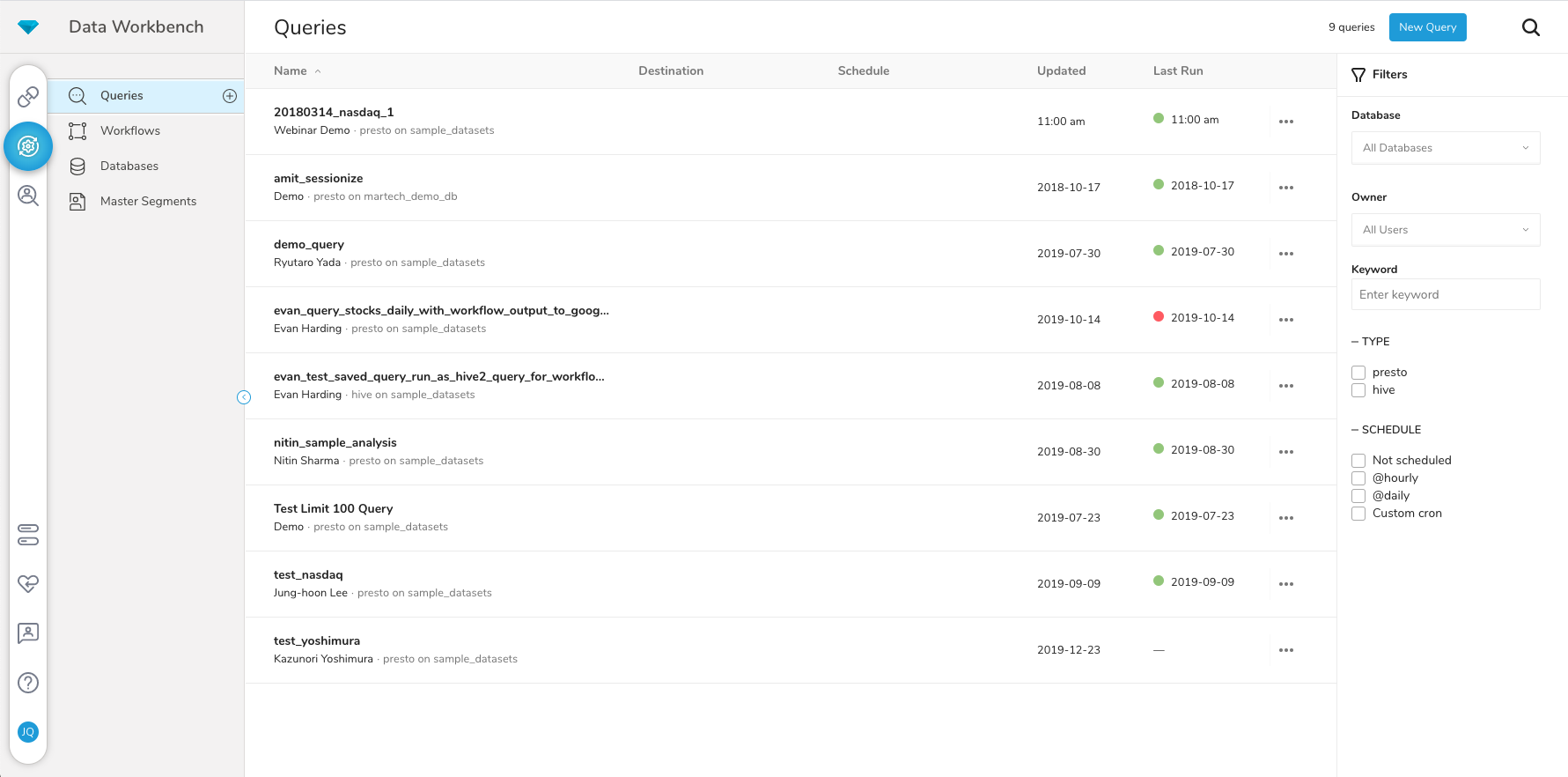
It's a easy platform to use and give the user detailed logs about what is going on in the workflows, so someone that do not have a lot of experience can start to work with it. And also the master segment usability is awesome, as we can filter a lot of data the way we want.
A de minimis incentive was given to thank the reviewer for their time. The incentive was not used to bias or drive a particular response, nor was the incentive contingent on a positive endorsement. More Info
As treasure data has a 24 hours support, every time we has big issues that impacts the zones, we do have immediatly support from the treasure data team, so I would say that we do not have any issues with availability
A de minimis incentive was given to thank the reviewer for their time. The incentive was not used to bias or drive a particular response, nor was the incentive contingent on a positive endorsement. More Info
Since treasure data has started having a huge amount of data, sometimes we do have problems with the workflows logs because we generate a lot of then. But with integrations I have not to complain, its really easy to integrate with other platforms.
A de minimis incentive was given to thank the reviewer for their time. The incentive was not used to bias or drive a particular response, nor was the incentive contingent on a positive endorsement. More Info
Their support is always quick and we have recurring meetings with our advisor. they were great when we first started at walking us through the platform and helping us understand how to do the overall setup. They also have a wide variety of articles that cover must issues in a very clear manner that will get you out of a predicament really fast.
A de minimis incentive was given to thank the reviewer for their time. The incentive was not used to bias or drive a particular response, nor was the incentive contingent on a positive endorsement. More Info
The technical team has a good hold on the nuances of the data related to our organization. I have found the online technical support on their site quite responsive including the L1 support. In cases where the L1 team isn't able to resolve, I have found they are prompt in getting the product team's input to get a quick resolution.
A de minimis incentive was given to thank the reviewer for their time. The incentive was not used to bias or drive a particular response, nor was the incentive contingent on a positive endorsement. More Info
A de minimis incentive was given to thank the reviewer for their time. The incentive was not used to bias or drive a particular response, nor was the incentive contingent on a positive endorsement. More Info
I wasnt here at the training in the start, but I had a few training with treasure data for a few functionalities, and they provided me god explanations and great documentations, eve if the project were in beta.
A de minimis incentive was given to thank the reviewer for their time. The incentive was not used to bias or drive a particular response, nor was the incentive contingent on a positive endorsement. More Info
Don't cut corners, do it right the first time, if you take your time to build everything the way you want it then it will run itself. The platform will help you increase revenue as long as you use the tools it provides. Don't be scared to ask questions, the support team will help you get to the next level
A de minimis incentive was given to thank the reviewer for their time. The incentive was not used to bias or drive a particular response, nor was the incentive contingent on a positive endorsement. More Info
A de minimis incentive was given to thank the reviewer for their time. The incentive was not used to bias or drive a particular response, nor was the incentive contingent on a positive endorsement. More Info
Klaviyo's ability to really tackle the entire marketing contact ecosystem on one platform is what really won us over. The price for everything was competitive, not necessarily the cheapest but competitive, and the ability to see that data flow from every interaction was what was crucial to us. Additionally, Klaviyo is the core of our B2C business. We were not focused on anything other than how we interact with customers directly, and Klaviyo was a direct win for us. The one negative is Klaviyo's ability to work with our B2B side of our business, because it doesn't integrate with platforms like HubSpot. That is a massive downside, but the upside justified the investment.
A de minimis incentive was given to thank the reviewer for their time. The incentive was not used to bias or drive a particular response, nor was the incentive contingent on a positive endorsement. More Info
We chose Treasure Data for the supreme customer service and lack of hidden costs. We don't need to manage any infrastructure or scale anything to meet customer demand. Treasure Data handles everything and makes it easy for us to integrate and focus on the tasks at hand. There may be cheaper options but we do not regret our decision to go with Treasure Data one bit.
A de minimis incentive was given to thank the reviewer for their time. The incentive was not used to bias or drive a particular response, nor was the incentive contingent on a positive endorsement. More Info
A de minimis incentive was given to thank the reviewer for their time. The incentive was not used to bias or drive a particular response, nor was the incentive contingent on a positive endorsement. More Info
Klaviyo brought our email channel to the top performing channel over Paid Ads several times (according to G Analytics), before Klaviyo Paid Ads were always top and the email channel struggled to even stay in 2nd place.
Klaviyo did cost quite a bit more than our old email platform but the ROI was much higher so it paid for itself.
Klaviyo implemented tools that allowed us to have a higher customer satisfaction with things like letting customers choose to receive less emails instead of unsubscribing.
A de minimis incentive was given to thank the reviewer for their time. The incentive was not used to bias or drive a particular response, nor was the incentive contingent on a positive endorsement. TR verified that a representative sample of customers was invited. More Info
We have built and supported our source of truth data tables using Treasure. This forms the foundation of our decision making.
Most of our Tableau data sources are created using a Treasure Data export which is executed by workflows on a daily basis which allows us to have visibility into day to day performance and communicate them to a wide variety of roles.
We load custom data into our Salesforce instance which allows us to trigger certain workflows and build accountability - i.e. a "Sale" will only count once a certain product driven event occurs which comes from data we pipe into Treasure and then into Salesforce.
A de minimis incentive was given to thank the reviewer for their time. The incentive was not used to bias or drive a particular response, nor was the incentive contingent on a positive endorsement. TR verified that a representative sample of customers was invited. More Info